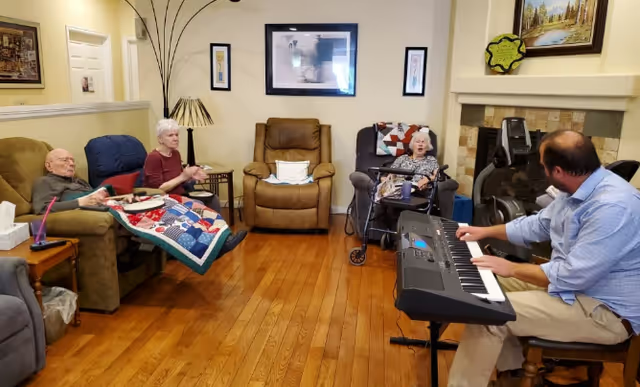
Balfour Littleton elicits a strongly mixed but patternable picture. Many families and residents praise the direct-care experience: skilled nursing, hands-on clinical support, and consistently compassionate caregivers are recurring strengths. Staff members are frequently described as kind, attentive, and willing to go beyond basics; individualized clinical accommodations (for example, technology-enabled glucose monitoring support) and strong end-of-life presence are specifically noted. On-site therapy services, nightly amenities such as movies in a theater, and a roster of meaningful outings and field trips contribute to a sense of social engagement and purpose for many residents.
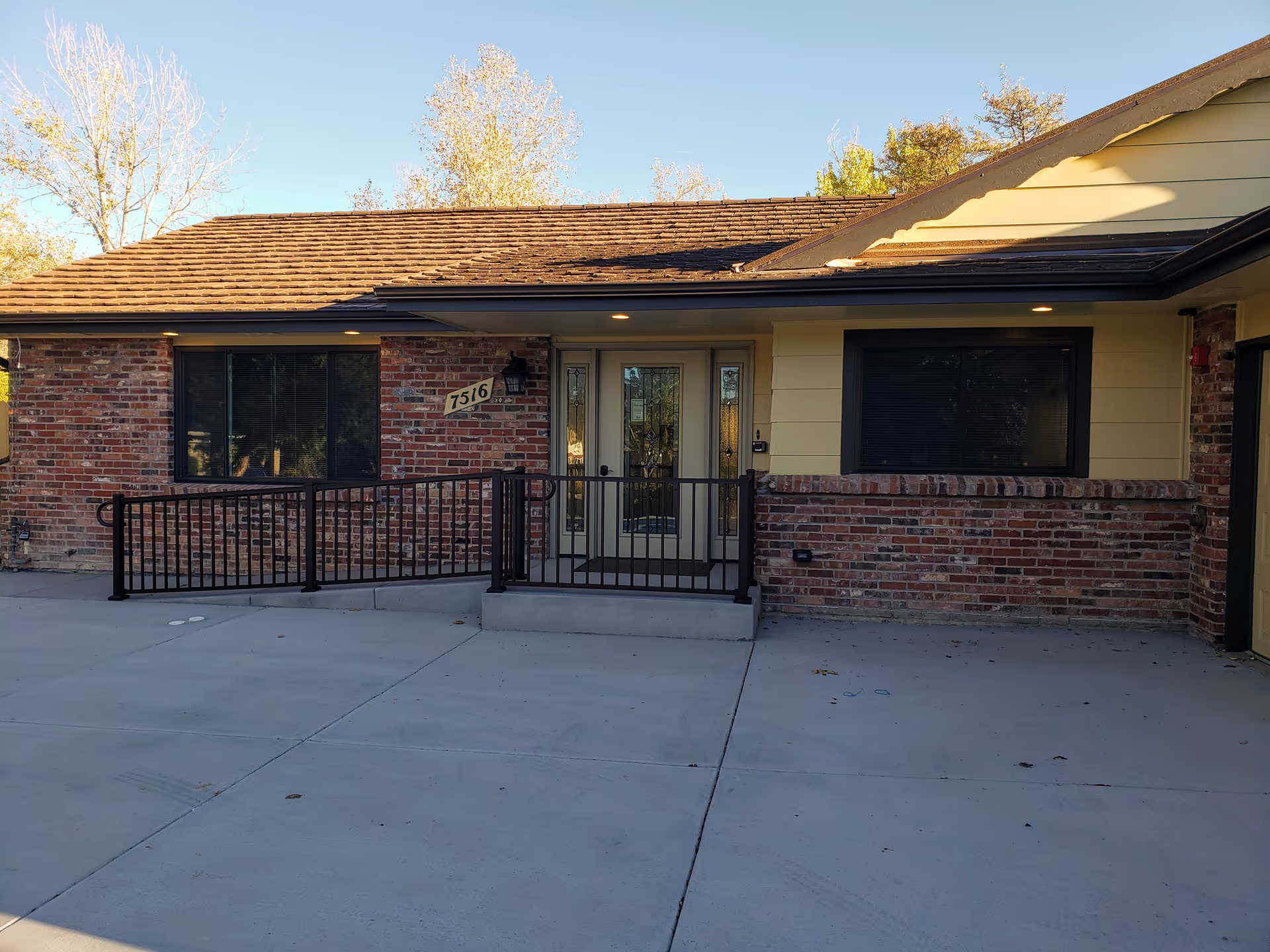
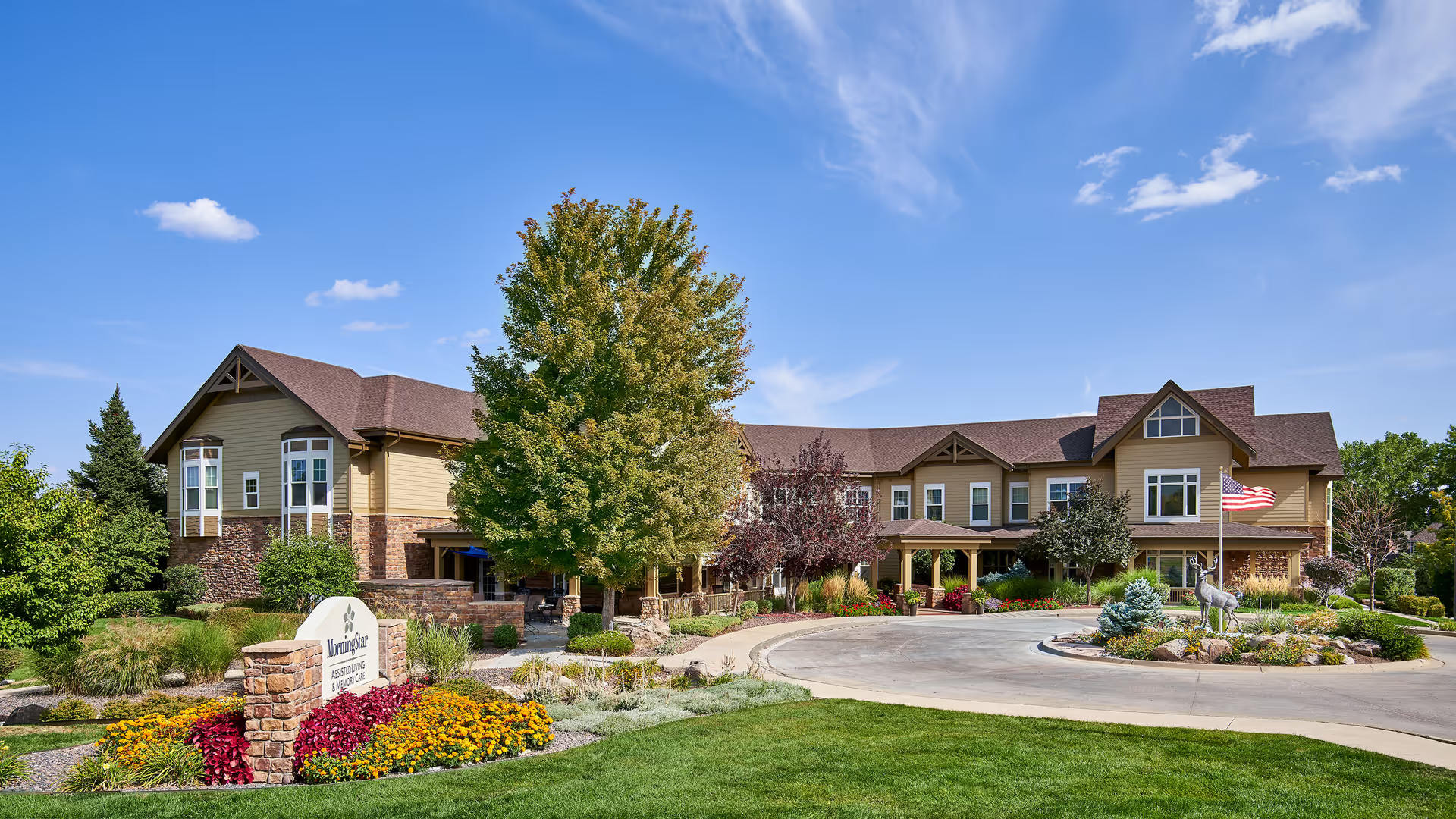
The physical campus and amenities receive consistently positive comments. Reviewers describe a bright, resort-like environment with well-kept grounds, attractive common spaces, and hotel-like apartment finishes. Maintenance and housekeeping are repeatedly highlighted as responsive, and many of the facility’s on-site features — a beauty shop, exercise room, and therapy suites — are viewed as valuable to daily life. Unit footprints are inconsistent: some residents report roomy bedrooms and bathrooms and pleasant corner units, while others find some layouts relatively small and courtyard space limited.
Dining and activities are areas of divergence. Several accounts describe upscale, varied dining with numerous choices and attentive meal service, while others describe limited menus, prepackaged or cold items, and inconsistent chef presence. Activity programming is generally robust and inclusive, with meaningful events and social opportunities that many residents find enriching; however, a subset of families perceives activity offerings as either too limited or more heavily geared toward memory-care programming than toward the broader resident population. Transportation reliability has been a practical limitation for outings in some cases.
Operationally, the facility shows notable management and staffing challenges alongside its clinical strengths. Multiple reviews point to inconsistent leadership responsiveness and gaps in family communication, including concerns following a resident’s death and questions about how belongings and notifications were handled. Staffing shortages—particularly night-shift coverage—and variable caregiver reliability are recurring operational issues; reviewers also link compensation practices to retention pressures. Emergency-preparedness processes and routine drills were flagged as areas for improvement by some families.
In sum, prospective residents and families will likely find strong direct-care relationships, helpful therapy services, and an attractive living environment at Balfour Littleton. At the same time, they should weigh reported inconsistencies in management communication, staffing stability, meal-service reliability, and transportation when making a decision. Visiting the campus during several parts of the day (including meal times and evenings), asking for specifics about staffing levels and emergency procedures, and confirming post-move-in policies for family communication and property handling are recommended steps to clarify how the facility’s strengths align with an individual’s needs.