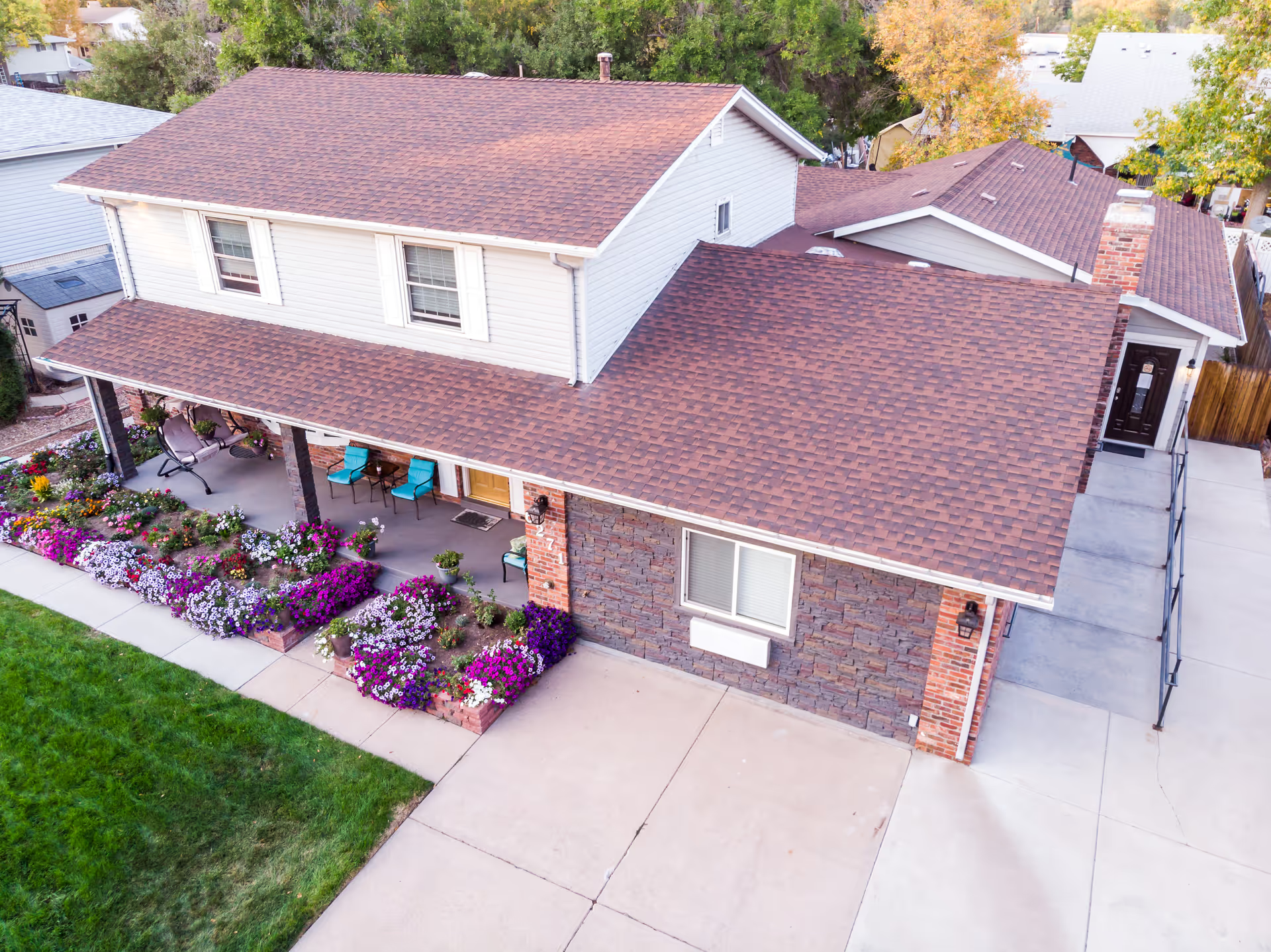
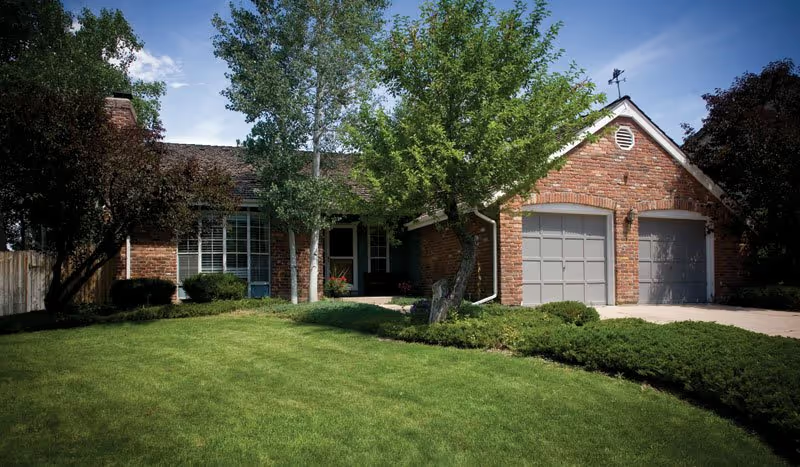
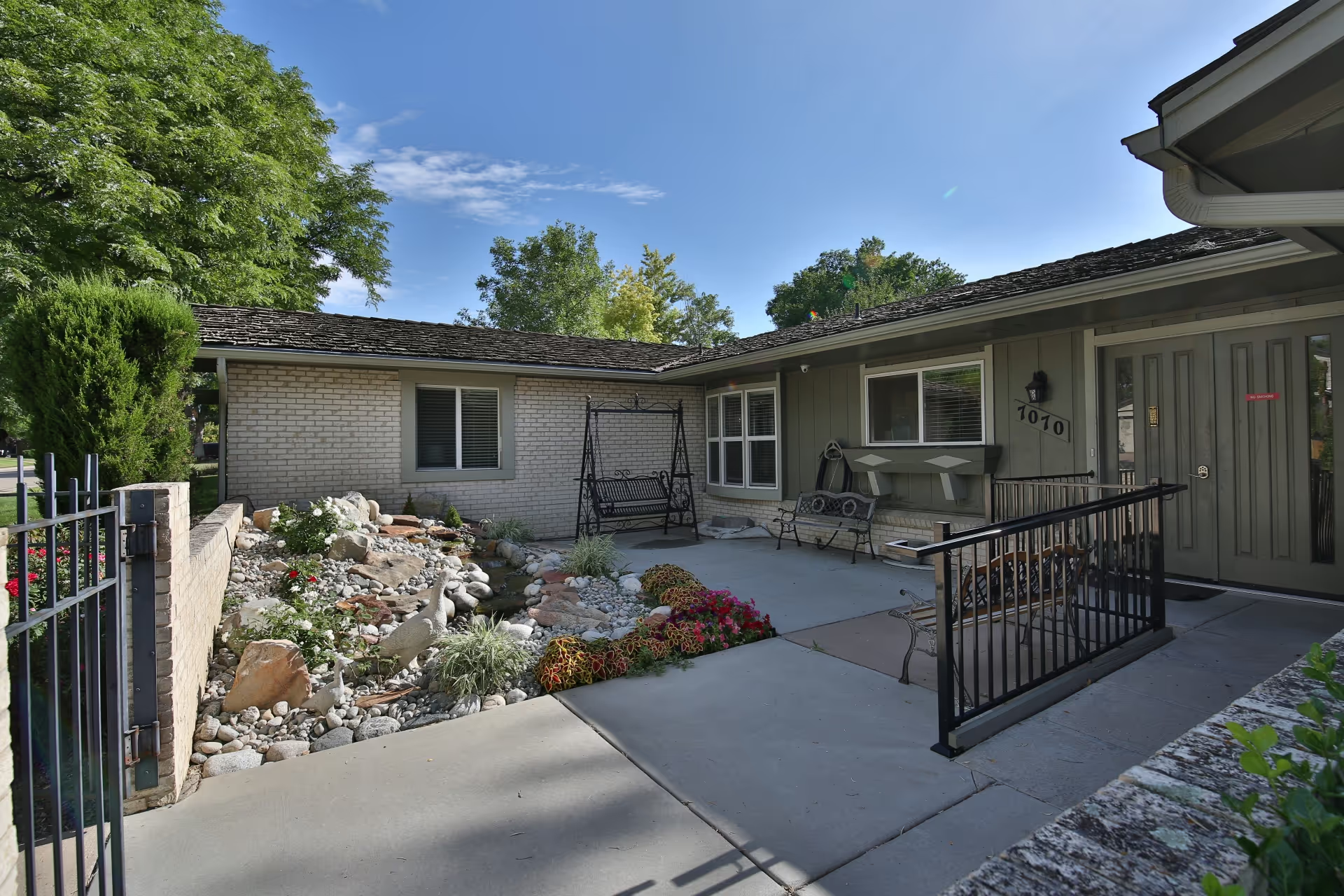
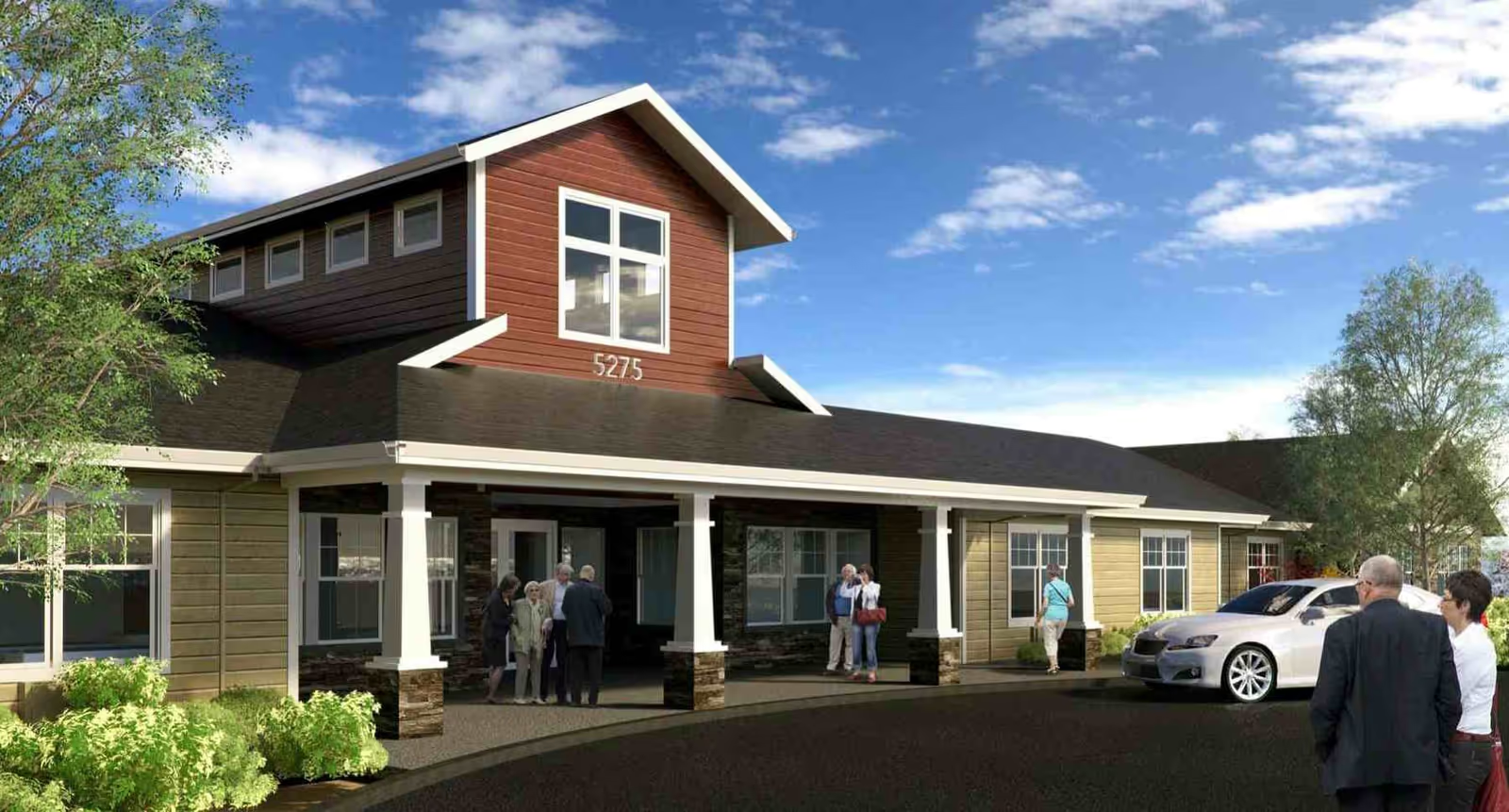
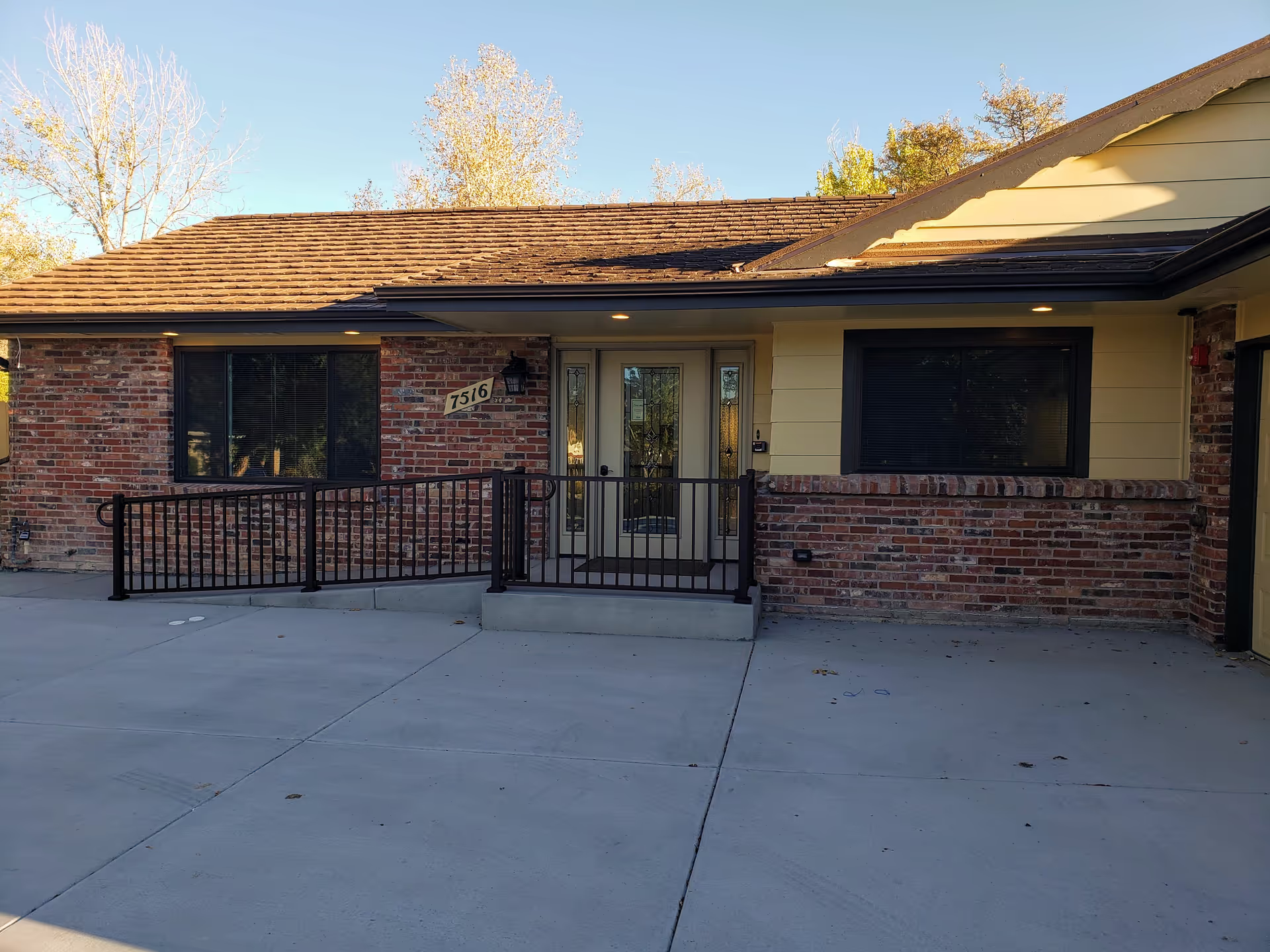
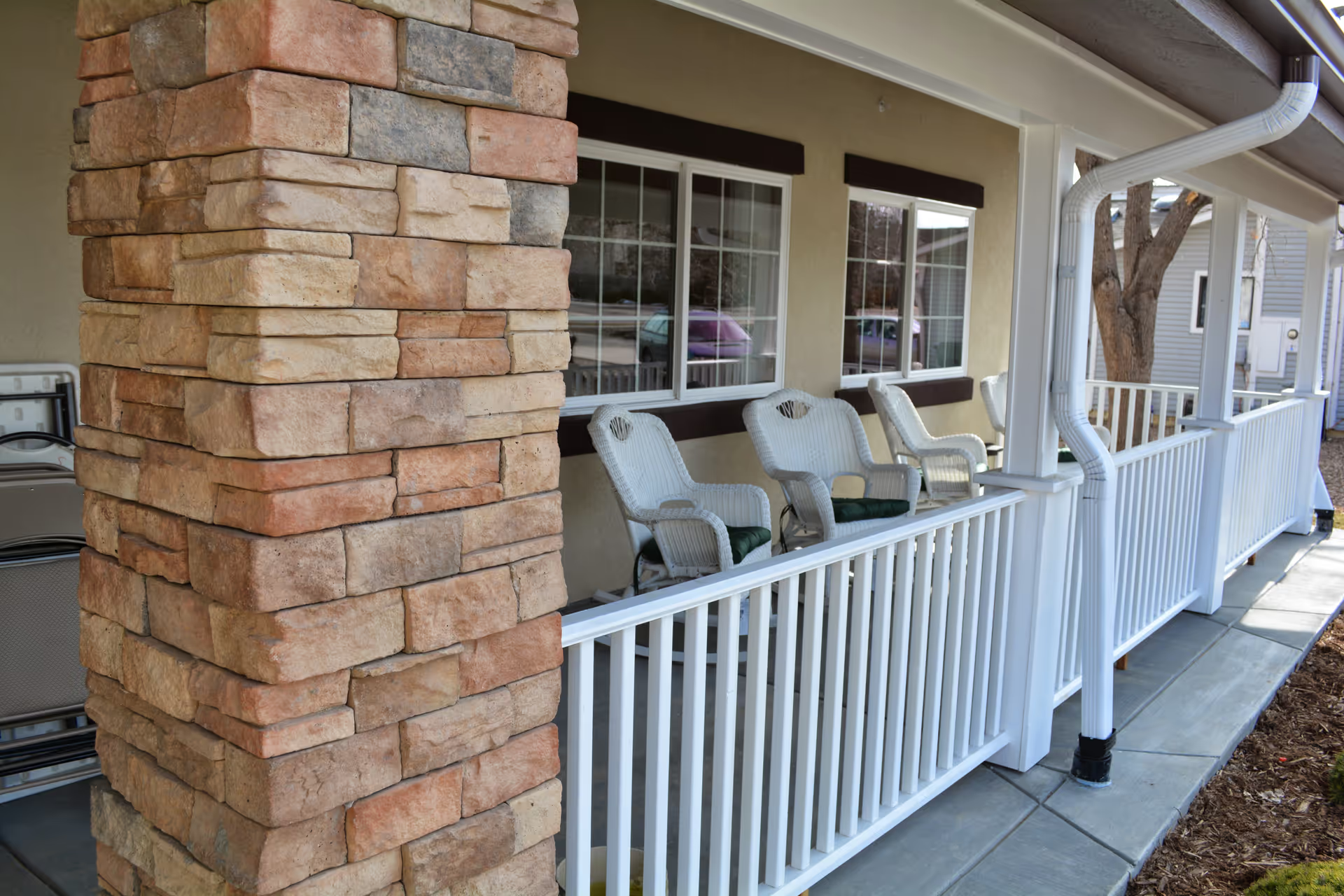
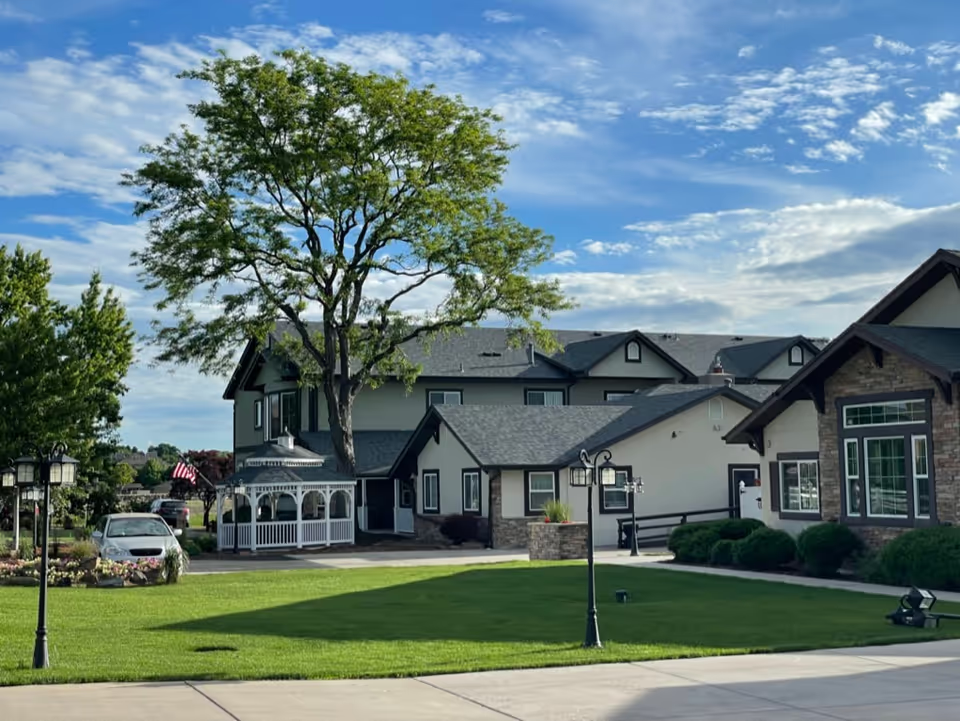
Concordia on the Lake is consistently described as a well-located independent-living community with a strong physical environment and an active social life. The campus offers lakeside views, attractive landscaping, walking paths, and a collection of redecorated buildings and cottages. Apartments are frequently praised for being bright, spacious, well-equipped with storage and updated appliances, and many units include full kitchens. On-site amenities such as a library, exercise space, and a movie/theater room contribute to a residential environment that residents and families find comfortable and convenient.
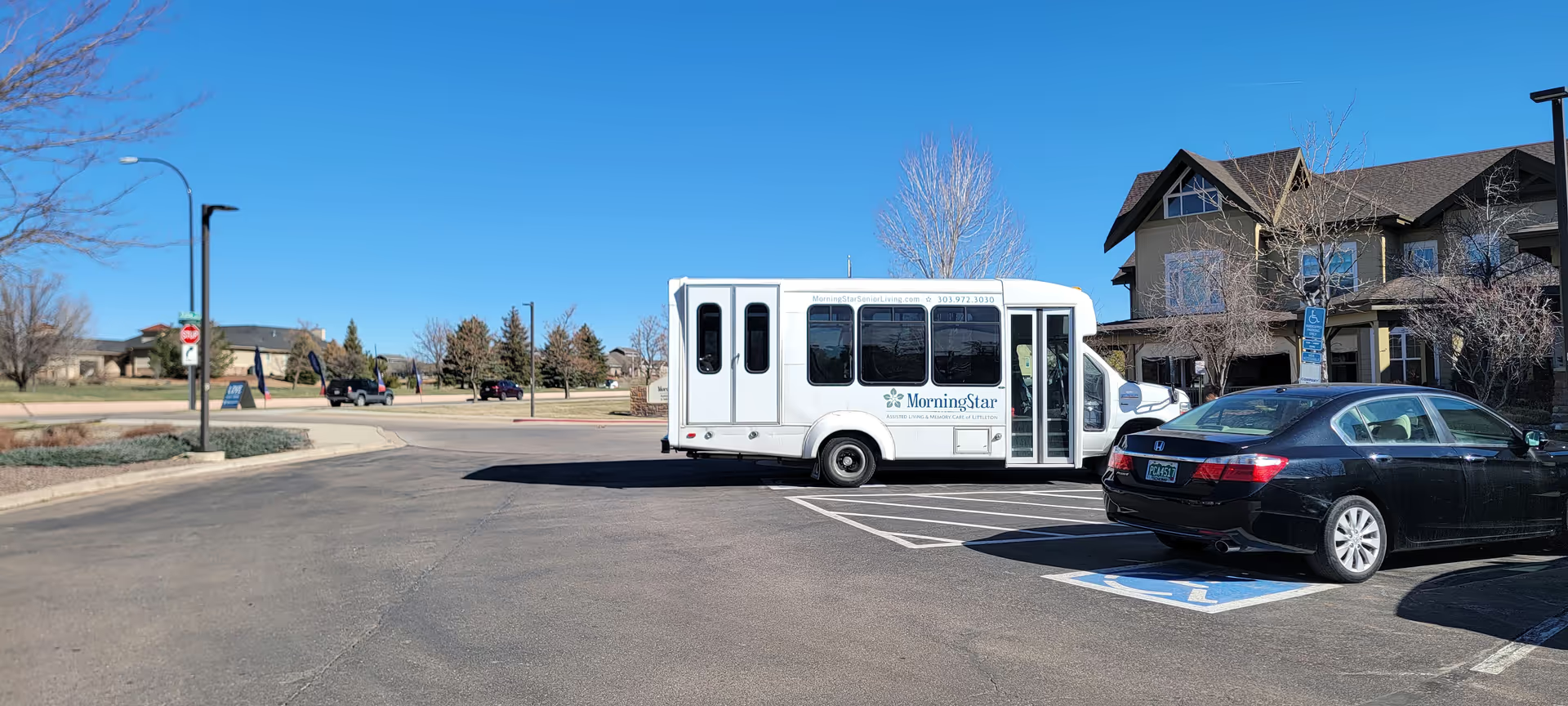
The community’s activity program is a prominent strength. Reviewers describe a wide variety of on-campus programming and off-campus outings that include cultural events, concerts, theater and Broadway trips, museum visits, casino and scenic trips, and regular bus trips for shopping. Regular transportation and a shuttle program are noted as practical supports for residents who do not drive. Residents commonly report strong social connections, weekly housekeeping, proactive infection-control measures, and a welcoming atmosphere that facilitates friendships and engagement.
Staff and direct-service interactions are generally framed positively: many accounts emphasize friendly, caring, and personalized attention from caregivers, maintenance responsiveness, and staff who know residents by name. These strengths underpin perceptions of safety and day-to-day support. Dining context varies by unit type; while the community operates primarily as independent living with in-unit kitchens, reviewers also reference multiple dining options and accommodations such as low-salt menus and occasional meal delivery programs.
Areas of operational concern cluster around leadership, staffing, and maintenance continuity. Several reviewers describe a marked change in experience associated with a management transition, citing frequent leadership turnover and reductions in services and activities. That transition is linked to higher staff turnover, reports of less experienced employees, and disorganization in event planning that has resulted in cancellations or limited off-campus opportunities. Administrative communication and transparency are recurrently cited as weak points, including limited reception coverage and inconsistent responsiveness to resident questions and complaints.
Safety and exterior maintenance have specific traction in the feedback. Winter snow and ice management, including sidewalk and parking access, is repeatedly identified as a gap in operational performance, with reviewers highlighting the need for improved winter-safety protocols and more reliable exterior maintenance. Financial and policy matters are also a source of concern for some families: reviewers mention rent and fee increases, higher guest-suite costs, and perceived policy shifts that some residents interpret as affecting inclusivity or resident relations. A few accounts describe abrupt lease-enforcement or move-out handling; these are presented as examples of uneven resident-relations practices rather than uniform policy.
In summary, Concordia on the Lake offers a strong physical setting, attractive apartments, a robust activity calendar, and many staff strengths that support daily life and social engagement. Prospective residents and families should weigh these operational strengths against recent reports of leadership instability, staffing turnover, communication gaps, and winter-maintenance shortcomings. Those considering the community may find it helpful to ask directly about current leadership stability, staff training and turnover metrics, procedures for outing coordination, winter-safety plans, and recent changes to fees or guest policies before committing.