Care quality: Review content emphasizes strong hands-on care, particularly for residents with dementia and for those receiving end-of-life services. Caregivers are described as compassionate, consistent, and willing to coordinate with hospice, suggesting established clinical pathways for memory-care needs and palliative collaboration. Ownership and on-site staff are portrayed as willing to address individual care needs when engaged.
Staff: The facility earns frequent praise for caring, attentive staff and good interpersonal connections between residents and caregivers. Comments highlight staff pride in capability and helpfulness, with specific mentions of friendly and attentive team members. However, there are notable concerns about inconsistent professionalism and the tone used in some staff–family interactions; reviewers indicate that certain staff responses and program-related communication have at times been unprofessional. This creates a mixed pattern where clinical care is generally strong but family-facing communication can vary.
Dining: Review summaries contain little direct information about dining quality or menu variety. Prospective families should request meal samples and inquire about menu cycles and special-diet accommodations during a tour to judge food-service quality directly.
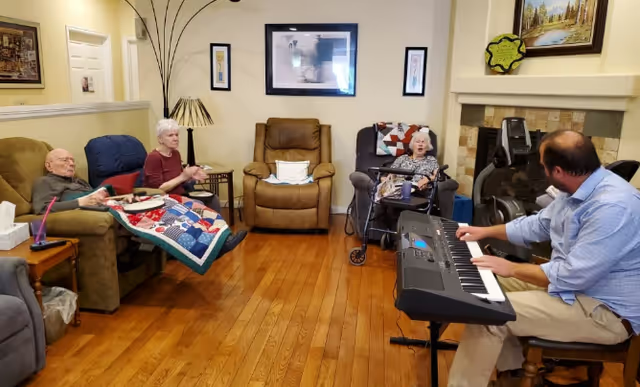
Activities: Programming is described as fun, informative, and engaging. Reviewers note opportunities for social connection and staff-led activities that contribute to a home-like atmosphere. Training-related classes (QMAP) are referenced; while some reviewers found instructional staff competent, others raised concerns about the administration and customer-service aspects of those programs.
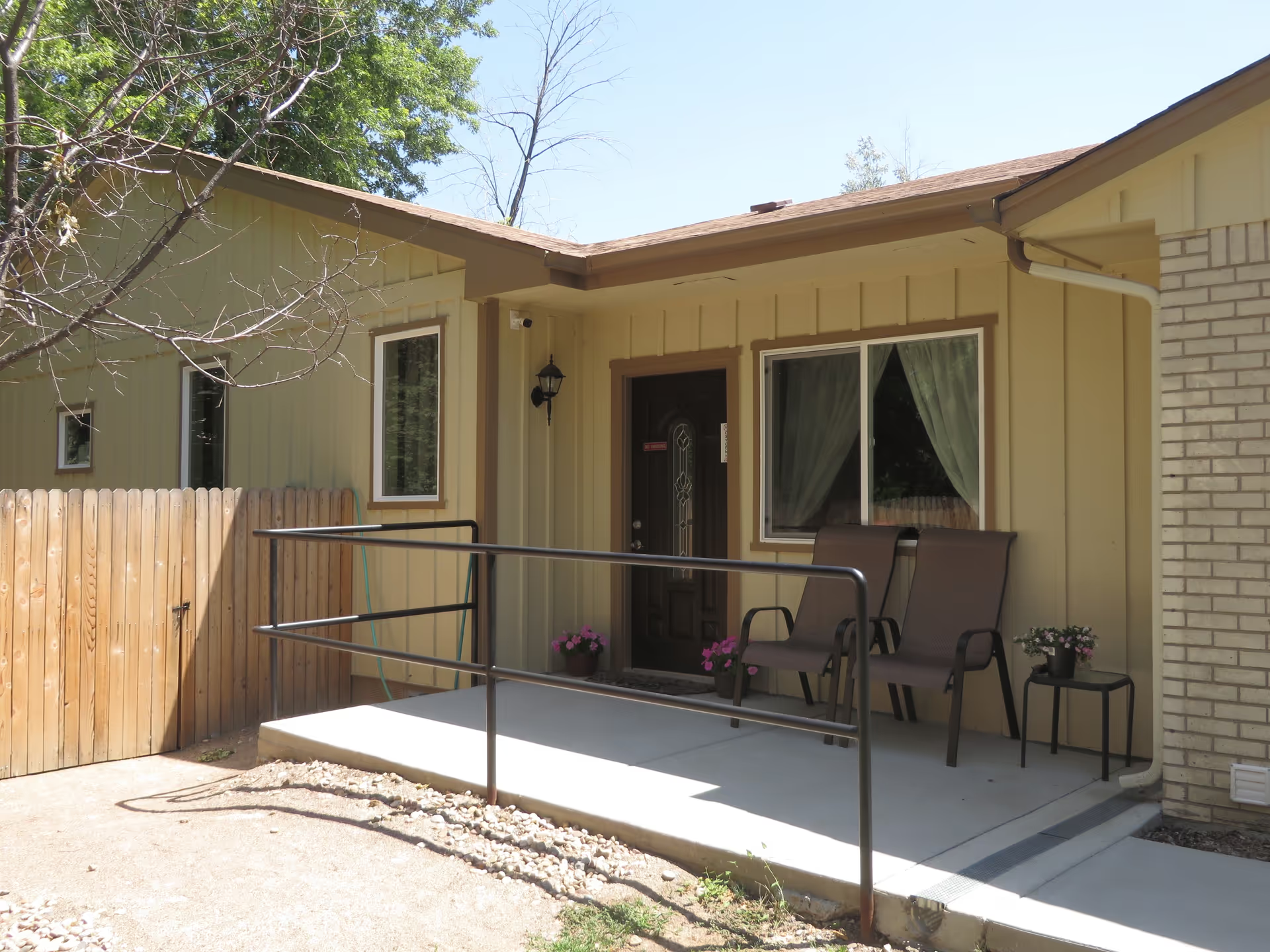
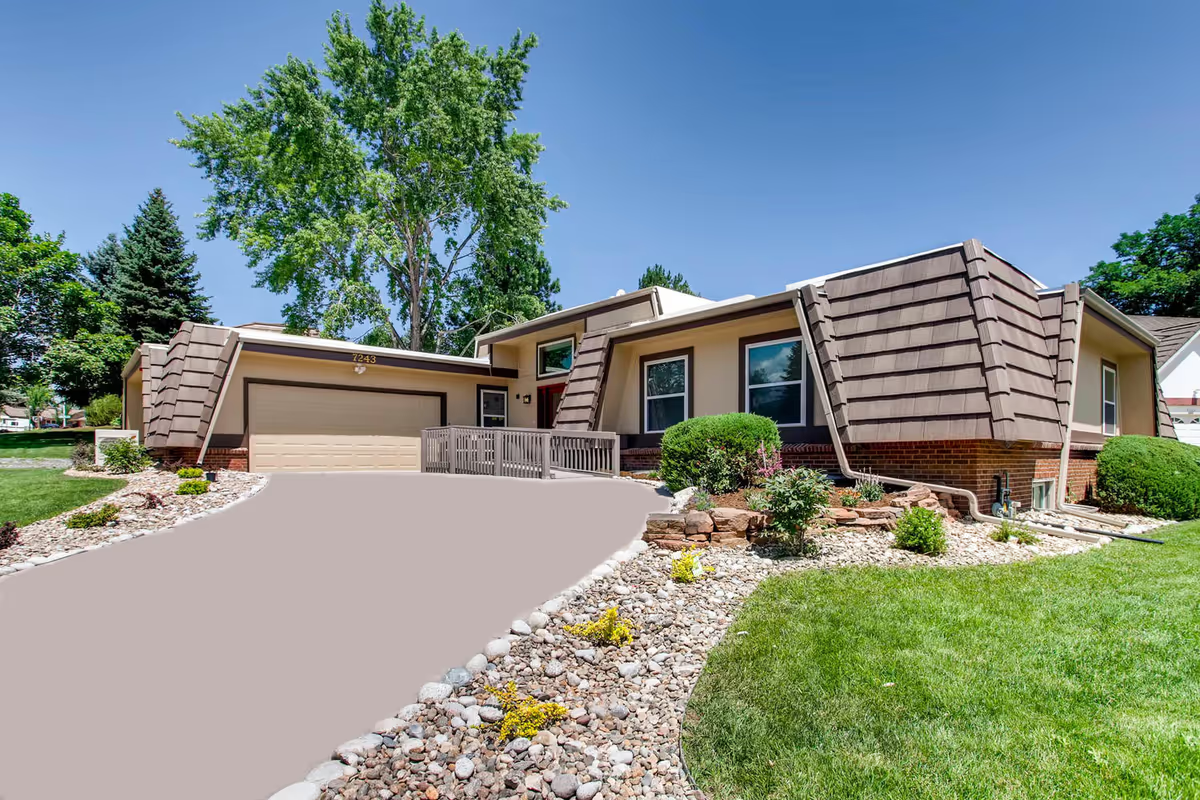
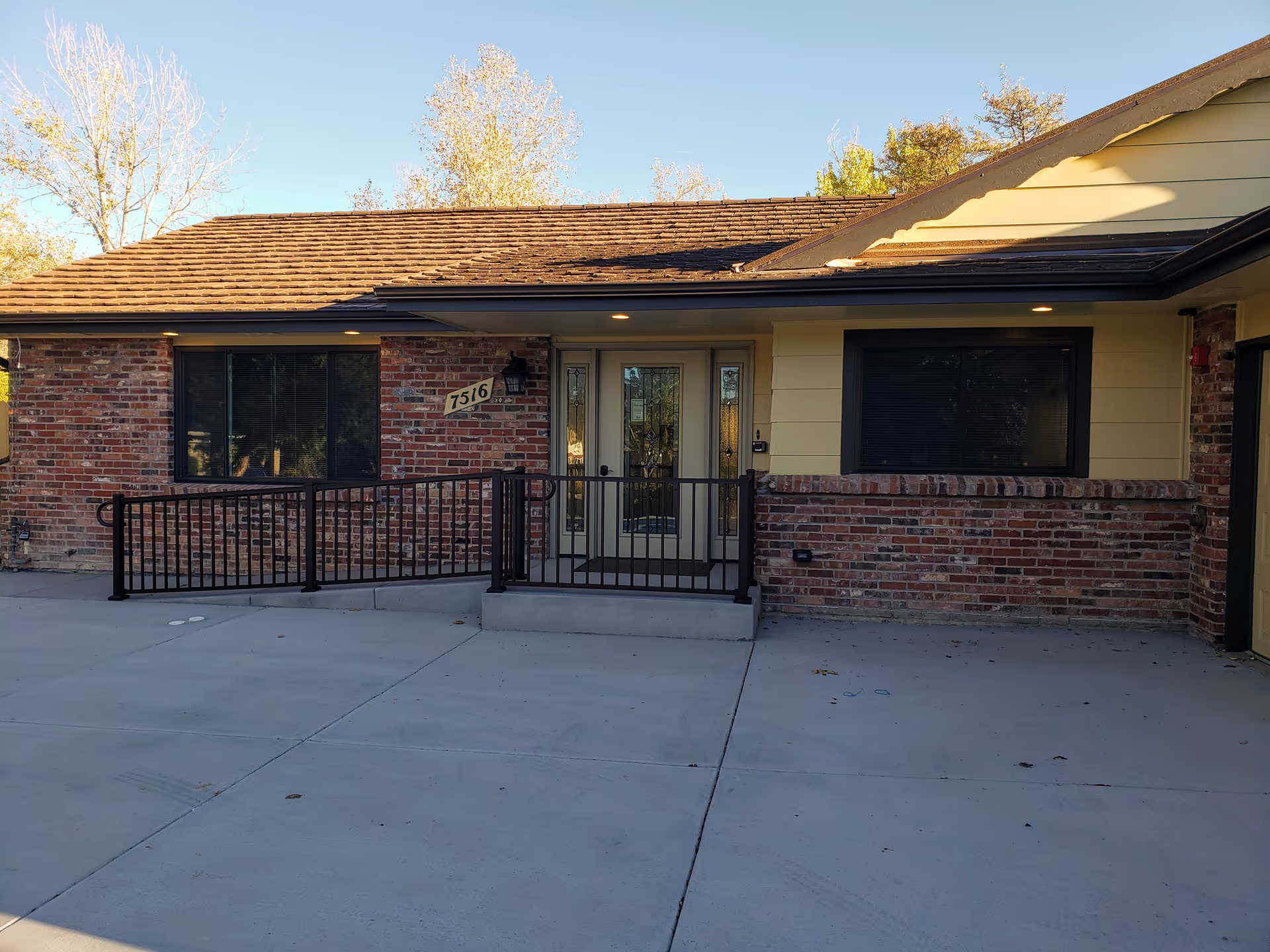
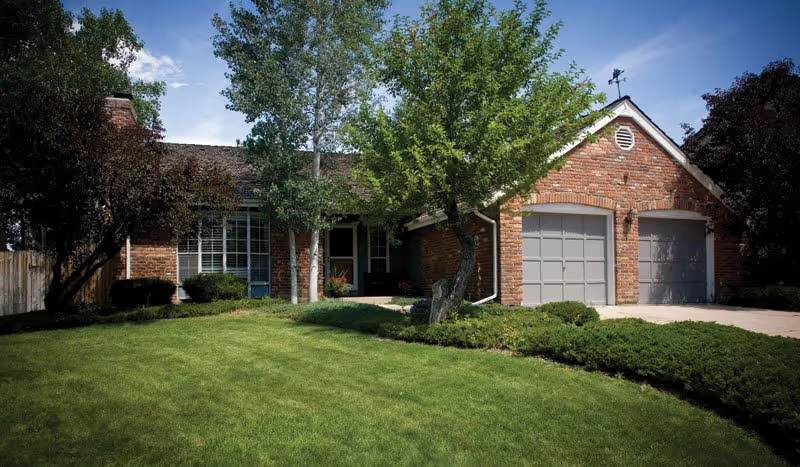
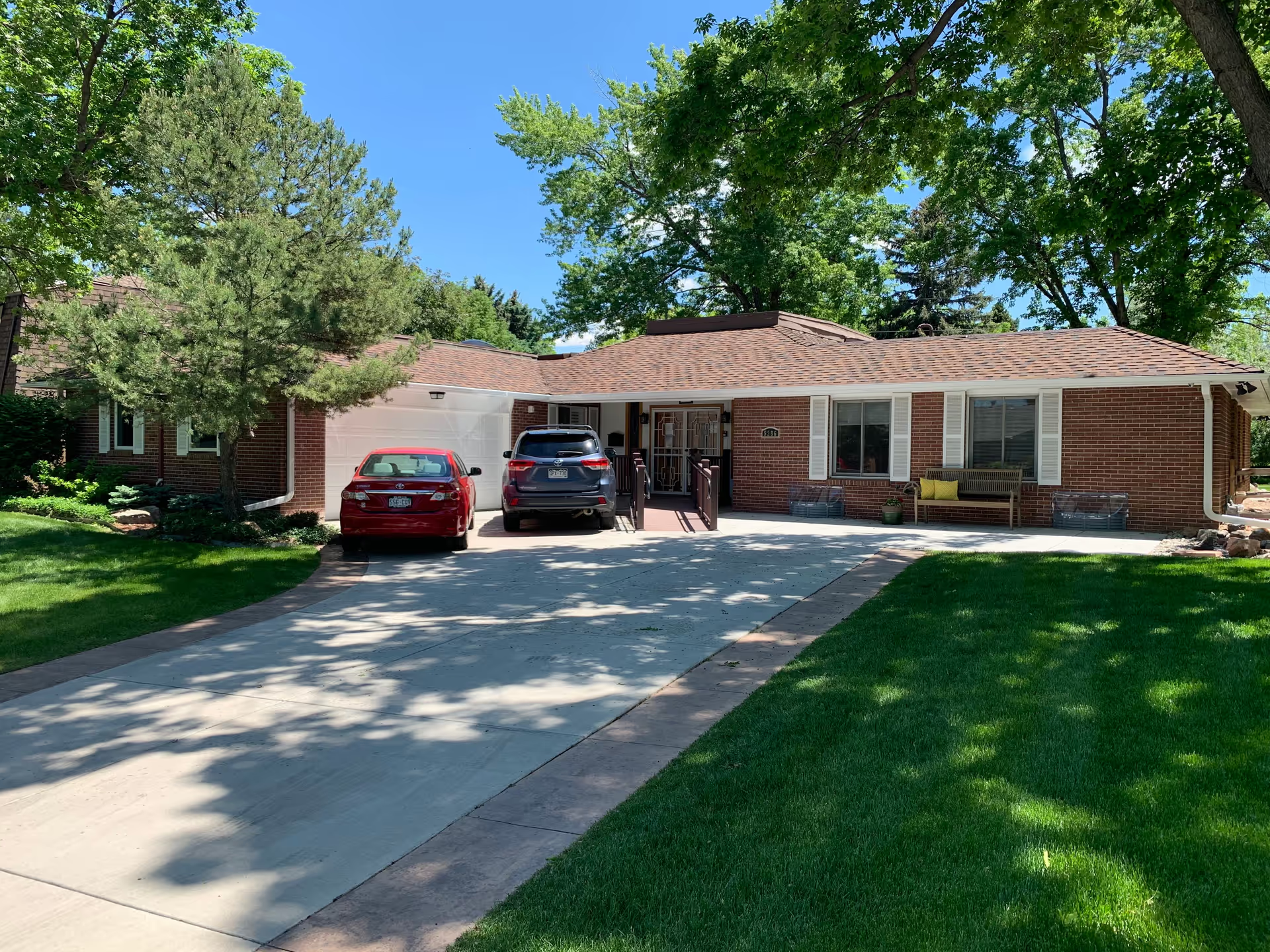
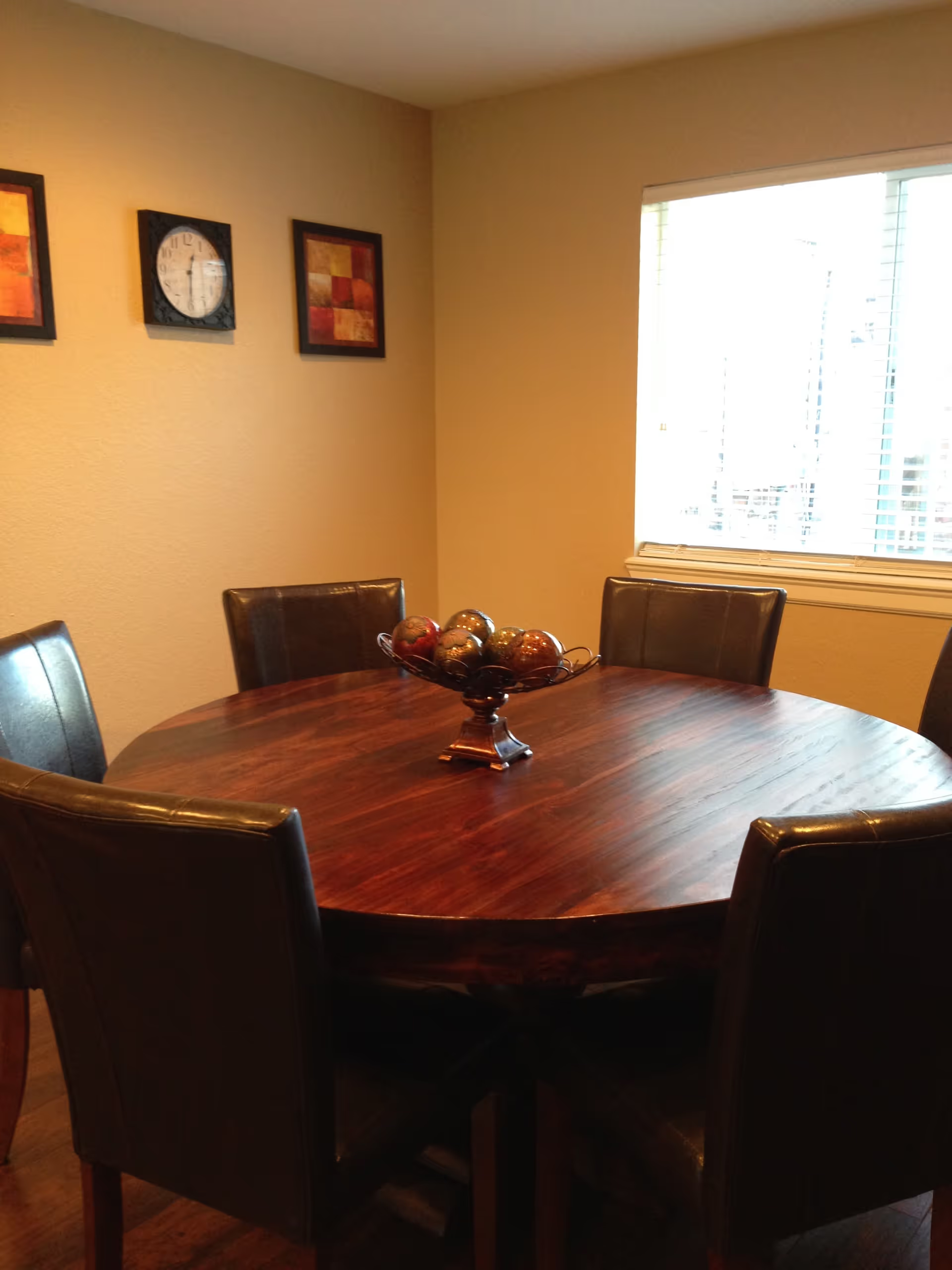
Facilities: The physical environment is frequently described as clean and well maintained, with specific references to a spotless interior and a fresh scent in common areas. The overall feel is characterized as home-like rather than institutional, which appears to support social engagement and resident comfort.
Management and operations: Several summaries praise management accessibility and timely communication, including 24/7 availability and rapid response to care concerns. At the same time, other comments identify operational weaknesses: difficulty escalating issues to supervisors, unsatisfactory handling of program administration (notably around QMAP classes), and unclear processes for refunds or dispute resolution. These operational gaps relate less to direct caregiving and more to customer-service and administrative procedures.
Notable patterns and recommendations: The dominant pattern is of a facility that provides attentive, compassionate care within a clean, home-like environment, supported by owners and staff who are willing to intervene for resident needs. Counterbalancing this are recurring administrative and communication weaknesses — inconsistent professionalism in some staff interactions and unclear escalation and dispute processes — which may affect family confidence more than day-to-day clinical care. Prospective residents and families should consider an in-person visit focusing on: observing staff–resident interactions, asking for specifics about dementia and hospice coordination, sampling meals, and clarifying written policies for escalation, refunds, and program administration (including QMAP). Asking for references from current families and examples of how prior concerns were resolved can also help assess responsiveness and managerial follow-through.