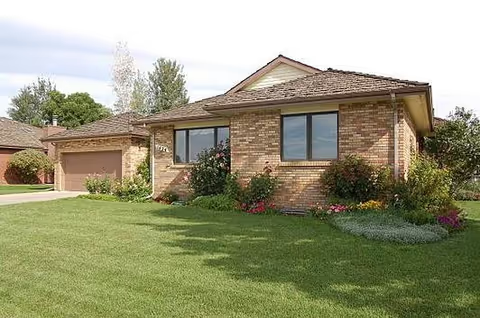
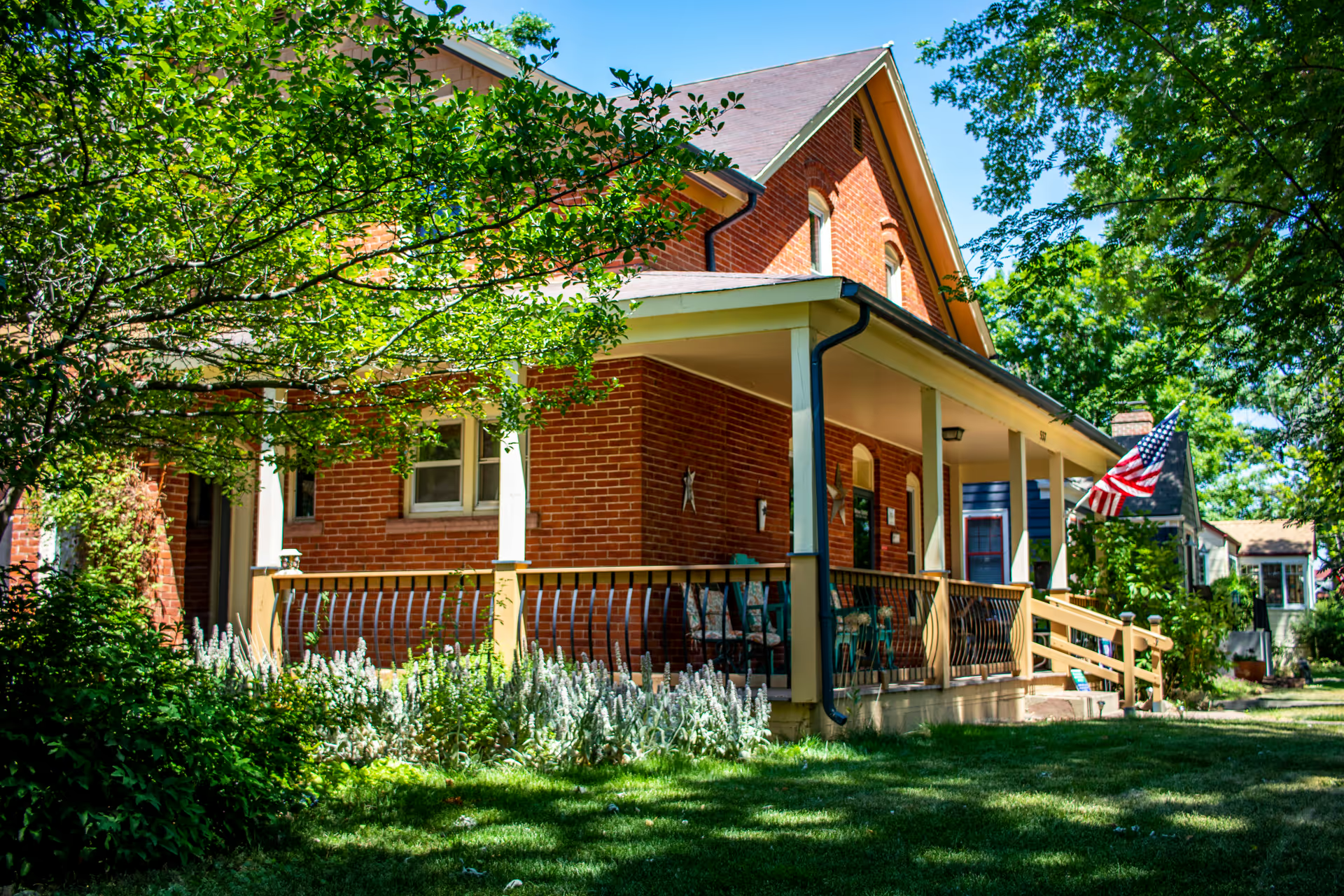
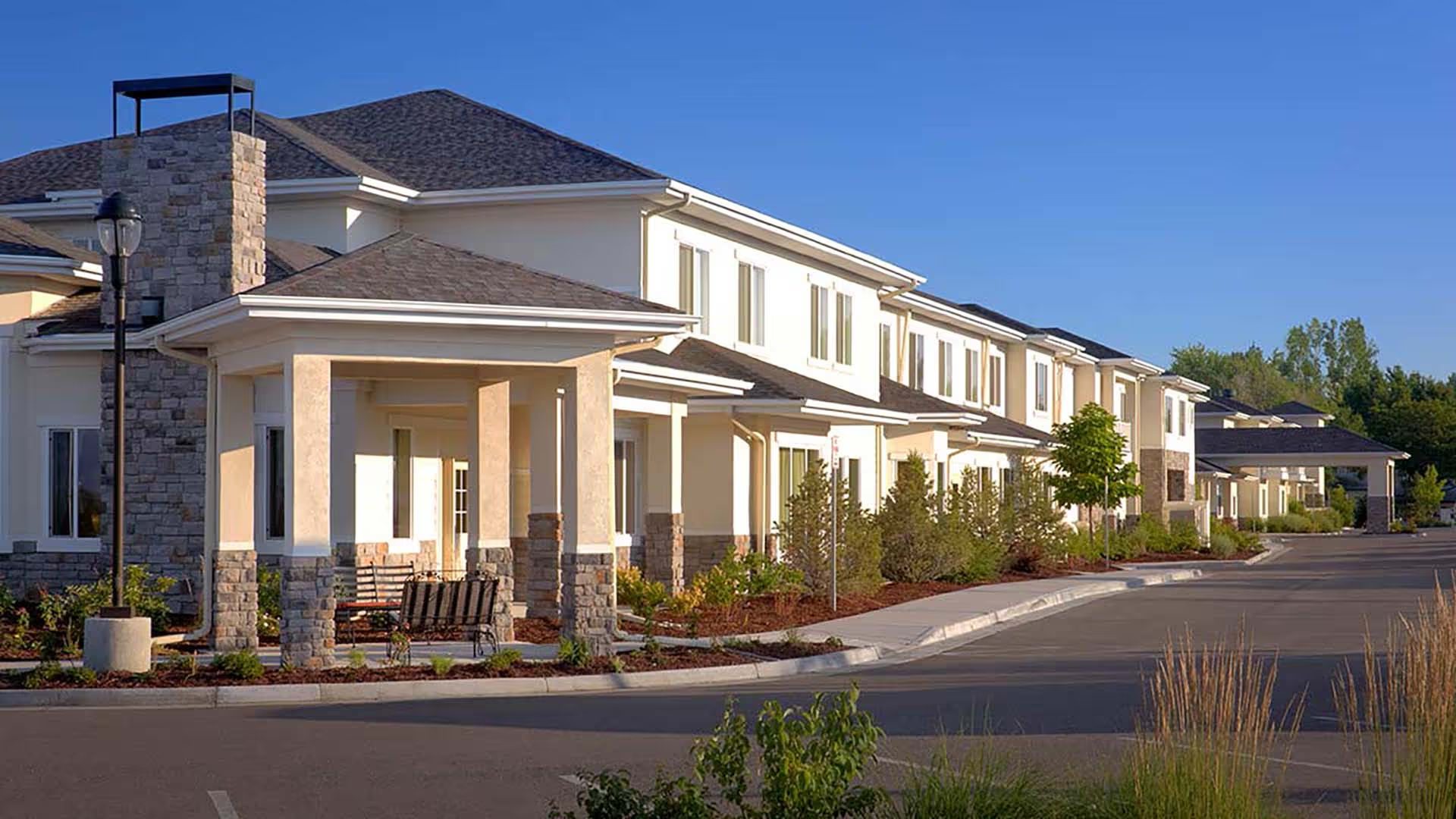
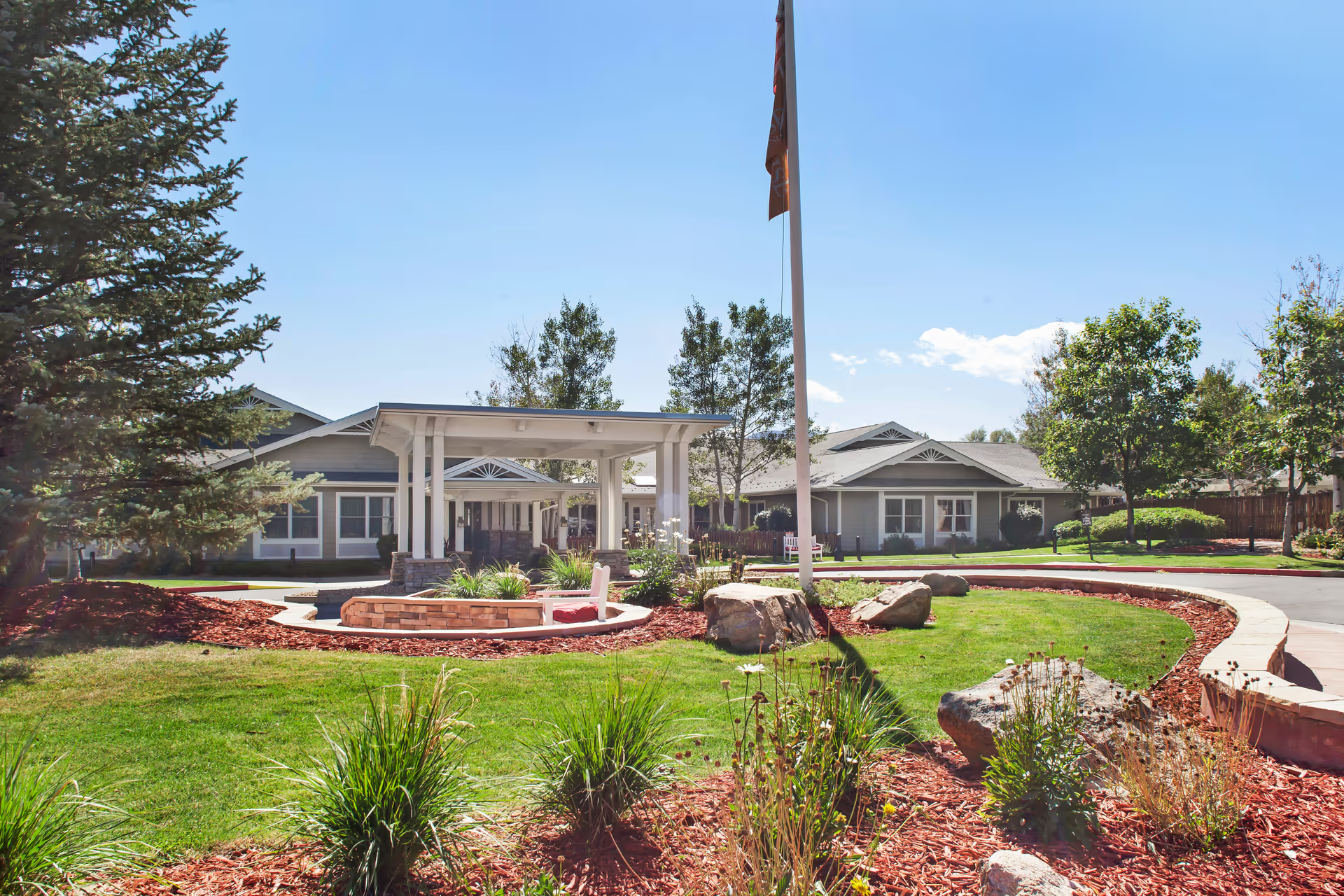
Overall impression: Reviewers portray Brookdale Longmont as a small, home-like assisted living community with a consistent emphasis on personal relationships and an active program of services. A dominant theme is the facility’s small scale and residential atmosphere: many families and residents describe friendly, personable staff who learn residents’ names, provide individualized attention, and create a family-like environment. The property is frequently described as well kept, with attractive common spaces and an appealing central courtyard or patio that supports outdoor socializing.
Care and staff: Care quality is frequently praised—staff are described as compassionate, responsive, and available around the clock. Several accounts highlight effective medication management and prompt assistance with falls or acute needs. At the same time, there are recurrent concerns about inconsistent staff conduct and morale: while many reviewers note helpful and attentive employees, others report curt or less-helpful interactions. These patterns suggest variability in frontline staff performance and occasional employee-relations challenges that may affect the resident experience.
Dining and housekeeping: Dining is generally presented as a strength, with restaurant-style service, varied menus, and appropriate portioning for residents. Snacks and room-delivery service are also mentioned positively. However, a subset of reviewers described variable meal quality or less-satisfactory dishes at times, indicating inconsistent culinary execution across shifts or days. Housekeeping is often highlighted as regular and thorough, but some families raised issues with housekeeping oversight, lost clothing, and sanitation or odor concerns in specific areas—pointing to unevenness in environmental services.
Activities and social life: The activity program receives consistent positive mention. Residents have access to a broad range of offerings—bingo, exercises, card games, crafts, ice-cream socials, barbecues, guest speakers, and outings—which contributes to engagement and social connection. The small community size allows for intimate programming and regular group interaction, though some reviewers noted social-fit issues for certain residents who found the community quieter or less stimulating than expected.
Facilities and layout: The campus is described as attractive and residential, with clean interiors and a welcoming dining room and courtyards. Unit layouts tend toward apartment-style living with private bathrooms, which many families prefer. A common downside is the limited in-room space; several reviewers described rooms as small or compact, and building configurations (single-story versus multi-story) may present accessibility considerations for prospective residents.
Management and operations: Management and leadership draw both praise and criticism. Many reviewers cite informative, responsive leadership and helpful admissions interactions that eased transitions. Conversely, there are operational concerns including perceived gaps in care-level assessment, transfer coordination, and communication when residents’ needs change. Financial transparency is another recurring theme—families reported separate care fees, additional charges, and a need for clearer billing explanations. Additionally, a few comments about staff treatment and morale suggest potential impacts on continuity of care and service consistency.
Who this may suit and recommended due diligence: Brookdale Longmont appears well suited to people seeking a smaller, community-oriented assisted living setting with active programming, attentive staff, and apartment-style living. Prospective residents and families should, however, confirm key operational details during tours: ask for specifics about care-level assessment and transfer protocols, review housekeeping and personal property procedures, verify meal-schedule consistency, clarify all fees and payer acceptance (Medicaid not accepted), and inquire about staff turnover and morale. These checks will help determine whether the facility’s strengths align with a particular resident’s care needs and social preferences.