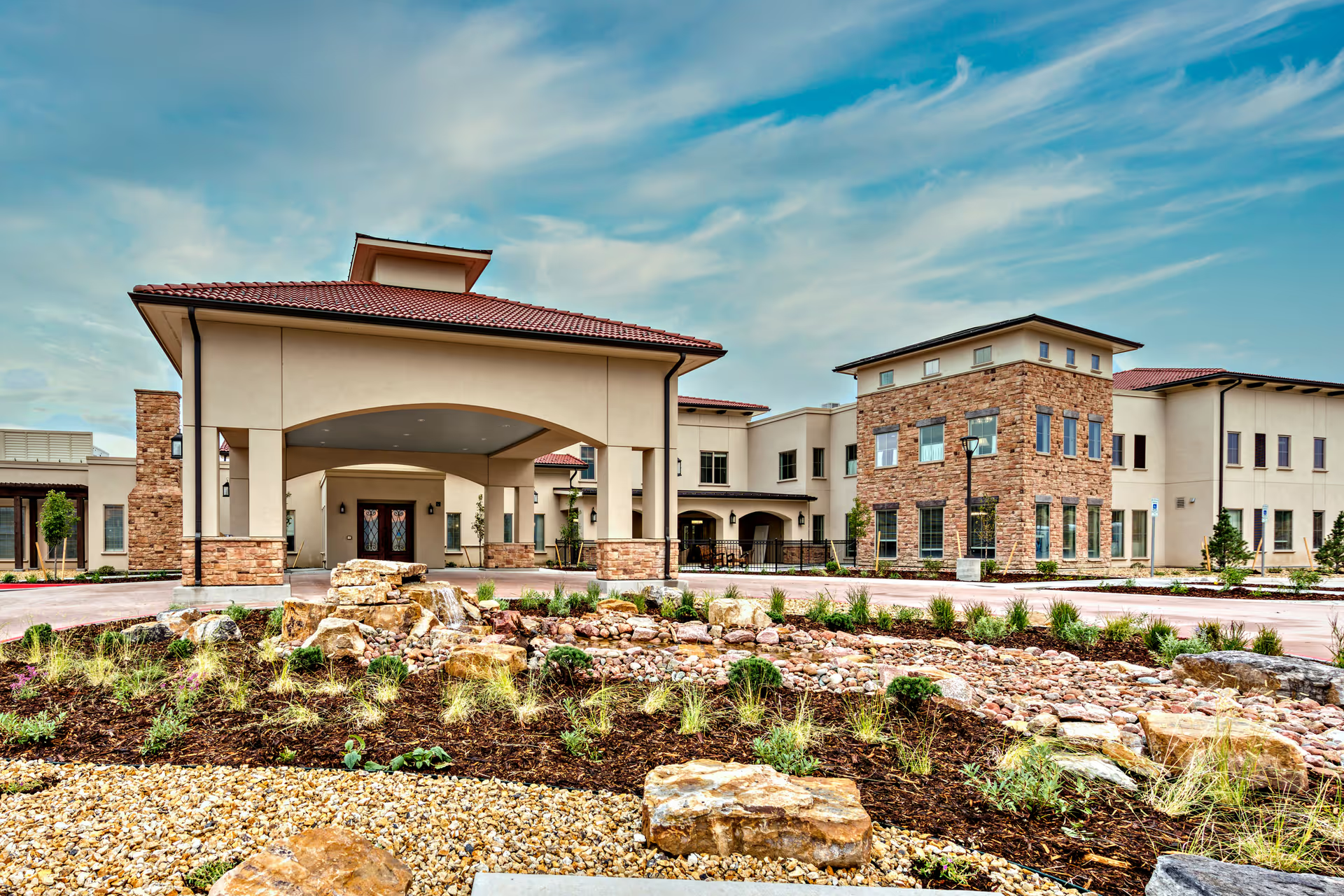
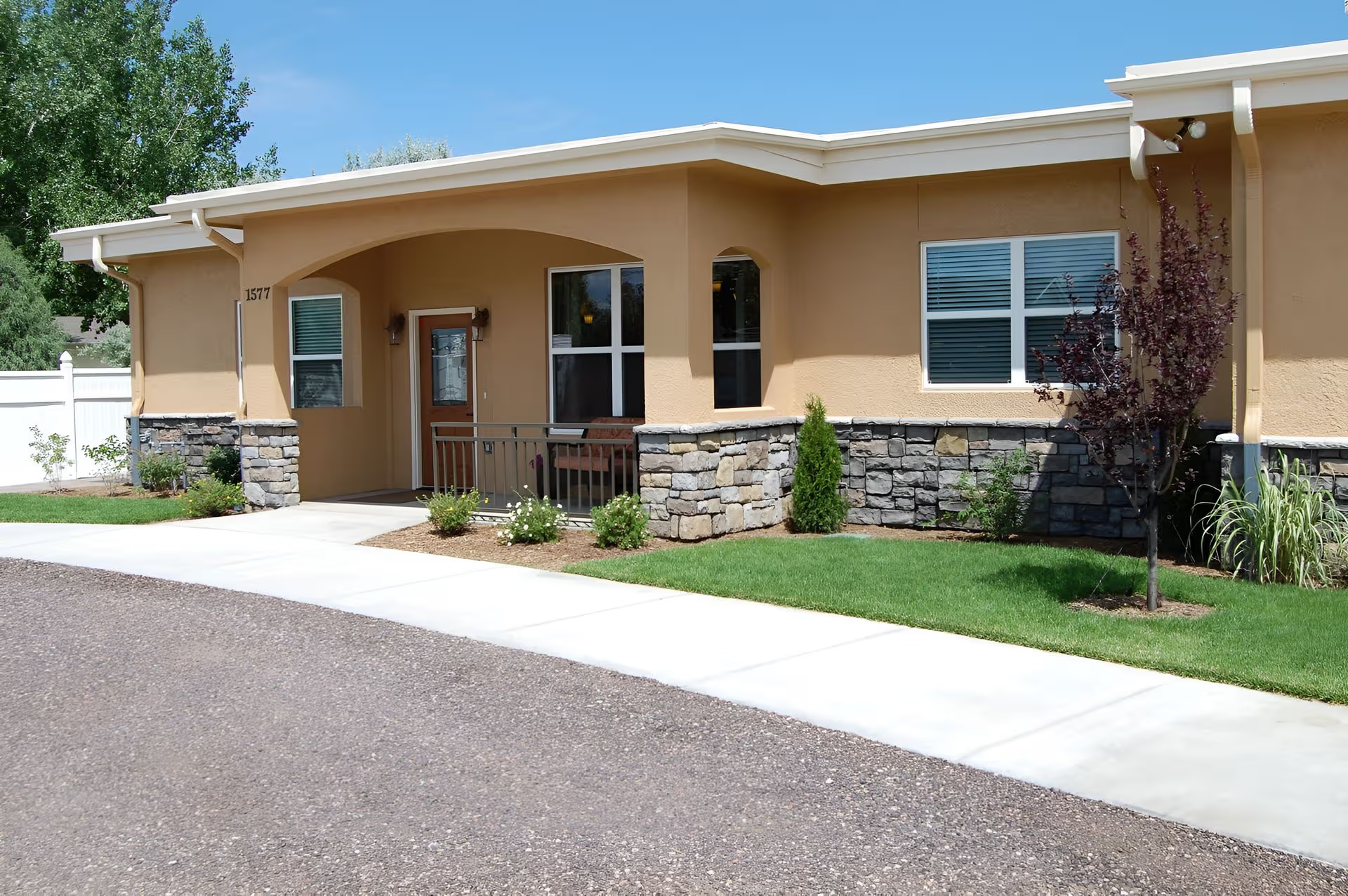
Bethesda Gardens Monument is often praised for its clean, attractive setting and welcoming, small-community feel. Families describe a thoughtfully designed, one-level building with bright rooms, pleasant shared spaces, and a layout that can be easy to navigate for some residents. The compact design and friendly atmosphere help residents become familiar with one another, though the scale may not suit everyone, including people who need extensive space for walking or who find the building difficult to navigate because of low vision.
Feedback about care and staff is positive overall but notably mixed, particularly in memory care. Many families describe caregivers as kind, attentive, and personally invested, and some say staff helped residents adjust and feel at home. Other accounts raise concerns about inconsistent attention to memory-care residents, delays in answering help requests, and whether residents are routinely supported to attend meals. Families also describe staff learning roles at a newer facility and recurring turnover among nursing and other leaders. These differences suggest that care experiences may depend on the unit, staffing, and individual support needs.
Dining reviews range from very positive to critical. Residents and families often appreciate varied menus, daily choices, and staff willingness to offer alternatives. Other feedback raises concerns about meal quality and whether food is consistently adapted for residents who have difficulty chewing or need help with food preparation. One family also described occasional laundry-service and bedding-handling inconsistencies. These comments point to variation in how individual preferences and practical care requirements are carried out.
Activities are a commonly cited strength. Reviews describe music, games, arts and crafts, outings, exercise, church services, and opportunities to socialize. However, families have also questioned whether scheduled activities are consistently delivered in memory care and whether residents who need assistance can participate as readily as more independent assisted-living residents. The community’s overall activity offerings appear broad, while access and consistency may vary by resident and care area.
Management and communication receive both praise and criticism. Some families report prompt answers, clear move-in processes, and responsive help with transitions; others describe repeated follow-up being needed, limited health updates, or concerns about consistency in care practices. Leadership turnover is a recurring concern, and one family questioned a substantial fee increase after reassessment. Families should clarify pricing, staffing arrangements, response procedures, medication practices, fall-prevention plans, and how activities and dining adaptations are provided in memory care. The community is generally described as attractive and caring, but reviewers also note limits in its ability to serve residents who need skilled nursing or more intensive support.