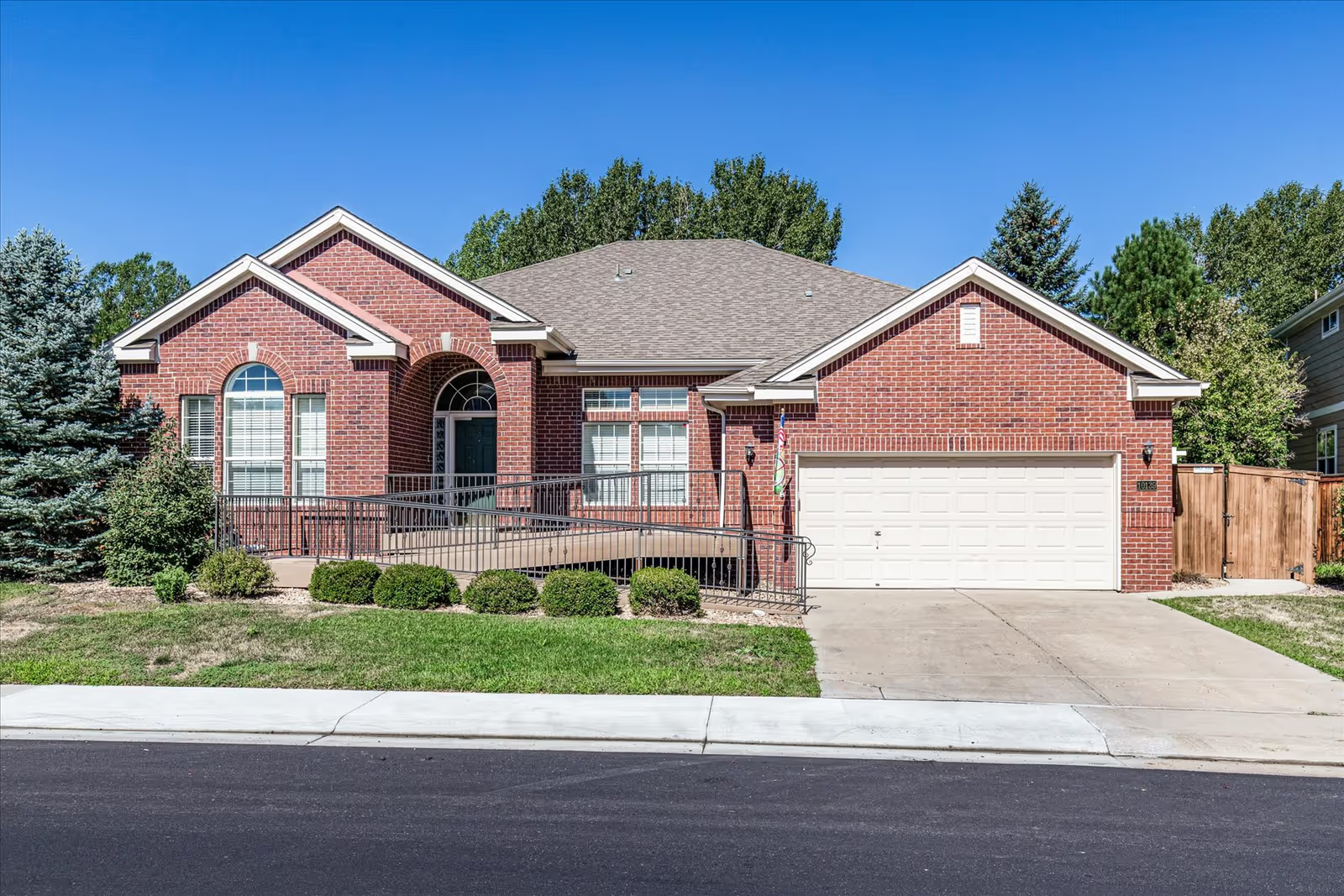
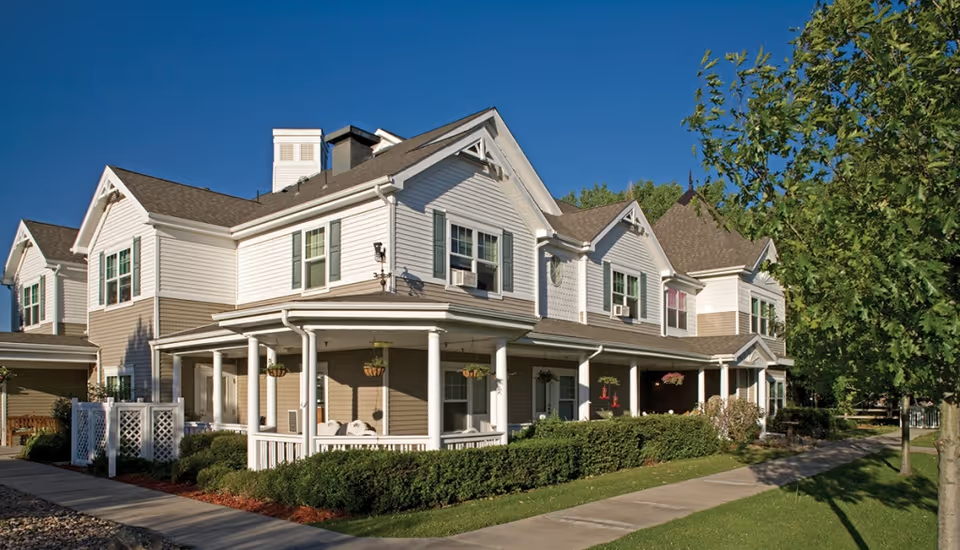
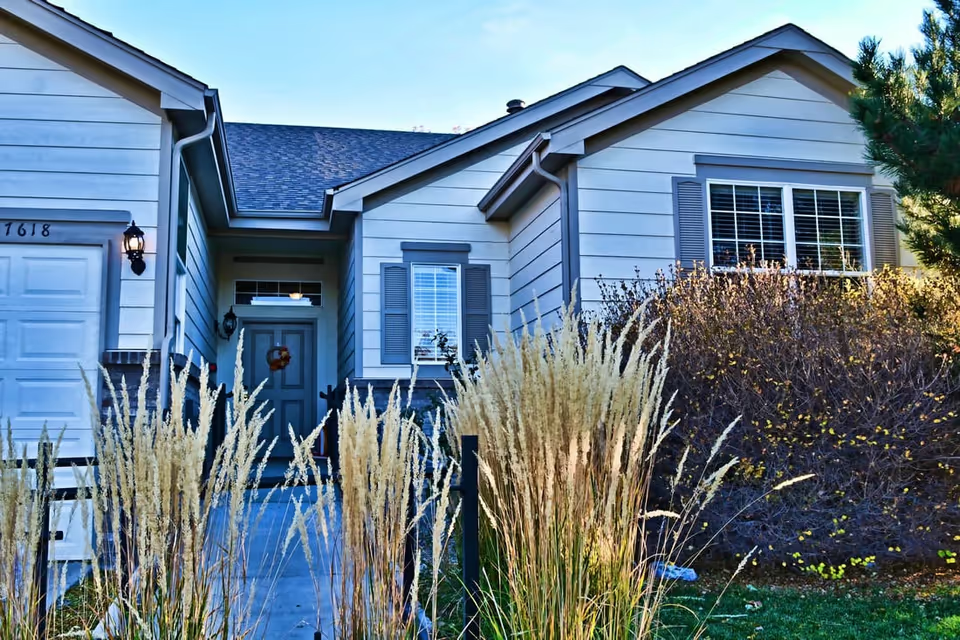
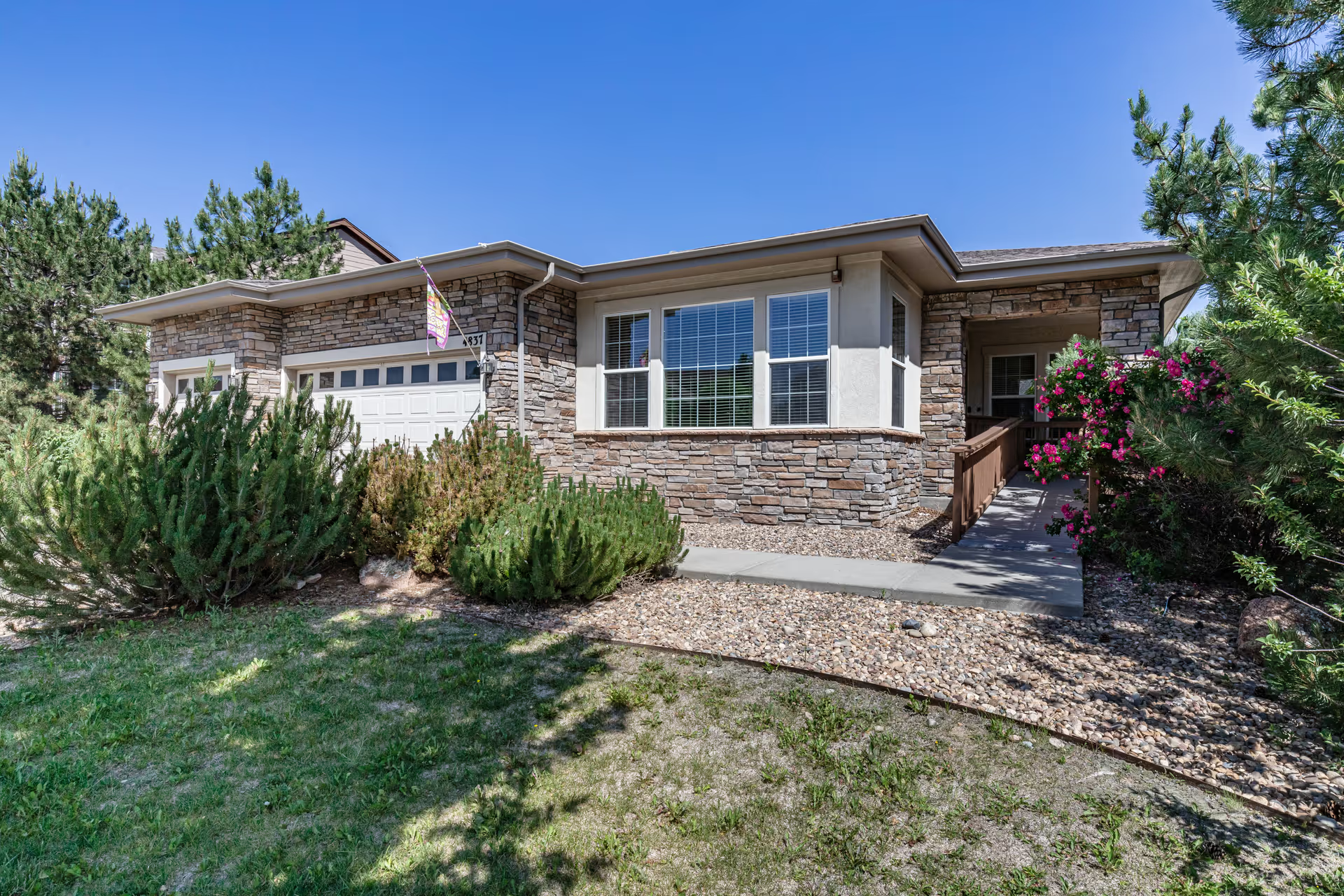
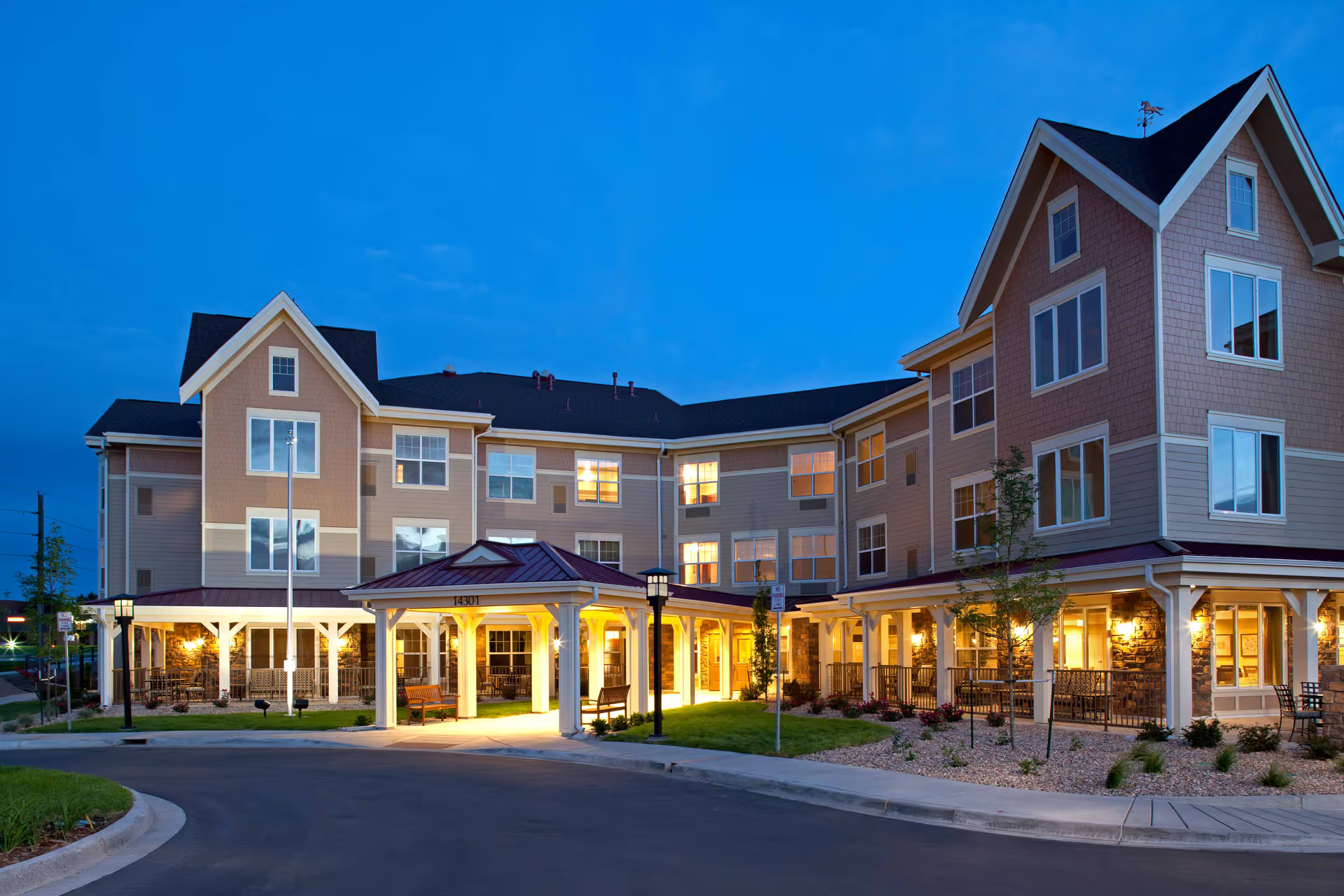
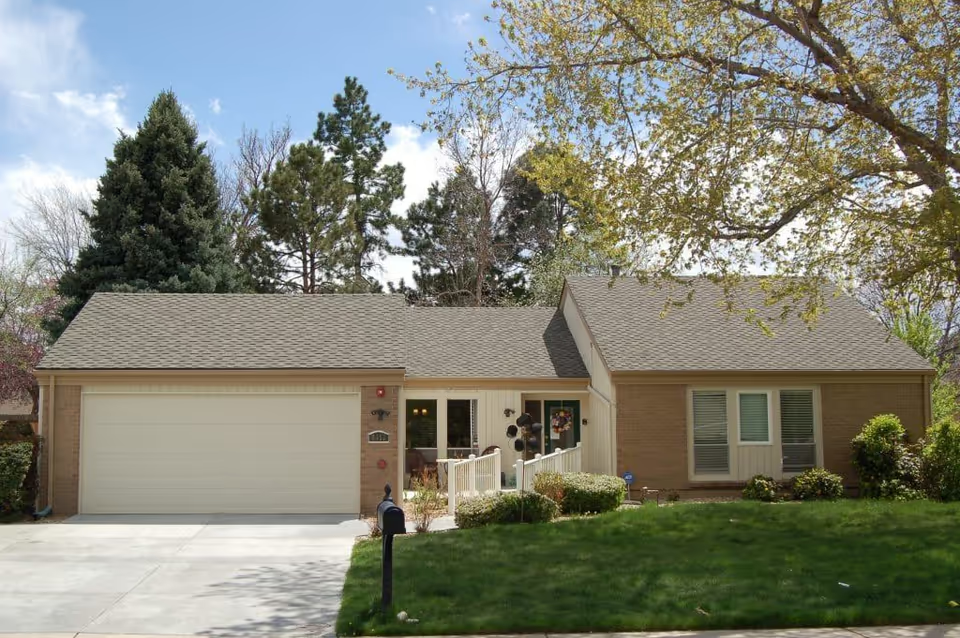
BeeHive Homes Assisted Living presents as a small, family-owned facility with a strong home-like character. Many families describe personalized, attentive caregiving and a compassionate staff culture; caregivers are frequently noted as engaged with residents in daily life and activities, and owners are described as accessible and involved. Physical attributes of the property—clean rooms and common areas, private-room availability, ranch-style architecture, and mountain views—are commonly praised, and long-term residency appears to be well supported.
Care quality is frequently characterized as attentive and individualized, with staff involvement in social activities (for example, playing games with residents) and hands-on family communication cited as strengths. Dining receives generally positive remarks about home-cooked, appealing meals, and the facility’s small size is seen as conducive to familiarity among residents and staff. Cleanliness and maintenance are recurring positives, reinforcing the community’s home-like presentation.
At the same time, several operational concerns appear across reviews and warrant attention. There are indications of high staff turnover and inconsistent caregiver assignments, which can reduce continuity of care. Reviewers also described instances suggesting weaknesses in staff-conduct oversight and enforcement of conduct policies. Safety-system reliability was questioned in specific reports about alarm malfunctions; combined with staffing constraints, this has in some cases led to restricted outdoor access or limited resident activities. Dining quality also appears variable for some families, with differences in perception about meal preparation and freshness.
Management and communication are areas with mixed feedback. While the owners are generally seen as compassionate and involved, some families reported difficulty resolving disputes, unclear protocols around legal/POA matters, and restricted family access in particular situations. There are also isolated allegations involving legal or access disputes that prospective families may wish to explore directly with management. These patterns suggest opportunities for stronger formal policies on visitation, clearer dispute-resolution processes, more rigorous maintenance of safety systems, and improved staff training and retention strategies.
For prospective residents and families, the facility’s strengths are its intimate scale, personalized attention, visible caregiver engagement, and well-maintained, home-like setting. Important questions to raise during a tour include caregiver staffing stability and assignment practices, safety/system maintenance schedules, specific visitation and POA policies, sample menus and meal-service routines, and how the community documents and communicates about critical incidents. Gathering direct answers on these operational points will provide a clearer picture of how the praised, family-oriented aspects are supported by day-to-day procedures and oversight.