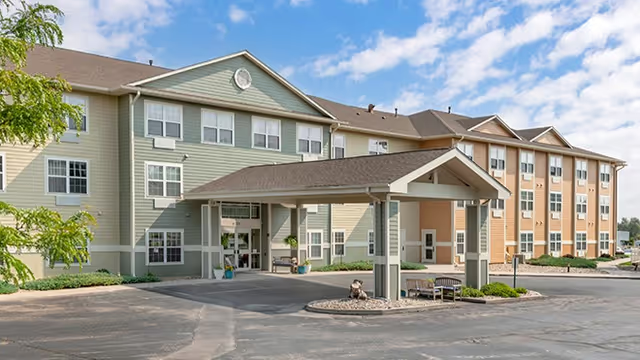
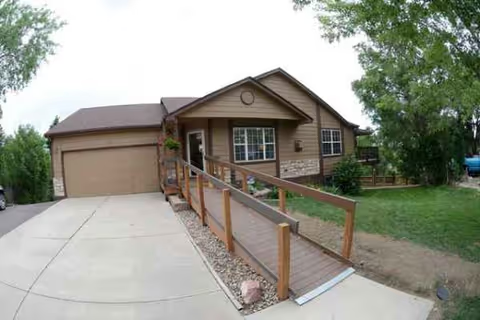
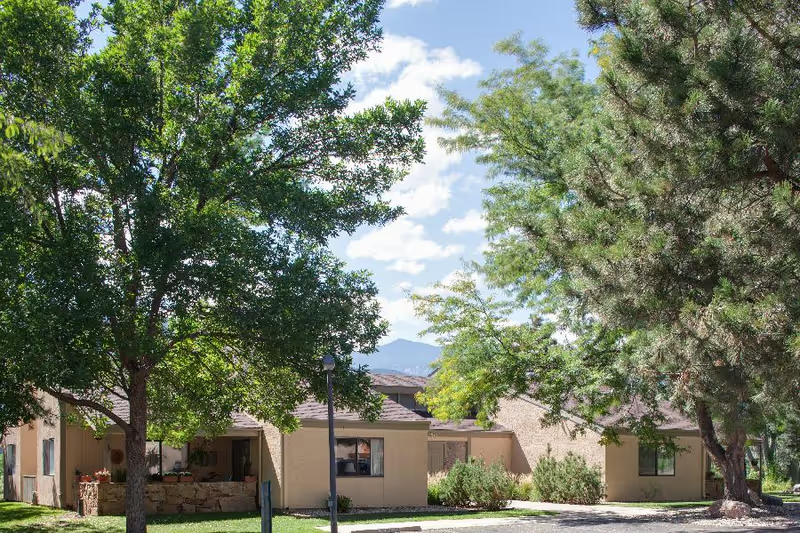
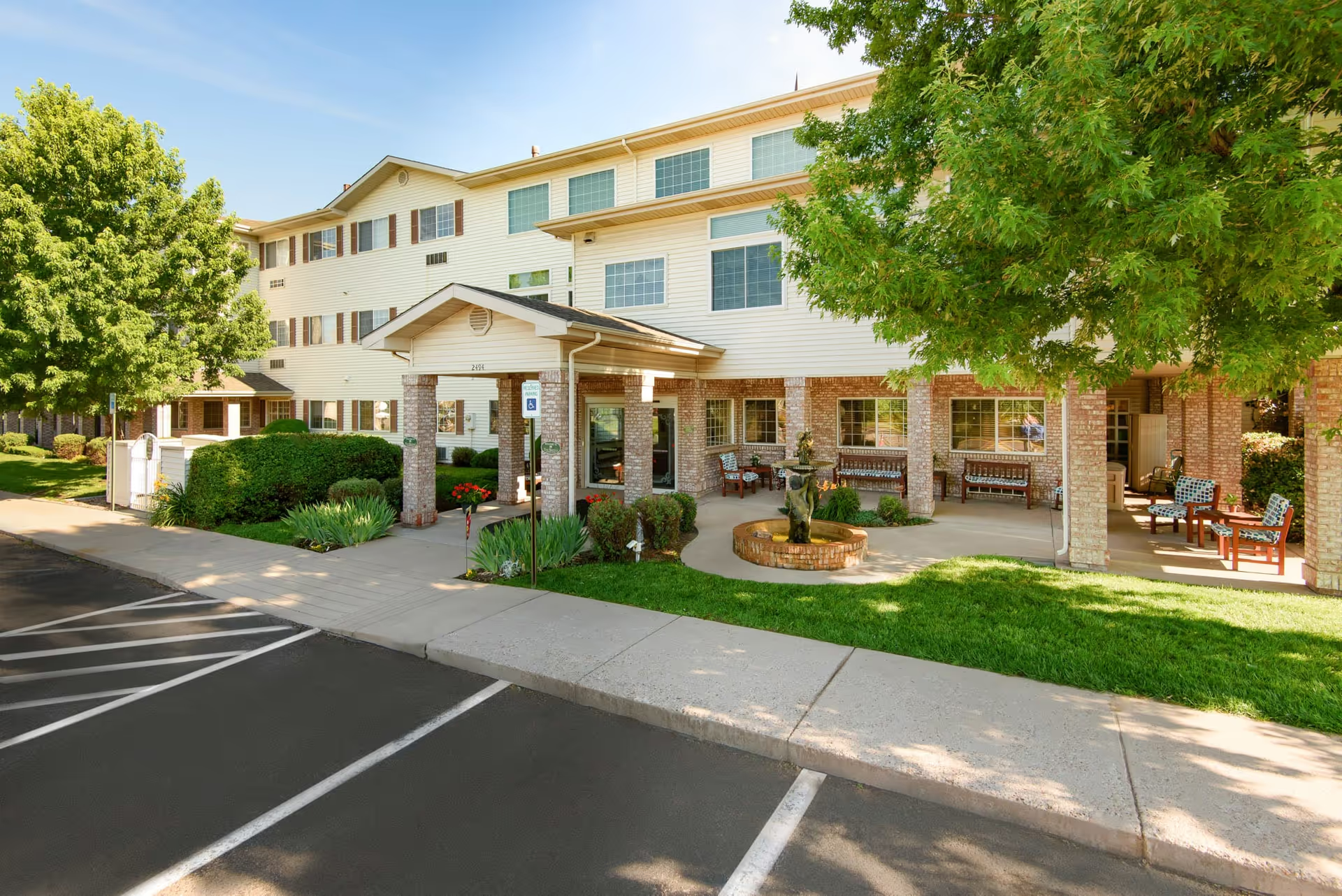
The reviews present a polarized picture of Bonaventure of Pueblo: many families and residents describe a modern, well-maintained campus with abundant amenities and a warm, social atmosphere, while others describe operational and clinical breakdowns that materially affected resident care. Overall, the facility clearly offers strong physical infrastructure — theater, fitness spaces, a pub/game room, chapel, and large, bright apartments — and several staff members (notably the activities director and several named caregivers) receive consistent praise for engagement and personalized attention.
Care quality and staffing are the most recurrent concerns. Positive accounts indicate caring, attentive direct-care staff and available on-site therapies. Contrasting accounts describe high turnover, especially in memory-care, periods without licensed nursing oversight, inconsistent medication administration, delayed responses to clinical requests, and inconsistent personal-care routines. Several reviews raise clinical-safety questions tied to supervision and mobility assistance in higher-acuity units; these patterns suggest variability in clinical processes and the supervision model from one unit or shift to another.
Dining and activities are also mixed. Many reviewers praise the dining areas, family-style service, and social meal settings; others note abrupt reductions in menu variety, portion issues, and occasional interruptions to meal service. The activities program is frequently called out as a strength when well-staffed and led (with strong endorsements for the activities director), but activity availability and participation vary by unit — particularly in the locked memory-care area, where families reported fewer or less-appropriate offerings.
Facility condition and operations show both strengths and weaknesses. The property and common areas are widely described as clean and attractive, and maintenance is responsive in multiple accounts. At the same time, reviewers flagged unresolved repair items, malfunctioning elevators or call systems at times, and inconsistent availability of basic supplies. Several accounts point to reduced services and restricted visitation during infection-control periods, which influenced resident socialization and family access.
Management, communication, and financial practices generate sizable concern alongside praise. Some families describe clear, helpful communication and proactive leadership, while others describe frequent executive-level turnover, dismissive or unresponsive management behavior, confusing or unfulfilled sales promises, and opaque billing. Specific financial issues include a non-refundable community fee, unexpected charges, and a few serious allegations concerning billing and account handling; these latter claims merit careful verification through documentation and follow-up with regulatory or ombudsman resources.
Notable patterns: positive experiences cluster around strong direct-care relationships, an active activities program, and well-maintained amenities. Negative experiences cluster around inconsistent staffing, lapses in clinical oversight (especially in memory care), medication and personal-care inconsistencies, and management/billing opacity. Prospective residents and families should validate current staffing ratios and licensed-nurse coverage, ask about turnover rates and dementia-care training, review written medication and incident-response protocols, obtain a clear itemized fee schedule and refund policy, and observe activity programming in the specific unit under consideration. Given the variability in experiences, an on-site visit, direct conversations with floor staff, and consultation with the local long-term-care ombudsman are advisable before making a placement decision.