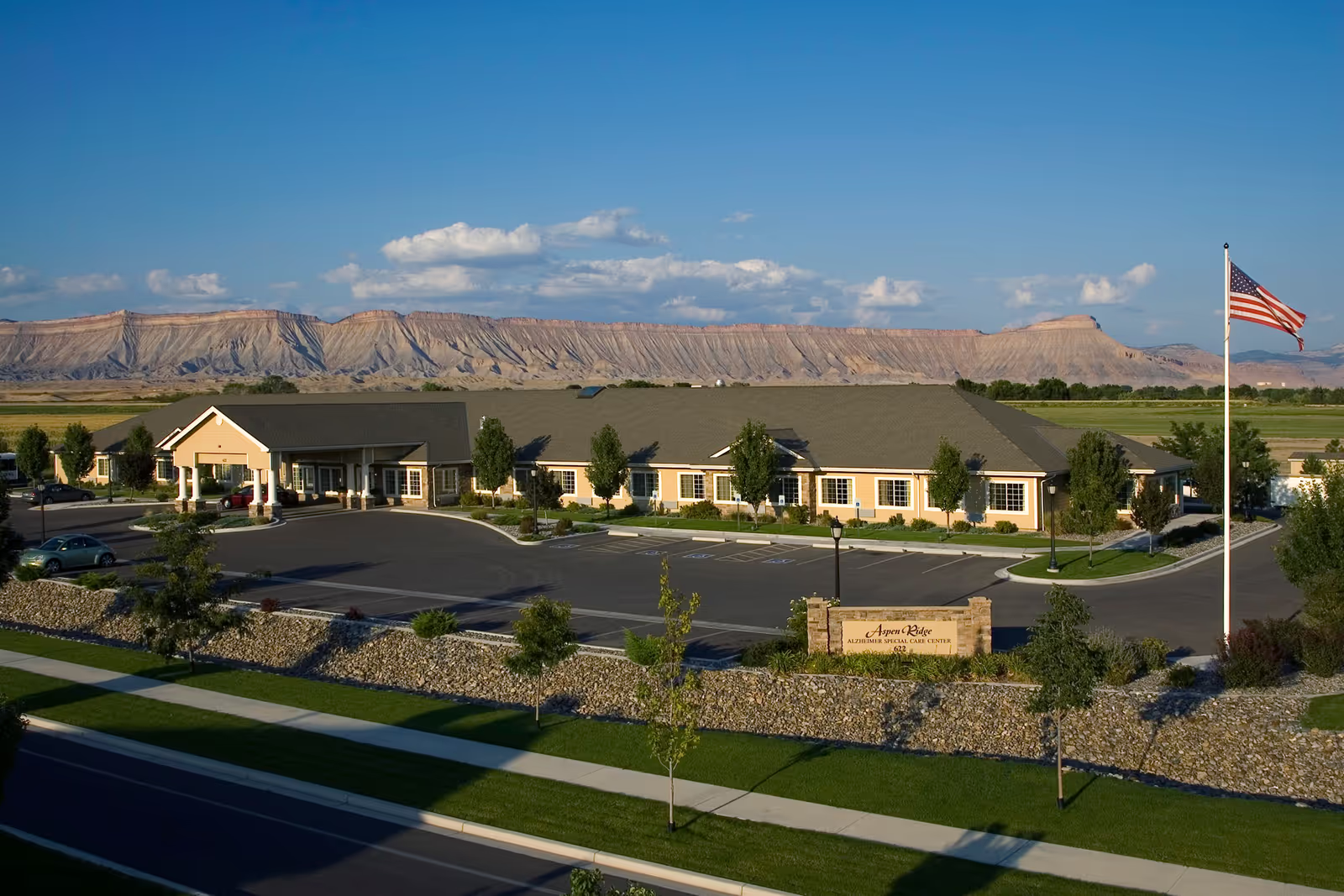
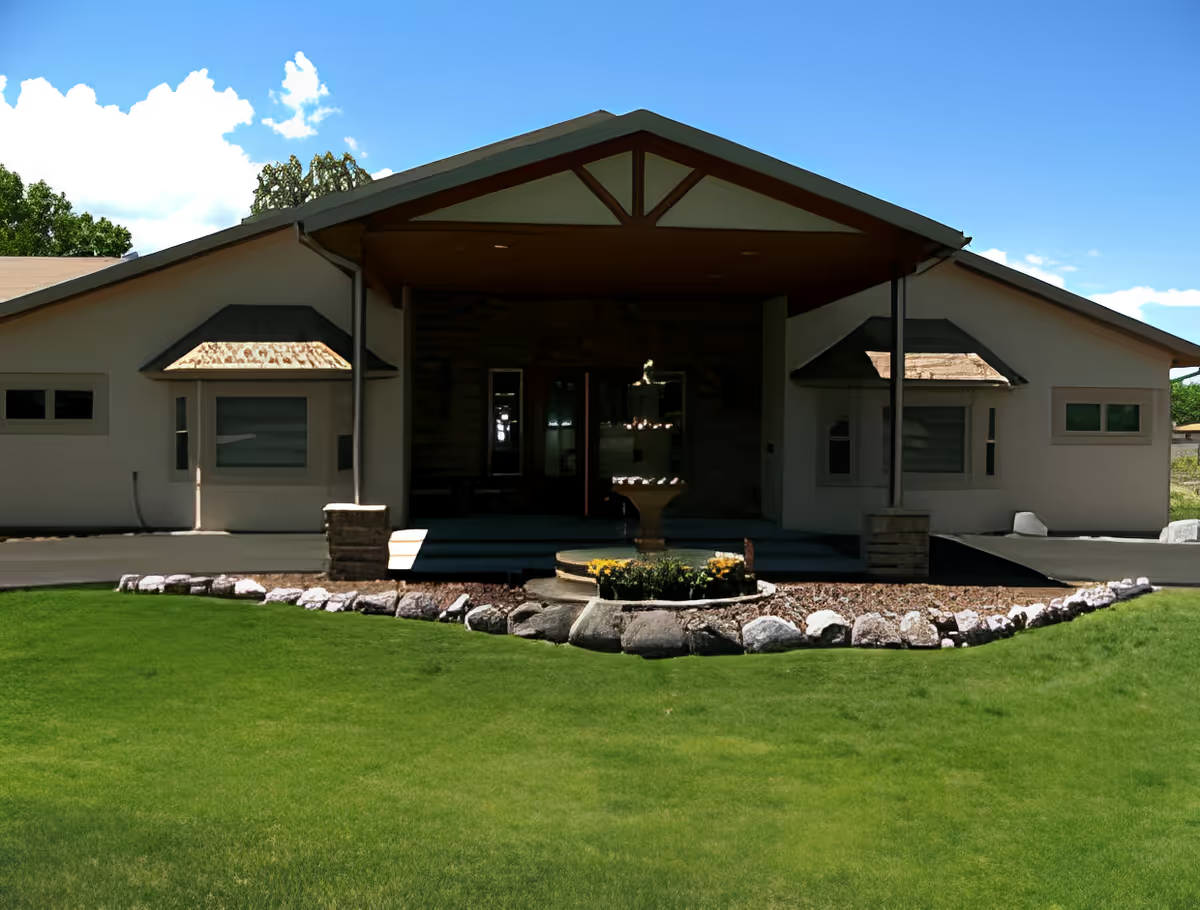
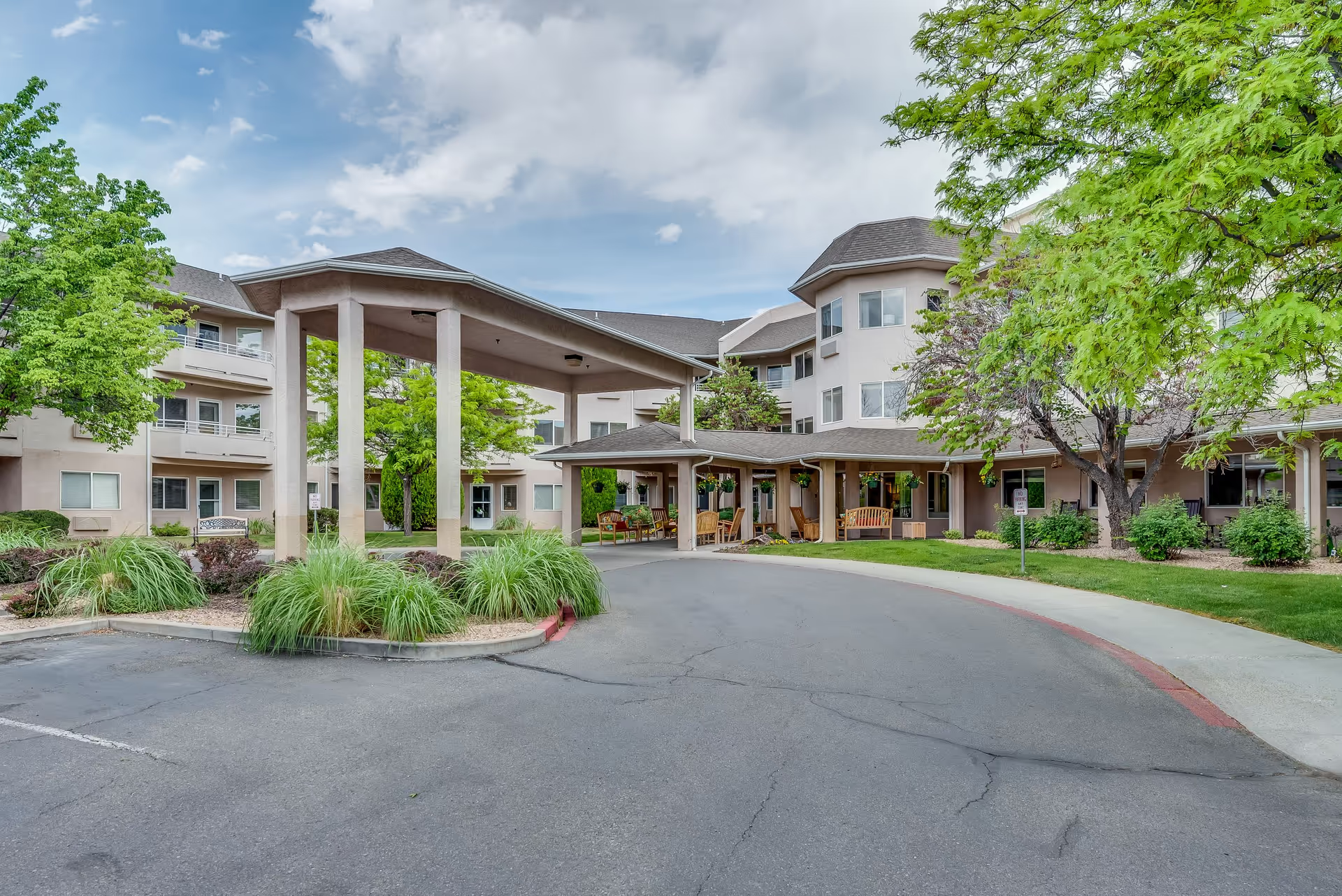
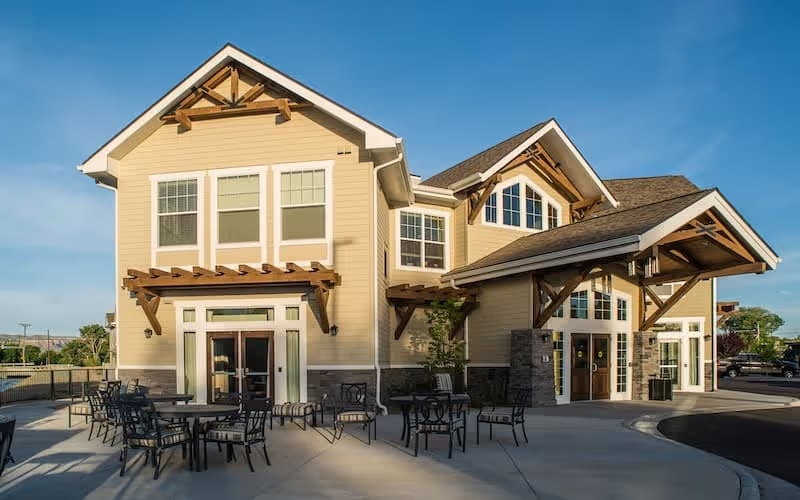
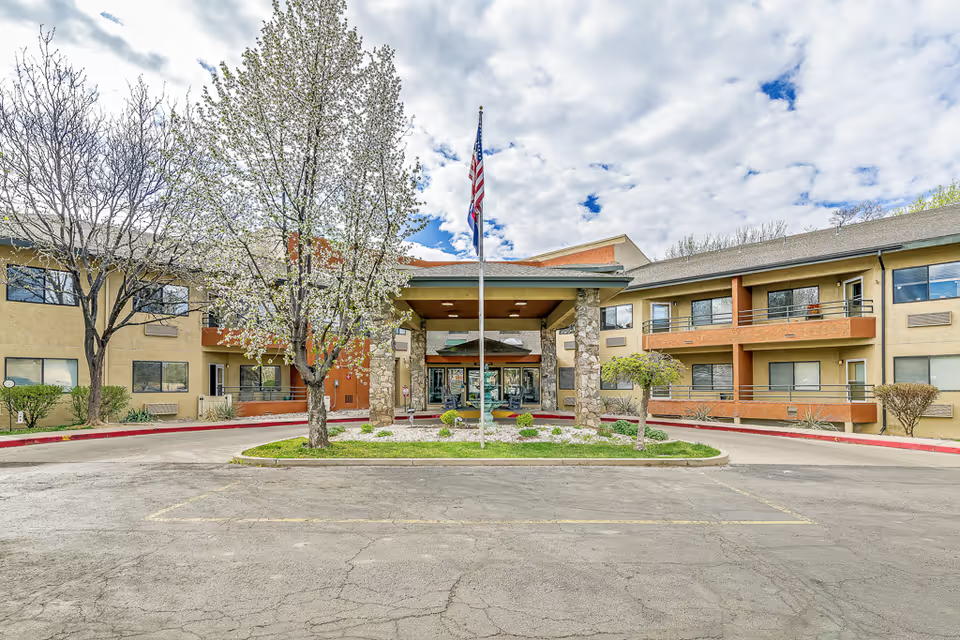
The reviews portray Chateau at Rifle as a small, home-like assisted-living community with several clear strengths alongside notable operational concerns. Strengths frequently cited include compassionate, personable caregivers and professional staff who create a warm, family-like atmosphere. The facility's scale (roughly 26–30 residents), cozy common areas, garden views, and on-site amenities such as a hairdresser, spa, and library contribute to a residential feel that many families and residents find comforting. Activity programming and craft offerings are regularly mentioned as positive aspects, and QMAP/medication-assistance staff receive specific praise for responsiveness.
Care quality and staffing present a mixed picture. Many reviewers describe attentive, respectful care and good communication from individual caregivers; however, recurring comments indicate inconsistent staffing levels, high turnover, and training gaps that translate into delays in attending to personal care needs and reduced activity frequency. Medication-administration concerns appear as a pattern-level issue — reviewers reference delays, discarded doses, and uneven practices — suggesting the need for clearer medication-management protocols and oversight despite positive experiences with QMAP staff in some cases.
Dining and daily life reviews are variable. Several reviewers commend the meals and describe enjoyable dining experiences, while others characterize food as bland or point to restrictive dining policies. Activity offerings are generally viewed positively when staff coverage allows, but short staffing is cited as a factor that can limit the regularity and variety of programming. Transportation and other promised services have been flagged as unreliable in some accounts, indicating a gap between expectations set at admission and operational delivery.
Facility maintenance and amenities receive generally favorable remarks about cleanliness and a pleasant, homey environment, yet other reviewers describe sanitation inconsistencies and localized cleanliness issues (for example carpeting or common-area maintenance). The community's pet-friendly policy and outdoor spaces are clear positives for families valuing that environment.
Management and family interaction are areas of divergent feedback. Some reviewers praise strong leadership and clear communication from administrators; others report breakdowns in communication, unmet commitments, and difficult family–management interactions. There is at least one allegation of a visitor confrontation that led to police involvement, which underscores the importance of asking about visitation policies and conflict-resolution practices during a tour. Overall, recurring themes point to a need for stronger, more consistent leadership practices around staffing, training, medication protocols, and service reliability.
In summary, Chateau at Rifle may suit families seeking a small, residential atmosphere with engaging programming and personable caregivers. Prospective residents and families should weigh the facility's warm environment and amenities against operational concerns: clarify current staffing ratios and turnover, ask for written medication-management procedures, review service commitments such as transportation, and observe cleanliness during a visit. These targeted questions can help determine whether the facility's strengths align with a given resident's care needs and expectations.