Overall impression: Reviews present a facility with a clear emphasis on individualized, memory-focused care supported by an engaged caregiving team. Many families and visitors describe warm, attentive staff and a high staff-to-resident presence, which contributes to a generally home-like environment and positive day-to-day experience for residents. The community markets itself as memory-care capable and several comments highlight staff training, coordinated activities for residents with Alzheimer’s/dementia, and staff members who learn resident preferences.
Care and staff: Staff performance is consistently cited as a core strength. Descriptors include compassionate, responsive, and willing to go the extra mile; named staff and administrators are identified as actively coordinating activities and services. The facility’s staffing levels and memory-care focus appear to support social engagement and supervision. However, there are also accounts that point to gaps in how the facility responds during acute incidents and how those events are communicated to families; these indicate potential weaknesses in incident response protocols and family communication that prospective families should clarify during tours.
Dining and activities: The activity program is a notable positive — daily programming, sing-alongs, live music, arts and crafts, seasonal outings and bus trips are regularly mentioned, along with an events coordinator role. These offerings seem broadly appropriate for memory-care residents and support socialization. Dining impressions are mostly favorable, with several reviewers noting varied menus and generally good food, though a few comments imply occasional variability in meal experiences.
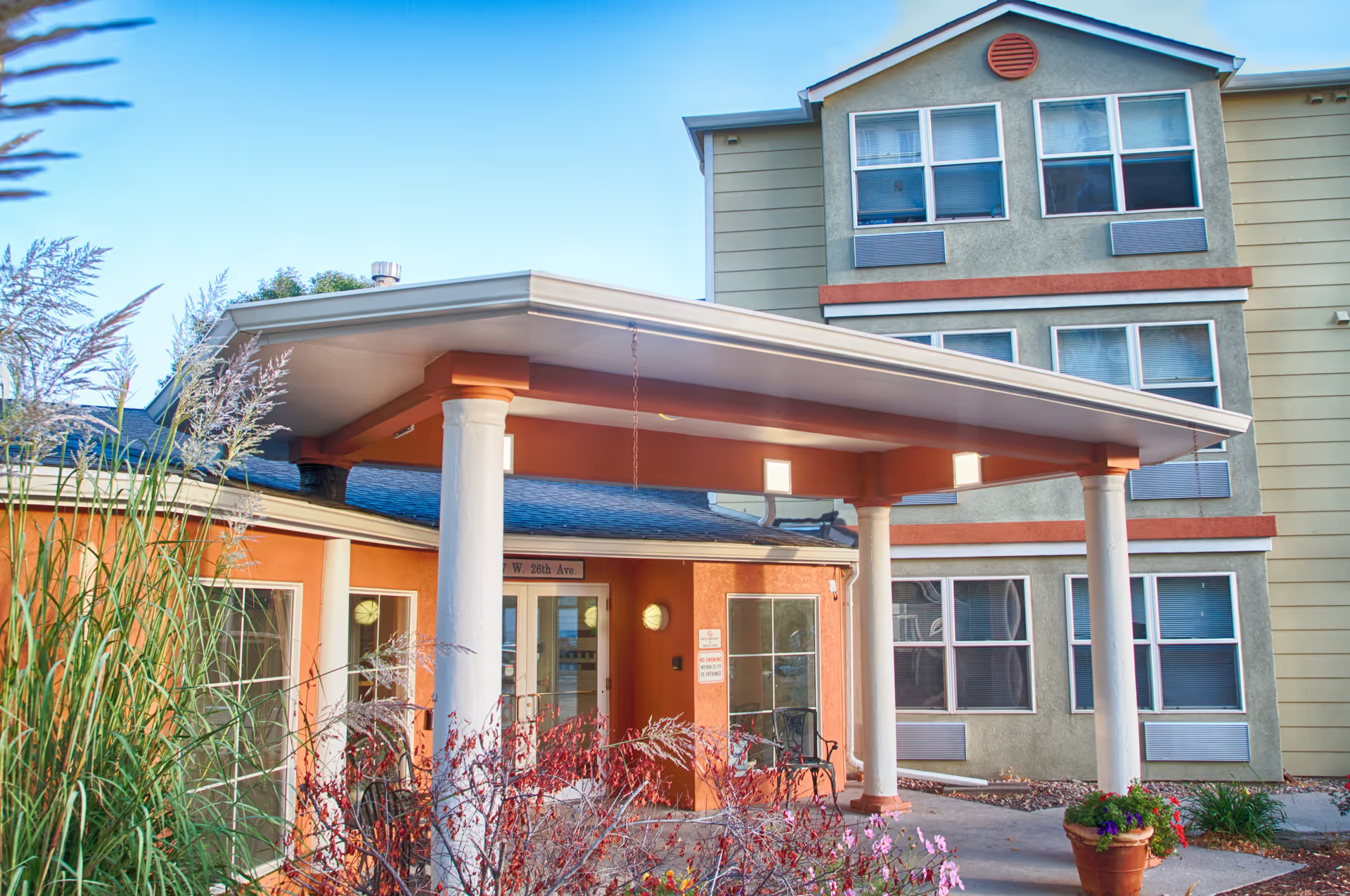
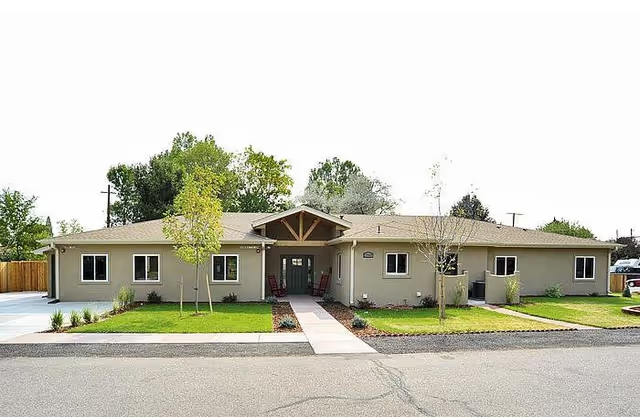
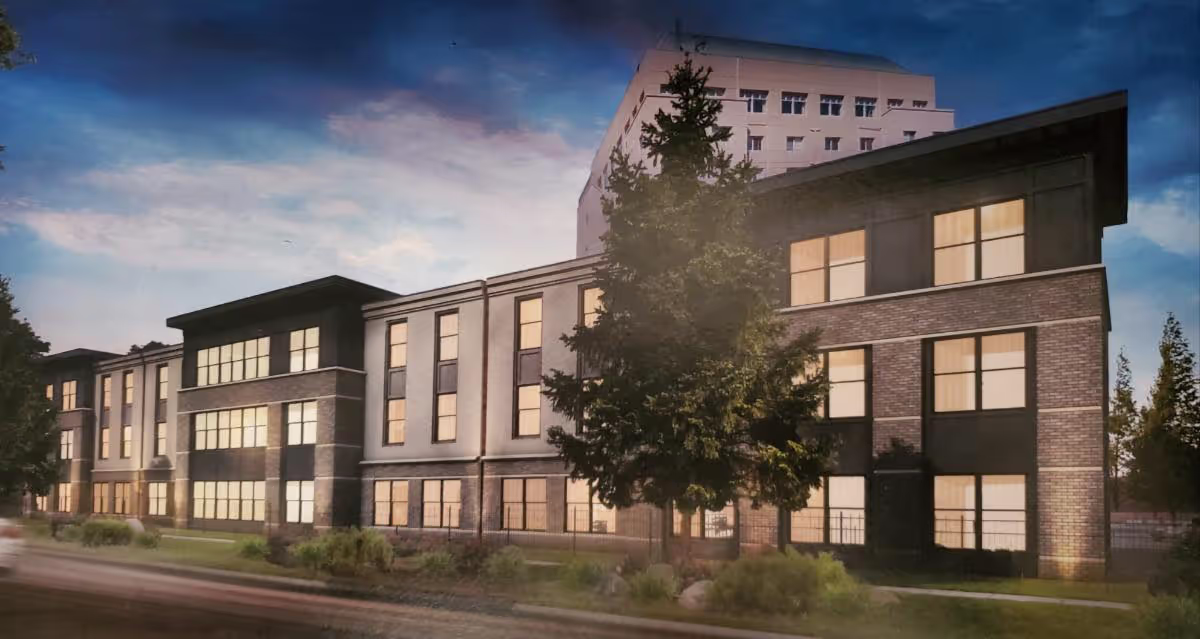
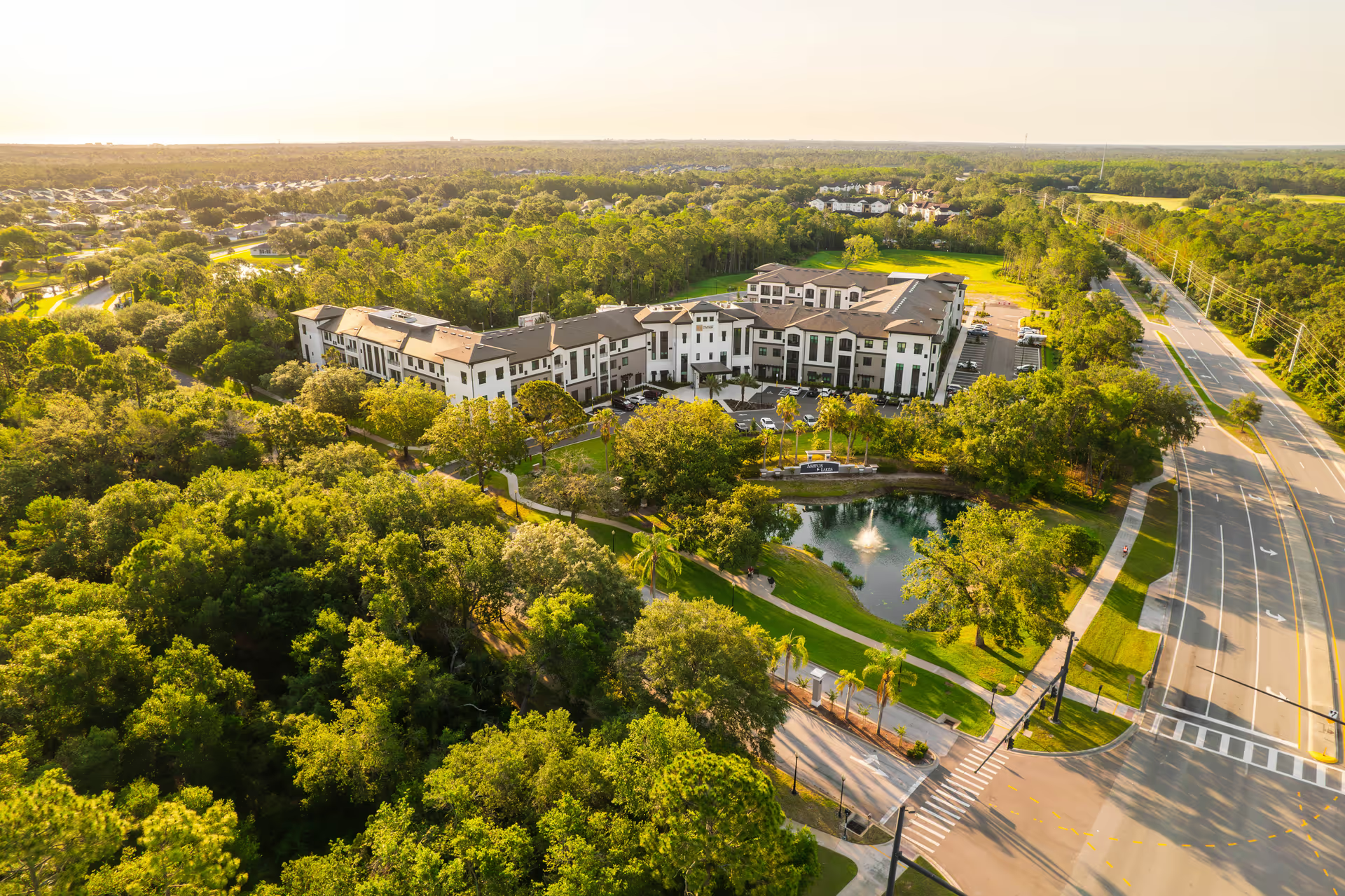
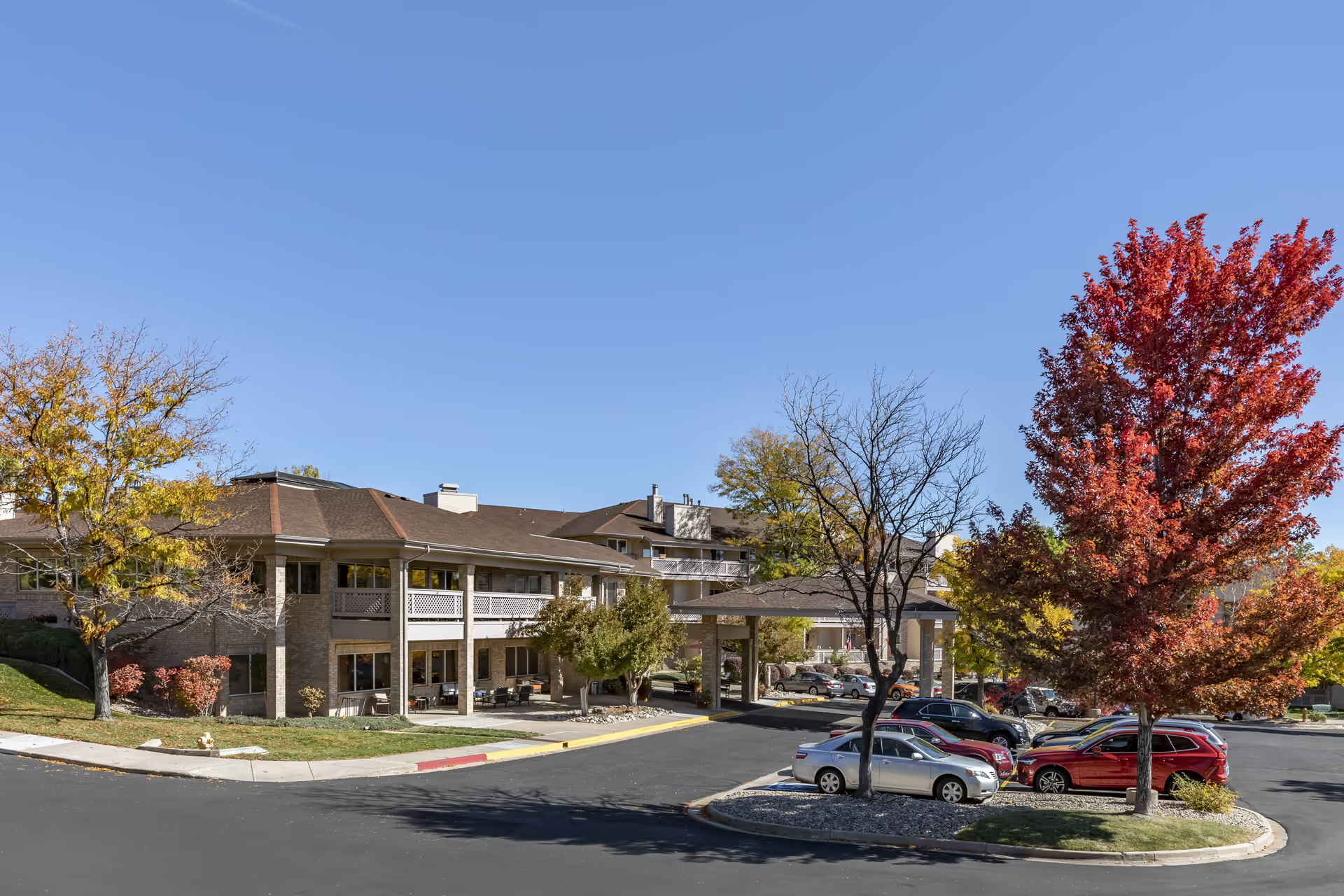
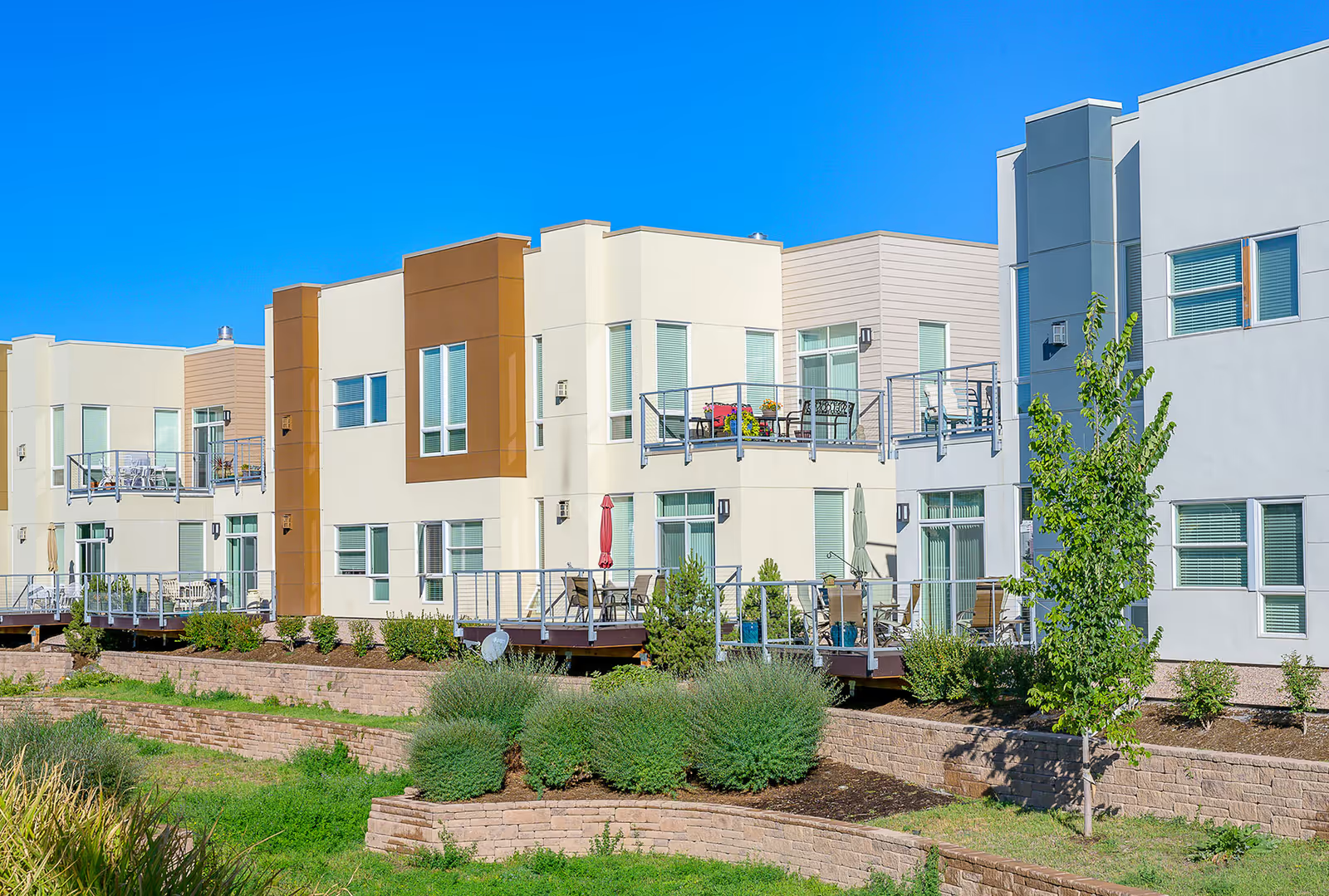
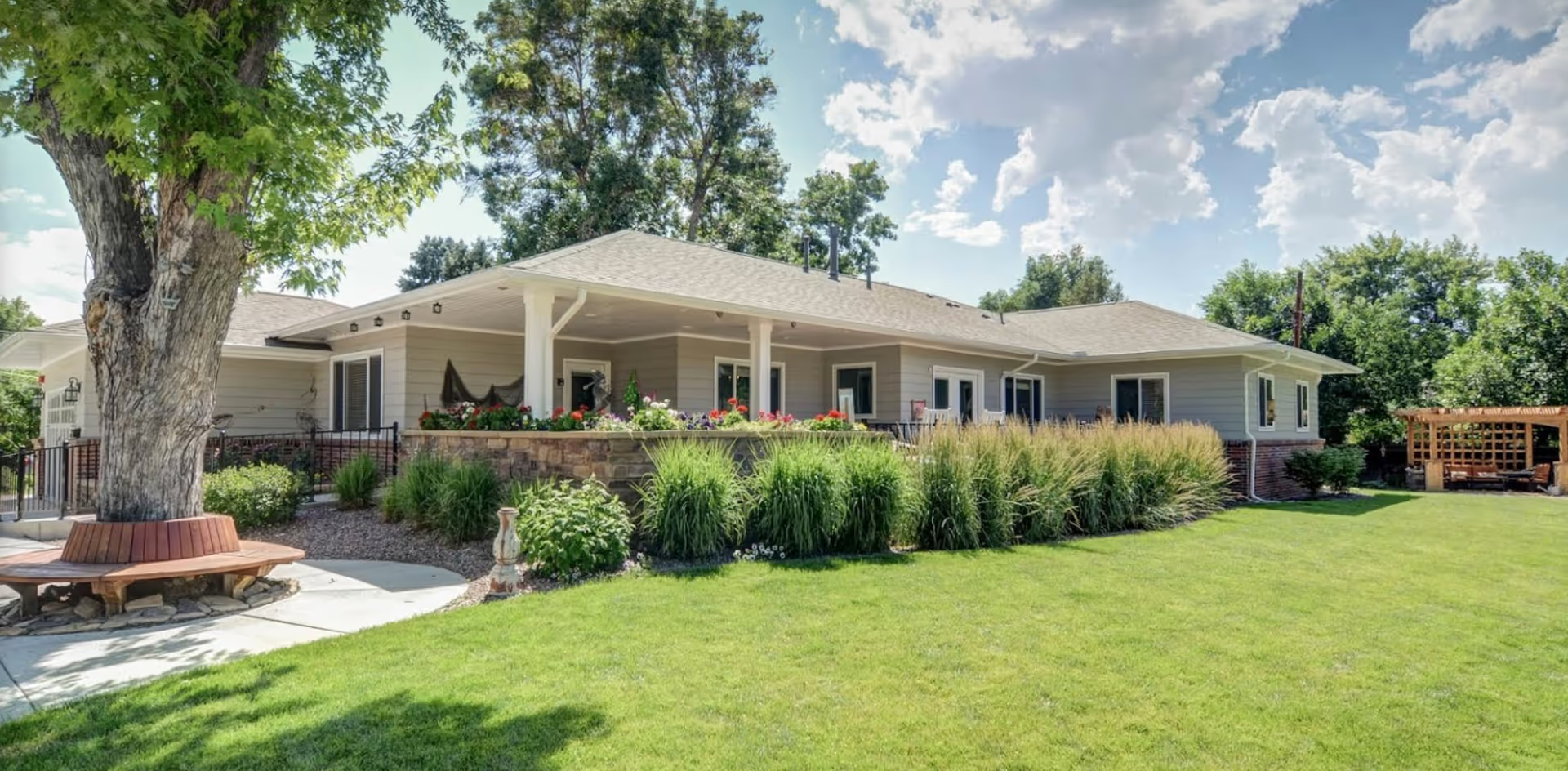
Facilities and environment: The campus presents mixed impressions. Outdoor spaces, a secured courtyard/garden, and bright rooms with large windows are praised and contribute to a pleasant exterior and resident-accessible outdoor areas. Interior cleanliness and responsive maintenance are also cited positively. At the same time, the building is repeatedly described as older, with some areas and rooms characterized as small, dated, or darker in appearance. These physical-plant issues may affect aesthetic preferences and mobility/comfort for some residents.
Management, access, and payment: Management and maintenance responsiveness are highlighted as strengths, and the facility accepts at least some third-party payment arrangements such as Innovage. Conversely, reviewers indicate limited participation in certain public payment programs, which may create affordability barriers for some families. Location and travel time are additional practical considerations; distance was a deciding factor for at least one family.
Notable patterns and family considerations: The strongest consistent theme is the quality of staff and the active activity program, making this community appealing for families prioritizing dementia expertise and social engagement. Primary caveats to investigate in person are the age and size of rooms, overall aesthetic of the building, how the facility manages acute incidents and communicates with families, and payment-program participation. Prospective families should tour the physical space(s) to assess room size and lighting, ask for details on incident-response protocols and staffing levels at different times of day, and confirm which payment plans are accepted before deciding.