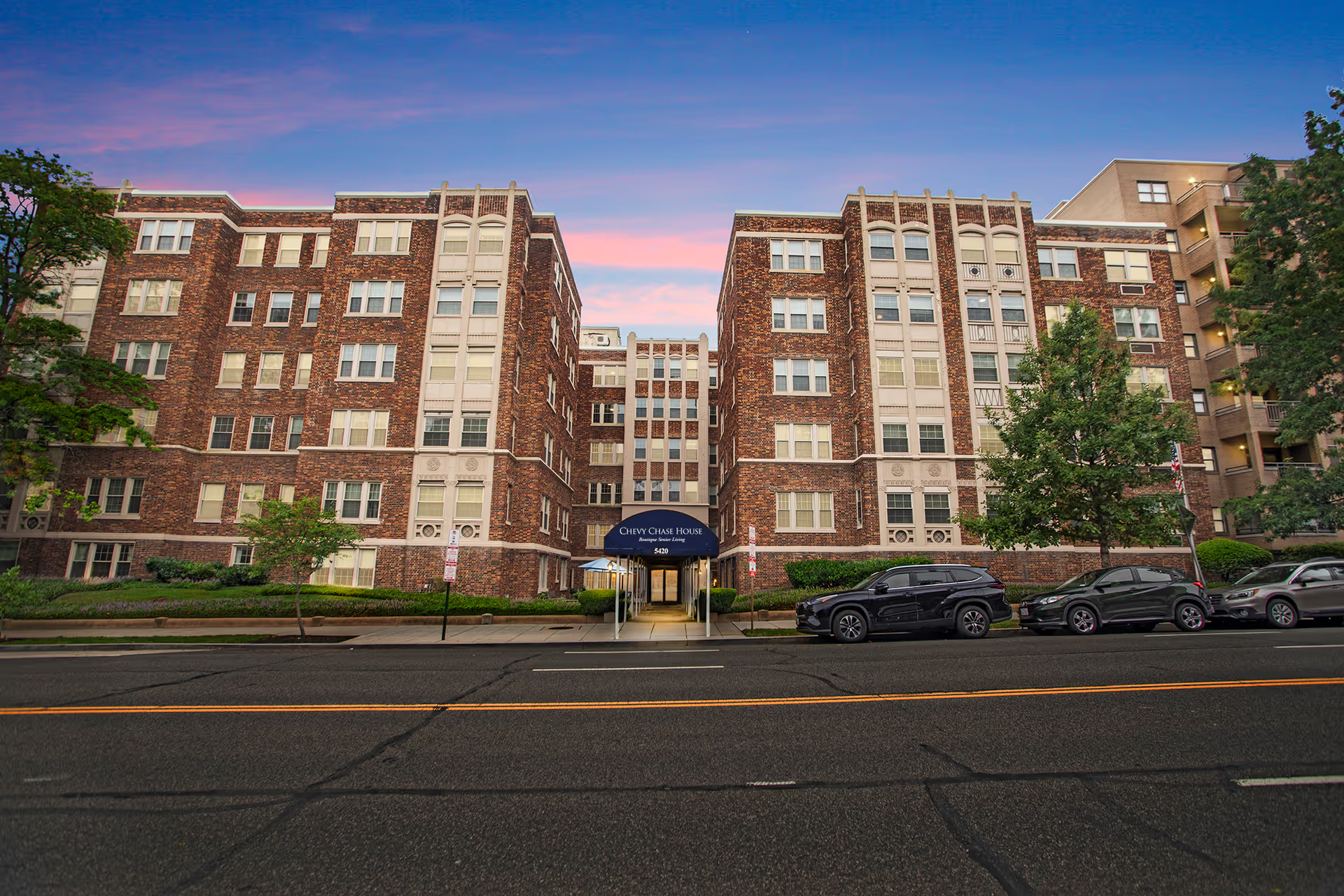
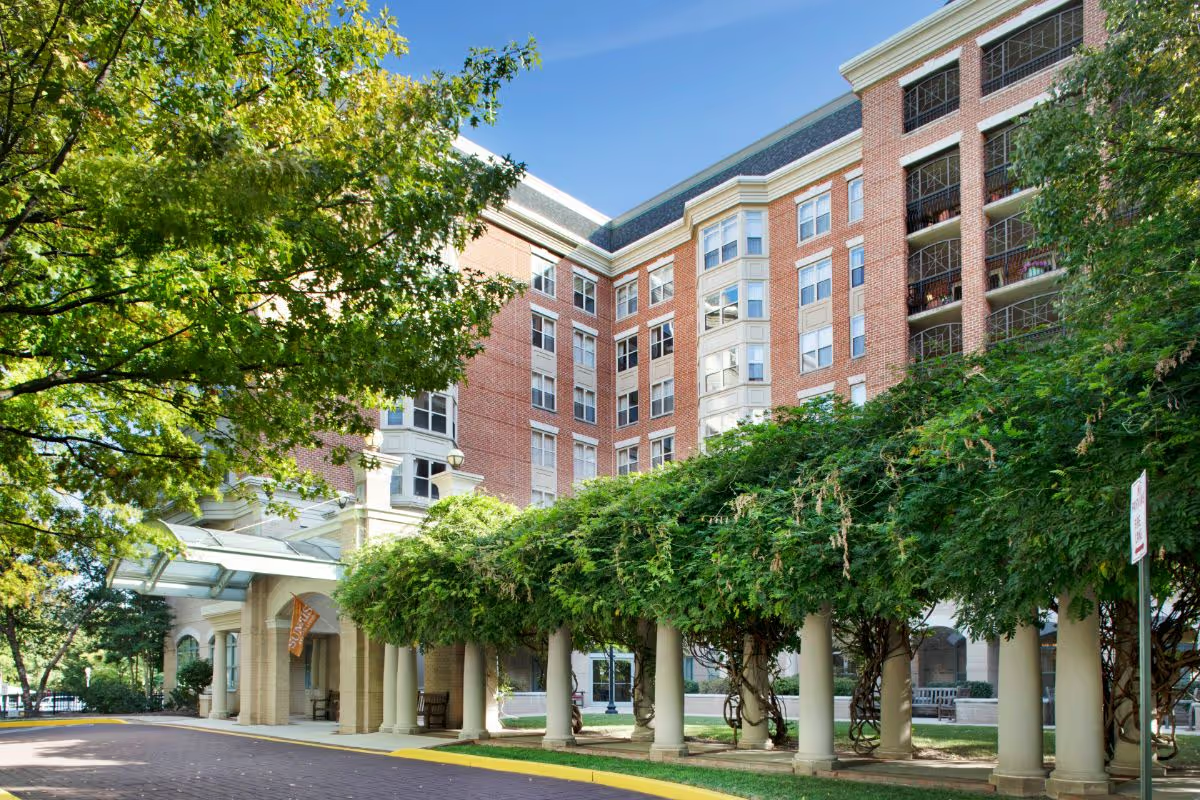
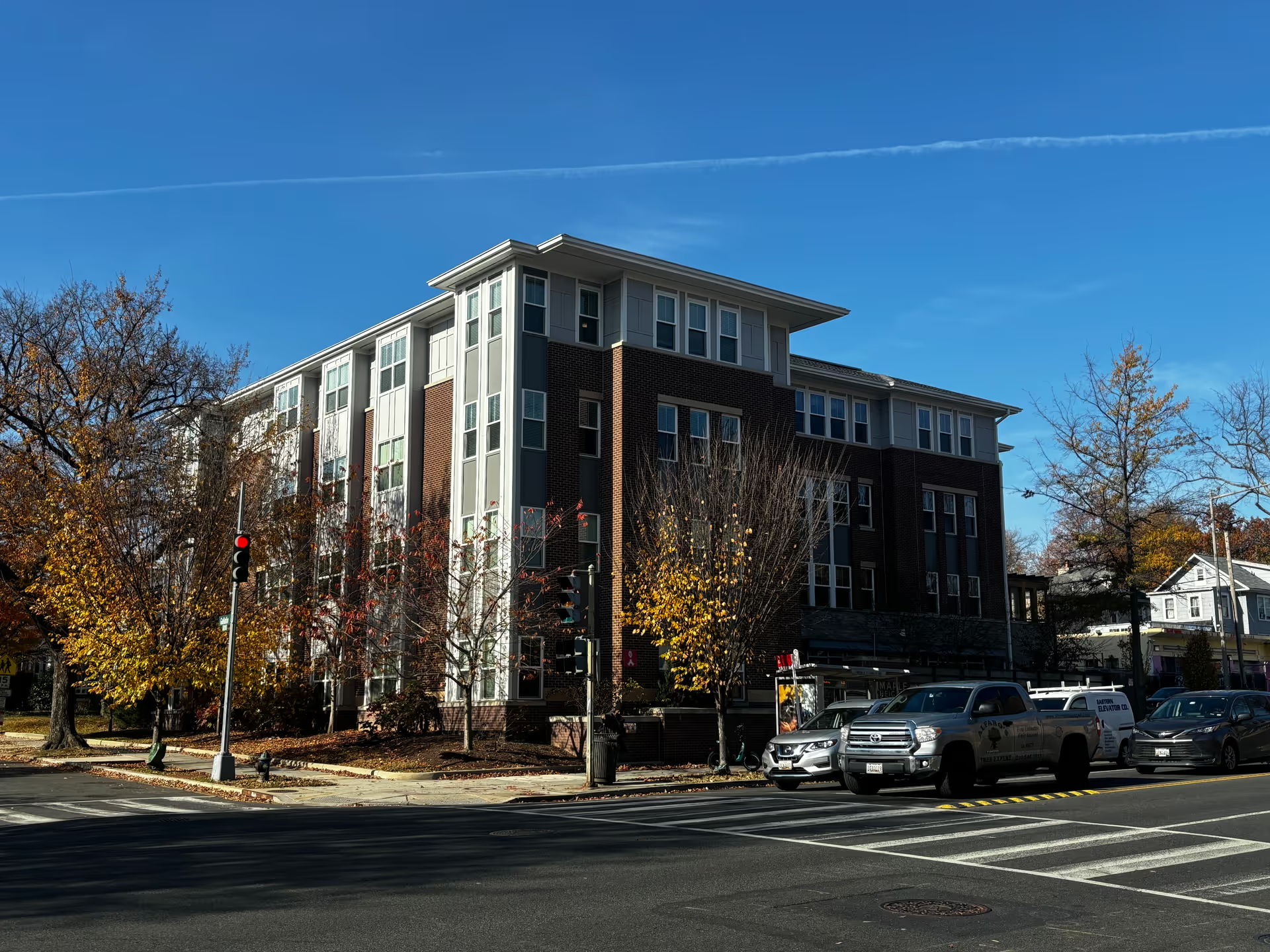
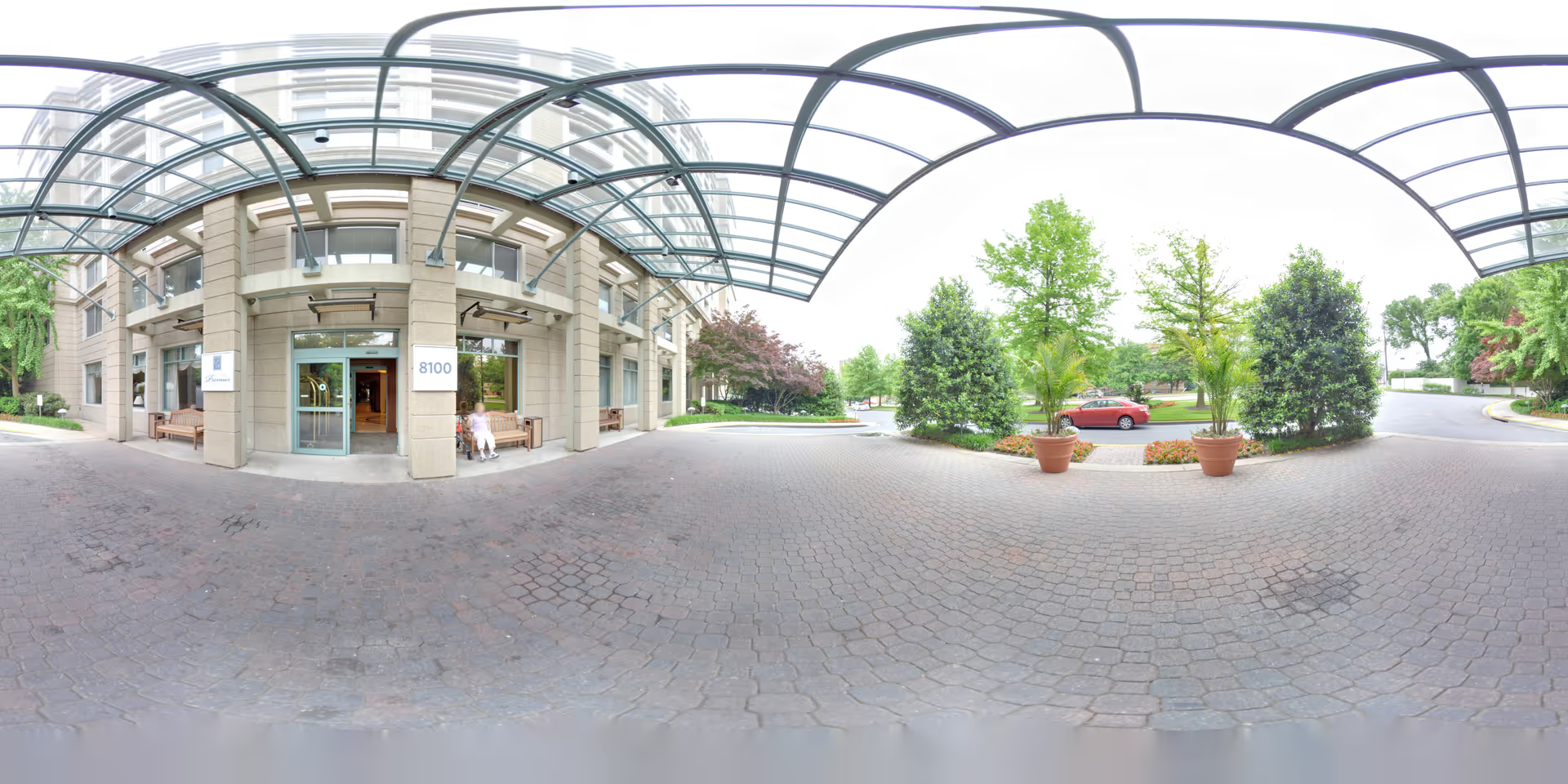
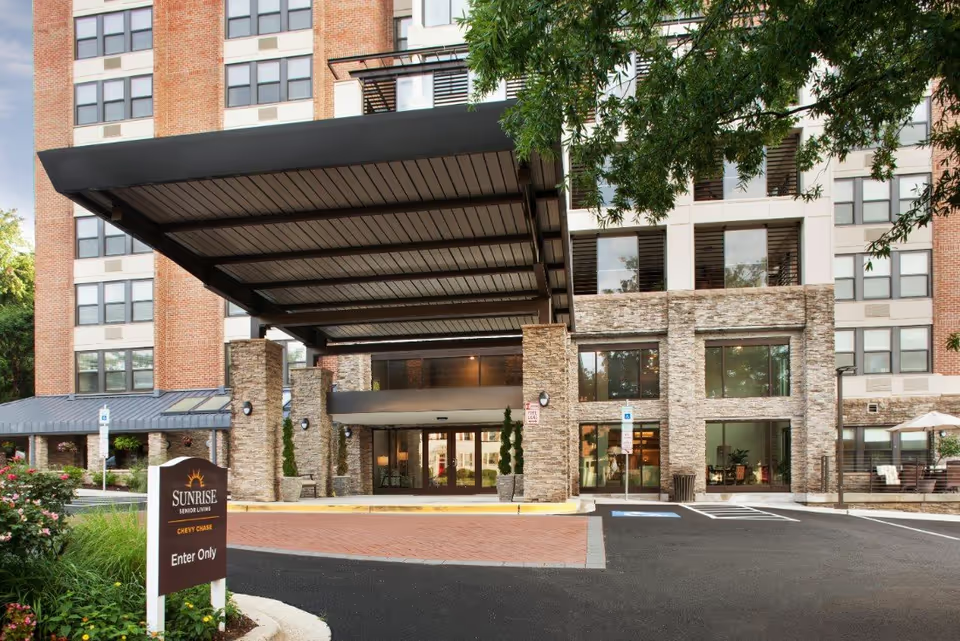
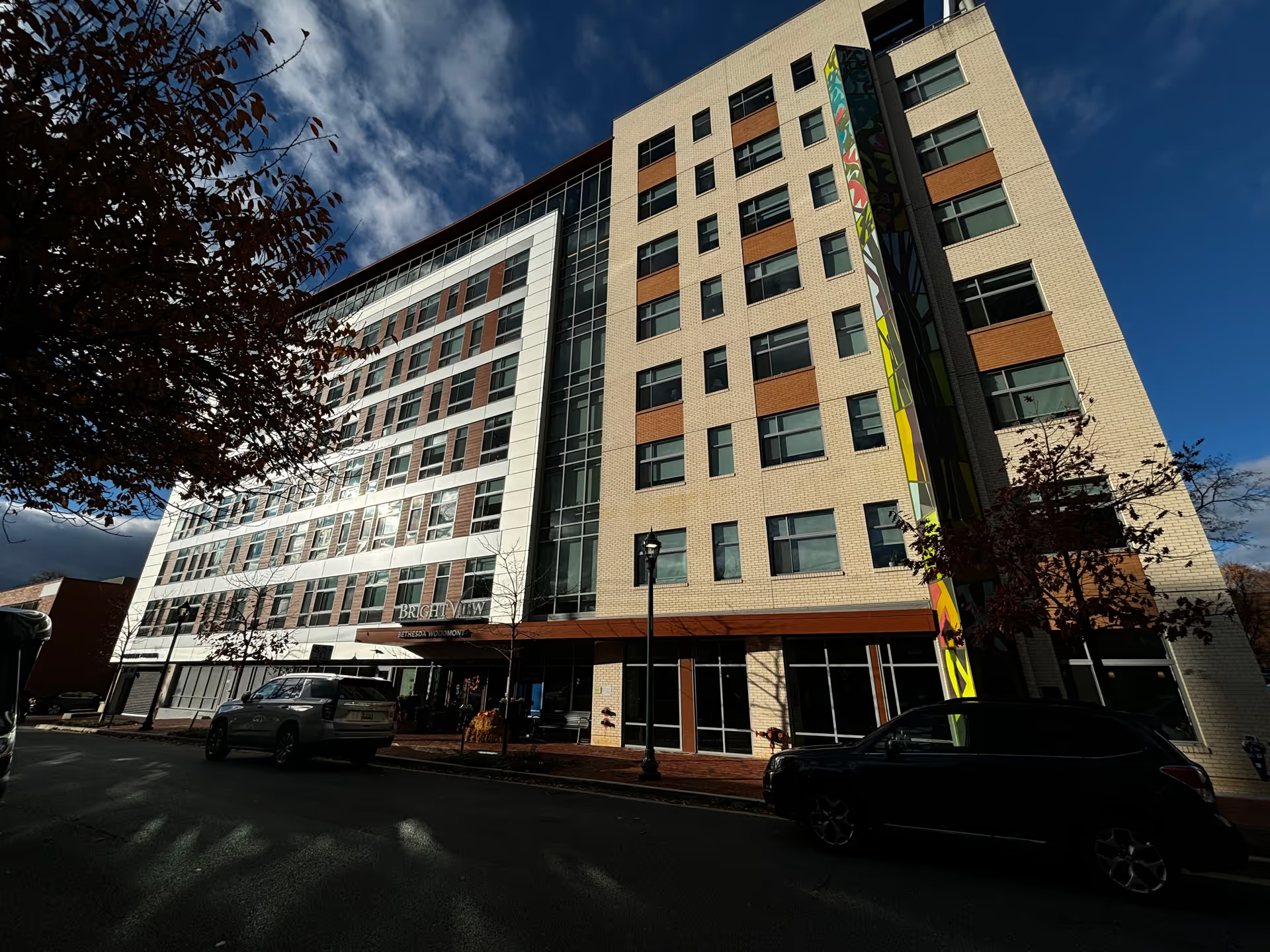
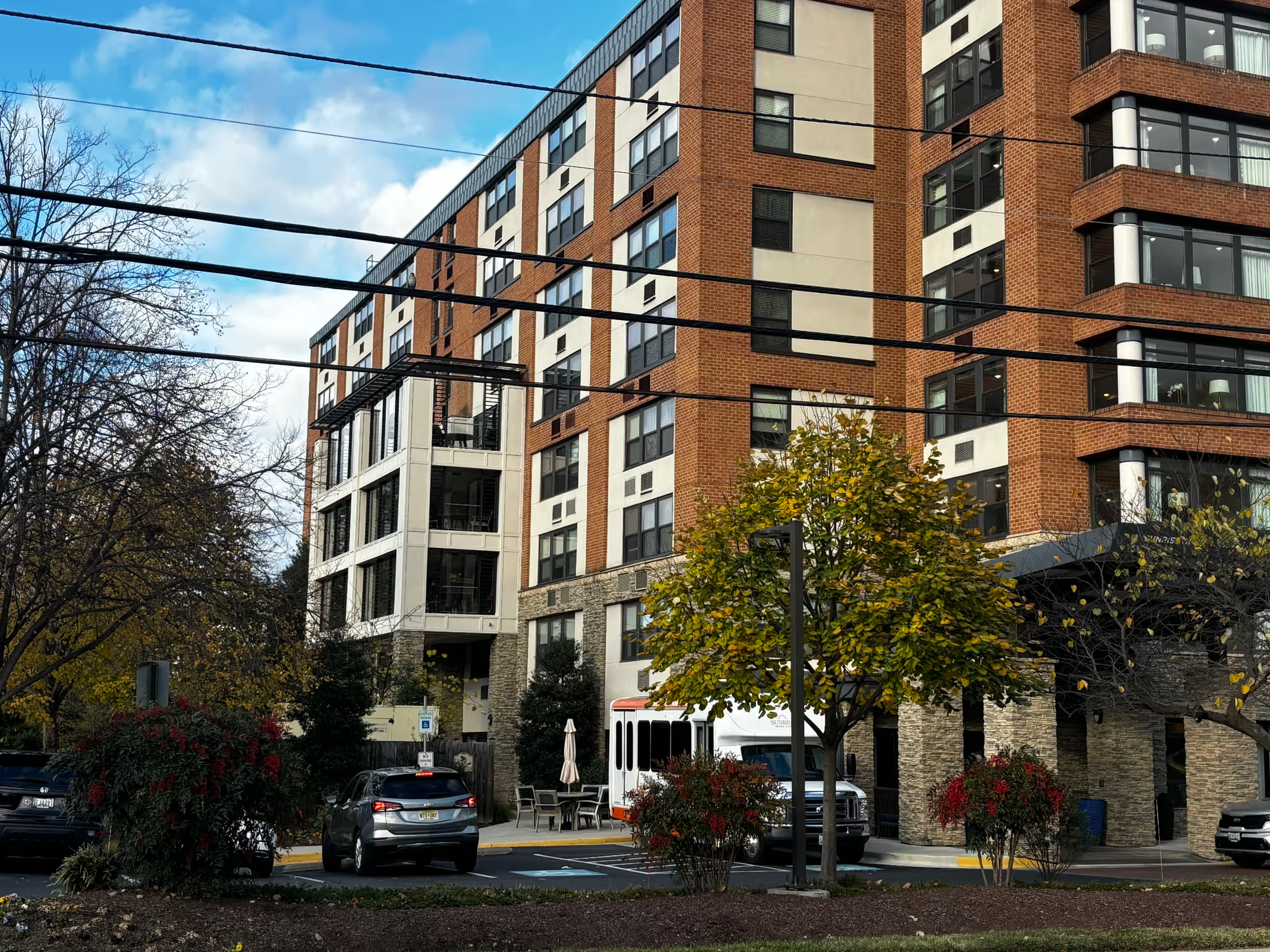
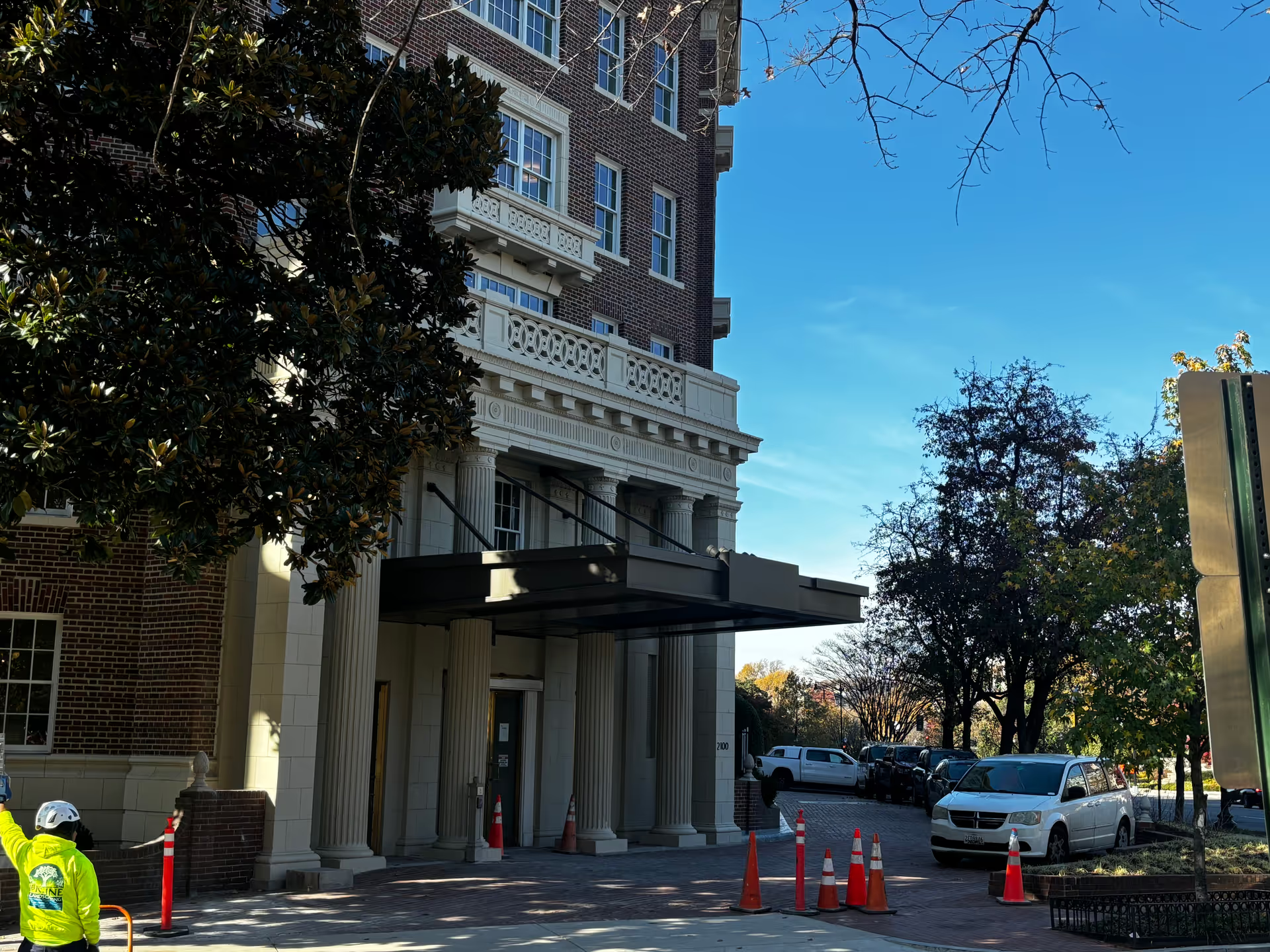
Forest Hills of DC is an established, upper Northwest DC community that reviewers generally describe as well kept and personable. The building is older but maintained, offering large apartments with full kitchens and landscaped outdoor seating. The dining environment is frequently praised for its attractive dining room and varied, nutritious meal options. Social programming is active and diverse—events include music, card games, walks and other coordinated activities—and there is an event coordinator who helps personalize offerings. The campus is pet friendly and several reviewers highlighted a strong, home-like atmosphere and intergenerational involvement.
Clinically, the facility is notable for its on-site health center and therapy services. Physical and occupational therapy programs receive consistent positive mention for progressive rehab outcomes, and reviewers cite successful interventions such as mobility restoration and diabetes education. Nursing and therapy staff are often described as experienced, collaborative with families and outside agencies, and committed to individualized care. Many families praised prompt communication, accessible leadership, and a mission-driven staff culture.
At the same time, reviews reveal recurring operational concerns that prospective families should evaluate. There are repeated notes about limitations in dementia-specific training and behavioral-management protocols; several accounts describe difficulties managing cognitive impairment and wandering. Staffing consistency is another pattern: while many staff members are described as compassionate and attentive, others reported delays in assistance with activities of daily living and variable responsiveness. A subset of reviews raises concerns about staff communication tone and the facility's complaint-resolution processes.
Practical considerations include limited guest parking, an older aesthetic in parts of the building despite good upkeep, and a pricing structure described as moderate to high with increases as care needs escalate. There are also mentions of constrained capacity at higher-skilled nursing levels and occasional delays in initiating some rehabilitative services. Prospective residents and families will likely find Forest Hills strong for personalized, therapy-focused recovery and an engaged social environment, but should perform targeted due diligence around dementia-care protocols, staffing responsiveness, availability of higher-level skilled nursing beds, and the facility’s complaint-resolution procedures before committing.