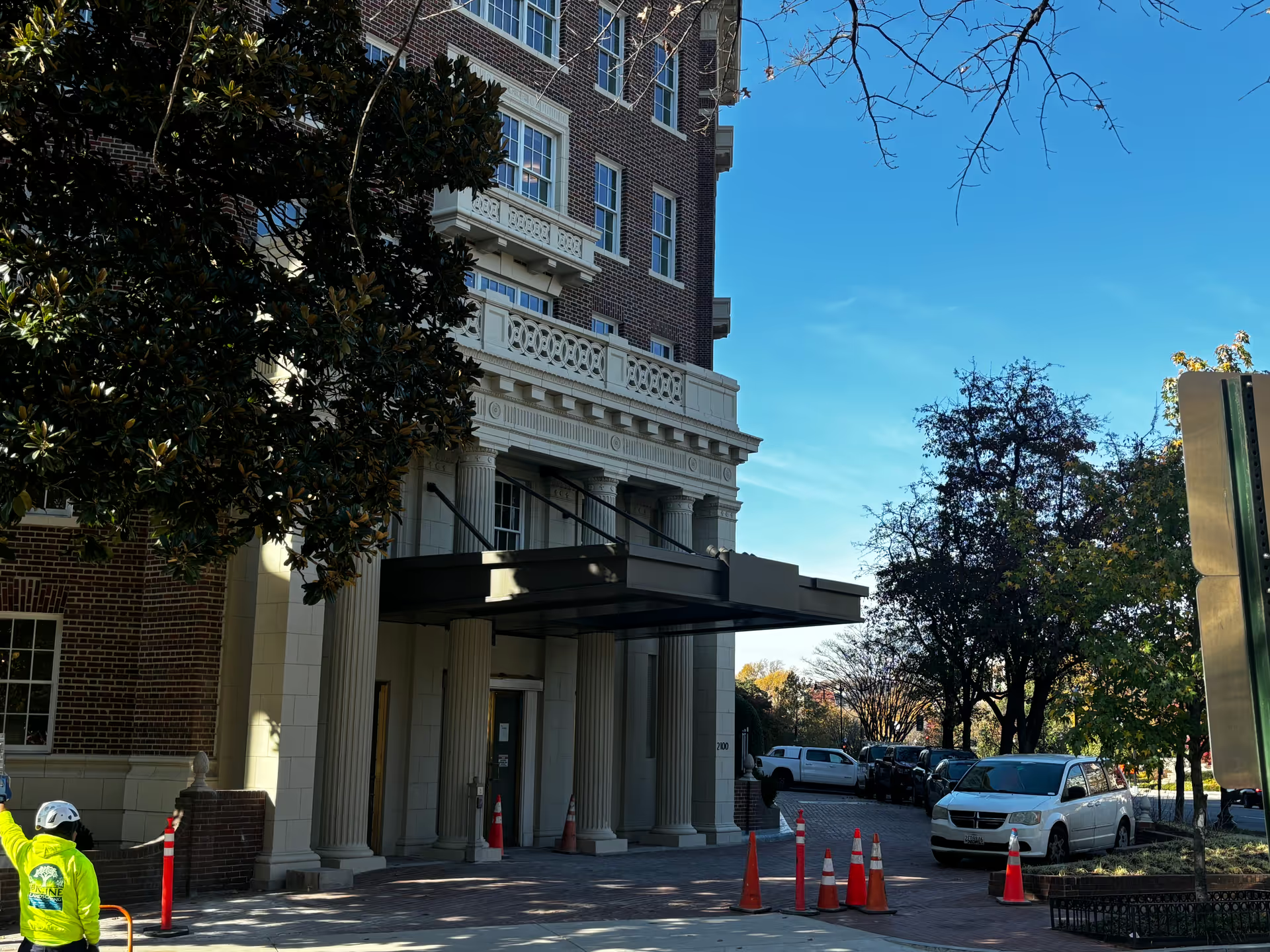
Georgetown Retirement Residence presents a mix of strengths and operational shortcomings. The community is frequently described as warm and socially active: communal spaces (including a library-like den with a piano and an inviting lobby), a robust activities schedule, and a congenial resident culture are consistent positives. Many accounts emphasize attentive, personalized staff interactions and a favorable caregiver-to-resident ratio, which contribute to residents feeling known and welcomed. The site also offers practical move-in flexibility — immediate availability and a 30-day trial furnished apartment — and an aging-in-place approach that allows residents to remain in the same apartment as care needs increase. On-site hospice services are available for end-of-life support.
Dining and programming are commonly praised. Reviewers note hot, varied meals served in a light, airy dining room and a diverse activities calendar that supports social engagement. Several families described staff who try to accommodate special needs and proactively communicate about changes in a resident’s condition. For prospective residents who value an active social environment and a centrally located Georgetown address, these features are important selling points.
At the same time, there are notable operational and facility-level concerns. Multiple accounts point to variability in care quality and responsiveness; while many residents receive attentive care, others experienced declines in care standards that suggest inconsistent staffing or management oversight. The physical plant also draws mixed feedback: some units are described as spacious, but other parts of the building are older with small apartments, limited public space, and maintenance issues. A prolonged renovation was referenced and framed as disruptive, including temporary resident relocations, which raises a risk of future renovation-related impacts on resident experience.
Safety and service-model considerations merit attention. The community does not have a dedicated memory-care unit, and there are comments about wandering as a potential concern; the intermingling of assisted and independent residents without clear separation may complicate care for individuals with cognitive impairment. Practical issues such as constrained parking and the perception of high costs relative to received services were also noted.
In sum, Georgetown Retirement Residence offers many attributes families seek — active programming, an inviting social atmosphere, flexible move-in terms, and attentive staff in many cases — but prospective residents should assess the facility’s current physical condition, ask about recent or ongoing renovation plans, clarify memory-care safeguards, and evaluate staffing consistency during visits. A focused tour and discussions with management about recent care-quality measures, staffing levels, and renovation timelines will help determine whether the community’s strengths align with an individual resident’s needs.