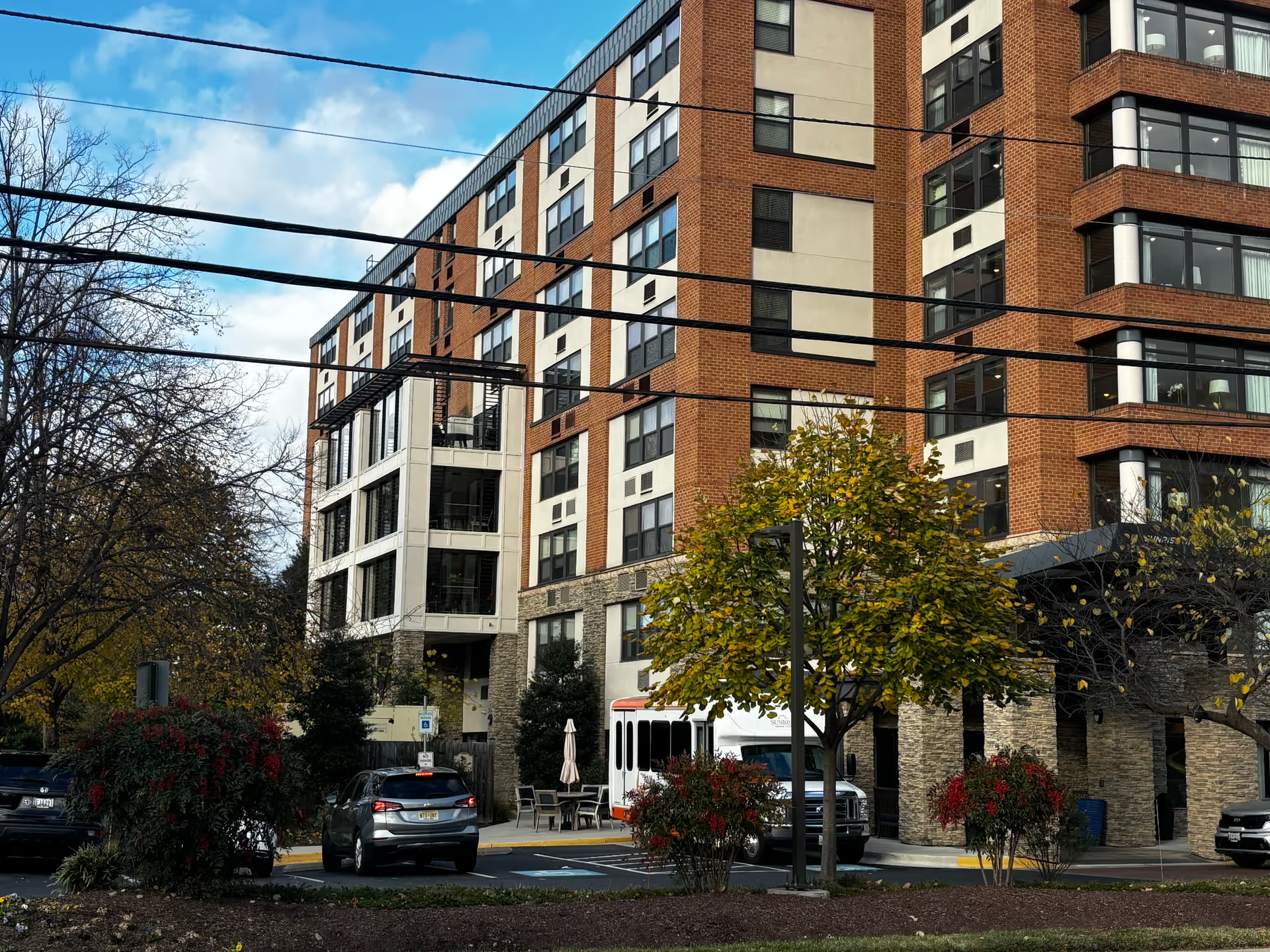
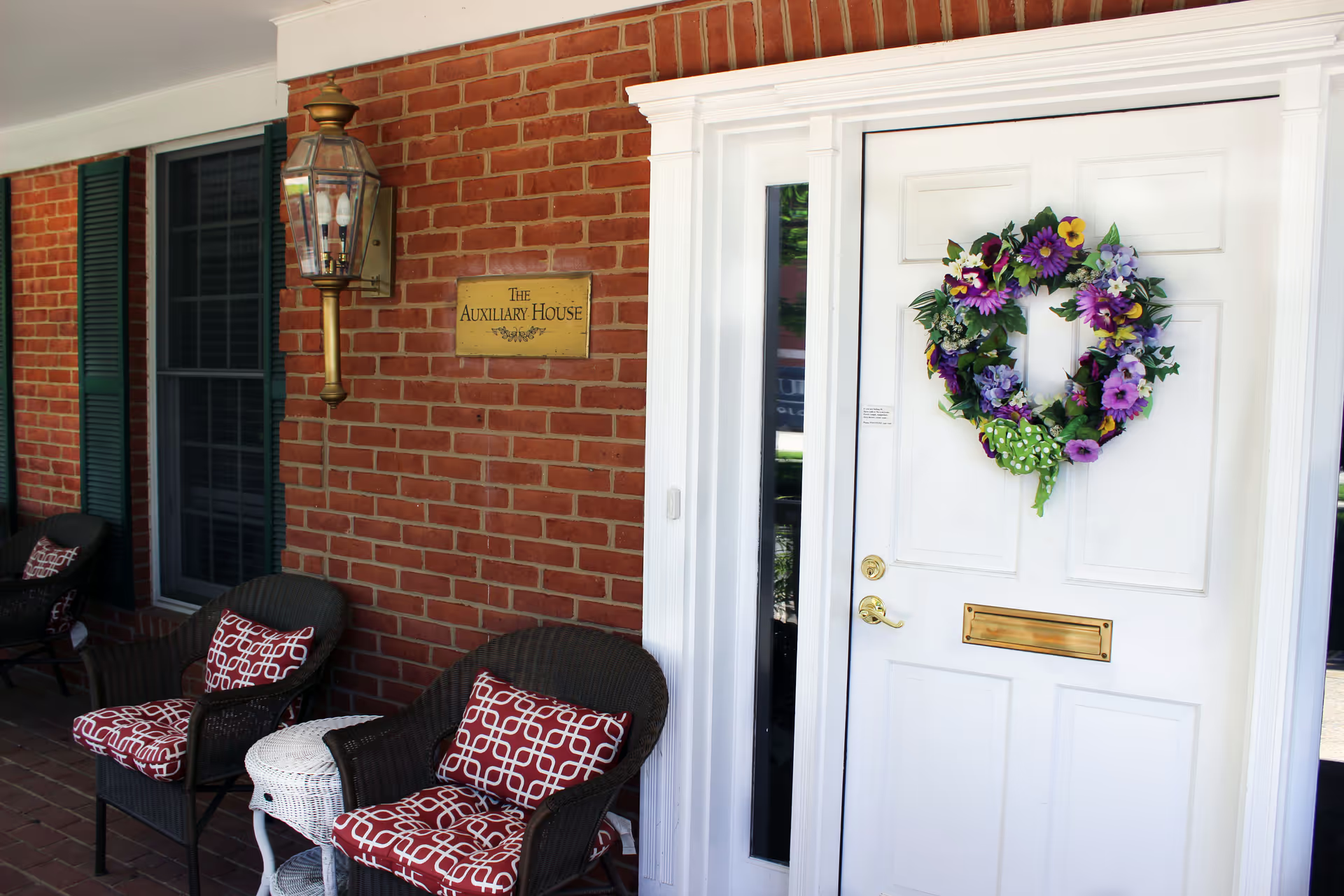
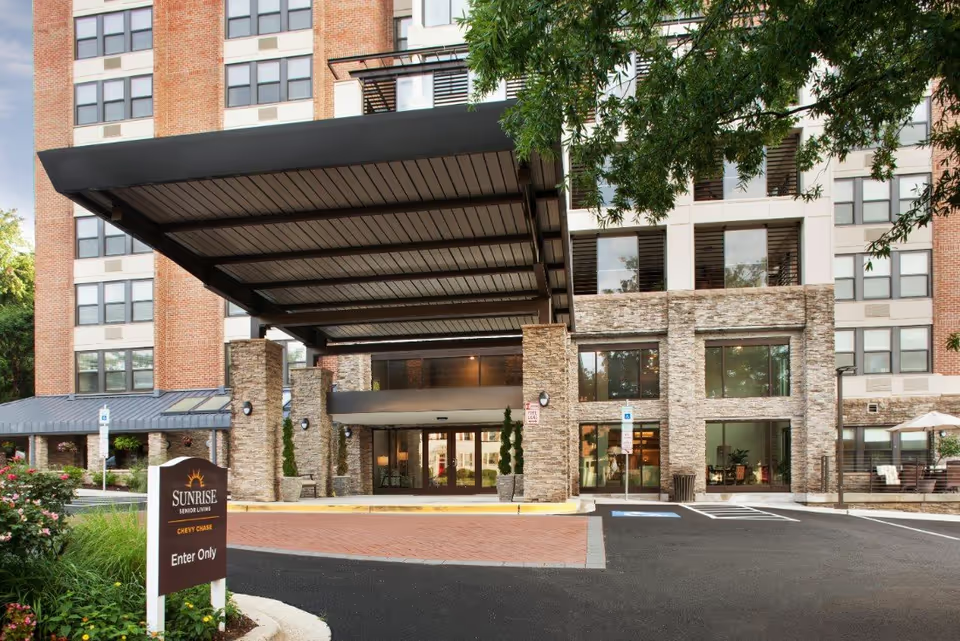
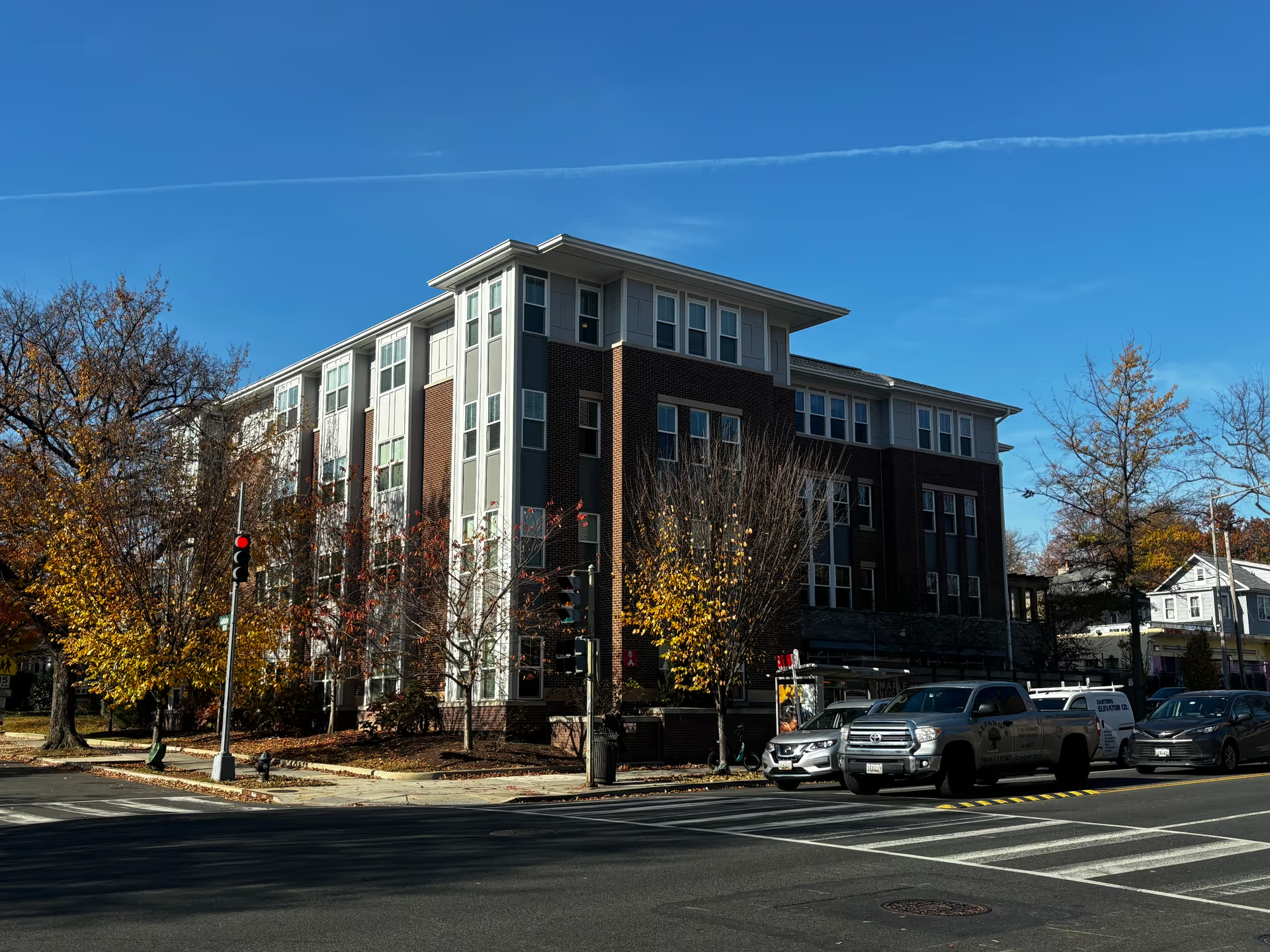
Lisner-Louise-Dickson-Hurt Home receives predominantly positive commentary on its physical environment and routine services. Reviewers commonly highlight attractive, well-maintained grounds and an interior described as clean, elegant, and home-like. The facility's location in Upper Northwest D.C. is noted as convenient, and several observers characterize it as a pleasant, professional center with above-average meals and tidy common areas.
Clinical care and frontline staff are frequent strengths in the feedback. Many accounts emphasize compassion, respect for residents' dignity, and active involvement from nurses, aides, therapists, and physicians. The facility is often described as having a strong rehabilitation focus with speech and physical therapy available, and staff are praised for keeping families informed about medication or condition changes. At the same time, a pattern of variable experiences emerges: while many families describe attentive and capable caregivers, others describe situations that felt unsupportive or inconsistent. This pattern suggests that clinical and rehabilitative quality may vary by unit, shift, or individual caregiver.
Dining, activities, and programming are consistently highlighted as positive. Reviewers mention a wide range of social events, therapeutic-animal visits, and other engaging activities that contribute to quality of life. Meals are described as tasty and above average, and staff-led activities are characterized as frequent and well organized. The facility's emphasis on social engagement and quality-of-life programming is a notable operational strength.
Management and organizational patterns are mixed. Several reviewers praise responsiveness to family inquiries and timely communication about clinical changes. Conversely, there are serious concerns raised about leadership behavior, including a specific allegation of discriminatory conduct that prospective families should be aware of and investigate further. Multiple comments also point to heavy staff workloads and long hours; that operational pressure could be a contributing factor to the variability in conduct and responsiveness noted above.
Overall, the facility shows many hallmarks of high-quality senior care—clean, attractive spaces; an active program of social and rehabilitative services; and many staff members described as caring and professional. However, the body of feedback also indicates unevenness in resident experience and isolated but serious leadership-related concerns. Prospective residents and families would be well advised to tour the facility, observe staff–resident interactions across different times of day, ask about staffing levels and turnover, and inquire about the facility's grievance and incident-resolution processes before making a placement decision.