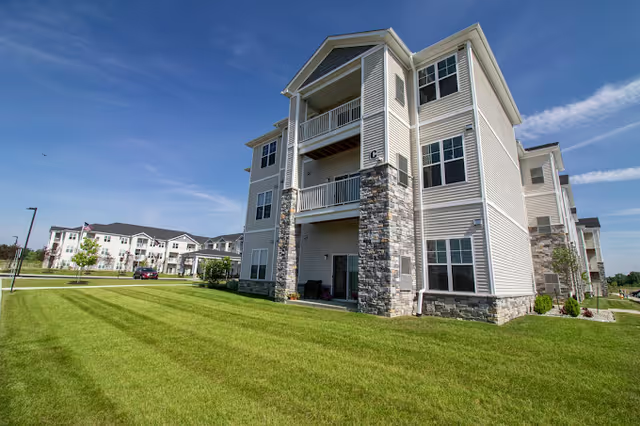
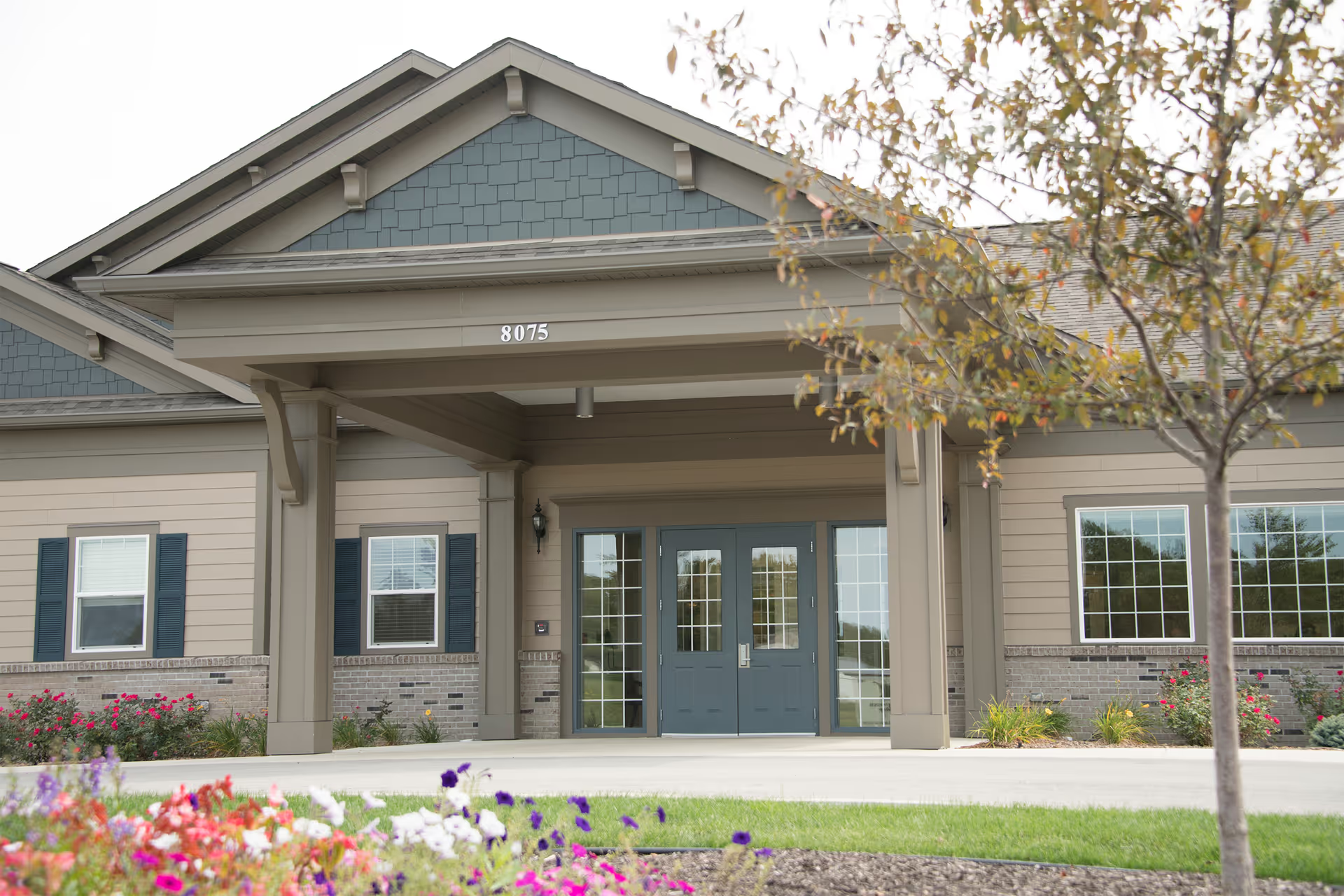
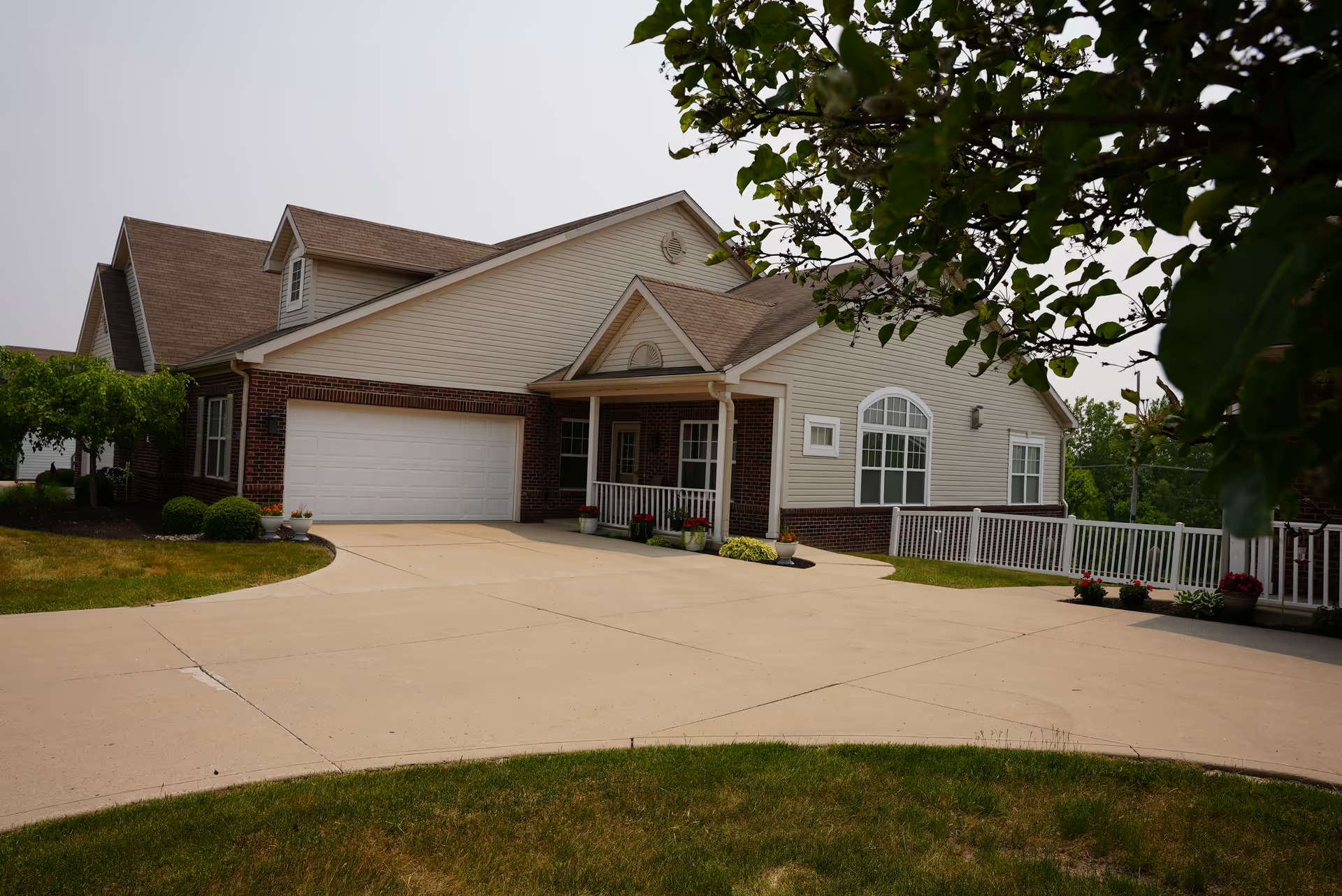
Georgetowne Place is described across reviews as a community with a strong emphasis on resident social life, hospitality, and on-site amenities. Strengths frequently cited include attentive and experienced caregiving staff, a clean and well-kept campus, restaurant-style dining with flexible hours, and a broad activity calendar that offers daily exercise classes, crafts, games, and regular outings. The property offers a range of living options—from standalone cottages and spacious two-bedroom apartments with full kitchens and in-unit laundry to assisted living and an on-site memory-care unit—which many families view as a practical continuum for aging in place.
Care quality and staff performance are recurring positives: reviewers highlight compassionate, knowledgeable staff who learn residents’ names, provide proactive oversight, and offer rehabilitation services that have improved mobility for some residents. Security features such as emergency pendants and locked access, along with regular nurse checks and housekeeping, contribute to perceptions of safety and peace of mind. That said, there is variability in staff conduct and operational consistency; several accounts describe uneven responsiveness to medical or medication-related tasks and occasional lapses in scheduled checks. These concerns are best summarized as inconsistencies in clinical-process reliability rather than uniform care failures.
Dining and activities are central to the community experience. Many reviewers praise the food, flexible menus, salad bars, and restaurant-style service; others describe the food as merely adequate, pointing to variability in meal quality or service continuity. The activity program is broad and socially oriented, with frequent events, transportation for outings, and opportunities for small-group engagement. Some families, however, felt that certain programming was geared toward a more active population and not always tailored to older residents with limited mobility or specific cognitive needs.
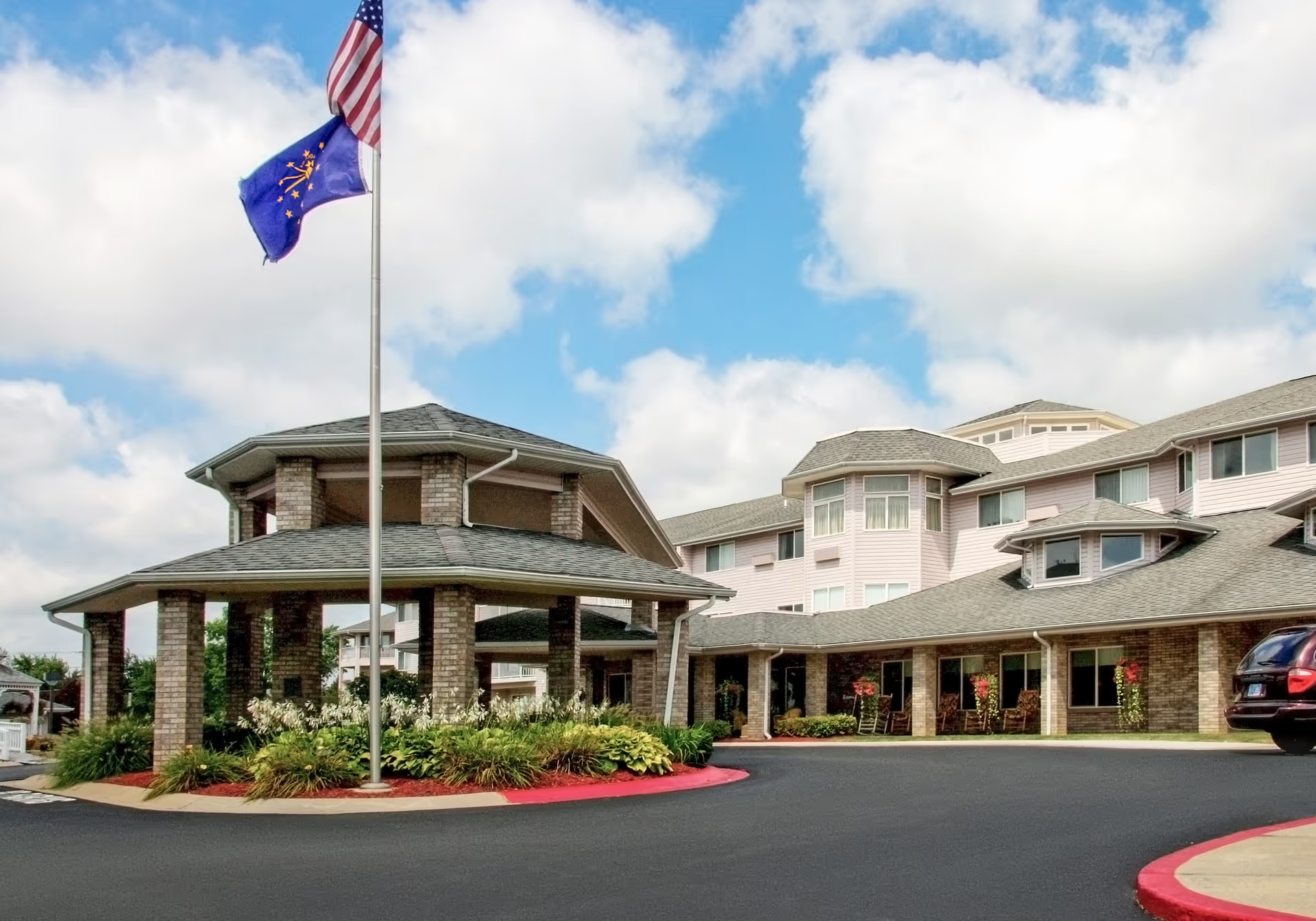
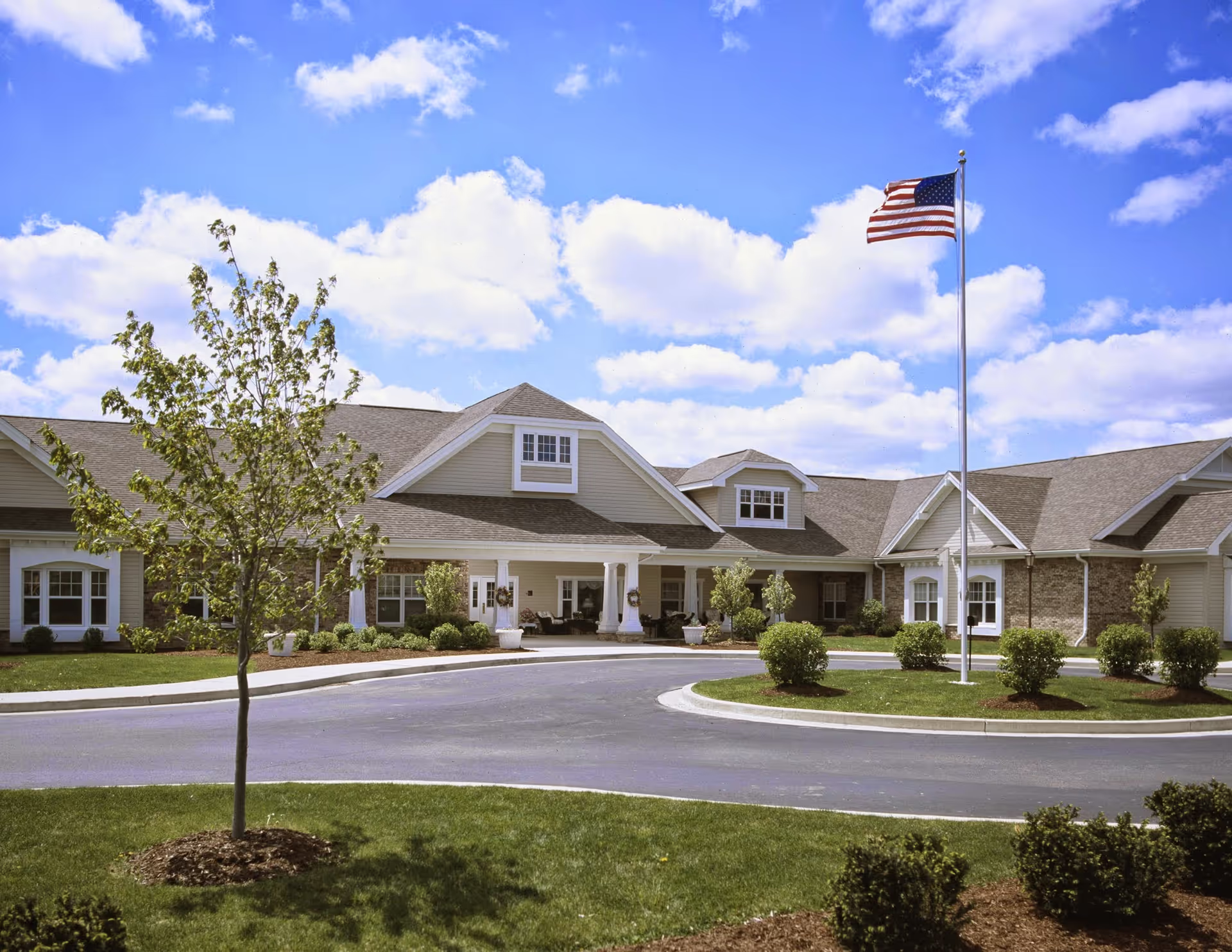
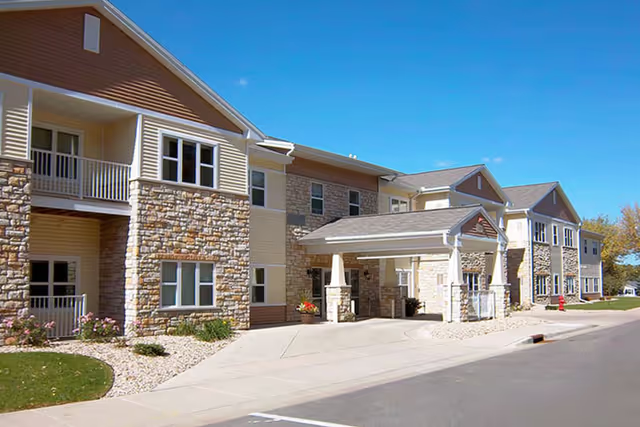
Facility and management patterns present a mixed picture. The campus and grounds are often described as attractive and well-maintained, but the physical plant shows signs of age: ongoing renovations, delayed hot-water delivery in some units, and dated phone/TV/Internet infrastructure were noted. Maintenance responsiveness is commonly praised, yet a pattern of longer repair turnaround times also appears; this suggests variability by issue or unit. Management accessibility is frequently commended—directors and cottage coordinators are portrayed as approachable—but reviewers also flagged concerns about rate transparency and billing communication, including instances of undisclosed rate increases or room-reassignment billing practices that caused family friction.
Notable patterns to weigh when considering Georgetowne Place: the community excels at social engagement, dining-service options, and offering multiple housing configurations that support independence. Conversely, prospective residents and families should confirm specifics about clinical services (medication administration and frequency of nurse checks), inquire about timelines for planned repairs and renovations, verify the provider and quality of telephone/Internet services, and discuss memory-care placement criteria and behavior-management protocols if that level of care may be needed in future. Overall, many reviewers express high satisfaction with the staff, amenities, and community life, while a smaller but important subset raises operational and communication issues that merit direct clarification during a tour and contract review.