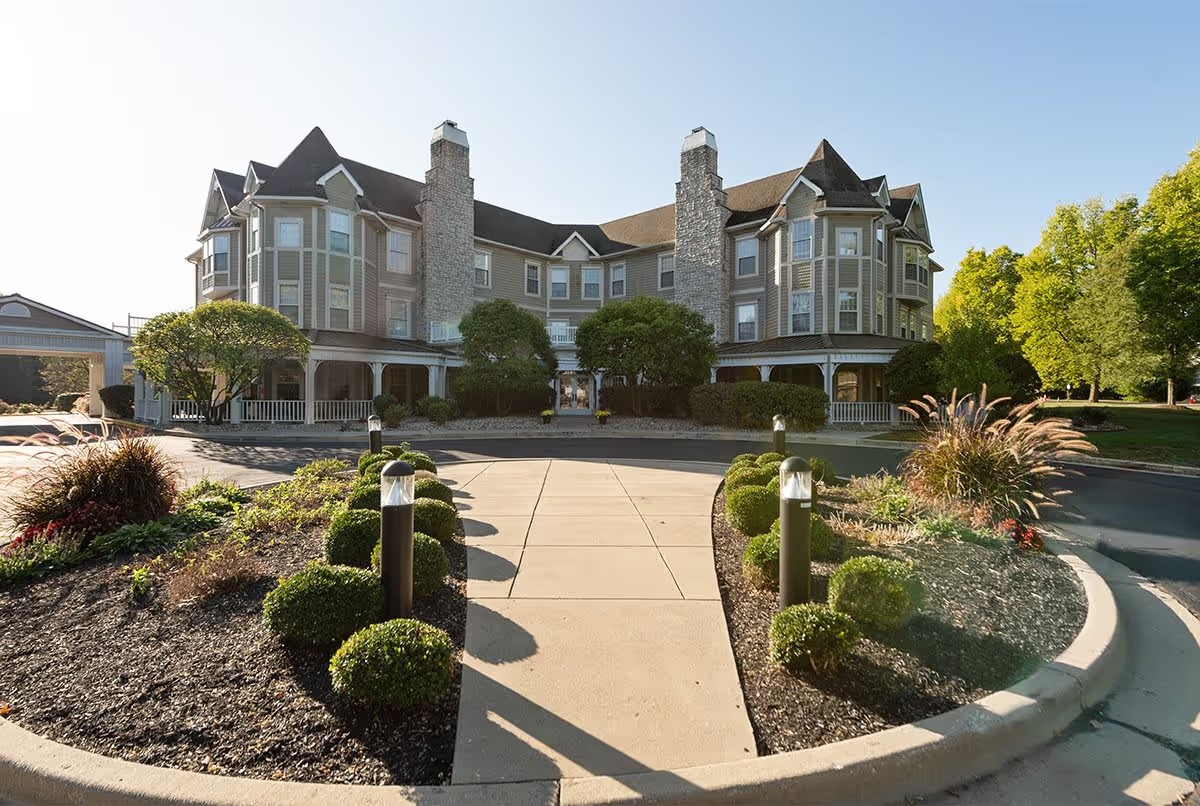
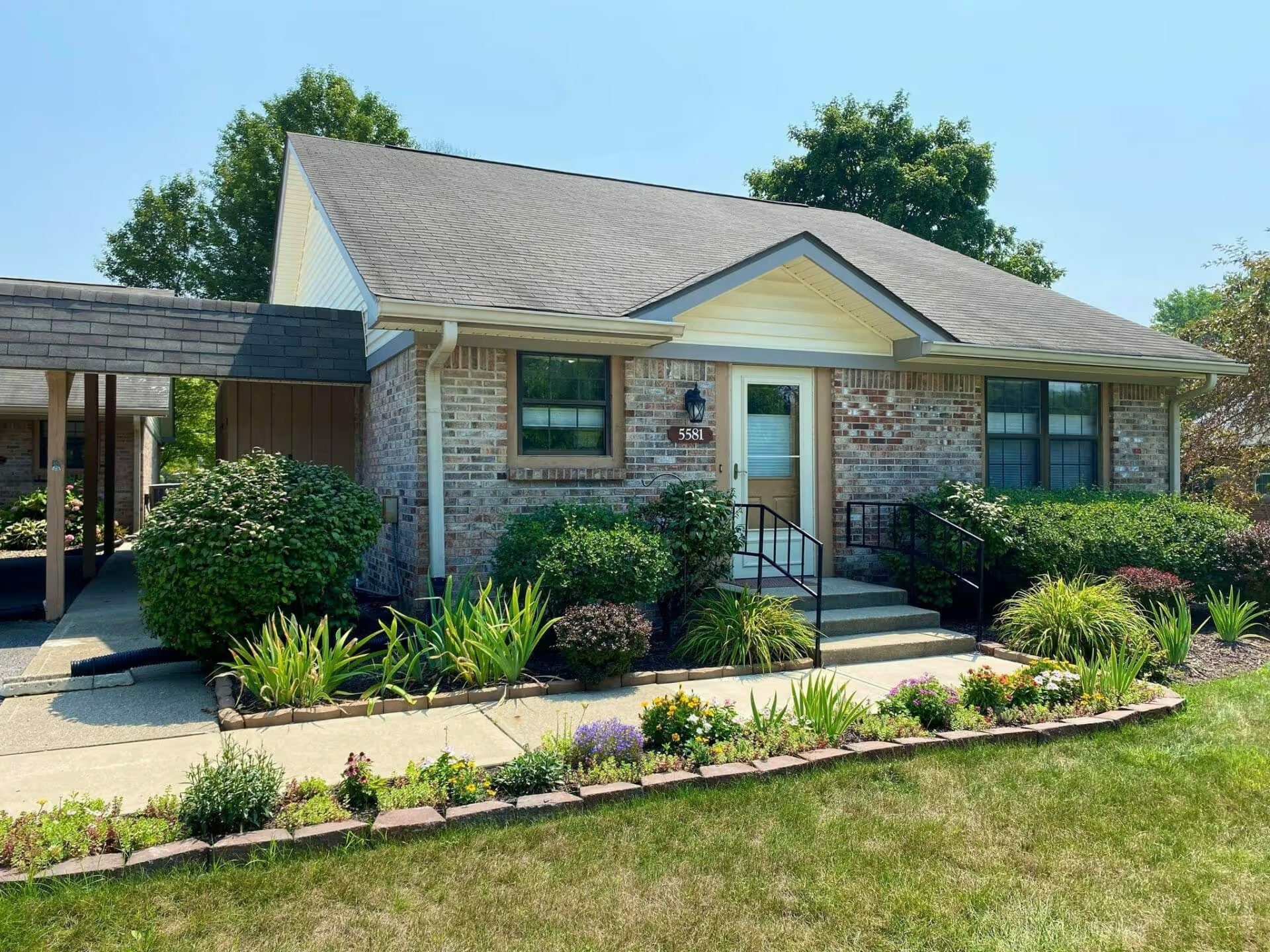
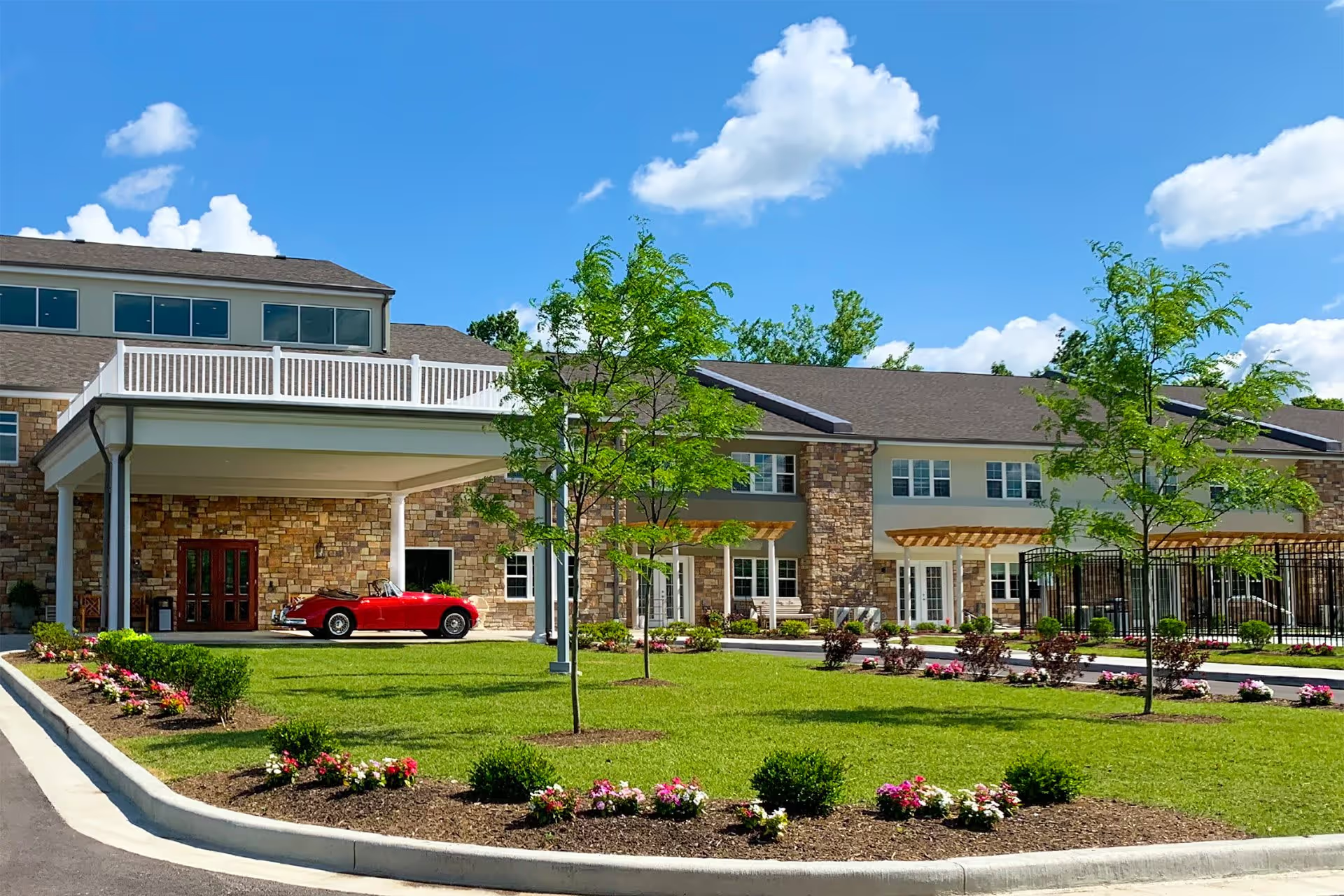
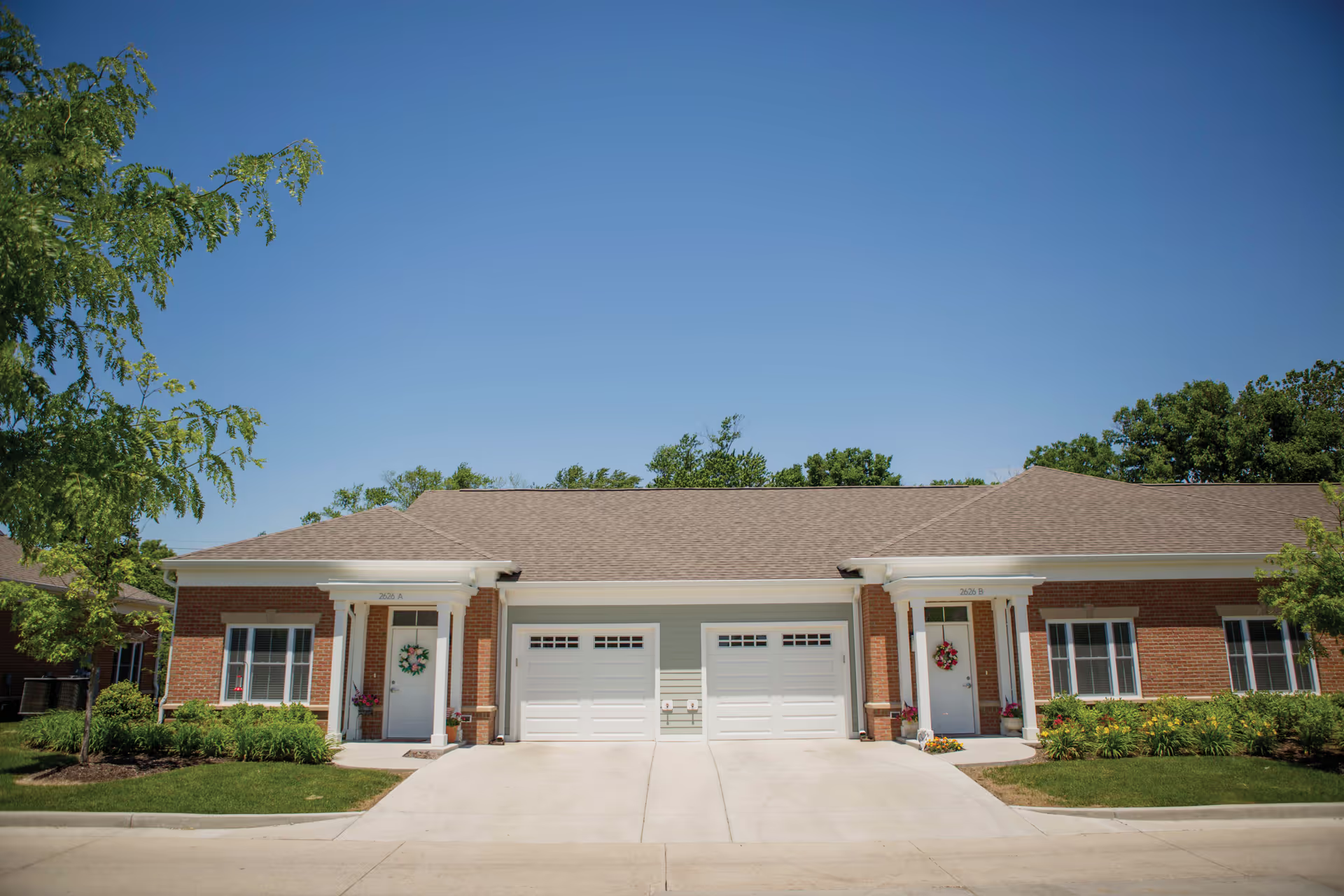
Greenbriar Village evokes a generally positive picture for many families: reviewers commonly note long-tenured, attentive staff, a clean and attractively maintained environment, and a broad activities calendar that encourages resident engagement. The community offers multiple living options (including two memory-care neighborhoods and respite rooms), on-site therapy, and medical coverage with clinicians present on floors at times. Physical features such as roomy apartments in renovated areas, a fenced courtyard with gardening space, and recent remodeling in parts of the building were highlighted as strengths. Several families singled out the admissions and wellness teams as informative and helpful during transitions.
Care quality and staffing present a mixed pattern. Numerous accounts praise compassionate caregivers and competent clinical staff who handled medical situations and transitions well, and night nursing was described as attentive. However, recurring operational concerns include inconsistent staffing levels and coverage that have contributed to slower call-light responses, delays in bathing or assistance, and occasional gaps in direct care availability. These patterns suggest variability in day-to-day staffing and workflow that prospective families should clarify during a tour.
Dining and nutritional services are similarly mixed. The kitchen and long-tenured chef receive praise for varied menus, frequent menu changes, and favorable dishes; many reviewers appreciated meal variety and social dining. At the same time, other comments describe inconsistent meal delivery to rooms, room-service charges, and variability in food quality across units. A few accounts noted limited availability of modified diets (thickened or pureed options) on certain units, which is an important operational question for residents with swallowing or texture-modification needs.
Activities and community life are often cited as a positive element: organized programs, outings, games, religious services, gardening and seasonal events contribute to resident socialization. Some families felt the activity staff could be more proactive in encouraging participation, and activity levels appear to vary by unit and time of day.
Facility condition and maintenance are generally viewed favorably where renovations have occurred: updated flooring, clean common areas, and well-kept grounds are frequent comments. Yet there are also reports raising sanitation and pest-control concerns in some areas, and a number of reviewers described isolated but significant maintenance issues. Concerns about property security and at least one allegation of theft were raised; likewise, some accounts describe gaps in memory-care security and a serious event that indicates a need to review elopement-prevention protocols.
Management and responsiveness show a pattern of engagement: many families reported prompt follow-up, effective billing and maintenance processes, and leadership that implements changes. Conversely, concerns about staff tone, occasional rude interactions, and uneven performance between shifts or teams were noted. COVID-era visitation restrictions affected access for families in earlier periods but were described as easing, with management adapting over time.
Overall, Greenbriar Village demonstrates clear strengths in staff dedication, amenities, clinical availability in parts of the community, and a robust activities program. However, recurring operational issues—especially inconsistent staffing/response times, room-service and housekeeping reliability, pest-control and property-security concerns, and variability in dining or specialized-diet offerings—warrant direct inquiry. Prospective residents and families should ask for current staffing ratios and schedules, call-response metrics, pest-control logs, memory-care security procedures, policies for valuables and theft prevention, and sample menus for modified diets when evaluating fit.