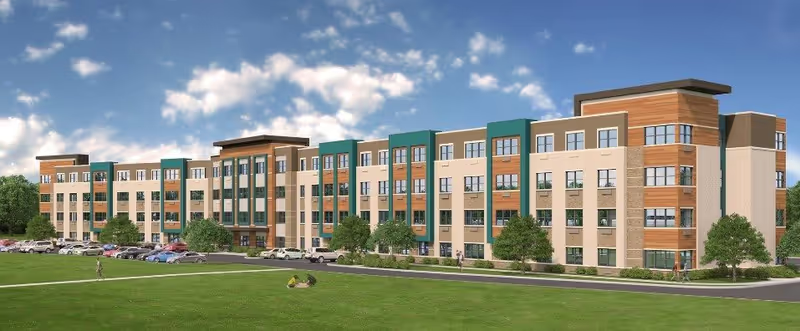
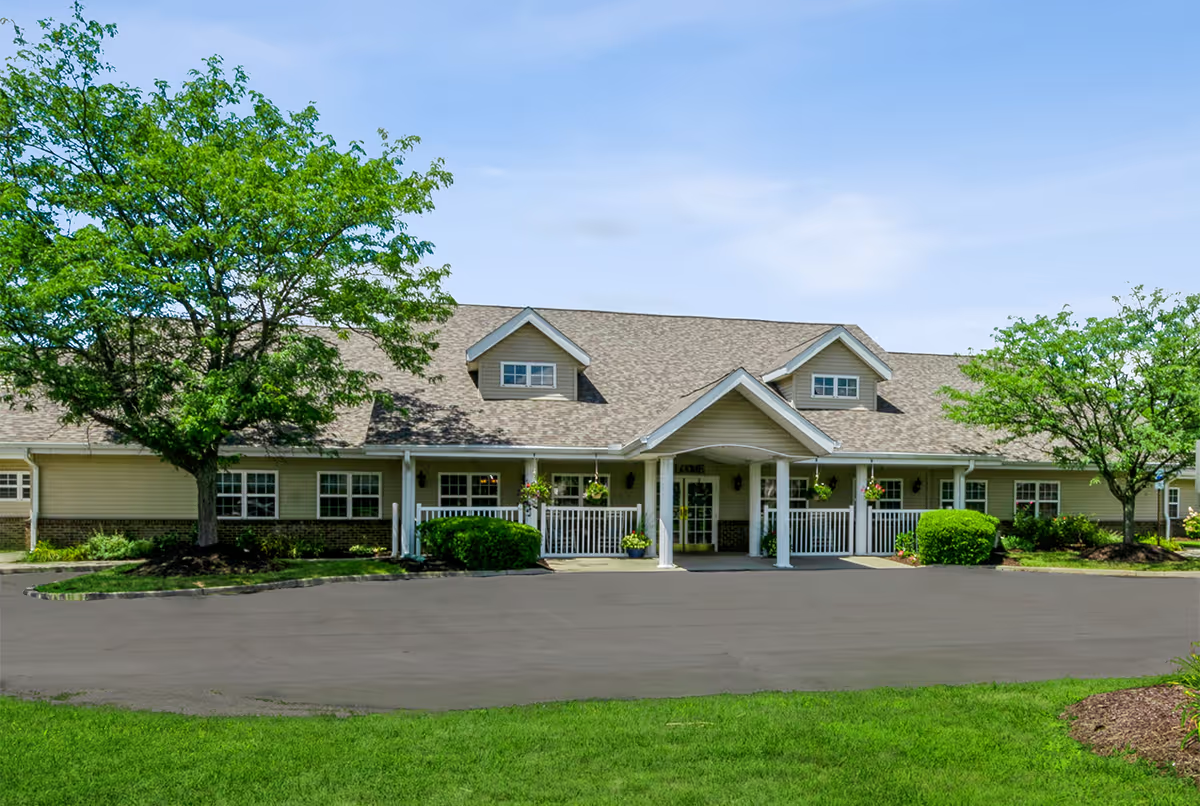
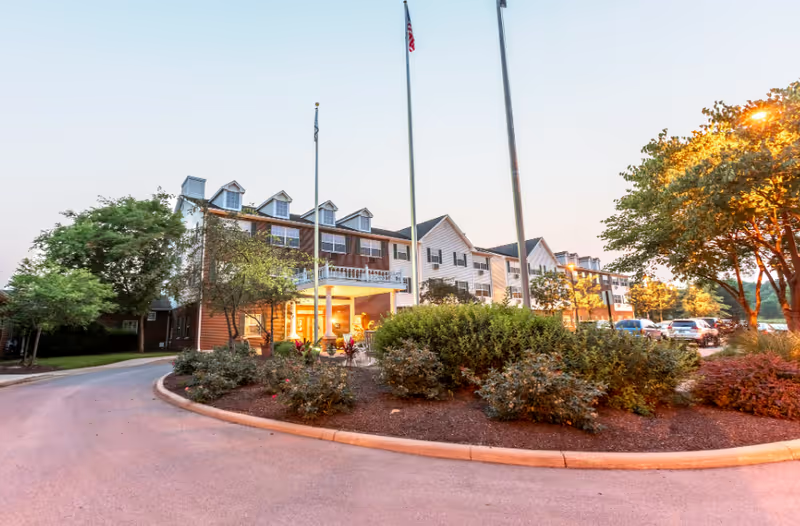
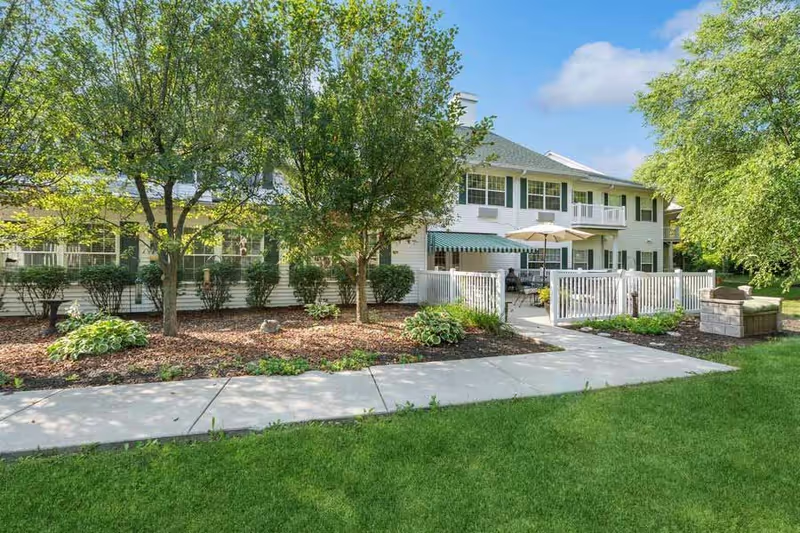
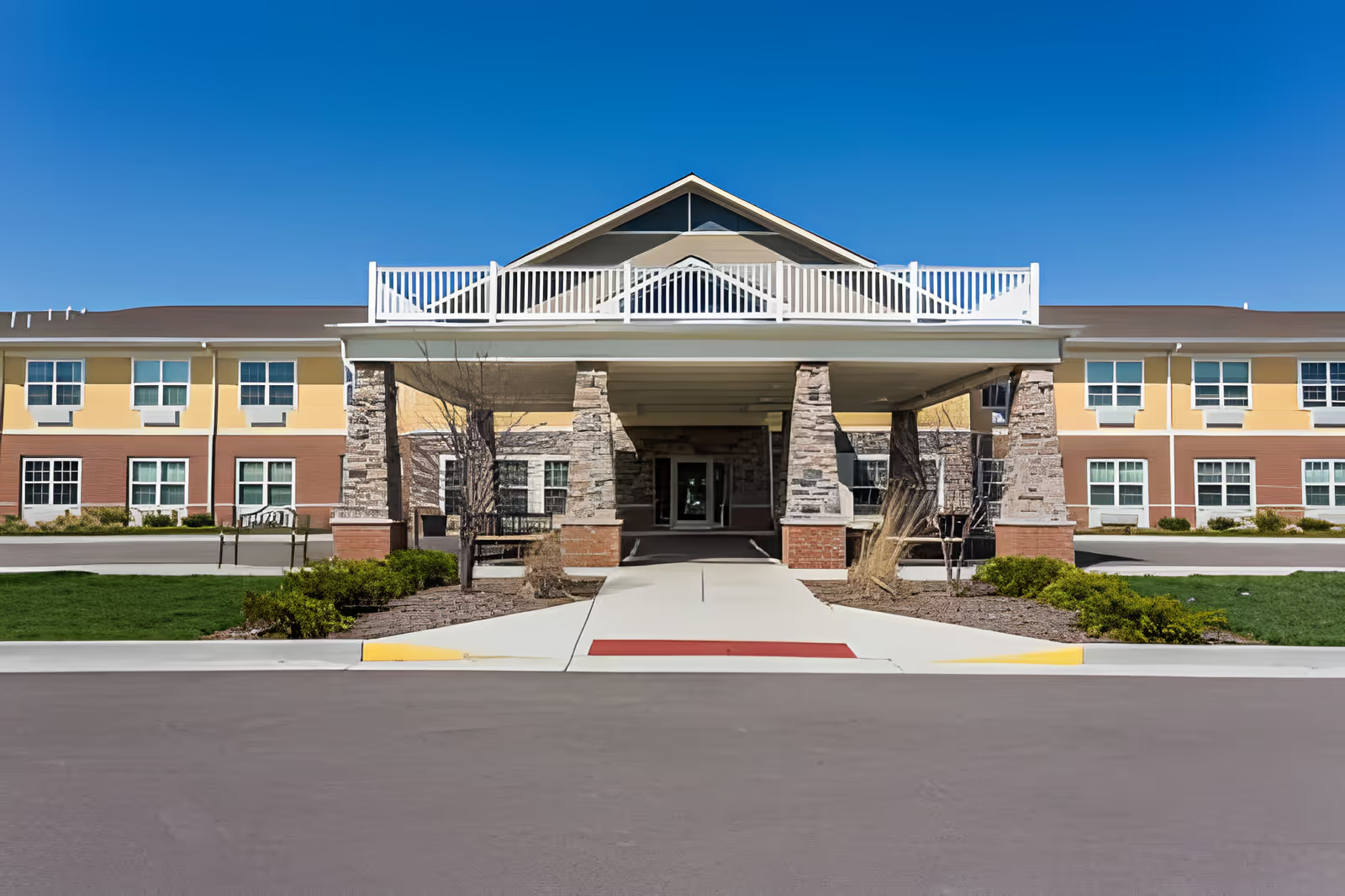
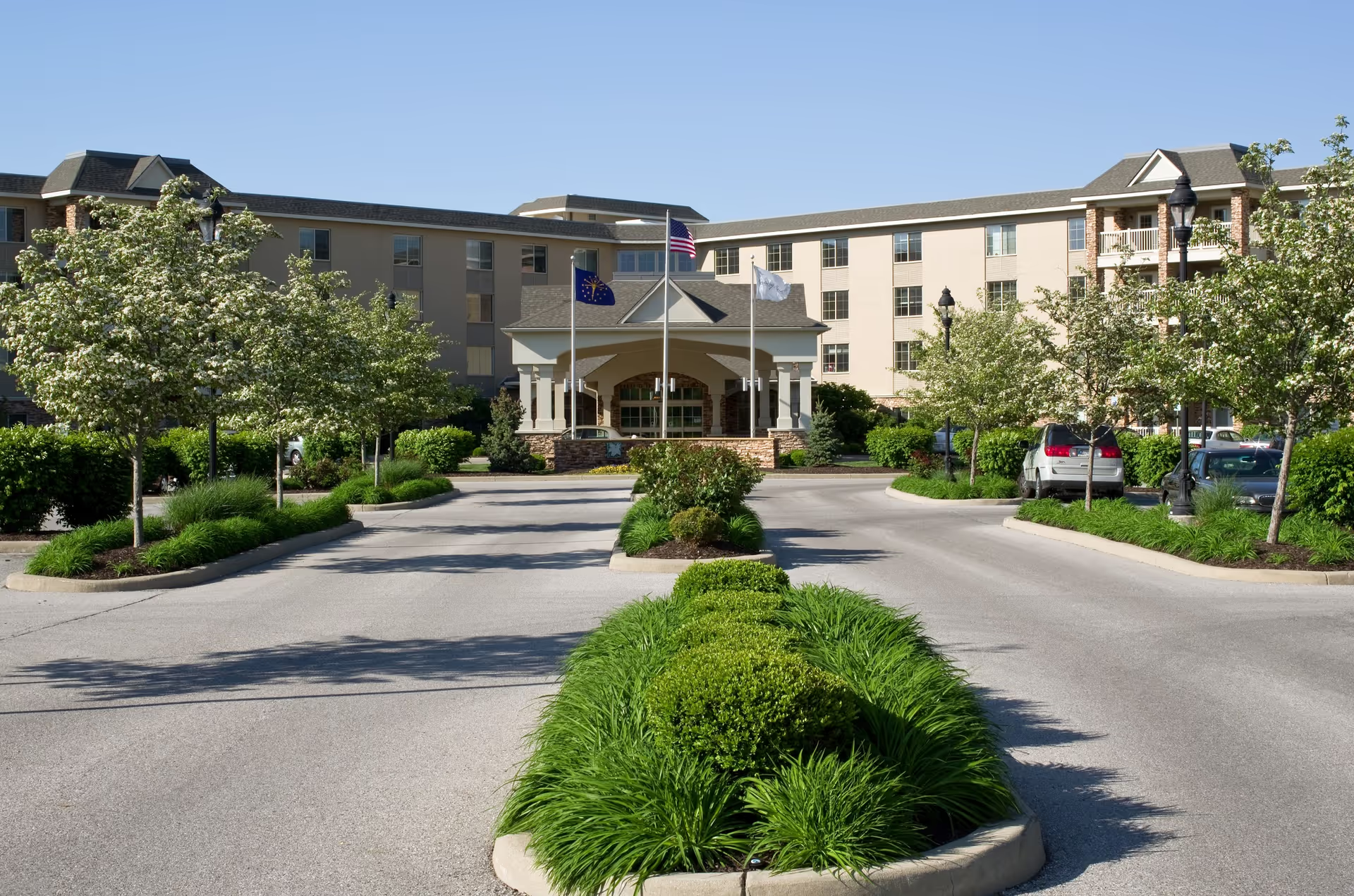
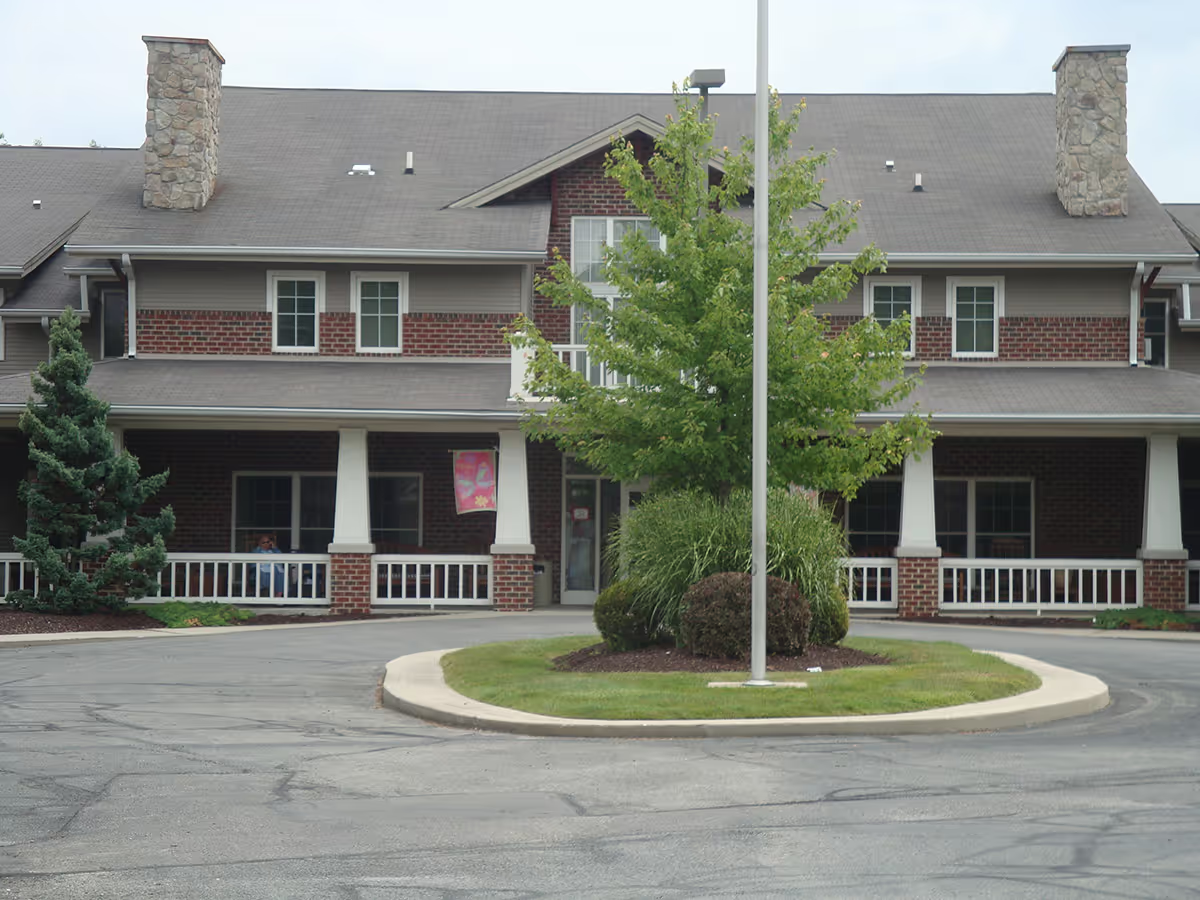
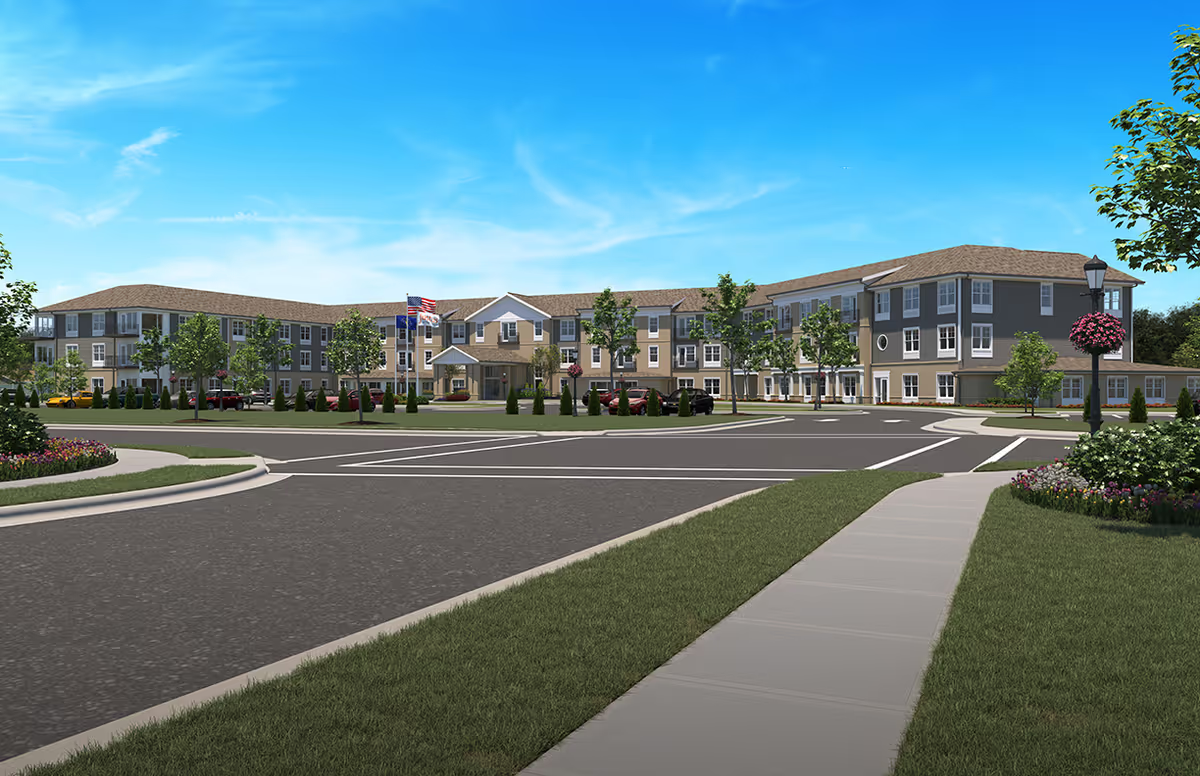
Overall impression: The Oaks at Plainfield presents as a recently renovated independent‑living community with many physical and social strengths. Common areas and apartments are frequently described as clean, modern, and well maintained; on‑site amenities such as a movie theater, exercise room, game room, private dining, and outdoor space support an active lifestyle. Many residents and family members emphasize a strong social environment, friendships, and a broad activity calendar that includes bingo, crafts, outings, movies, and exercise programs. Included services (meals, housekeeping, transportation, utilities) and accessible apartment features (washer/dryer, kitchenette options, wheelchair‑accessible bathrooms, spacious bedrooms) contribute to perceived value for many households.
Care and staff: Staff are often characterized as friendly, caring, and welcoming; numerous comments praise individual employees and the team for responsiveness and engagement with residents. At the same time, reviewers point to variability in staff professionalism and communication tone, and some serious interpersonal complaints were raised about individual conduct. These items suggest uneven staff performance and the need for active management follow‑up. Families should confirm current staffing levels, staff training, and complaint‑resolution procedures during a tour.
Dining and housekeeping: Dining is a central feature—many reviewers appreciate that meals are included and describe appealing dining spaces and accommodating kitchen staff. However, a recurring theme is inconsistent food quality, limited menu variety, and the impact of kitchen staffing challenges on meal availability (for example, changes to hot breakfast or meal service). Apartment cleaning quality also appears inconsistent; some families perform deeper cleaning themselves. Prospective residents should ask about current kitchen staffing, menu cycles, and housekeeping scopes to align expectations.
Activities, safety, and operations: The activity program is a strong point, driving social engagement for many residents. Operationally, reviewers flagged gaps in event coordination and environmental safety oversight (for example, traffic flow or entrance clearance during events), which can create fall risks or logistical problems if not addressed. There are also comments about variability in transportation scheduling and occasional coverage gaps across locations; these are operational traits worth clarifying with management. Additionally, the community does not offer on‑site memory care, so residents needing that level of support would require a future relocation plan.
Management and notable patterns: The dominant pattern is positive—renovated spaces, helpful staff, and active social life—but there are clear, repeated operational concerns: food consistency, housekeeping reliability, staff coverage variability, and occasional lapses in event safety and communications. There are also mixed reports on 24‑hour clinical presence and emergency call systems; families should verify emergency response protocols, security measures, and availability of larger apartment types if that is a priority. During a visit, ask for recent staffing rosters, sample menus, housekeeping checklists, incident response policies, and examples of how the community addresses resident or family complaints to get a sense of how management is addressing the areas noted above.