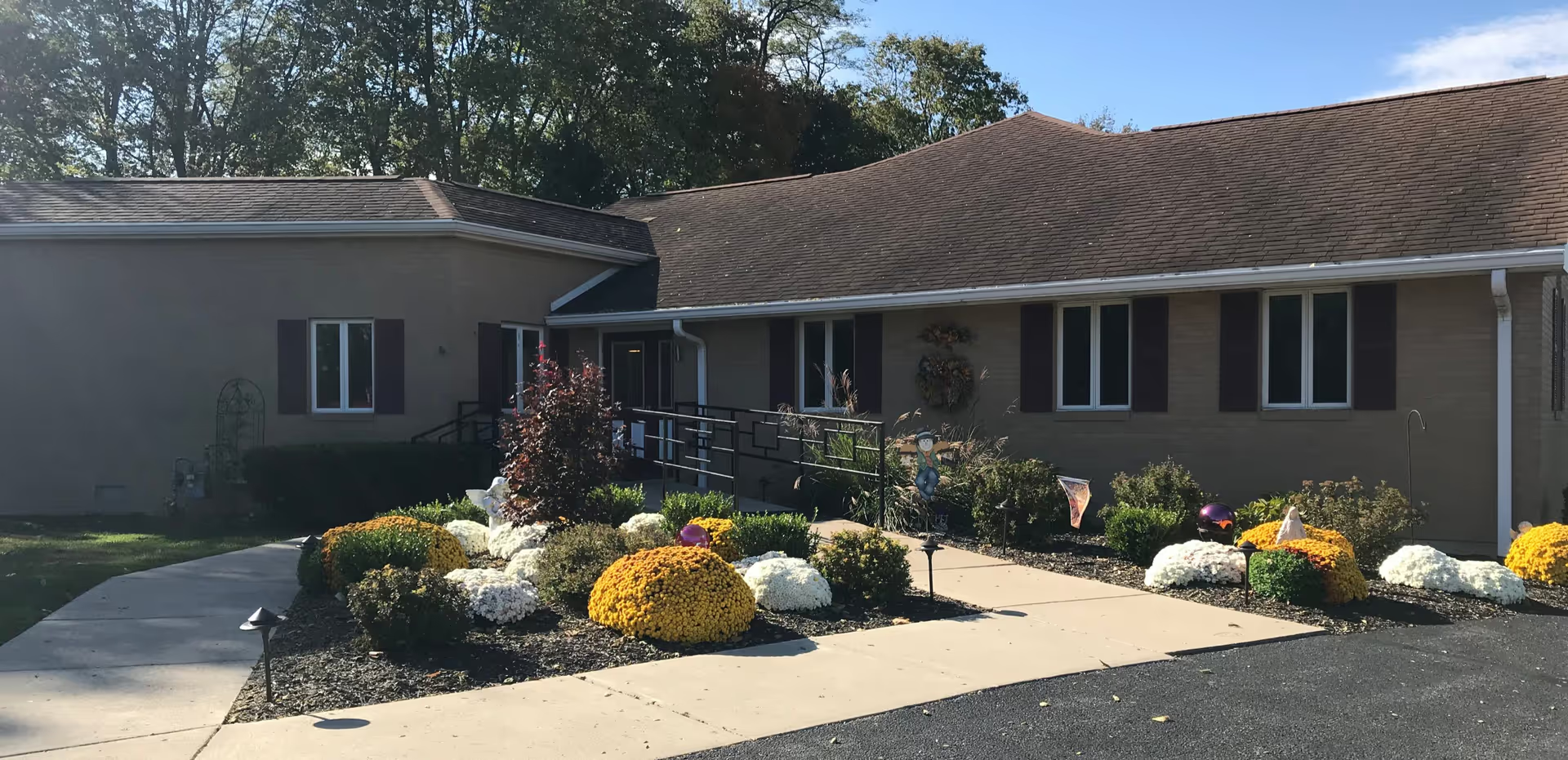
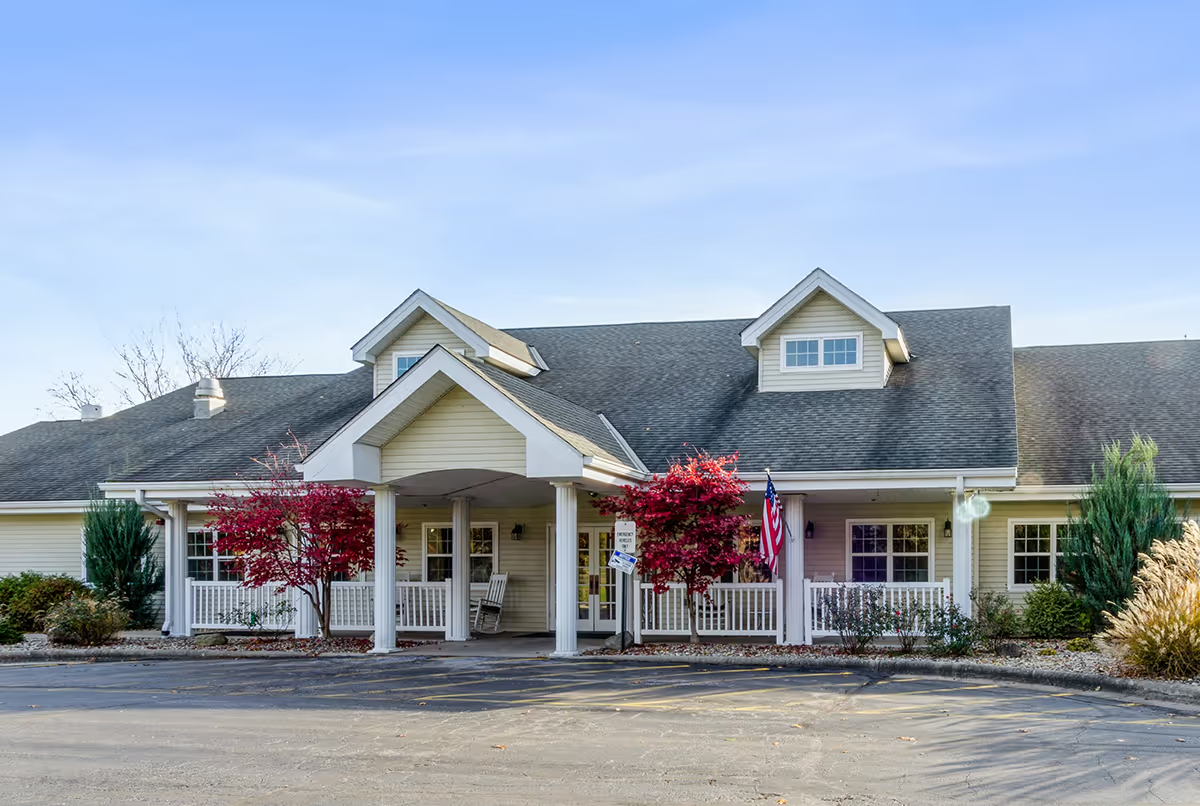
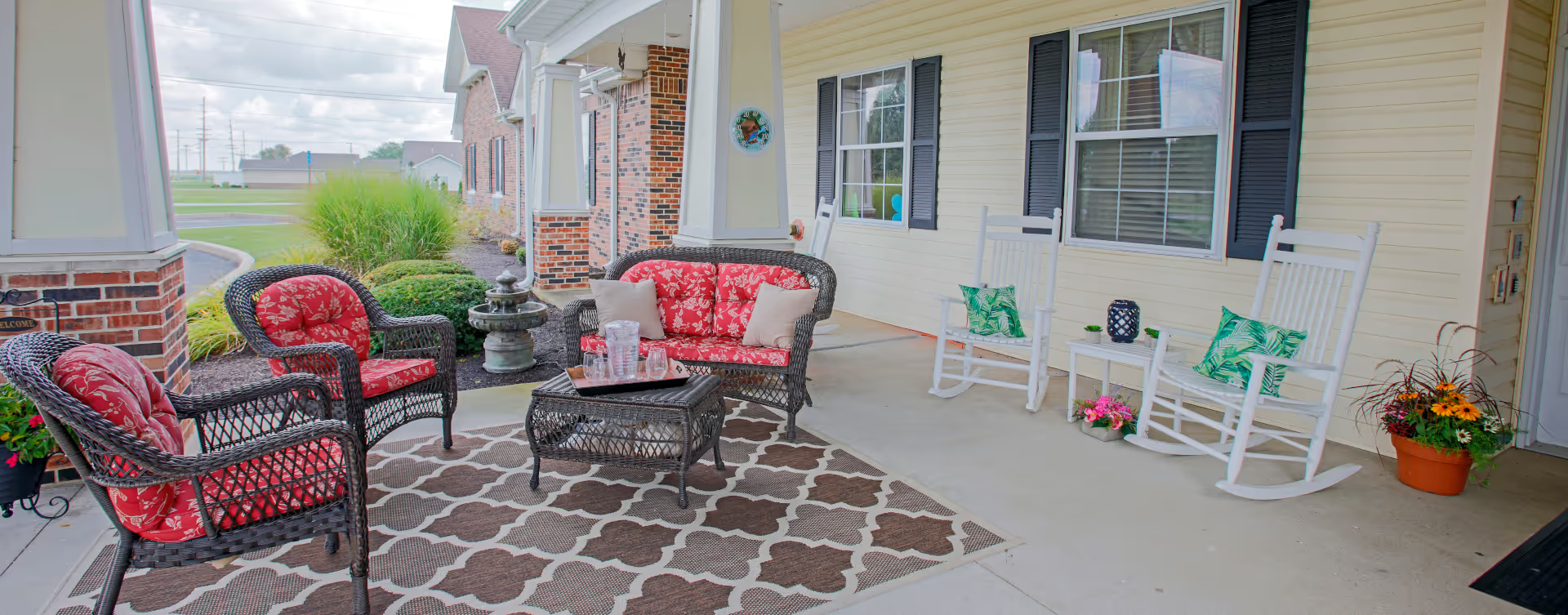
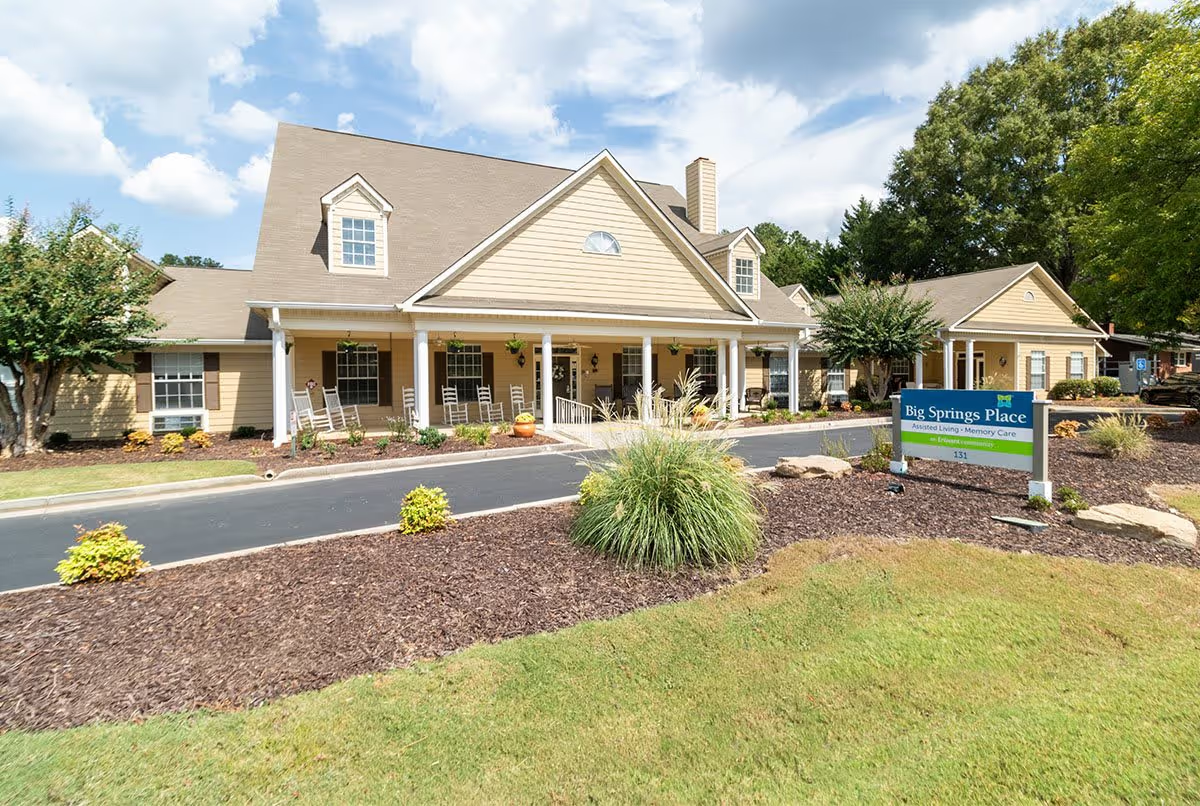
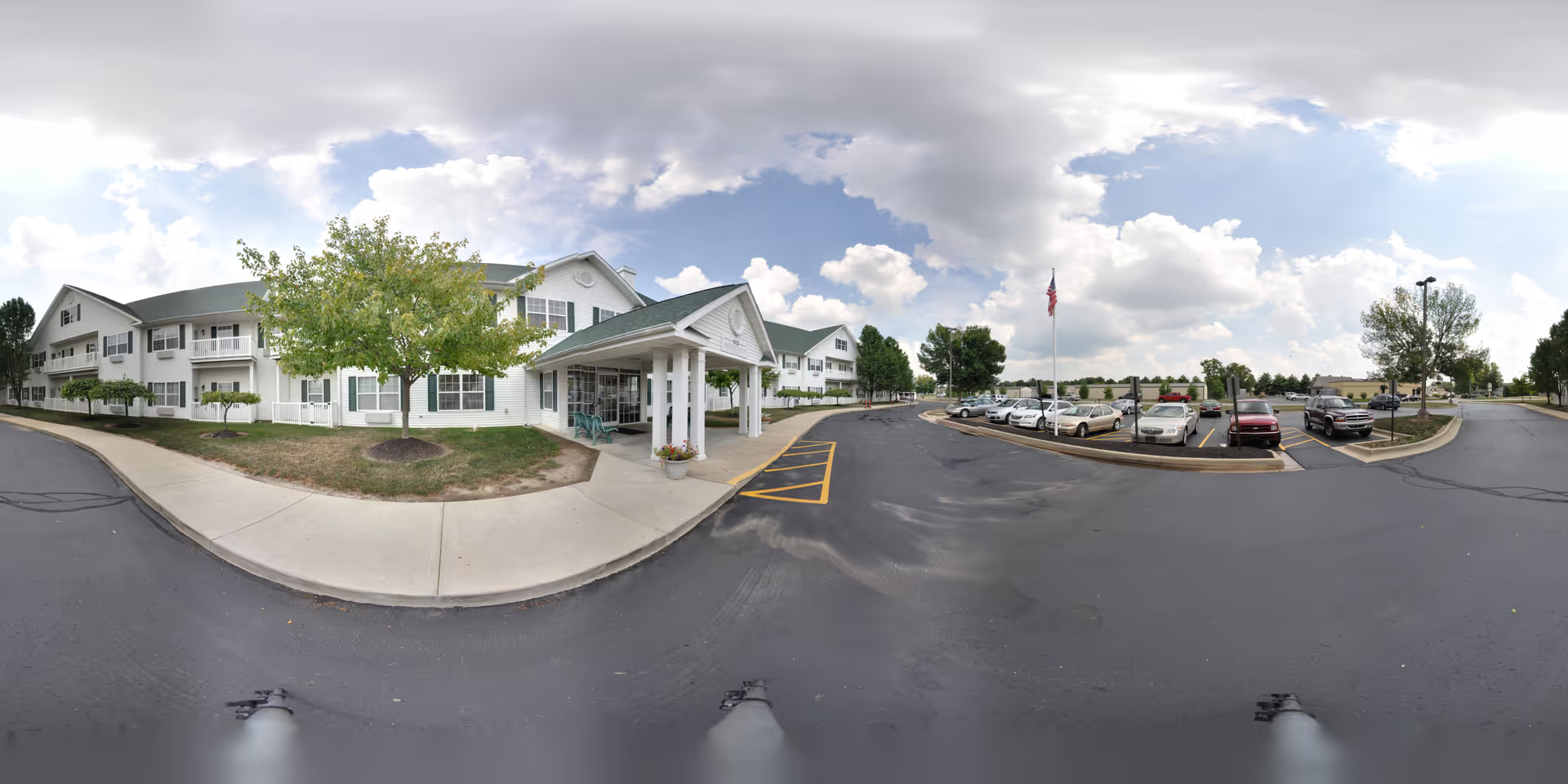
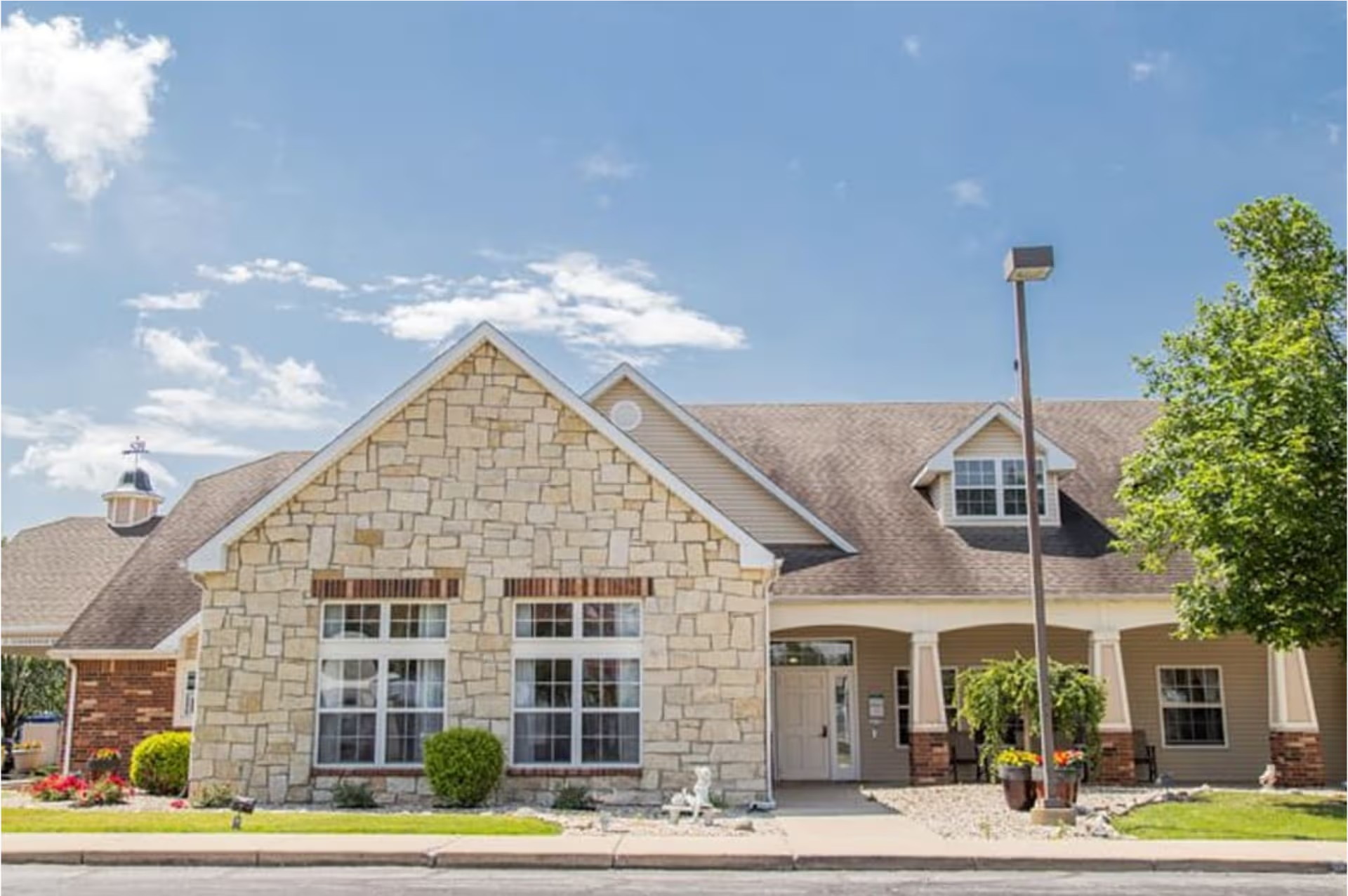
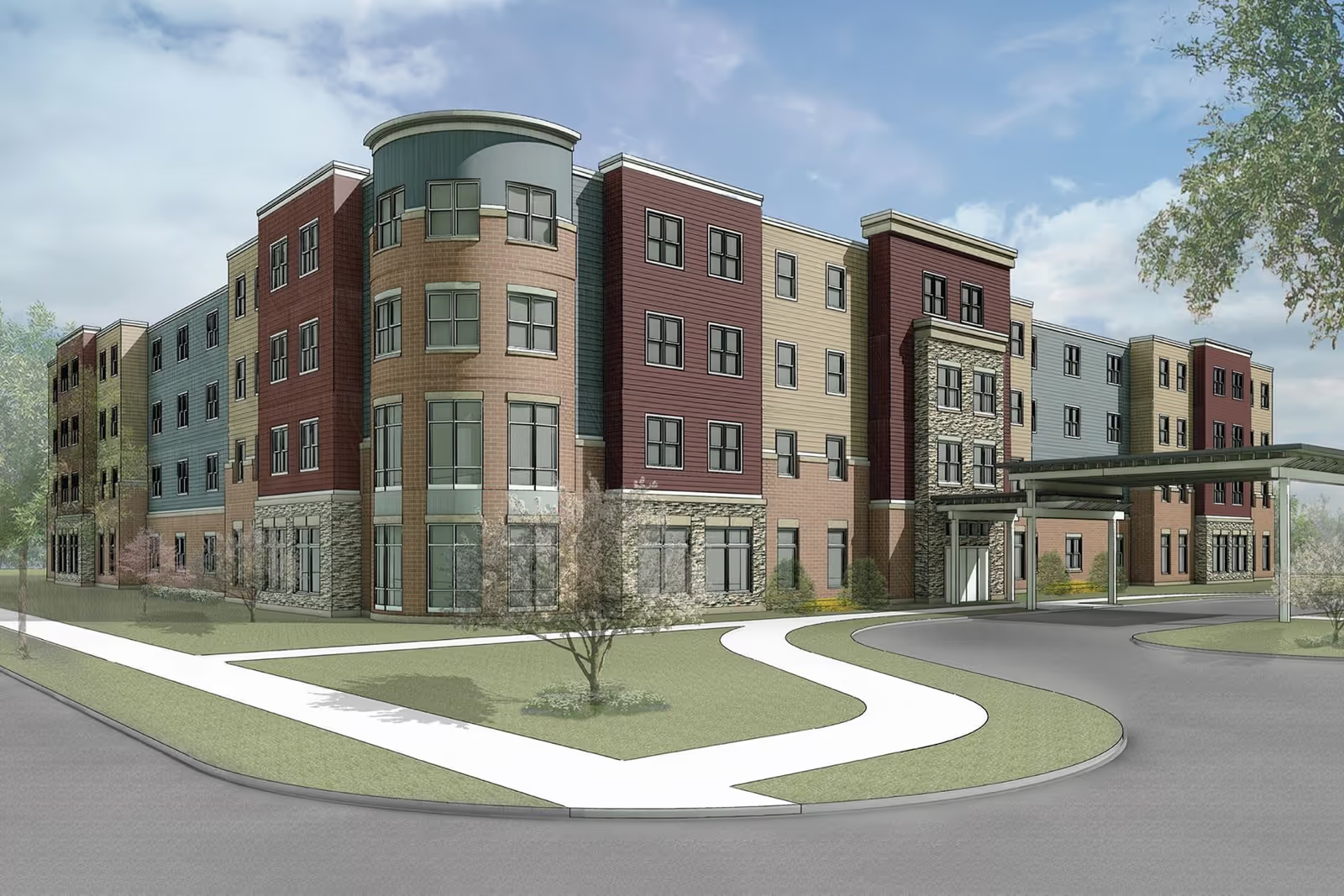
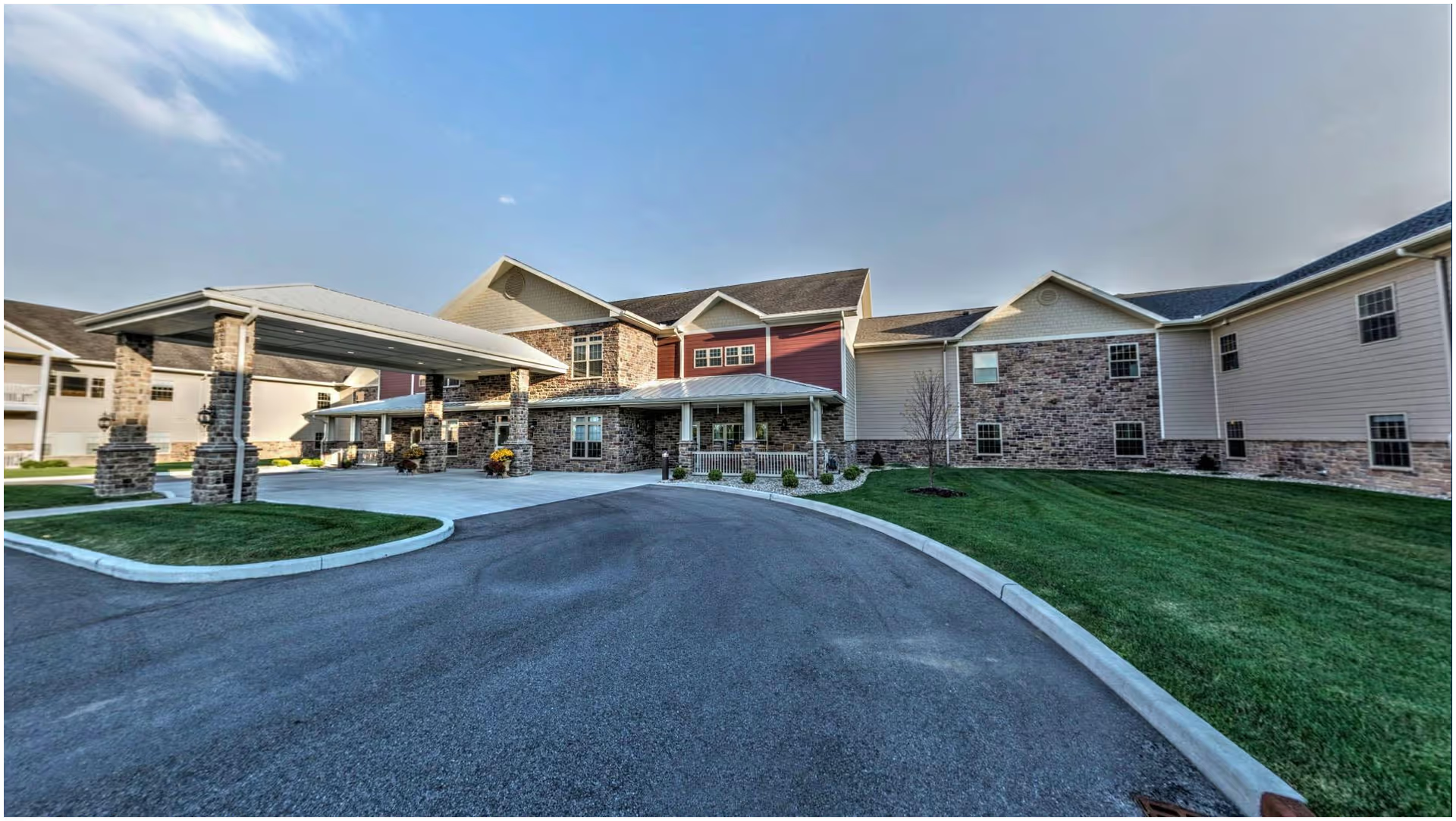
Wynnfield Crossing is consistently described as an attractive, well-maintained independent-living community with spacious apartments and a variety of on-site amenities. Reviewers emphasize cleanliness, comfortable units, and a home-like atmosphere supported by abundant common spaces (dining room, activity center, library, and sitting areas). The community also accommodates end-of-life support and hospice, and several families noted that proximity and facility condition provided reassurance when moving a loved one.
Care and staff interactions are a central strength. The caregiving and administrative teams are frequently characterized as friendly, compassionate, and personable; reviewers often describe family-like relationships, staff who use residents’ names, and staff who go beyond basic duties. Many families praised prompt communications and responsiveness, noting peace of mind when they live at a distance. At the same time, there is a recurring operational pattern of staffing instability: caregiver turnover and understaffing—especially during evenings and nights—were raised as concerns. Those patterns are linked in reviews to training gaps and to limitations in clinical capability, including the absence of dedicated on-site medical staff. There are also descriptions suggesting the facility should review transfer and handling protocols to reduce risk during resident moves.
Dining and food service receive mixed but specific commentary. Numerous reviewers enjoyed the meal variety, friendly dining staff, and 24/7 options; multiple social dining experiences and pleasant interactions in the dining room are cited as positives. Other reviewers described inconsistent food quality, occasional bland or menu-mismatched meals, and raised kitchen-staff training concerns. These comments suggest reliability of meal service can vary by day or shift rather than being uniformly strong or weak.
Activities and community life are frequently highlighted as assets. The program offers a broad calendar — music, singing, concerts, Bingo/Keno, outings, parties, and smaller social options — that supports socialization and pastimes for residents. Several reviewers described the community as personable and engaging, noting that participation is encouraged and that residents are well-integrated into social events.
Management and cost issues present a mixed picture. Many families reported helpful, informative administrative staff who resolve issues promptly and create a trusting environment. Conversely, high monthly rent and additional level-of-care charges were a common concern, with affordability and perceived value questioned by some. Location was also noted as a drawback by some families who found the community distant from their preferred area.
Overall, Wynnfield Crossing appears to offer a high-quality physical environment, strong hospitality-oriented caregiving, and a rich activity program. Prospective residents and families should weigh those strengths against operational concerns: staffing stability (particularly overnight), training consistency in both clinical and kitchen areas, limited on-site clinical coverage, and the facility’s cost structure. For someone prioritizing an attractive, active independent-living setting with attentive staff and hospice capability, Wynnfield Crossing may be a good fit; for those with high clinical needs or strict budget constraints, further inquiry into staffing levels, transfer protocols, clinical availability, and a detailed fee breakdown is advisable.