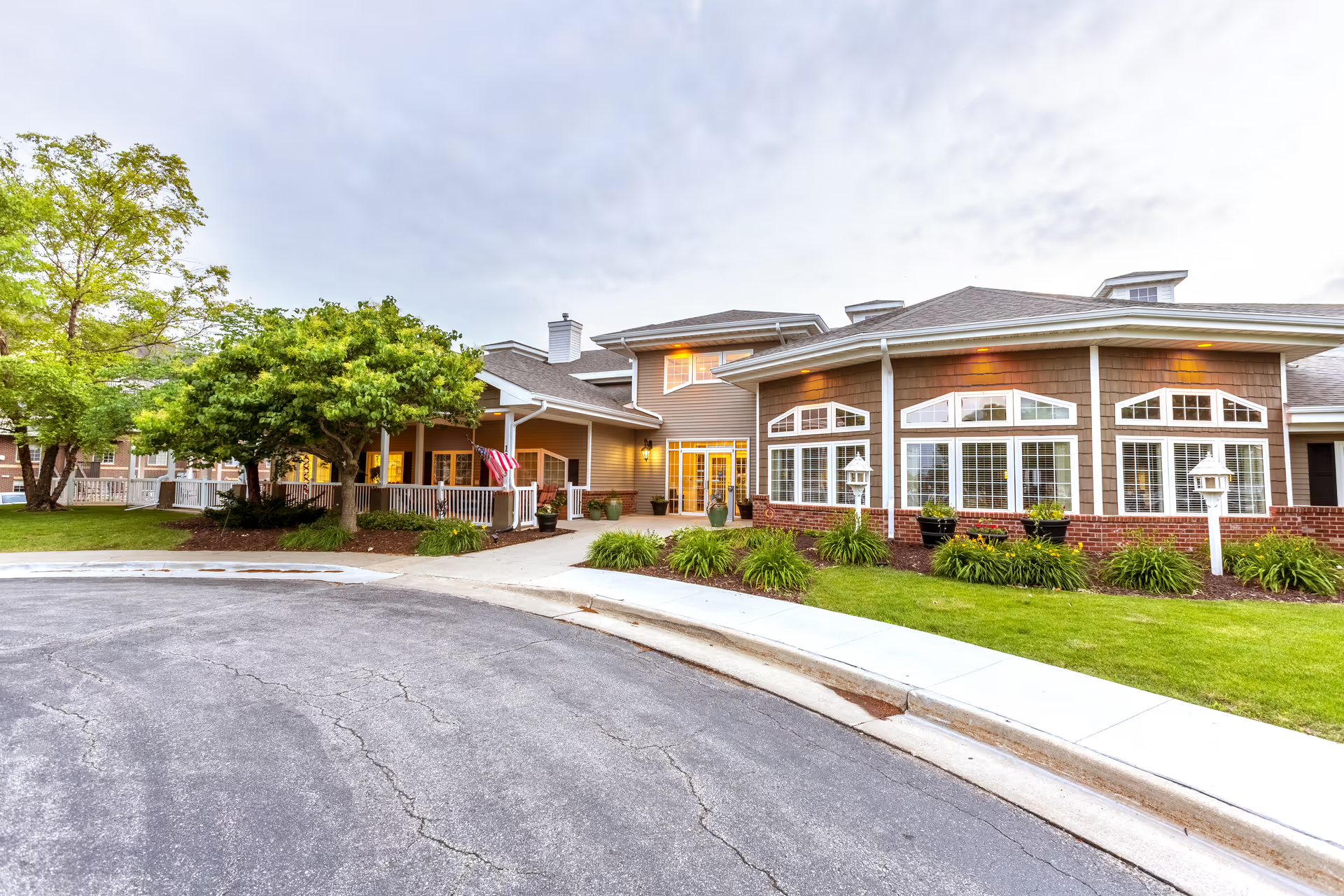
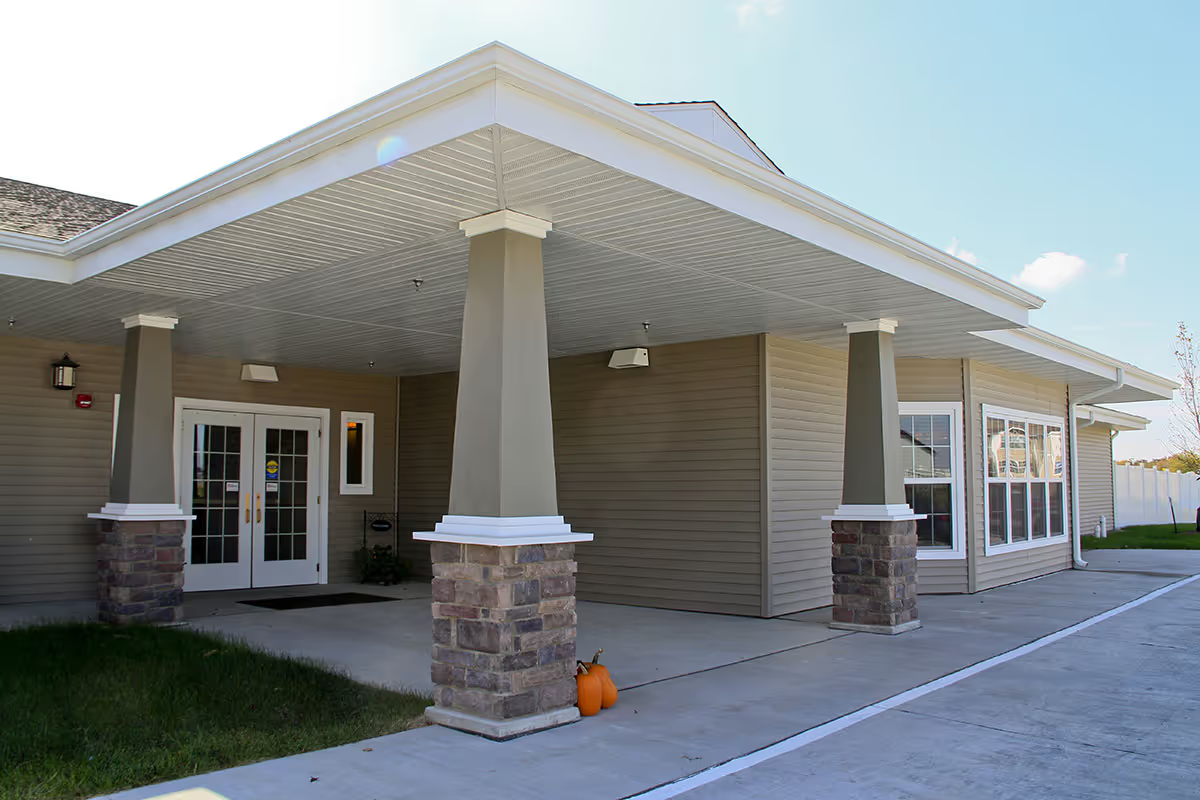
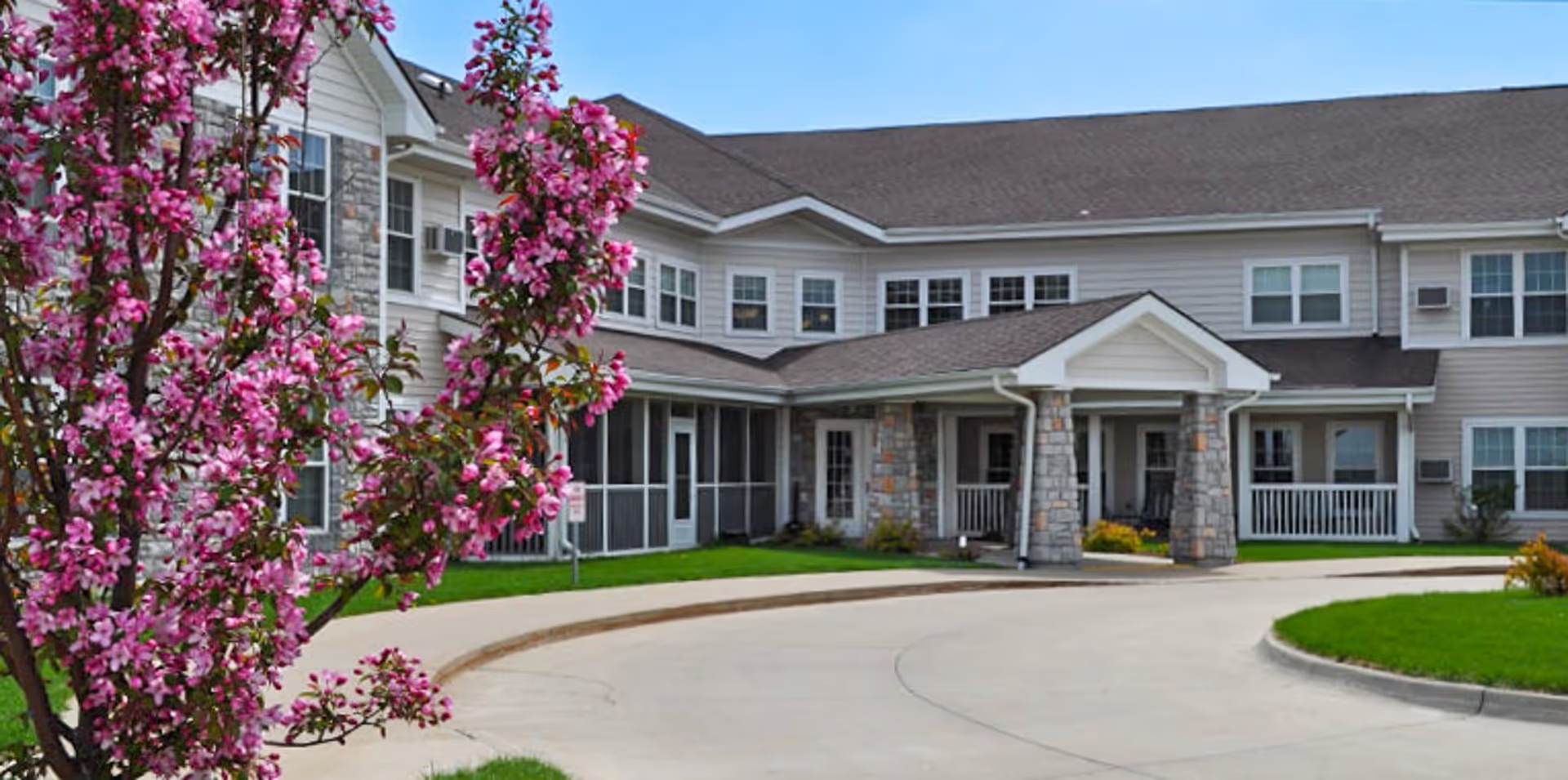
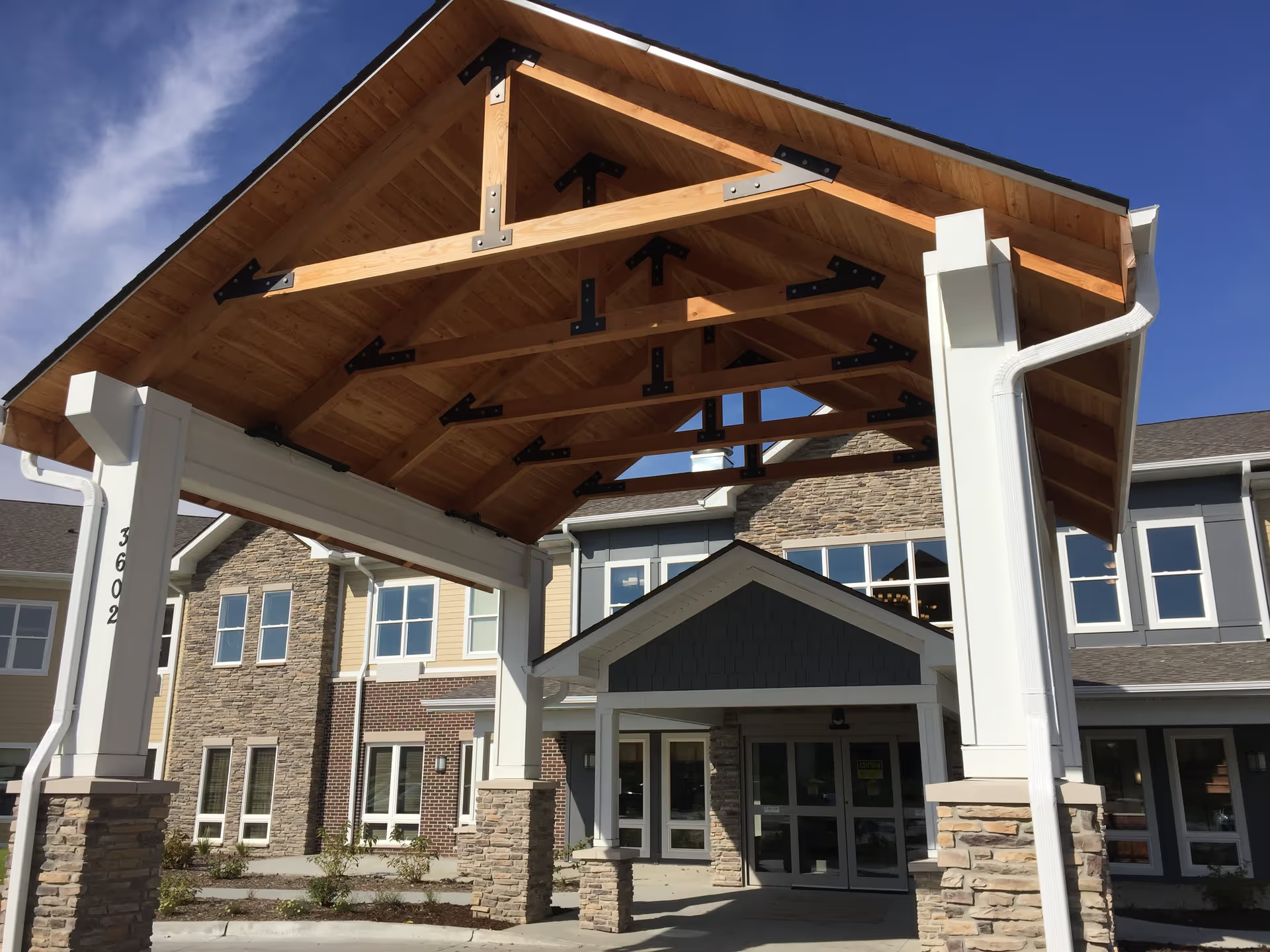
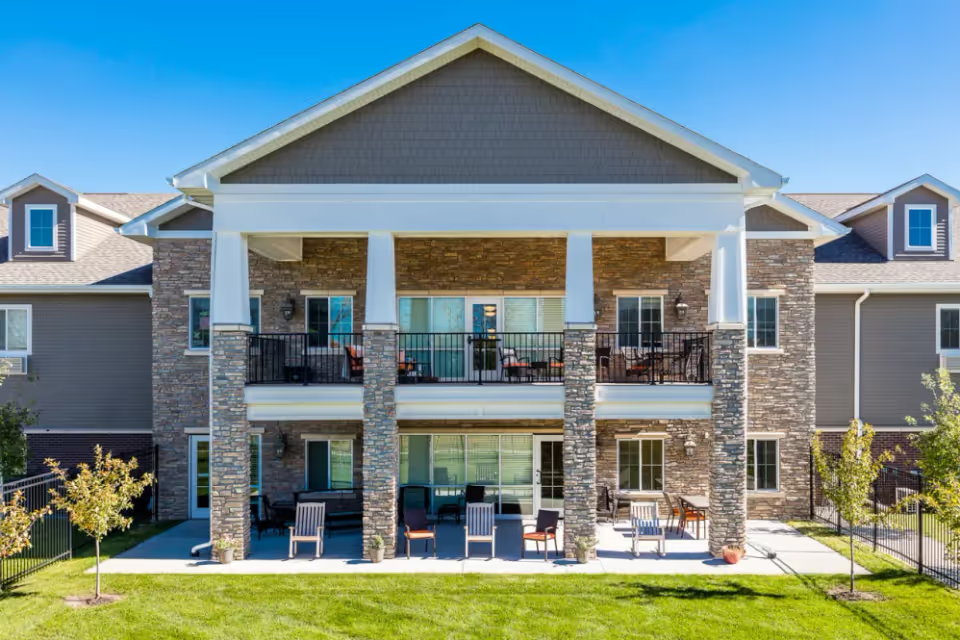
Overall impression: Bickford of Ames presents as a clean, well‑maintained, small community with many features families find attractive: a single‑story, mobility‑friendly layout, a pleasant interior environment, an enclosed courtyard, multiple common spaces (including a salon and private dining room), and pet‑friendly policies. Many reviewers praised the facility’s housekeeping, grounds, and the home‑like atmosphere created by decor and seasonal touches. The community’s family‑advocate role and some long‑tenured staff were repeatedly identified as strengths that help families through transitions.
Care and staff: Care quality is described unevenly. Numerous comments emphasize kind, compassionate caregivers who provide attentive assistance and go “above and beyond,” and several reviewers named specific staff advocates who facilitate care coordination and family communication. At the same time, there are recurring concerns about inconsistent staff communication style and responsiveness; some family members described staff tone as condescending or unhelpful, and others reported management follow‑up failures. A few reviews raised concerns about clinical response and communication around critical incidents, which suggests opportunities to strengthen incident response protocols and family notification practices.
Dining and activities: Dining receives mostly favorable feedback for homemade meals and special touches, though reviewers also described occasional variability in meal quality. Activity programming is available and includes regular daily options, but some families felt the offerings lacked variety or deeper engagement for certain residents. Where activities and community events are active and well‑run, reviewers reported a positive effect on resident mood; where programming felt limited, families wished for more diverse or tailored options.
Facilities and operations: The physical environment is a clear asset — clean dining areas, pleasant lighting and smells, and comfortable communal spaces. Room sizes and private space can be limited in some unit types, which may be important for prospective residents who prioritize larger private rooms. Operationally, a few practices raised concern: medication distribution and privacy during medication rounds, employee boundary controls (for example, staff selling items to residents), and inconsistent enforcement of staff‑appearance policies. Security is described as tight (locked entry with fob access); some families appreciate the safety, while others perceive it as restrictive.
Management and admissions: Experiences with admissions, billing, and management are mixed. Several families praised smooth billing and helpful onboarding, while others reported miscommunication, last‑minute cancellations, or difficulty getting callbacks. Pricing is frequently noted as higher than alternatives, with some families calling out price increases. The facility’s response to family concerns and clarity of communication during transitions and clinical events appears to be an area where consistency could be improved.
Notable patterns and considerations: Prospective residents and families who value a small, well‑kept community with strong advocacy, attentive caregiving, and accessible outdoor space are likely to view this community favorably. Families should ask specific questions about medication‑administration procedures, privacy during personal care, activity variety and customization, room sizes, and how the community handles admissions communication and incident notification. If a resident does not require dementia‑level services, families should clarify the care model to ensure it aligns with the prospective resident’s needs. Overall, the facility offers several operational and environmental strengths alongside a set of recurring operational concerns that are worth discussing during a tour and in follow‑up conversations with management.