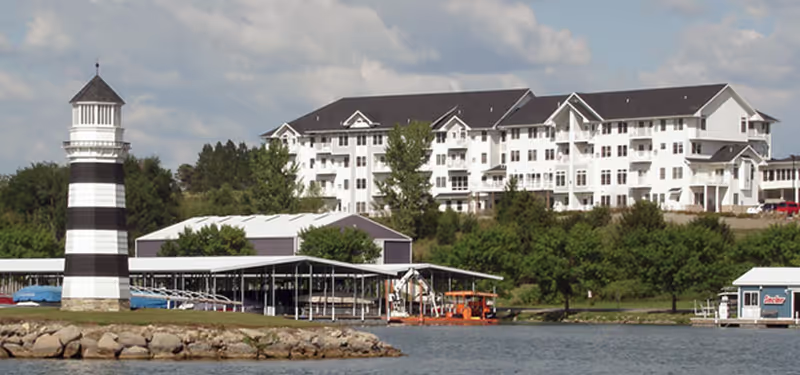
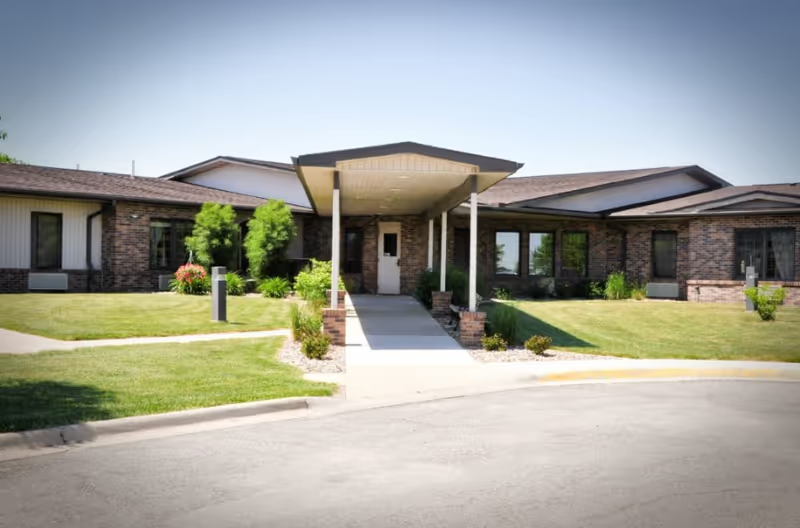
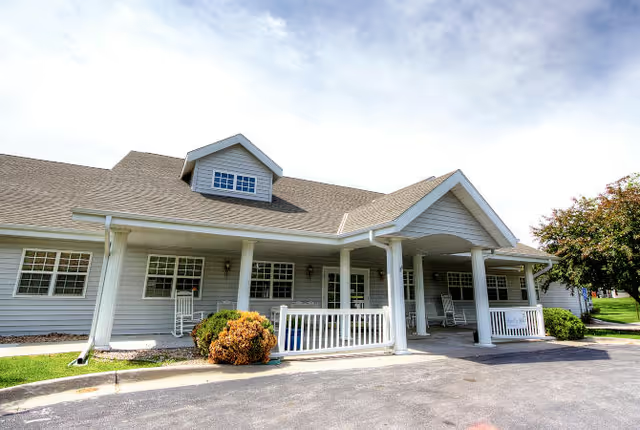
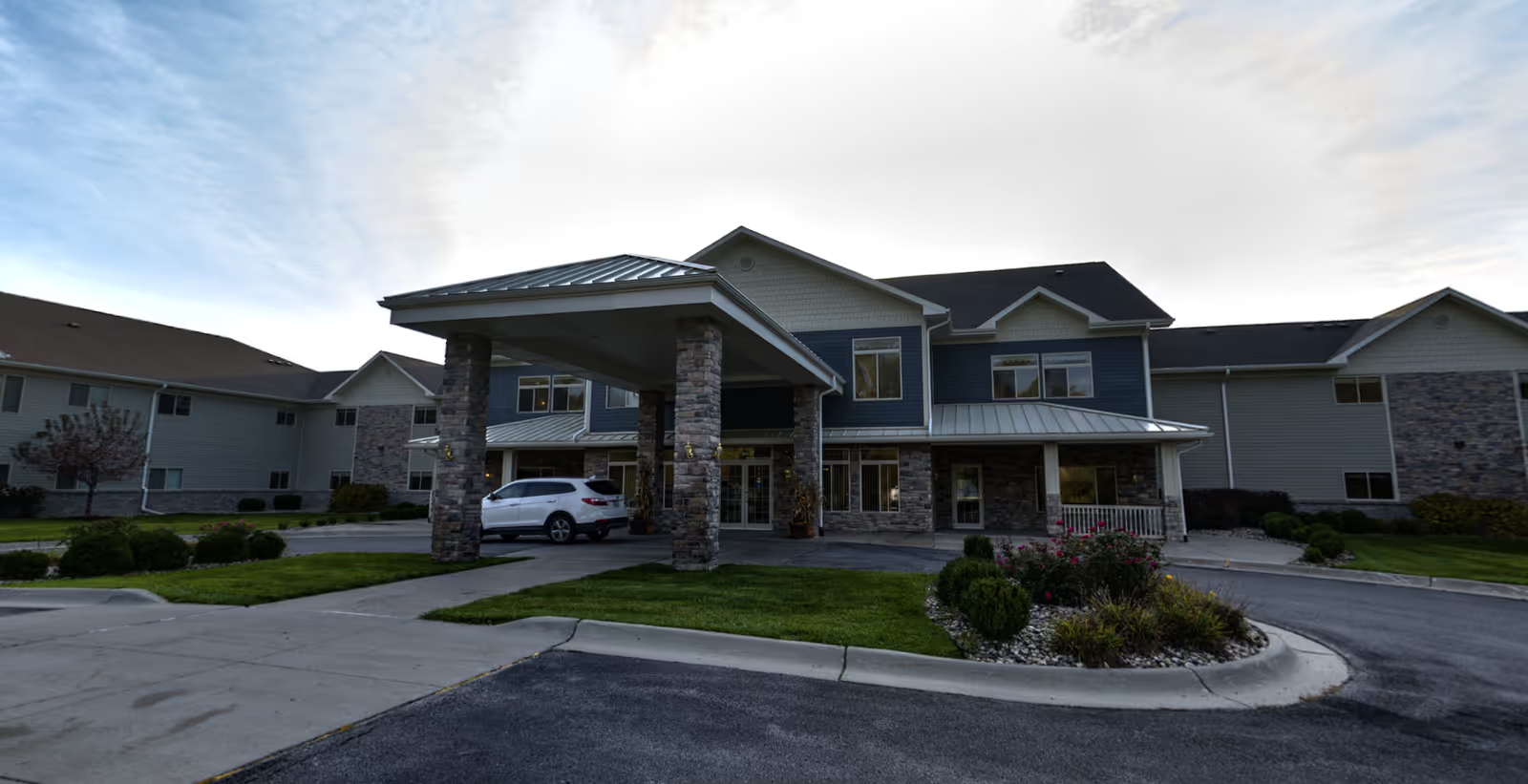
Reviews for Atlantic Specialty Care describe a facility with clear strengths alongside operational weaknesses that prospective families should evaluate. On the positive side, many commenters highlighted genuinely compassionate, attentive nursing and aide staff who create a warm, family-like atmosphere. The facility receives consistent praise for its rehabilitative services and physical therapy, including adaptive programs that helped some residents regain mobility. Clinical strengths are also noted: several accounts reference strong wound-care expertise and effective treatment plans. The activities program is frequently described as engaging, with live entertainment and community-sponsored events that contribute to resident well‑being. Dining is generally regarded as fair to good with a varied, seasonal menu, and the building layout, personalized rooms, and pleasant views are seen as assets.
Counterbalancing those strengths are recurring operational concerns. A prominent pattern across reviews is inconsistent staffing levels and scheduling, which reviewers linked to delays in care tasks and longer wait times for assistance. Related issues include medication-administration and documentation weaknesses: reviewers described delayed or missed medications, and a few raised serious medication‑safety concerns that warrant further inquiry. Communication gaps between staff and families — including unclear handoffs and inconsistent documentation — were also noted and can complicate care coordination.
Several reviews described variability in day‑to‑day caregiving processes: inconsistent personal‑care and bathing routines, irregular linen-change and room‑sanitization practices, and occasional bed or mattress problems. These items point to gaps in training, supervision, and quality-control procedures; some reviewers explicitly called out insufficient staff training and supervisory oversight, as well as turnover and workplace-culture concerns that can affect continuity of care. There are also mentions of inconsistent enforcement of facility policies (for example, smoking rules), which may reflect broader managerial follow-through challenges.
Management and leadership receive mixed comments. Many families praised a kind administrator and responsive leadership, and these positive reports align with the accounts of caring staff and strong clinical programs. At the same time, the operational issues described above — staffing, training, medication and documentation controls, and variability in personal‑care processes — suggest areas where management attention could materially improve resident experience and safety.
For prospective residents and families: consider visiting during a mealtime and an activities period, ask about current staffing ratios and turnover, request the facility’s medication-administration and incident-reporting policies, and inquire how training and supervision are handled for new or junior staff. Reviewing recent inspection reports and asking for references from current families can also help corroborate the positive clinical and social aspects while clarifying how the facility addresses the operational concerns raised in several reviews.