Overall impression: Reviews of Avoca Specialty Care are mixed, with a clear pattern of strong hands-on care delivered by many nurses, aides, and support staff alongside recurring operational weaknesses that affect care consistency. Prospective residents and families will find numerous positive accounts of individualized attention, organized services, and robust programming, but should also be aware of recurring themes—primarily around staffing, clinical consistency, privacy controls, and communication—that may influence daily experience.
Care quality: Numerous descriptions highlight attentive caregivers, personalized medication routines, and daily wound and clinical monitoring for residents who require it. These accounts indicate the facility can and does provide effective clinical care and individualized plans when staffing and nursing oversight are functioning well. At the same time, other accounts describe gaps in those same clinical processes (for example inconsistent wound-care follow-up and missed or delayed medication-related attention), suggesting variability in clinical practice and follow-through.
Staff and professionalism: Many reviews praise staff as kind, dedicated, and respectful toward residents. Simultaneously, several accounts raise concerns about inconsistent staff conduct, including reports of a brusque tone or unprofessional interactions and occasions when staff attention was diverted (for example phone use during shifts). There is also an allegation of a privacy breach related to posting medication information on social media; this specific claim underscores a broader need for clearer privacy controls and staff training on confidentiality.
Dining and activities: Dining and activity programming are frequent strengths in the feedback. Meals are described as nutritious, tasty, and tailored to dietary requirements, with friendly kitchen staff noted for accommodating needs. The facility also offers frequent socialization, exercise classes, and faith-based activities that many residents and families find valuable for maintaining social engagement and well-being.
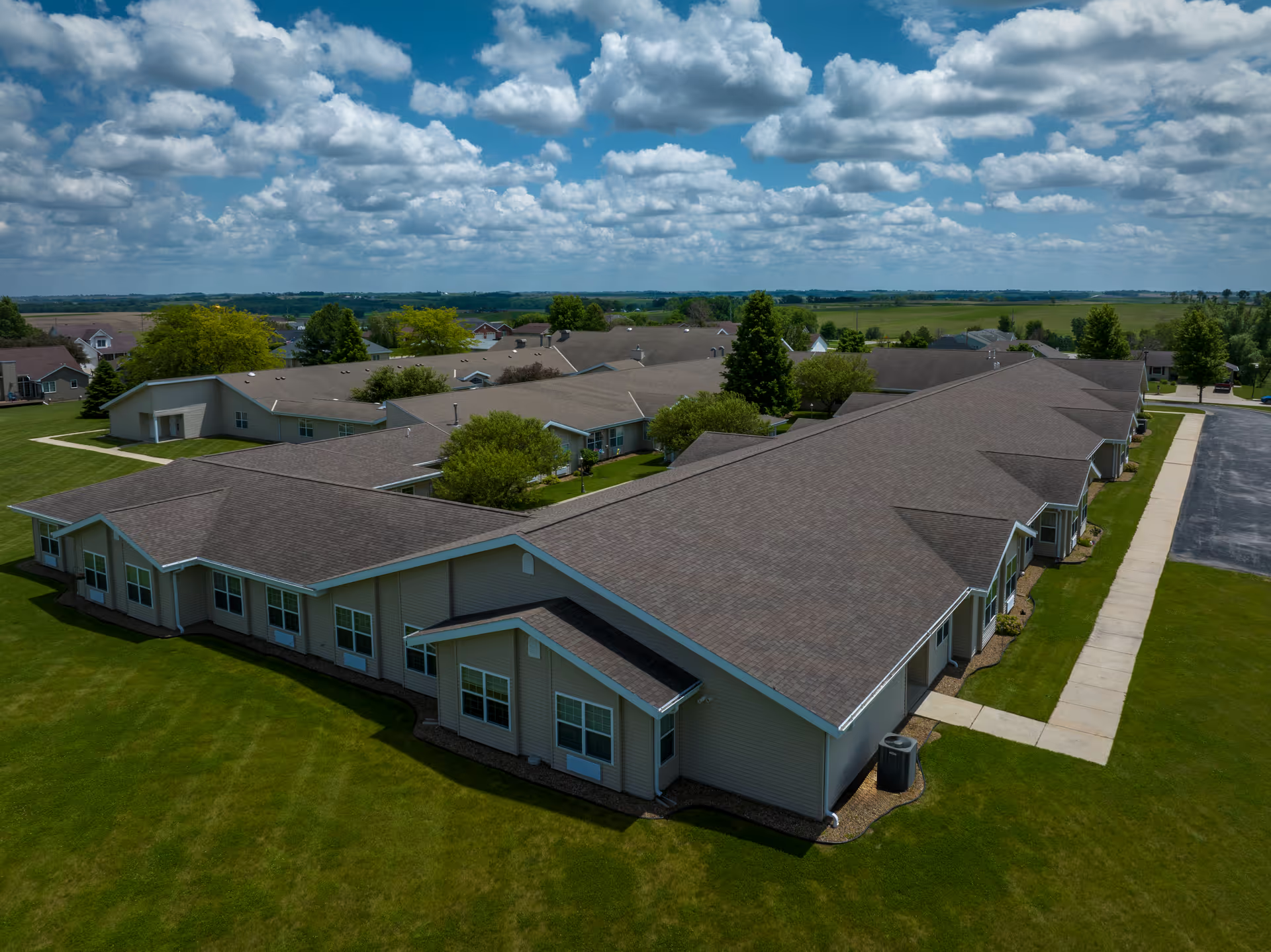
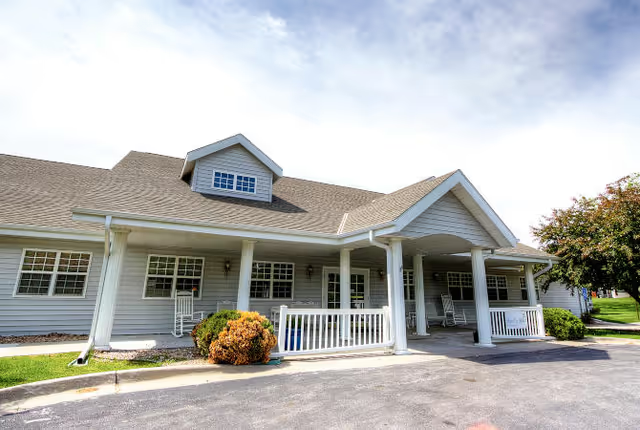
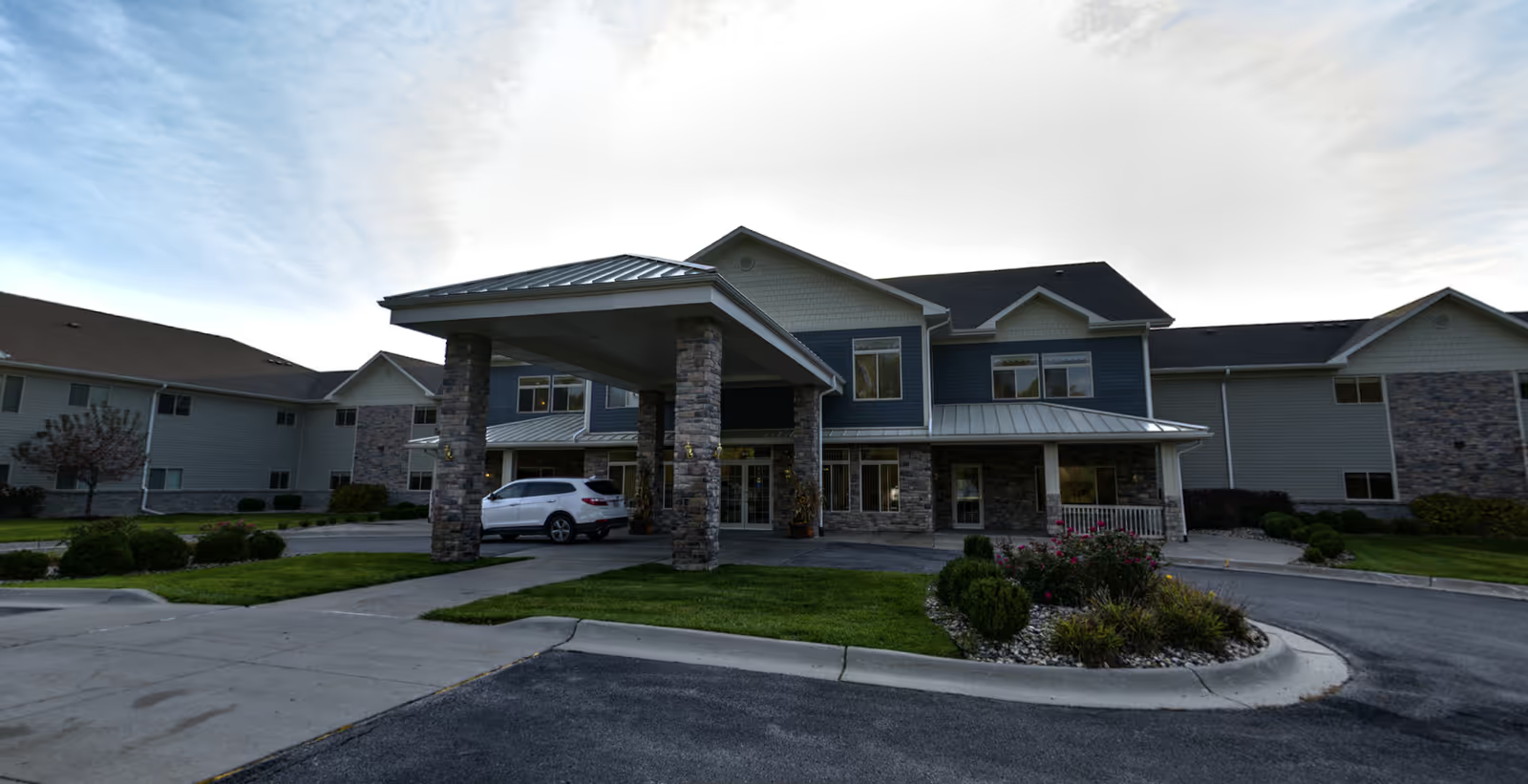
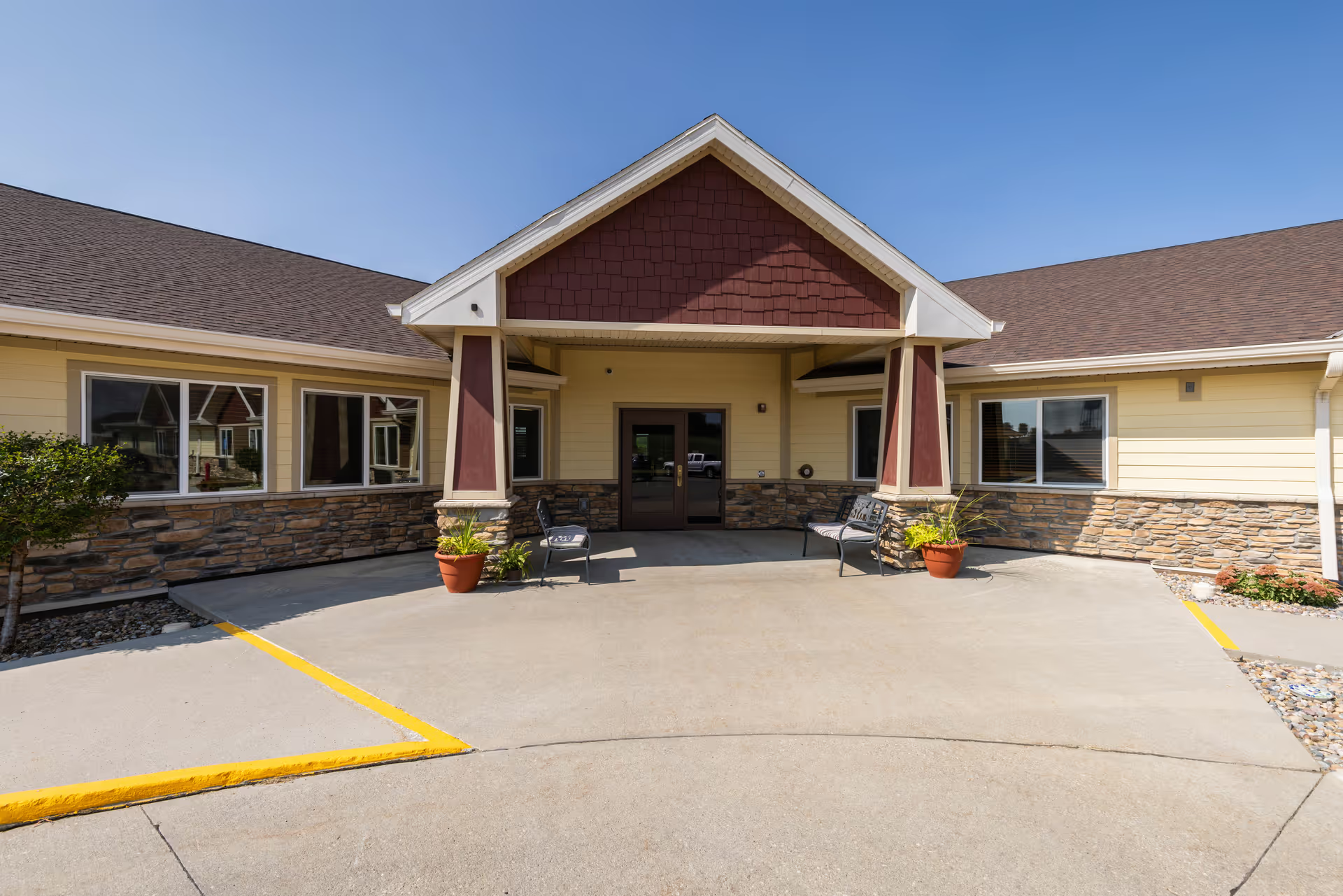
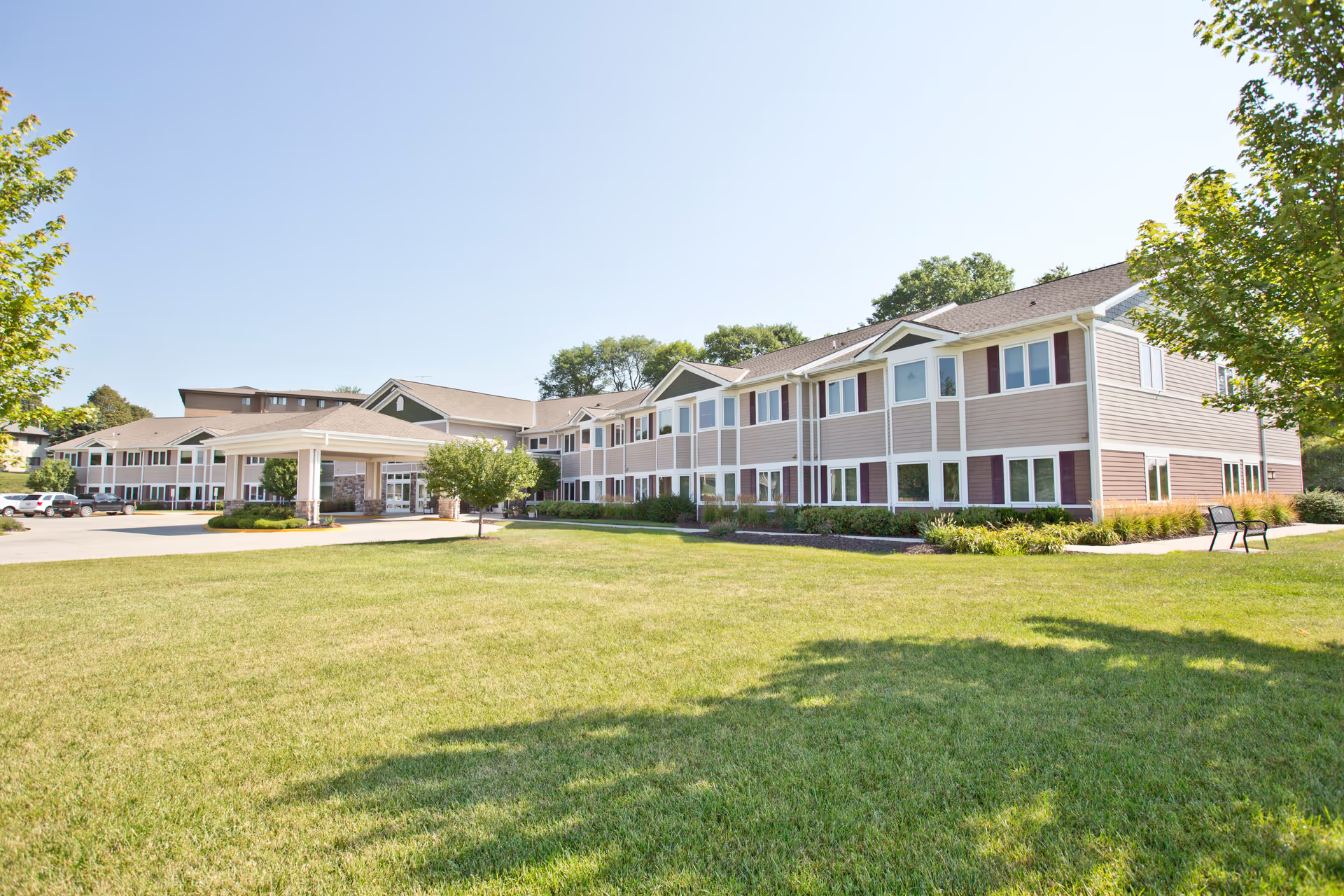
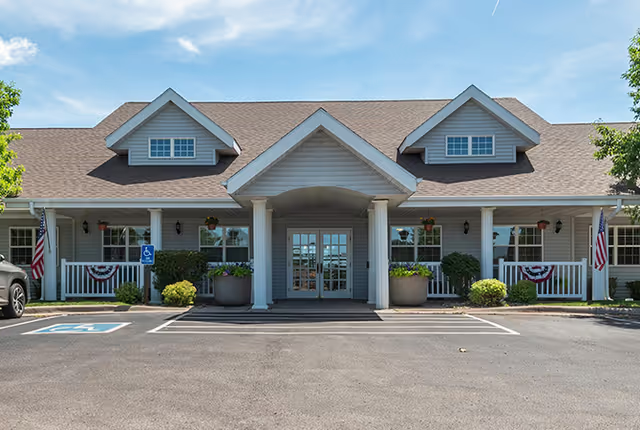
Facilities and sanitation: Common areas and overall facility upkeep are often described as clean and orderly. However, some accounts point to inconsistent room-level maintenance and sanitation practices. These contrasts suggest that while communal spaces are generally well-kept, attention to individual rooms and restroom maintenance may vary depending on staffing and supervisory consistency.
Management and communication: Several reviews express concern about leadership and management practices—specifically favoritism, staffing decisions that prioritize cost control, disciplinary actions, and unstable supervision. Communication with families is another repeated concern, with reports of misinformation or a lack of timely updates. These patterns indicate opportunities for stronger family-facing communication protocols and more consistent managerial oversight.
Notable patterns and considerations: The feedback presents a polarized picture: when staffing levels and nursing oversight are adequate, residents receive attentive, personalized care in a pleasant environment with strong dining and activity options. When staffing is thin or supervisory oversight lapses, families report delays in responsiveness, inconsistencies in clinical follow-up, and problems with professional conduct and privacy safeguards. Prospective families should ask about current staffing ratios, nursing supervisory routines, wound-care and medication protocols, privacy policies regarding resident information, and how the facility communicates with families about clinical changes. Visiting during different shifts and asking for recent examples of quality-improvement actions can help assess consistency and fit.