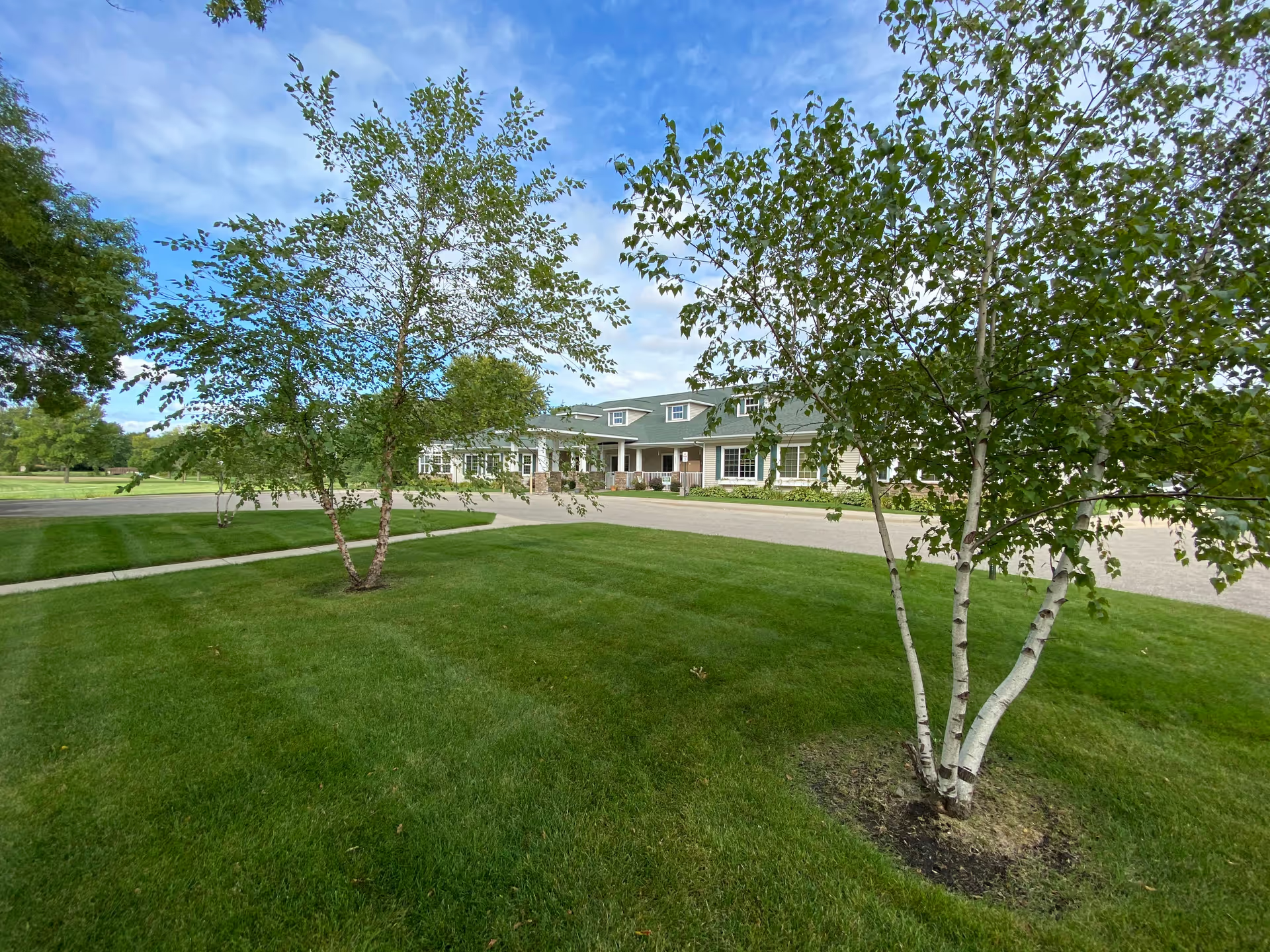
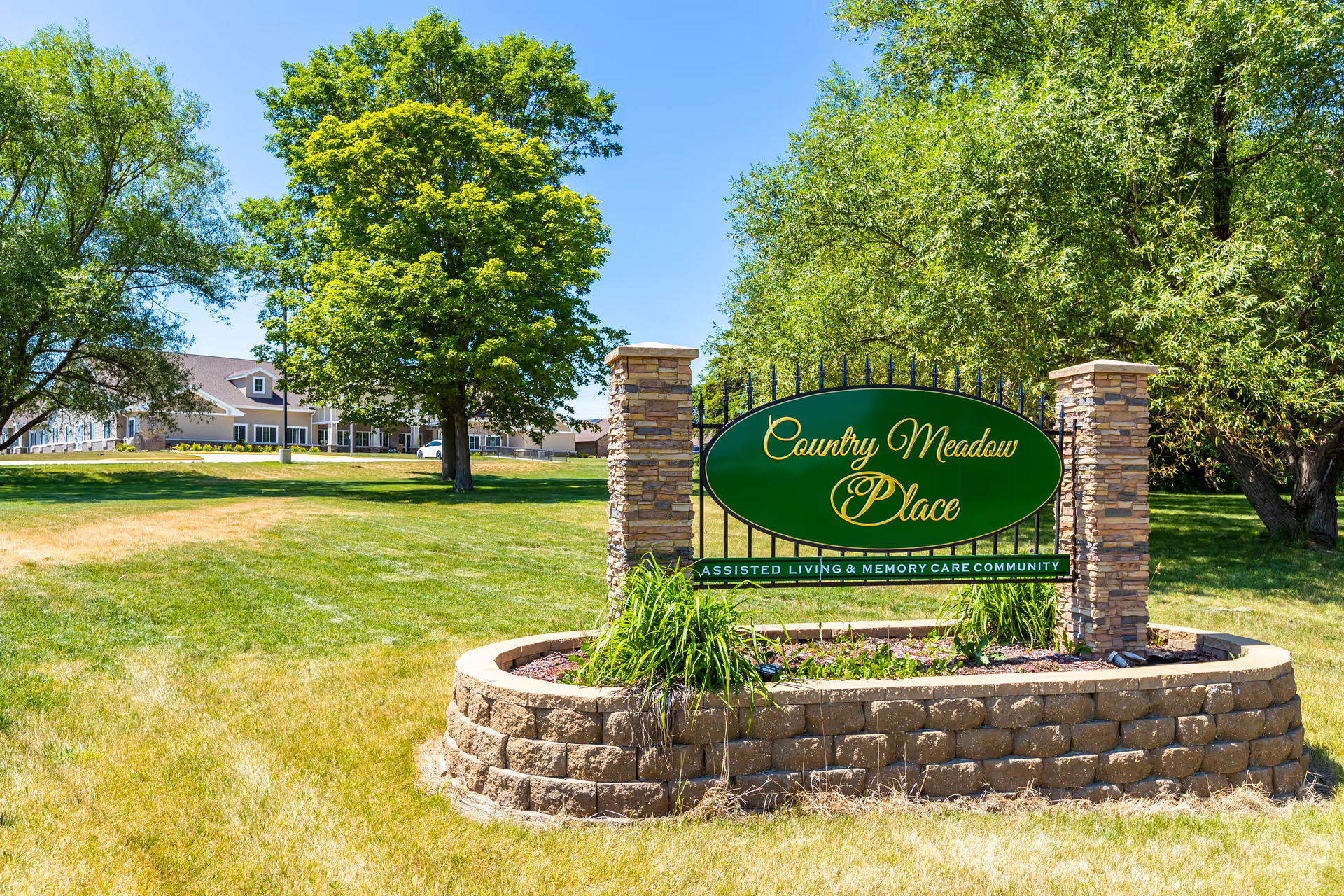
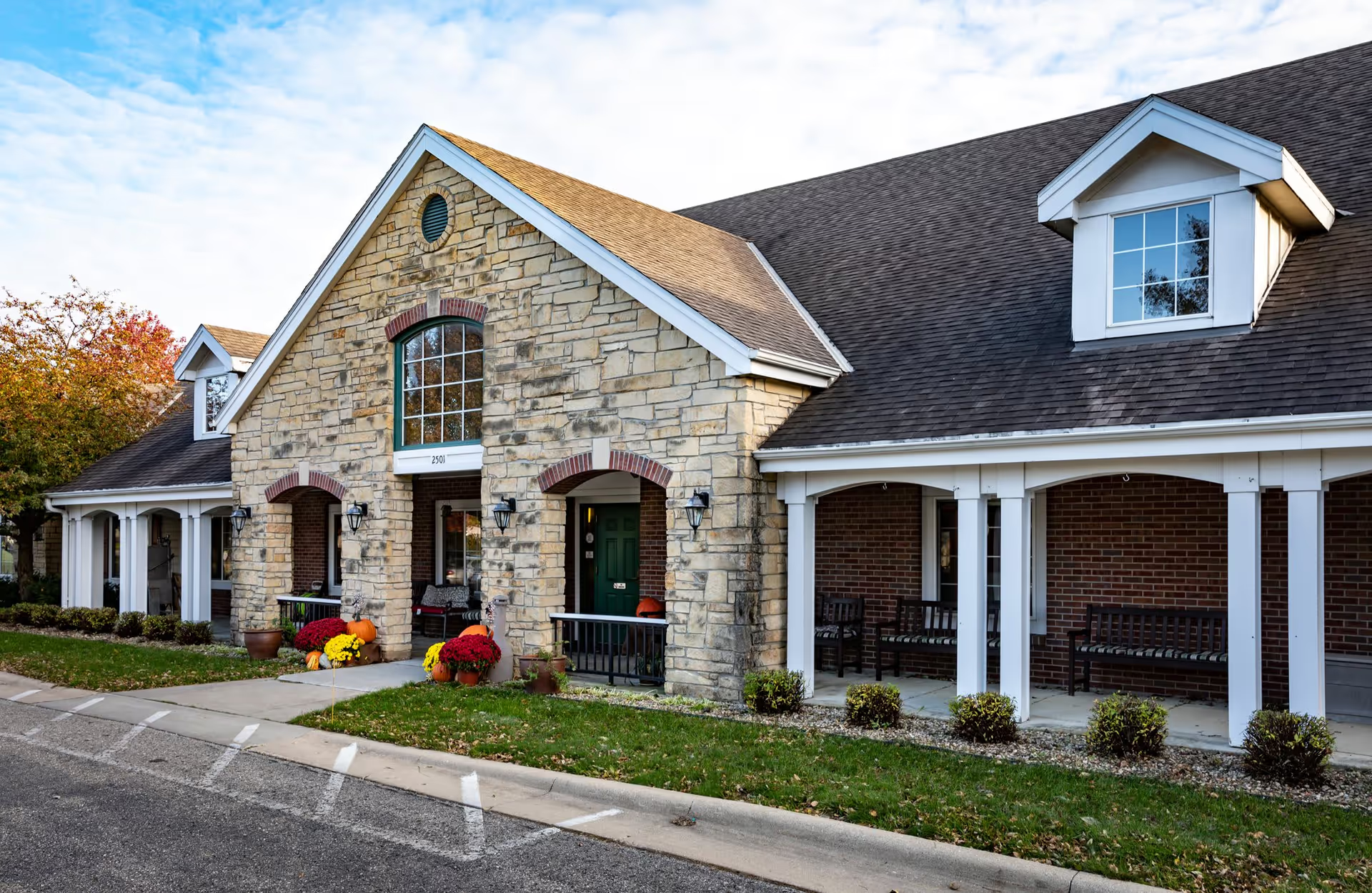
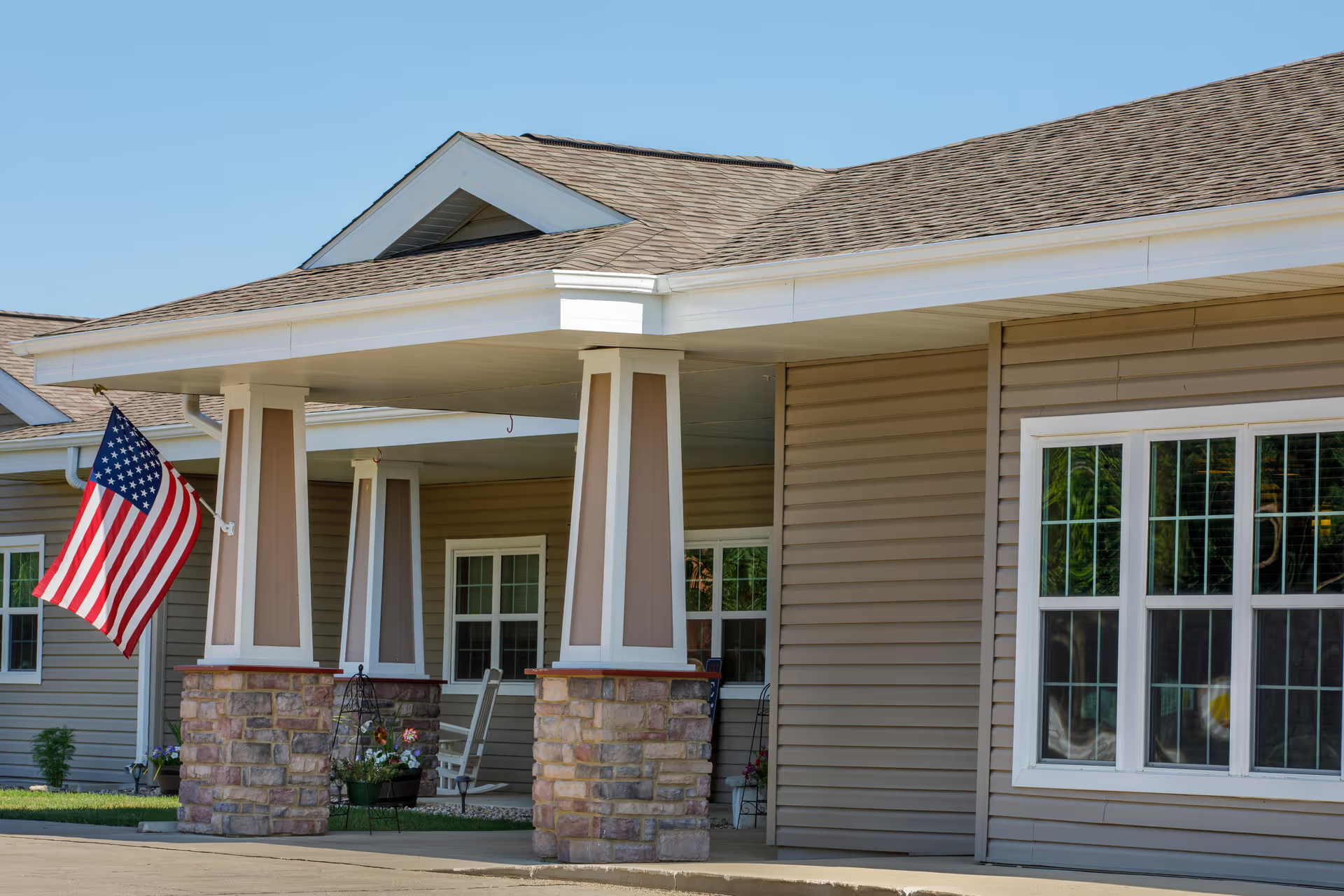
The reviews present a mixed picture of Timely Mission Nursing Home. A number of families praised the facility for compassionate, attentive caregivers and nursing staff who provide warm, personalized attention. Several accounts highlight a clean, well-maintained, home-like environment with active family involvement and small resident-focused pleasures (for example, wine and ice cream events) that contribute to quality of life. These comments indicate strengths in daily interpersonal care, atmosphere, and routine activities.
Alongside positive accounts, some reviews raise substantive clinical and oversight concerns. These include reports of delayed responses to urgent needs, inconsistent pain-management practices, and gaps in hydration and clinical monitoring. In system terms, these patterns suggest inconsistent staffing reliability and uneven clinical surveillance. There are also comments that point to concerns about staff conduct and supervision and to weaknesses in the facility’s processes for responding to serious incidents and communicating with families.
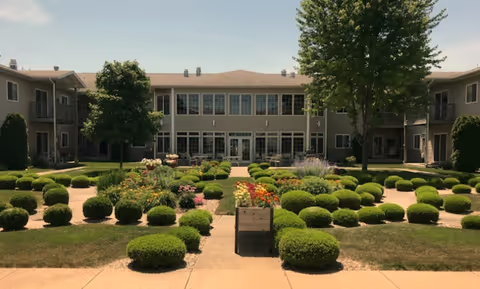
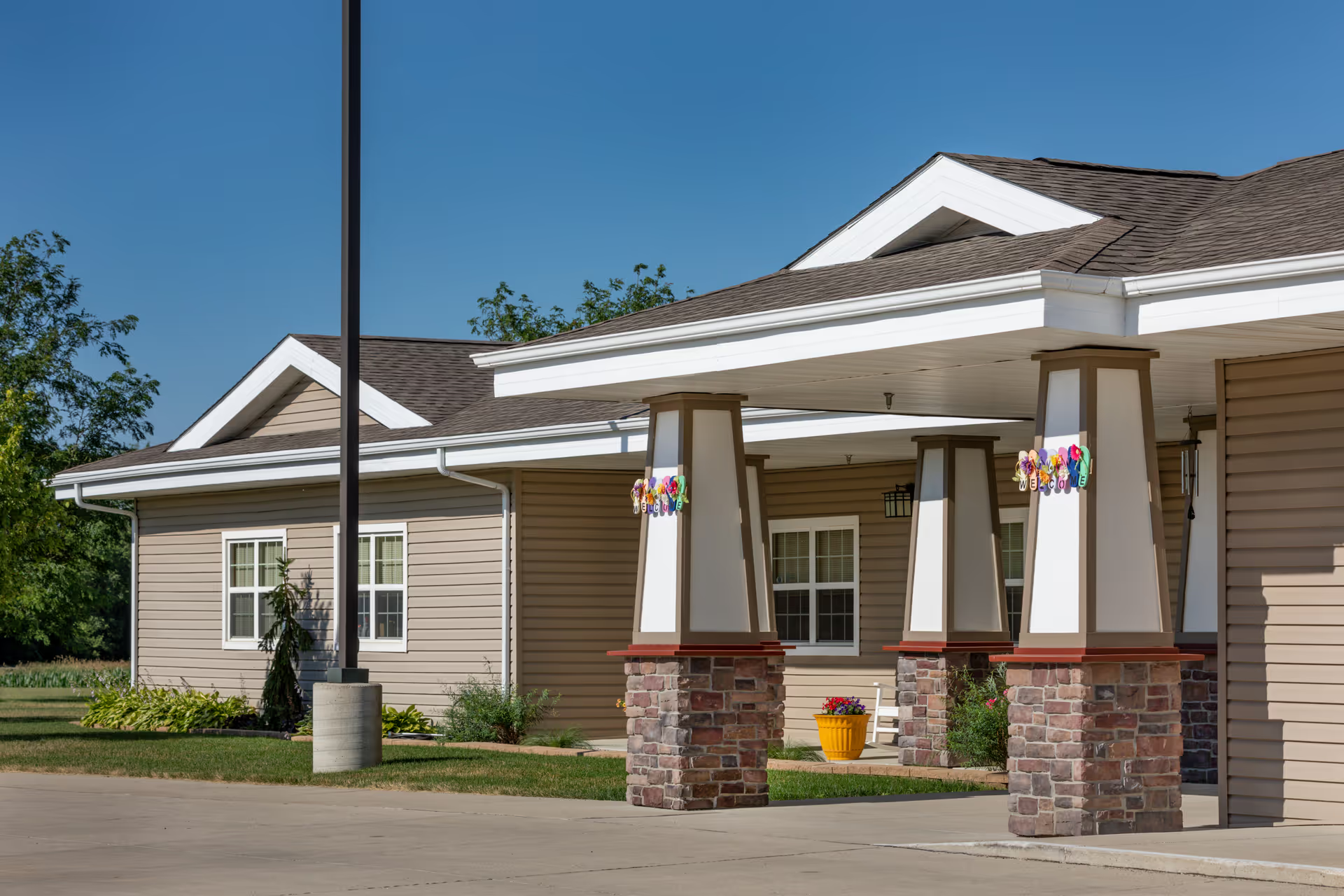
Dining and activities are described primarily in positive terms when mentioned: small, personalized activities and treats were noted as meaningful to residents. There is limited specific feedback about general meal quality in the material provided; families considering this facility should ask for current menus and sample meal-service information. The facility’s physical environment is repeatedly described as comfortable and well-kept, which supports a pleasant daily experience for many residents.
Management and oversight emerge as an area for closer inquiry. The contrasting experiences—that some families report excellent care while others raise serious clinical and communication concerns—suggest variability in performance across shifts, units, or individual staff. Prospective residents and families would be advised to ask facility leaders about staffing levels, clinical-monitoring protocols (including pain and hydration monitoring), incident-reporting procedures, supervision and training practices, and how the facility notifies and partners with families when health status changes occur. Doing so can help clarify whether the positive aspects observed by many visitors are consistently supported by stable clinical and management practices.