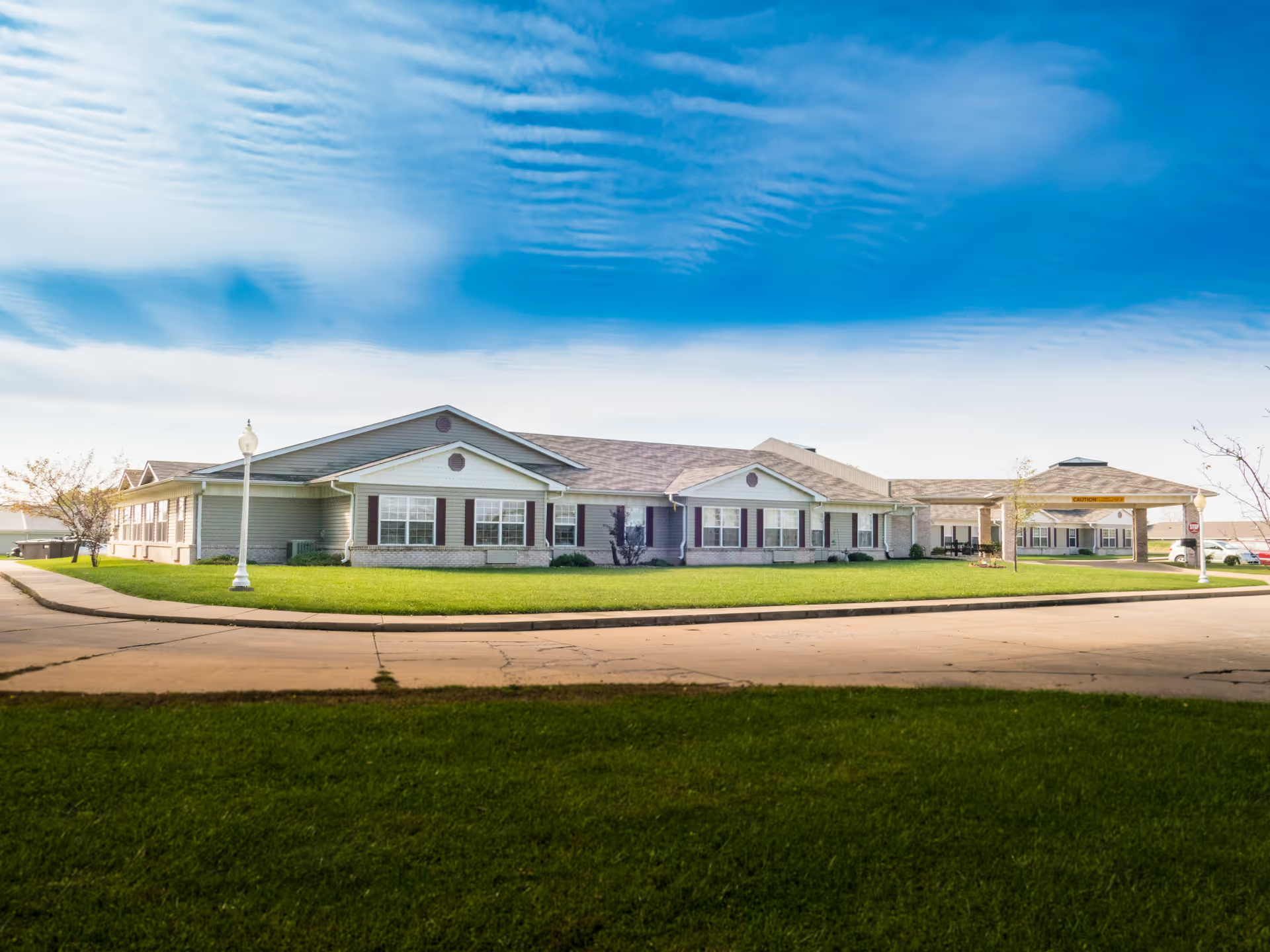
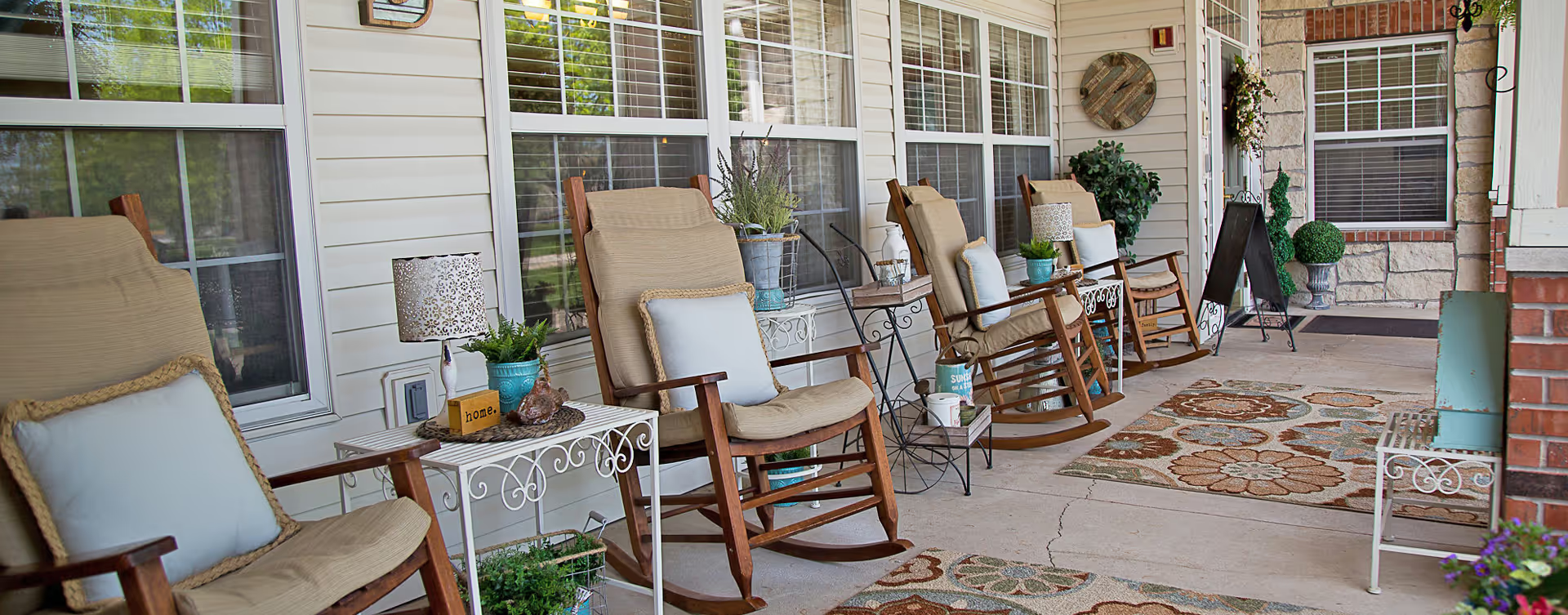
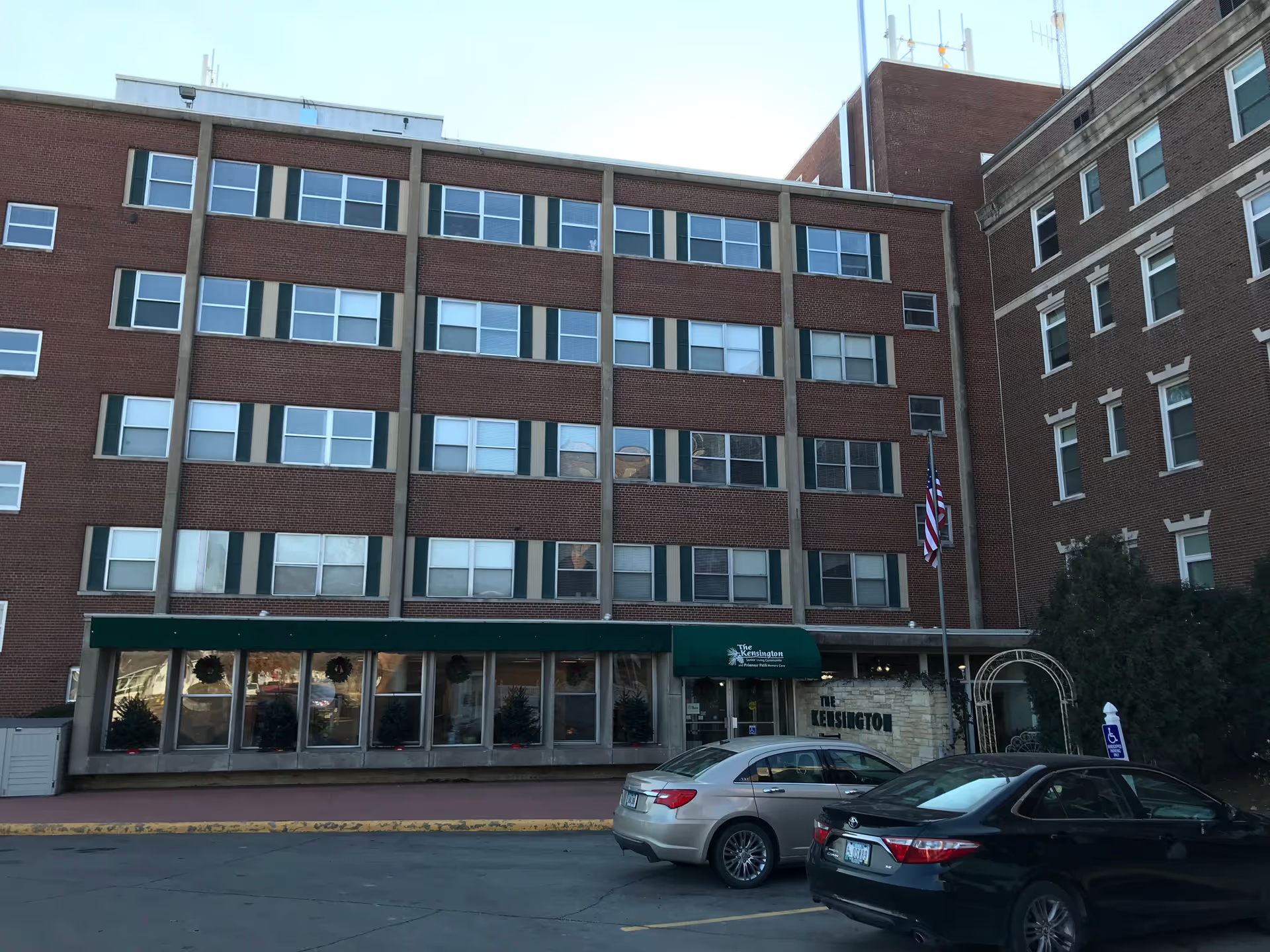
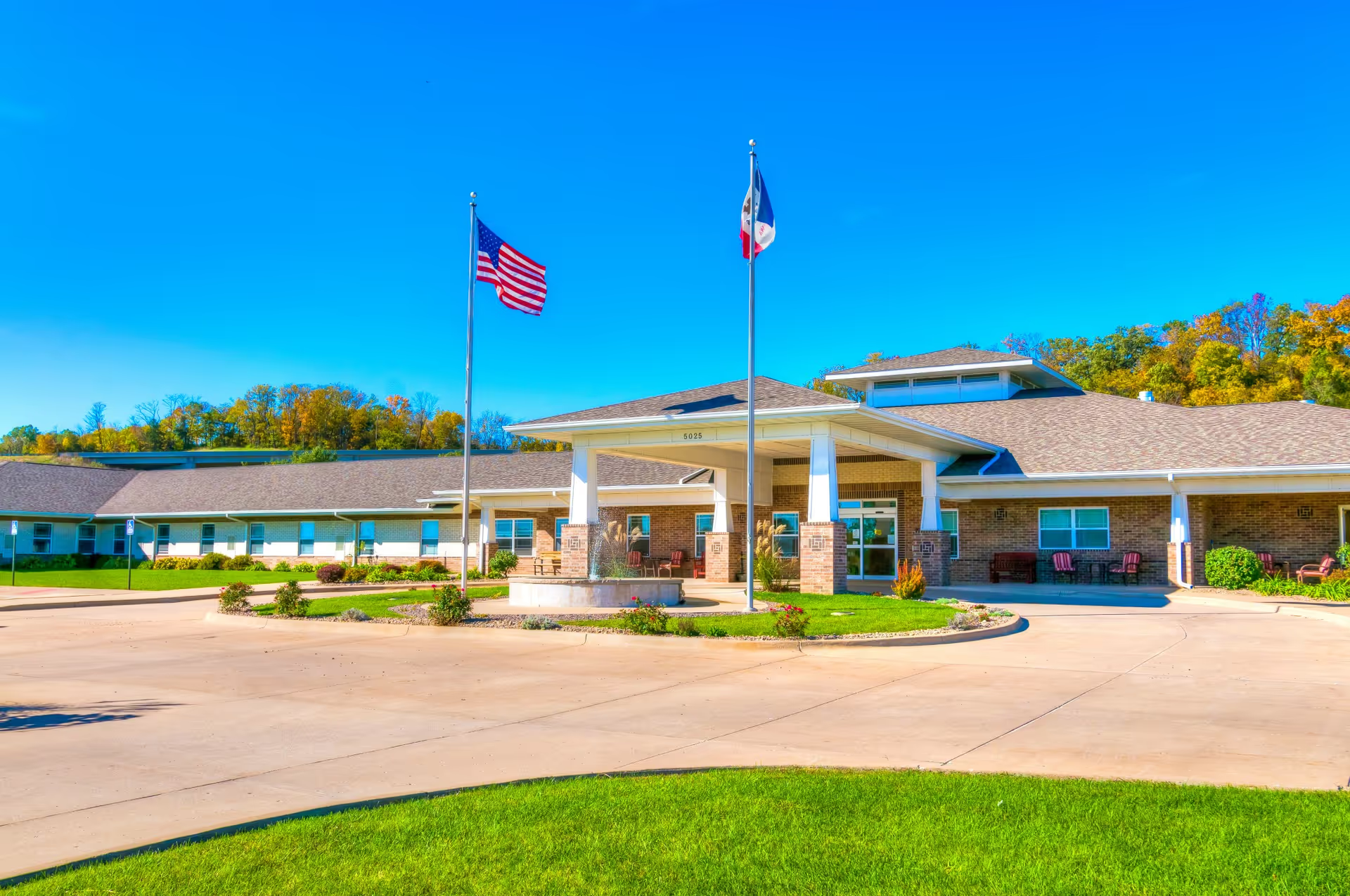
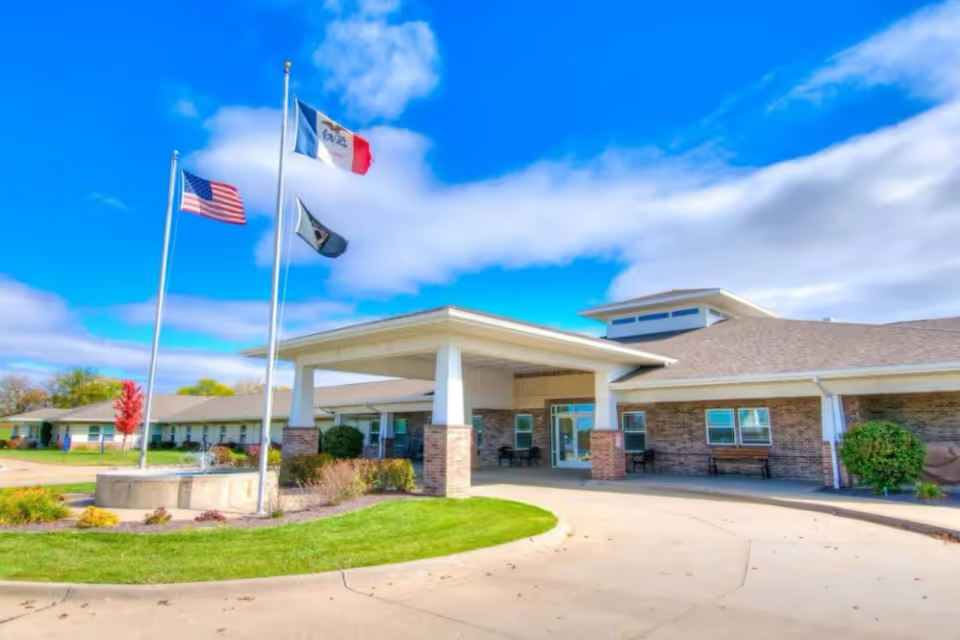
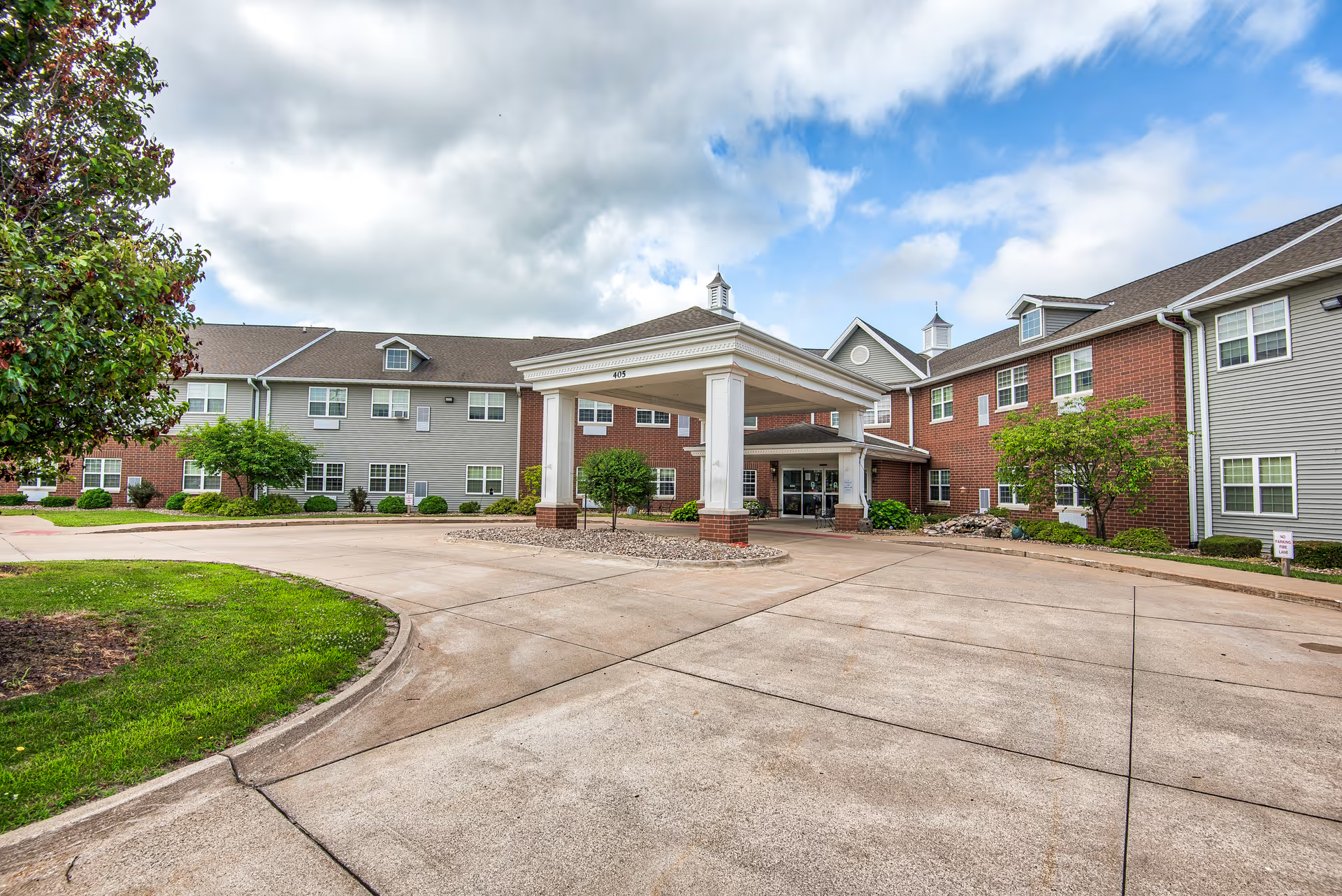
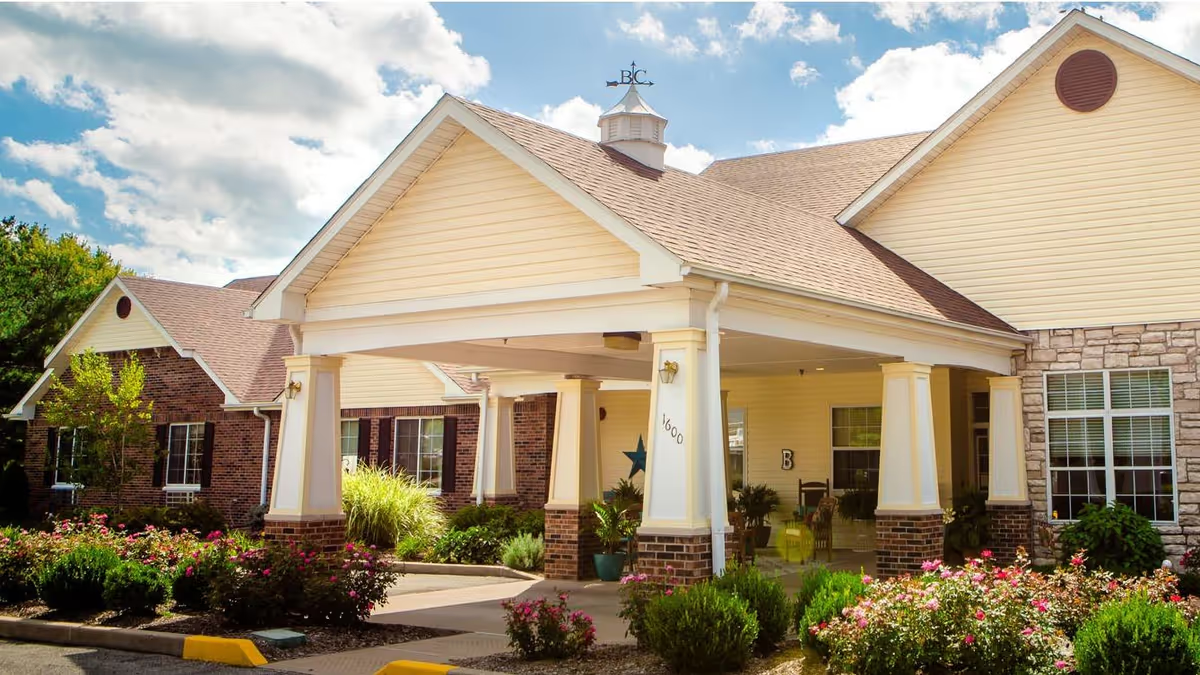
Overall impression: Reviewers consistently emphasize the strength of the caregiving team and the community’s family‑like atmosphere. Many families and residents describe staff as compassionate, attentive, and willing to go beyond routine duties; this includes positive end‑of‑life and hospice support. Cleanliness of the facility, a welcoming environment, and pleasant outdoor spaces such as a courtyard are also frequent positives that contribute to residents’ comfort and peace of mind.
Care and staff: The dominant theme is high‑quality, person‑centered caregiving. Numerous accounts highlight proactive health updates, clear communication with families, rapid admission processes, and staff relationships that make residents feel valued. At the same time, several accounts point to staffing instability — turnover and staffing shortages — that can create unevenness in service levels. For prospective residents this suggests generally strong staff performance, with occasional lapses when staffing is thin or transitions are occurring.
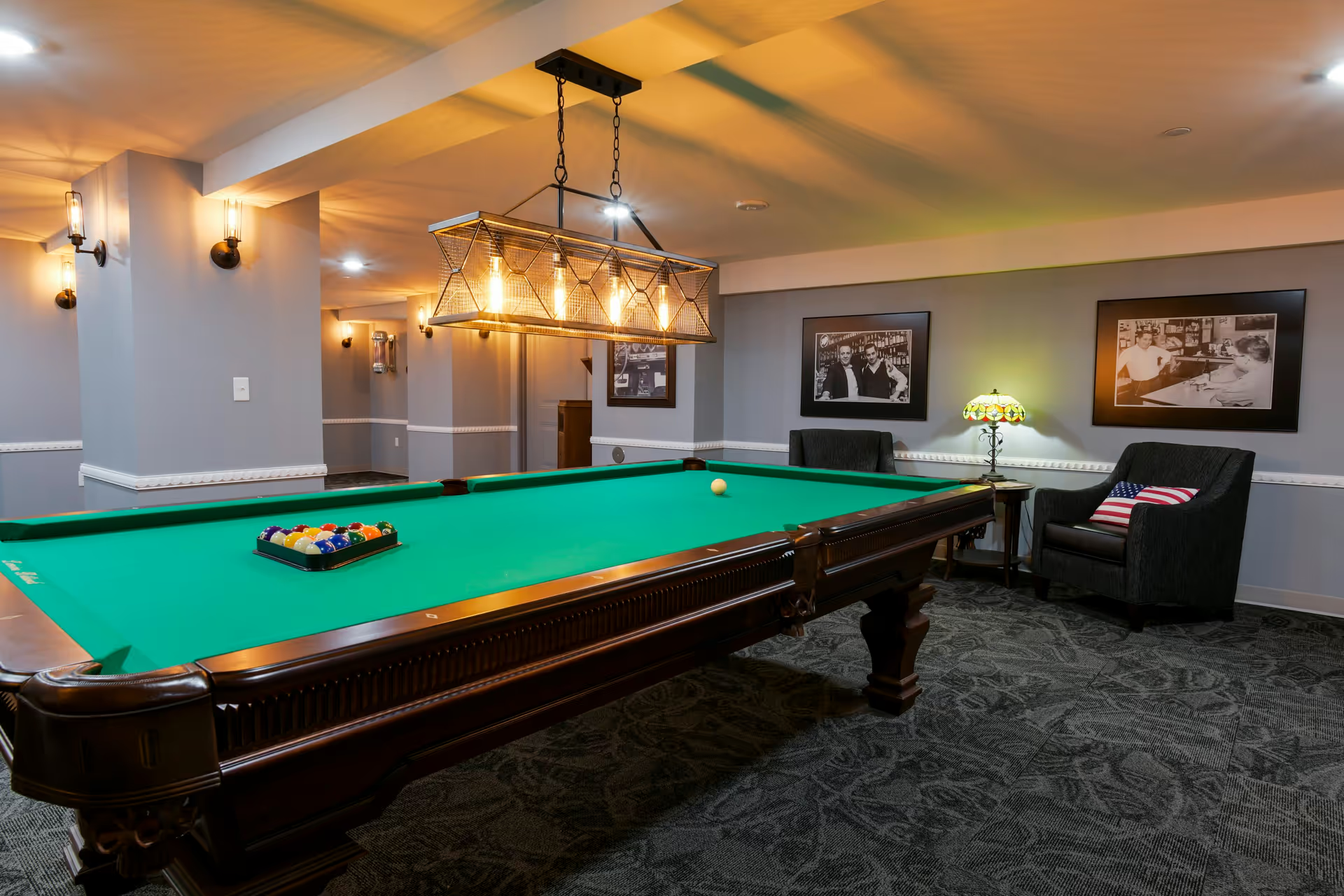
Dining and activities: Dining is generally praised for taste and variety; multiple reviewers described meals as a highlight. A few comments indicate intermittent declines or inconsistency in food quality, so dining experience may vary over time or by shift. Activities are another commonly cited strength, particularly in independent living: there is an active calendar, outings, and organized events that many residents enjoy. Memory‑care programming elicits mixed feedback — some families describe engaging socialization and appropriate support, while others found activity offerings limited and less effective for residents with dementia. This points to variability in programming between units or times.
Facilities and apartments: The community environment is described as clean, inviting, and home‑like, with adequate room sizes and some units offering scenic views. However, reviewers also note inconsistent apartment maintenance and finish quality. Prospective residents should assess individual apartment condition and maintenance responsiveness during a tour.
Management and operations: Positive notes include an easy, well‑explained move‑in process and responsive communication in many cases. Conversely, several critiques reference organizational gaps — uncoordinated operations, occasional difficulty obtaining services, and the operational effects of staff turnover. Capacity constraints were mentioned as well, indicating limited availability at times. These operational patterns appear to be the main source of variability in otherwise positive care and atmosphere.
Notable patterns and decision points: The strongest and most consistent positive is staff quality and the community’s relational culture; this is reinforced by employee comments about a caring workplace. The main areas of inconsistency are staffing stability, memory‑care activity quality, apartment maintenance, and occasional meal variability. Recommended questions for a tour: current staffing levels and turnover rates, staffing patterns for memory‑care units, sample activity schedules for memory care versus independent living, typical maintenance response times, meal sampling, and current wait‑list or capacity status. Overall, the community appears to offer compassionate care and a pleasant environment, with operational variability that prospective residents and families should clarify before committing.