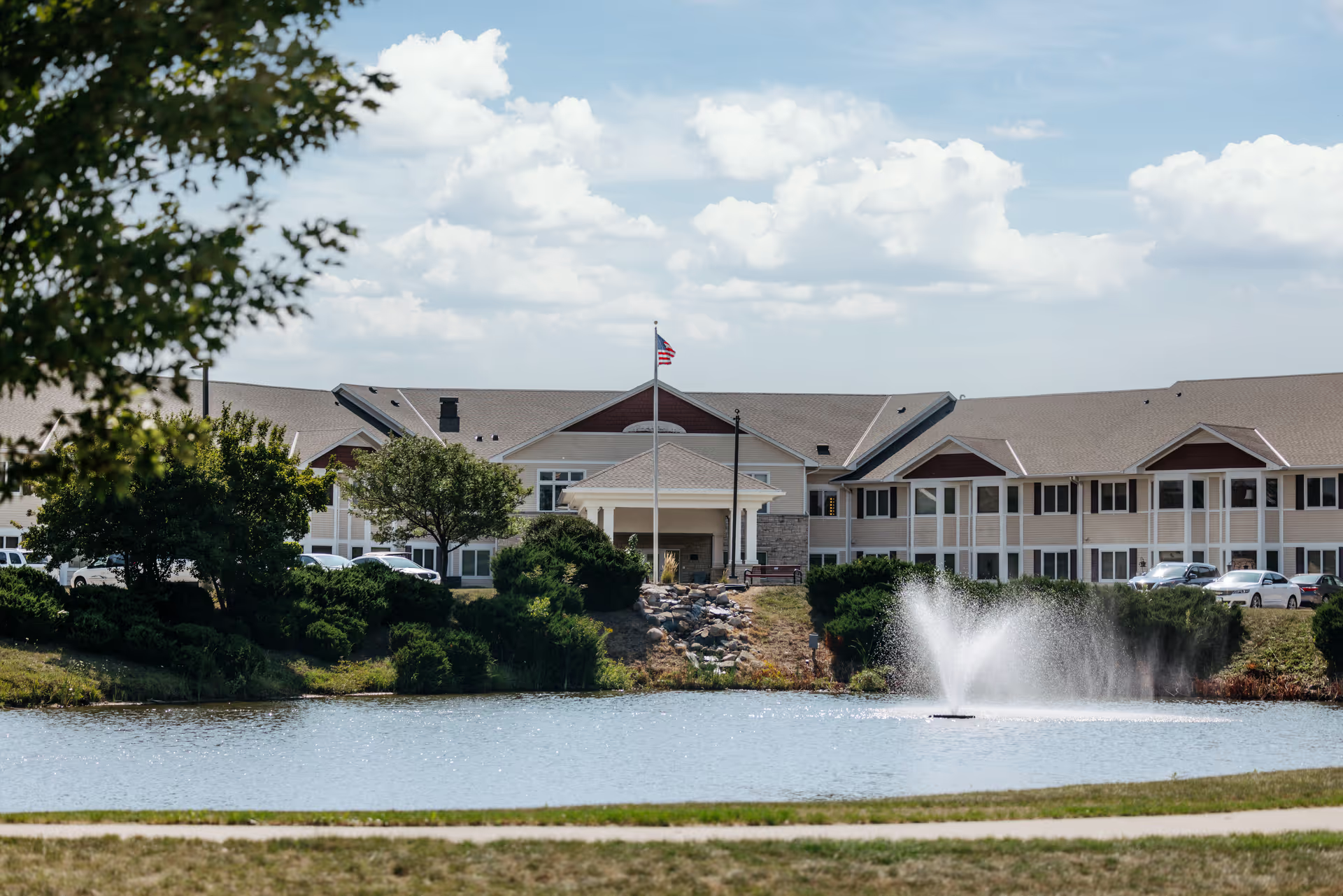
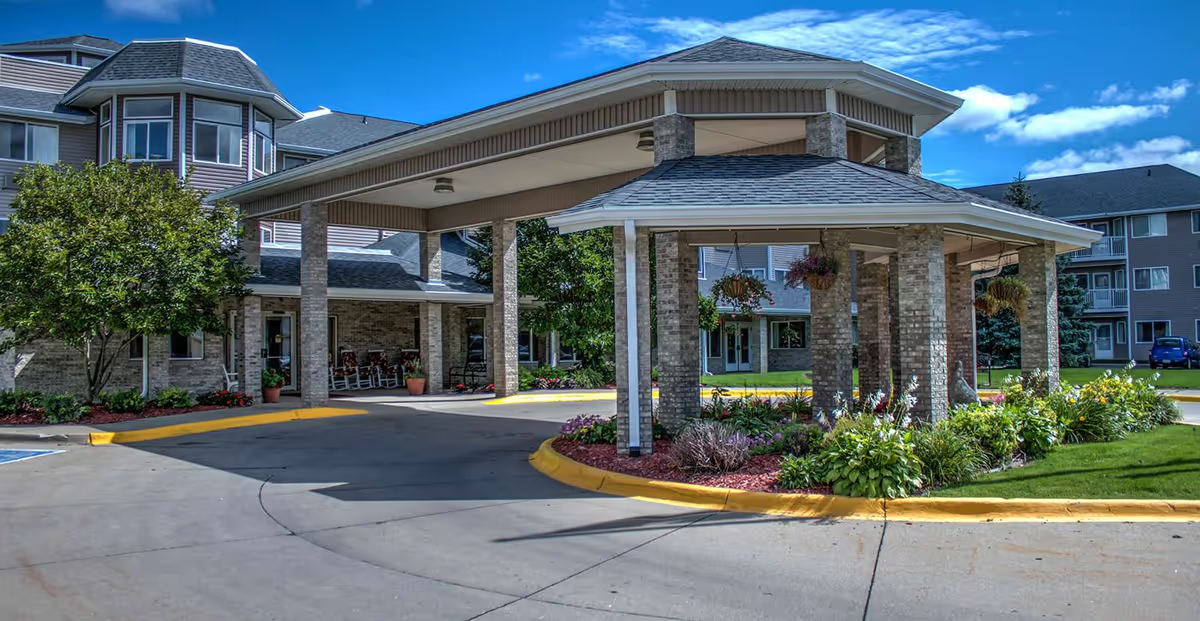
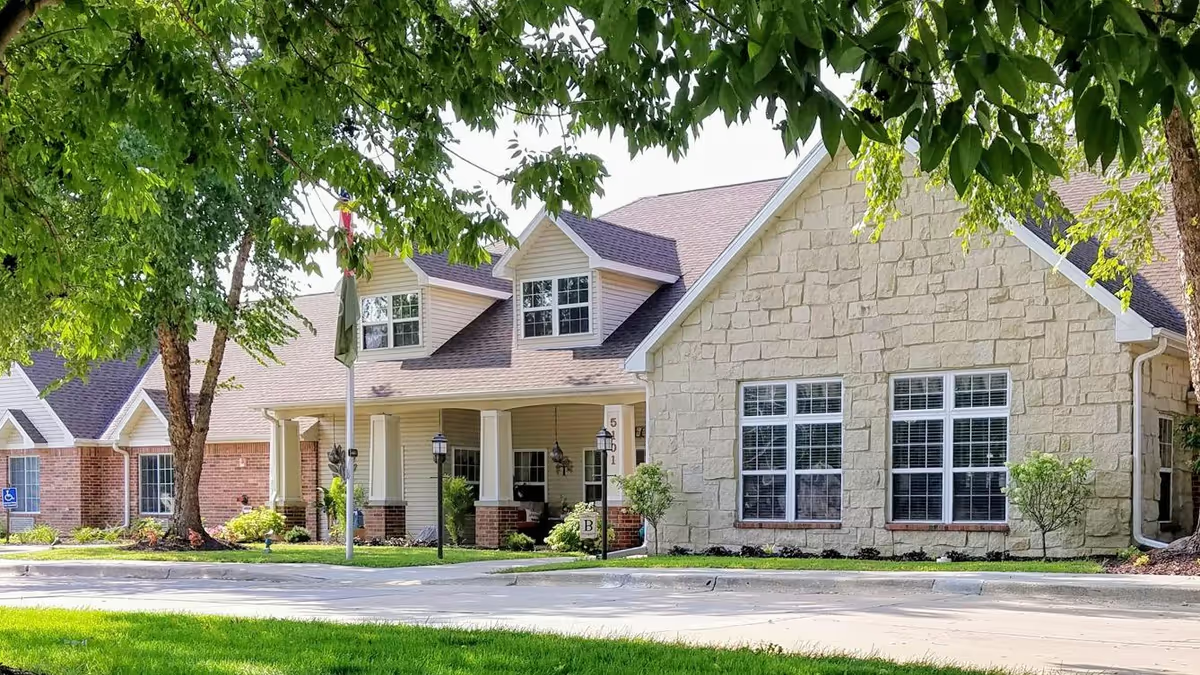
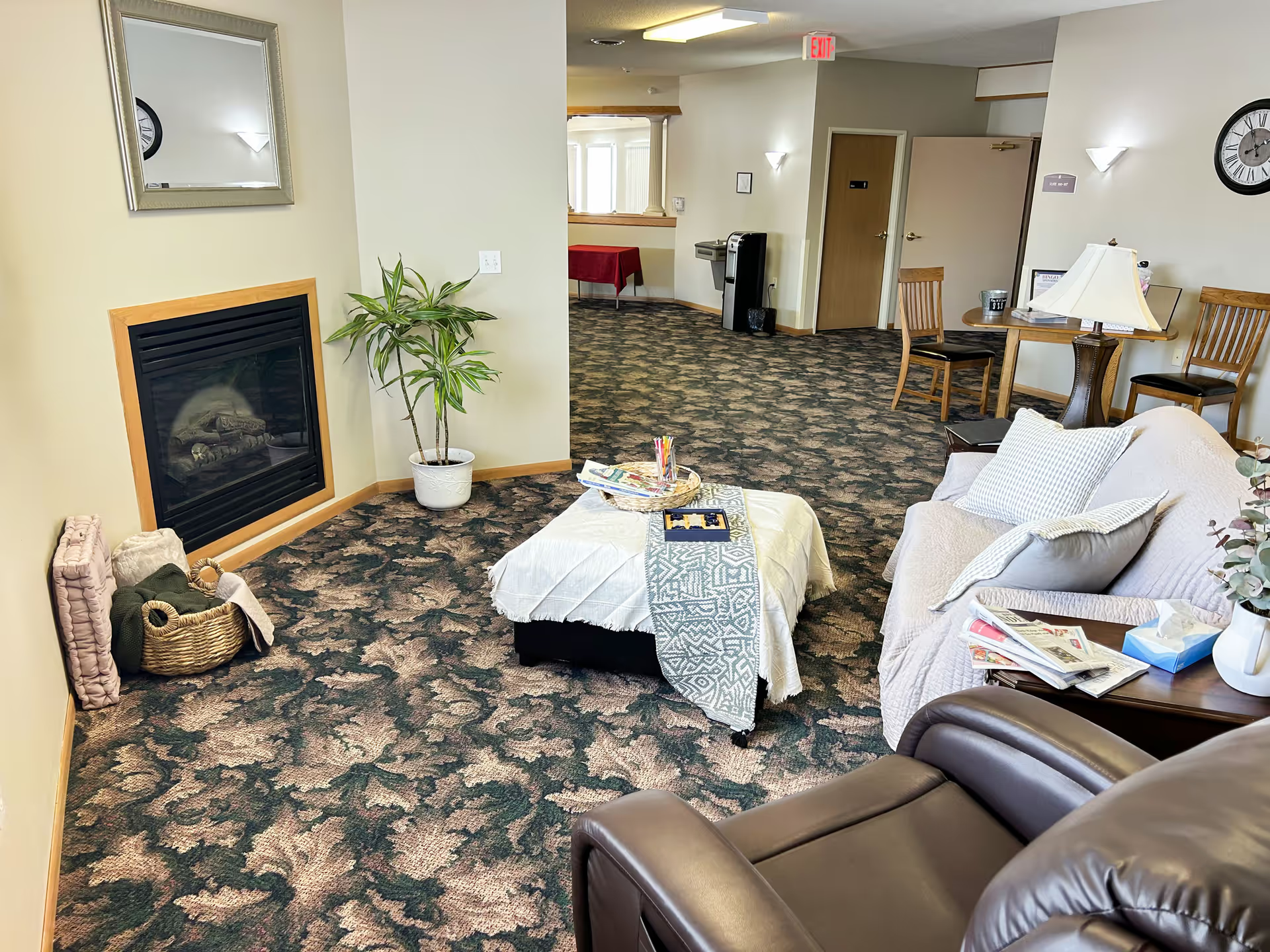
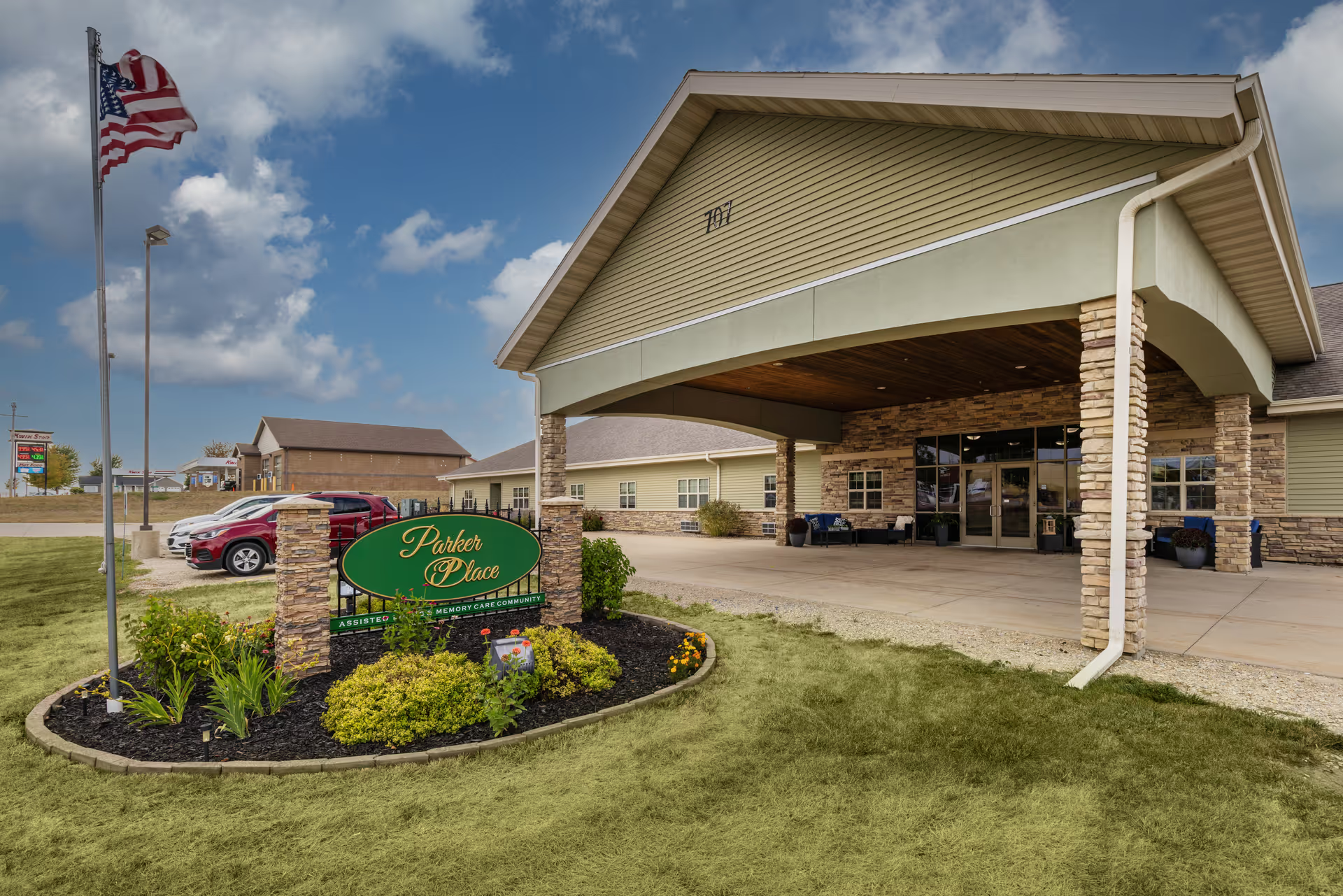
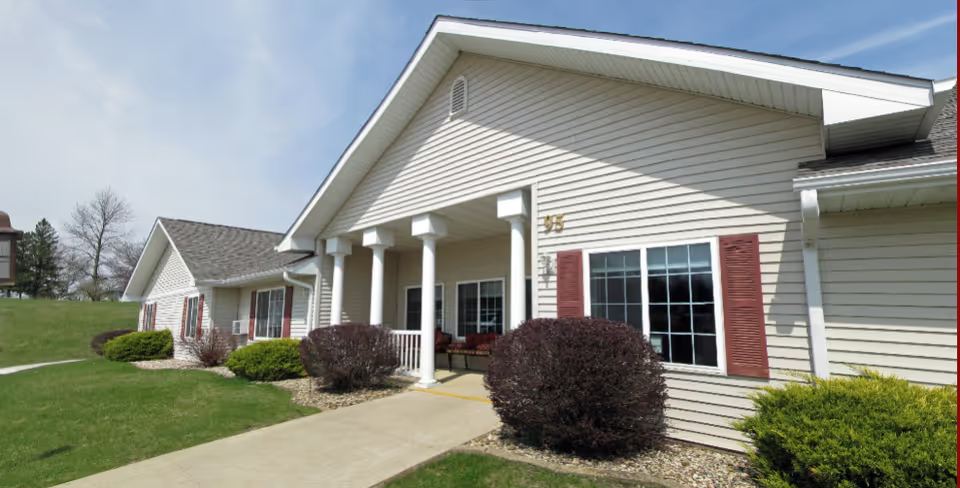
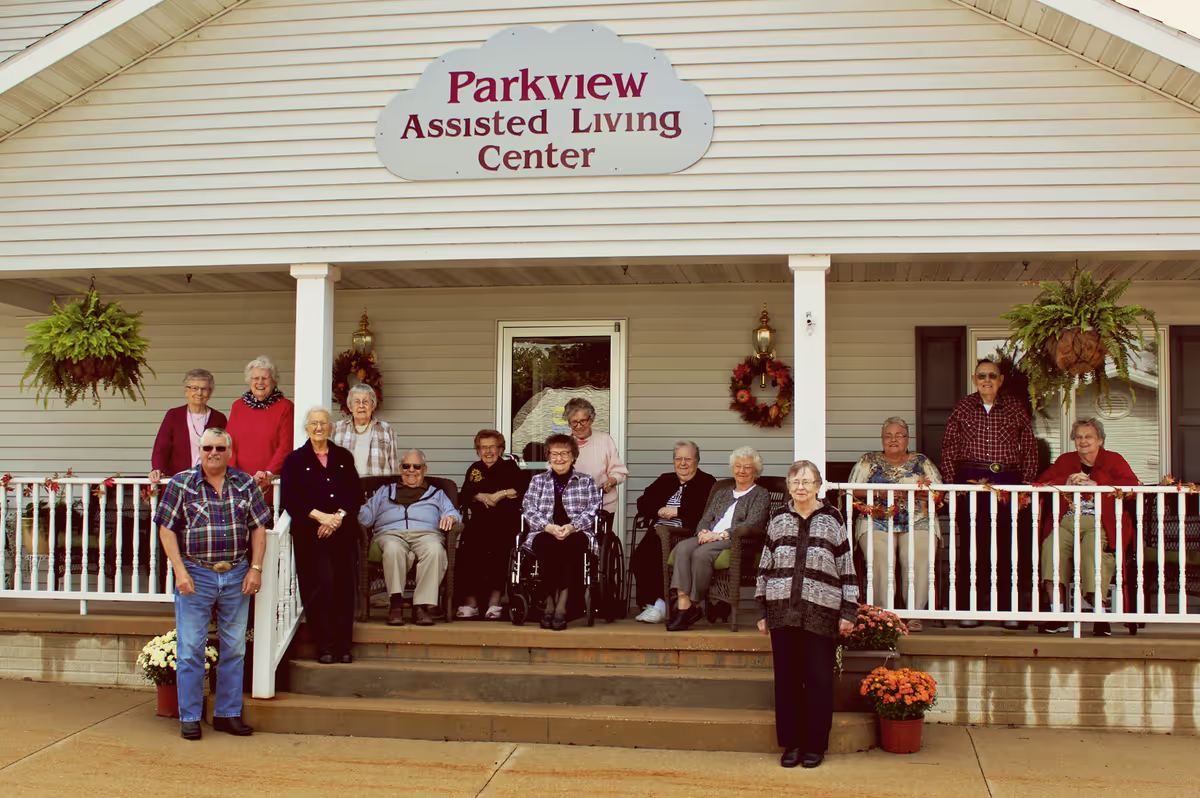
Pinnacle Specialty Care elicits a mixed set of impressions: several families and patients describe highly competent, compassionate caregivers and strong short-term rehabilitation, while other accounts raise consistent operational concerns. Strengths tend to center on bedside staff and therapy teams who provide personalized attention, effective PT/OT outcomes, and a range of amenities and activities. The building’s newer design and available dining options, including cafeteria and ala-carte choices, are also cited positively.
Care quality is uneven. Positive narratives describe nurses and CNAs who go above and beyond, attentive aides, and successful recoveries supported by therapy staff. Conversely, reviews cite delays in responding to call lights, inconsistent medication timing, and instances of inadequate clinical follow-up that contributed to hospital transfers for some residents. Wound care, hand-hygiene practices, and overall clinical oversight are described as variable, indicating the facility’s clinical performance can differ by unit and shift.
Staffing and conduct emerge as central themes. Many reviewers praise individual caregivers and therapy staff, but chronic understaffing, high staff turnover, and instances of inattentive or poorly trained night-shift personnel are recurring concerns. Families also describe inconsistent introductions, limited nurse presence on certain shifts, and communication lapses. Dementia care is another area of concern: reviewers note a lack of dementia-specific training and no dedicated memory-care unit, which can lead to challenges in managing residents with cognitive impairment.
Dining and activities are similarly mixed. The facility offers engaging activities, music programs, beauty services, and flexible meal options that some residents enjoy. At the same time, others describe inconsistent meal quality, limited nutritious variety, repetitive menu items, and occasional cold or poorly prepared plates. Housekeeping and amenities are satisfactory in some areas, but sanitation concerns in rooms, showers, bedding change inconsistencies, odor concerns, and isolated pest-control and room-condition issues have been reported.
Management, communication, and administrative practices show uneven performance. Positive interactions with administrative leadership are noted, but several reviews point to weak follow-through on family requests, delayed or inadequate responses to complaints, and workplace-culture problems that affect staff retention. Privacy concerns and isolated HIPAA lapses are reported. There are also serious allegations concerning missing personal items and financial misconduct, which warrant careful review by prospective families and, where appropriate, regulatory follow-up.
Overall, Pinnacle Specialty Care may provide strong outcomes for short-term rehabilitation and has clear strengths among individual caregivers and therapy teams. However, variability in staffing, cleanliness, clinical oversight, dementia care capability, dining consistency, and administrative follow-through suggests prospective residents and families should conduct thorough tours, ask about staffing levels and dementia training, review recent inspection and survey results, confirm medication- and infection-control protocols, and establish clear communication and financial safeguards before placement.