Overall impression: Reviews portray a facility with highly mixed performance — several families describe positive, even excellent, experiences tied to specific staff and therapy services, while other accounts identify systemic operational shortcomings that have clinical and safety implications. The pattern is one of variability by unit, shift, and individual caregiver: when core personnel and leadership are engaged, outcomes and family satisfaction tend to be positive; when staffing, supervision, or administrative follow-through falter, families report notable deficiencies.
Care quality and clinical concerns: A recurrent theme is inconsistent clinical oversight. Multiple accounts describe problems with medication administration and monitoring, including diabetes management and timing of insulin relative to meals. There are also reports of delays in responding to call lights, inadequate attention to repositioning and incontinence-care needs, and gaps in monitoring laboratory values. Some reviews describe serious adverse outcomes and resultant hospital transfers; these have prompted concern and, in some cases, regulatory attention. Overall, families should be aware of variability in clinical reliability and may wish to verify medication- and monitoring-related protocols during admissions.
Staff behavior and staffing patterns: Reviews highlight a polarized staff picture. Numerous comments praise individual caregivers and CNAs for compassion and going above and beyond; these staff members are frequently credited with positive recovery and resident satisfaction. Conversely, other accounts describe staffing shortages, aides covering large assignments alone, language-barrier communication problems, unprofessional conduct, and weak enforcement of workplace standards. High turnover, alleged favoritism in HR, and reports of unmanaged staff conduct appear to contribute to inconsistent resident experiences.
Dining and nutrition: Dining experiences are inconsistent. Some families report timely service and helpful explanations of menu options, while others describe poor meal quality, small or missing portions, and insufficient adherence to prescribed diets (notably low-sodium or diabetes-appropriate meals). Concerns about timely administration of insulin at mealtimes and the carbohydrate content of meals were raised by several reviewers, indicating potential gaps in dietary coordination and medication timing.
Activities and rehabilitation: Therapy and rehab services receive generally positive feedback when staffed and engaged; several reviewers report meaningful PT/OT support and successful discharges. Recreational programming exists (BINGO, music, group events) and contributes to resident engagement in positive accounts. However, other reviews describe limited activity hours, lack of individualized or one-on-one engagement, and an understaffed activity program that may not meet expected minimums for some residents.
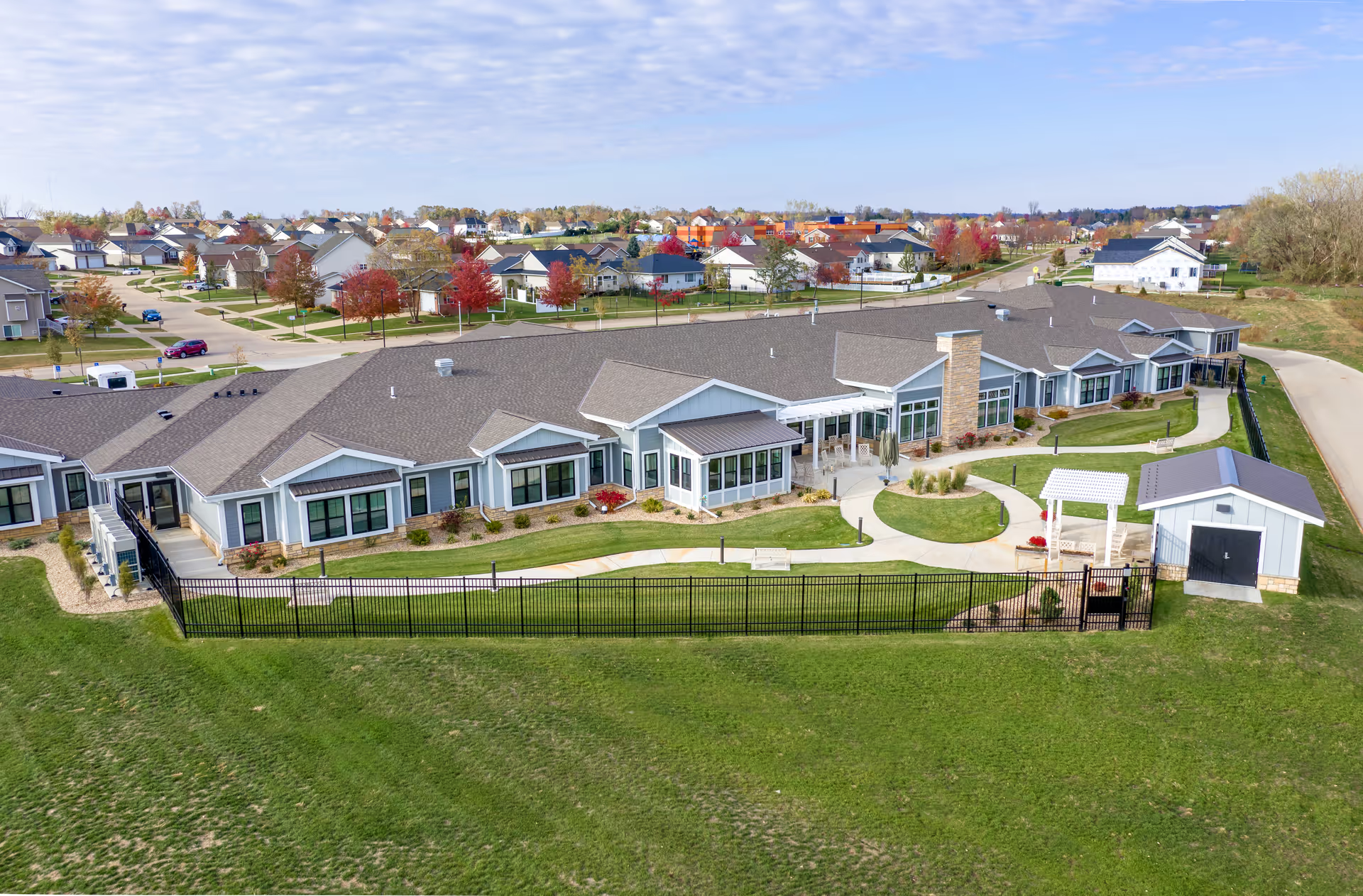
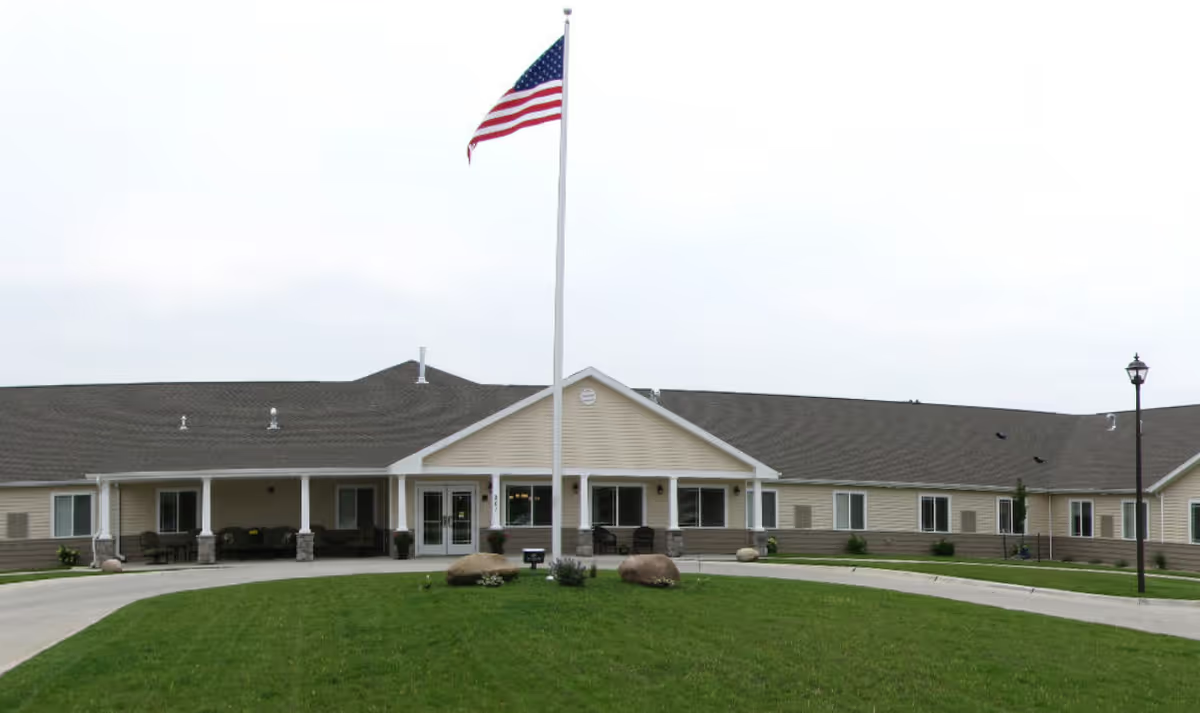
Facilities and cleanliness: Common areas and landscaping are frequently described as clean and well maintained. At the same time, there are notes about small, dim rooms in some units, pest-control concerns, and inconsistent housekeeping in resident rooms. Odor concerns and lapses in room upkeep were mentioned and suggest uneven environmental standards across units.
Management, administration, and processes: Management impressions are mixed. Several reviewers praise specific administrators and admissions staff for being helpful and professional. In contrast, others identify problems with billing, payroll document access, discharge coordination, and family communication. Allegations of policy noncompliance, medication errors, unlicensed staff, and theft have been raised in some accounts and in at least one instance appear to have drawn regulatory scrutiny. These themes point to gaps in supervision, HR processes, and quality assurance.
Notable patterns and what prospective families should check: The strongest pattern is variability — the facility can provide high-quality, compassionate care, but that performance appears to depend heavily on individual staff, unit, and shift. Prospective residents and families should: ask about current staffing ratios and turnover; review medication-administration procedures (especially for insulin and other time-sensitive drugs); inspect room maintenance and pest-control logs; confirm dietary accommodations and how special diets are enforced; and seek clarity on transfer/hospital-escort policies and family-notification protocols. Asking for references about the specific unit and speaking with family members of current residents may help identify whether the positive elements described by some reviewers are present in the unit under consideration.