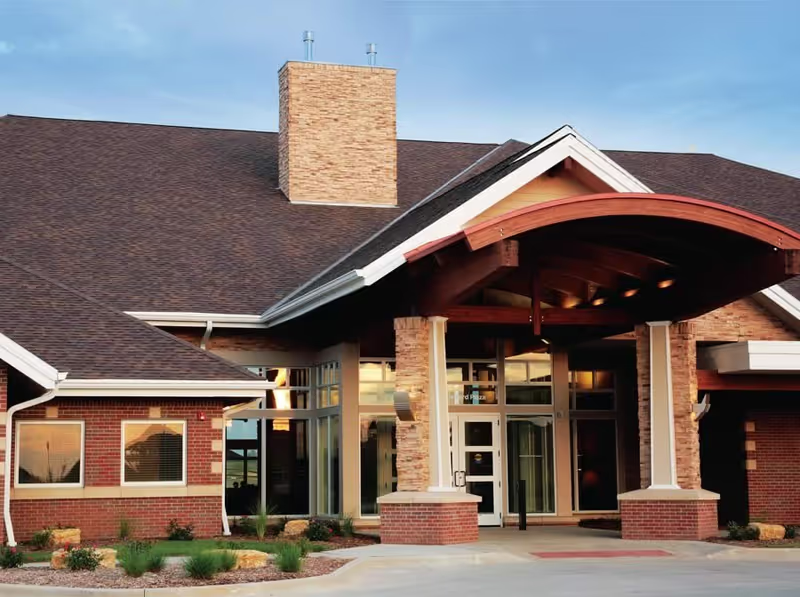
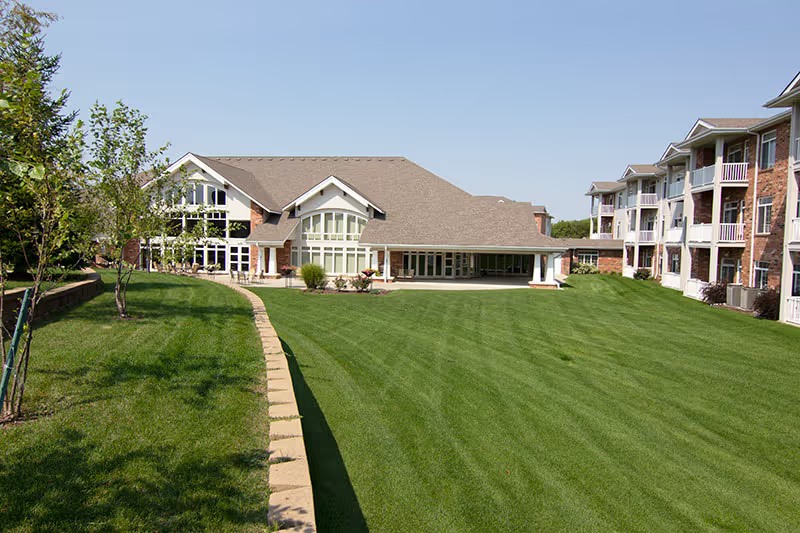
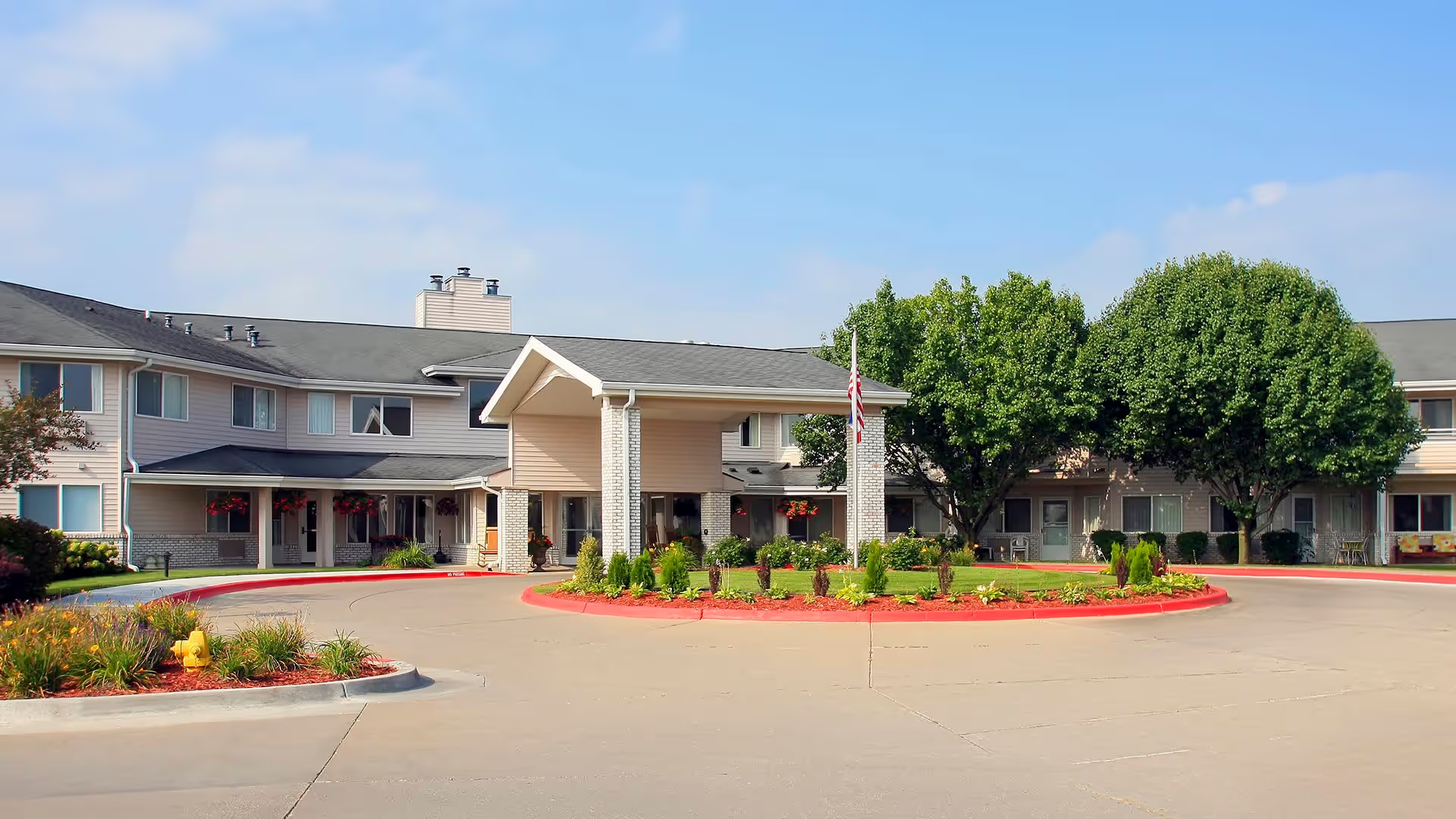
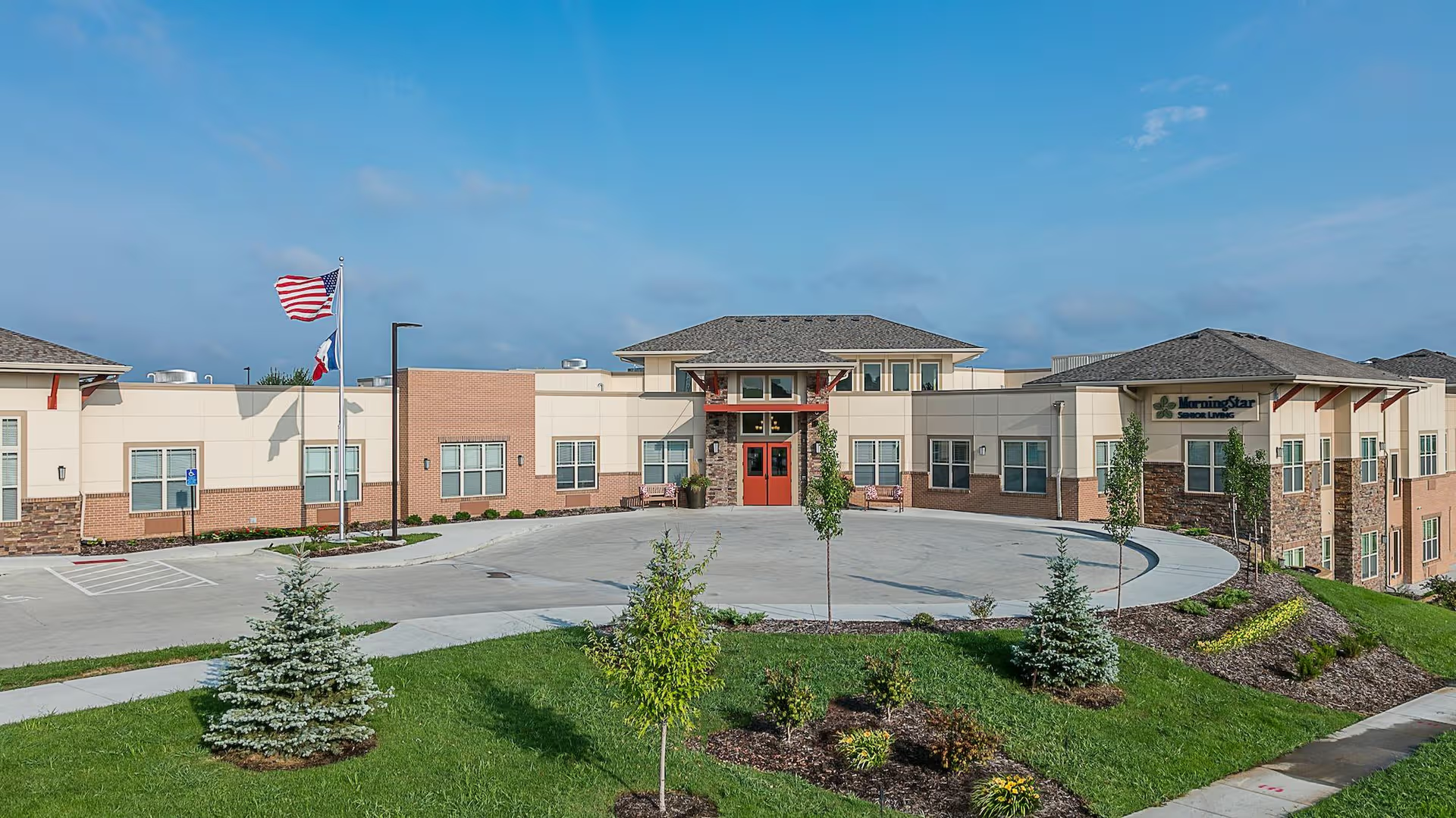
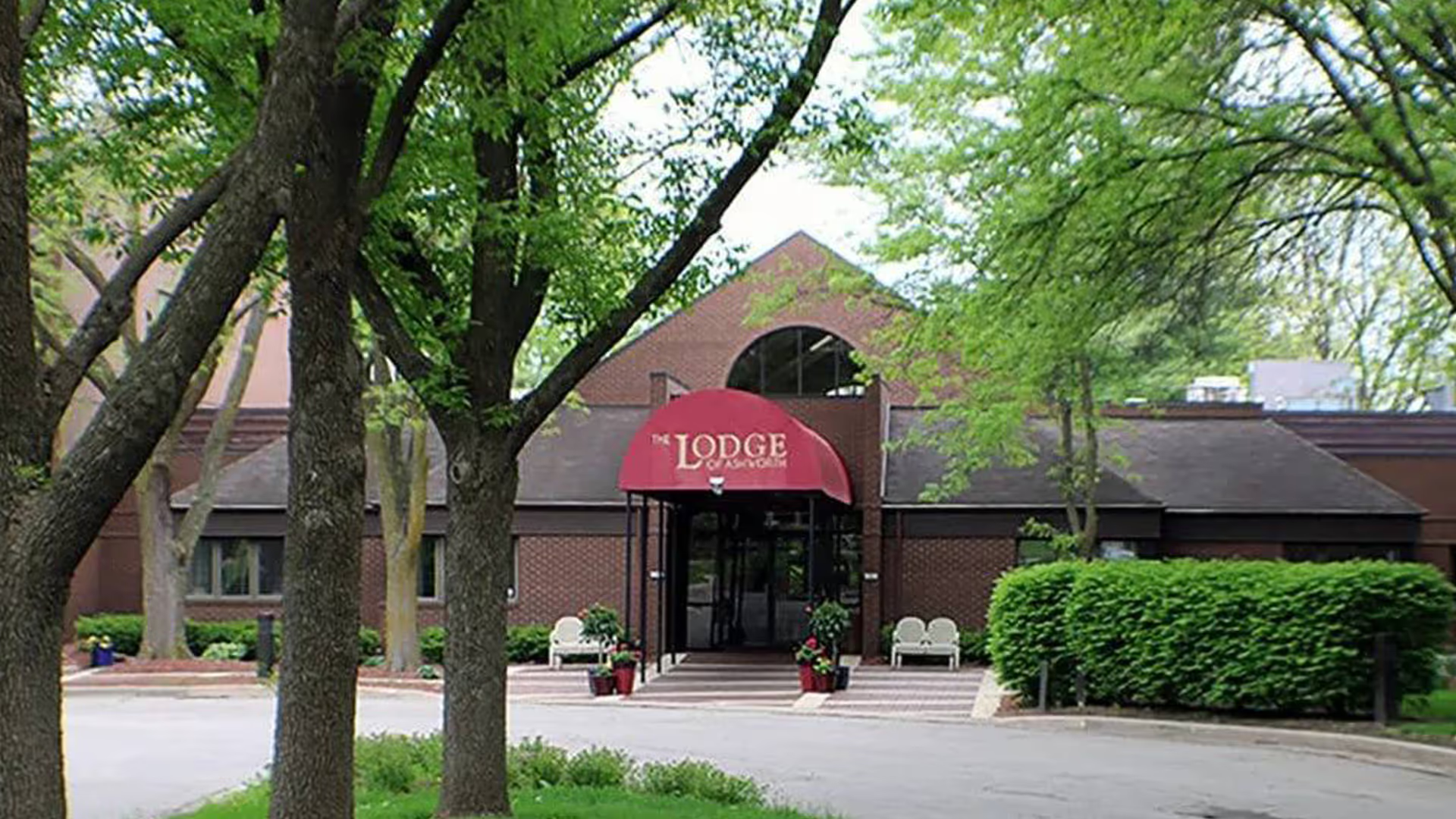
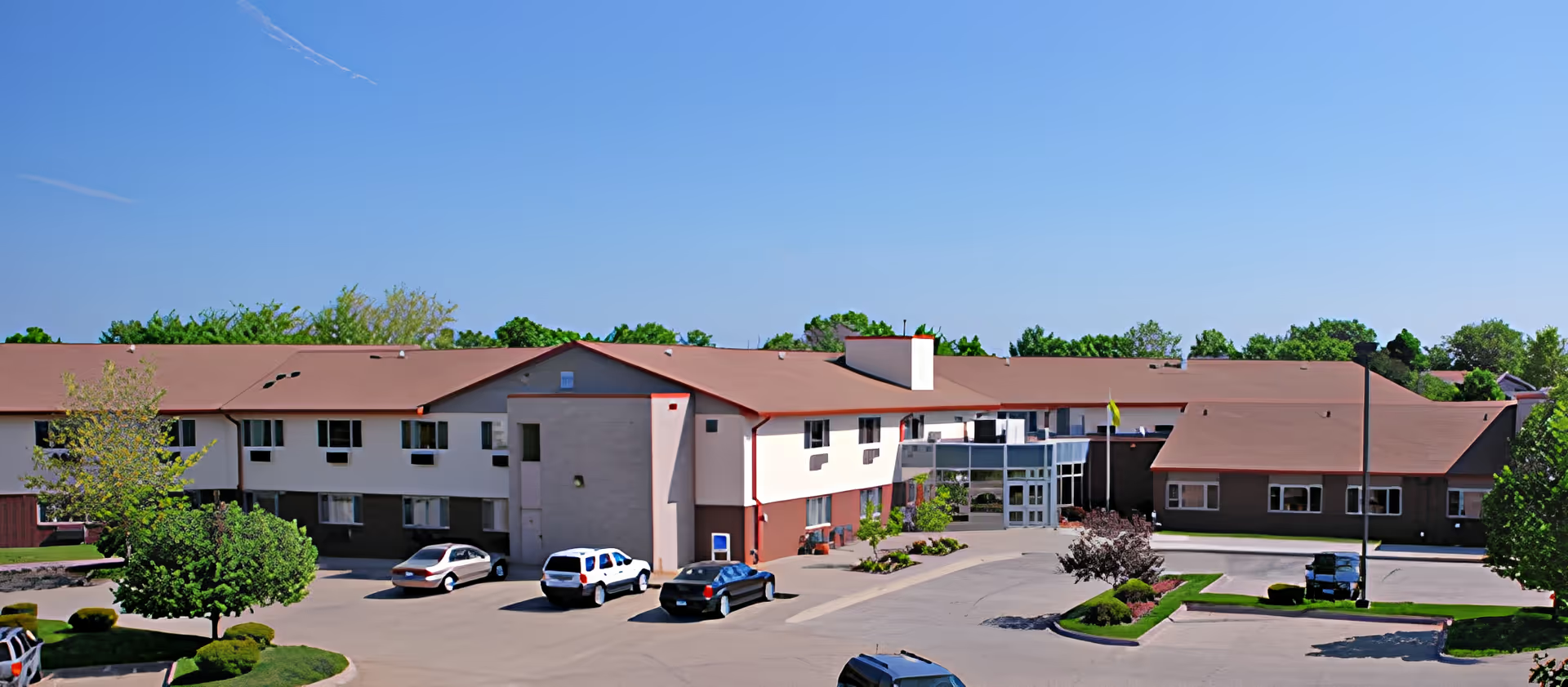
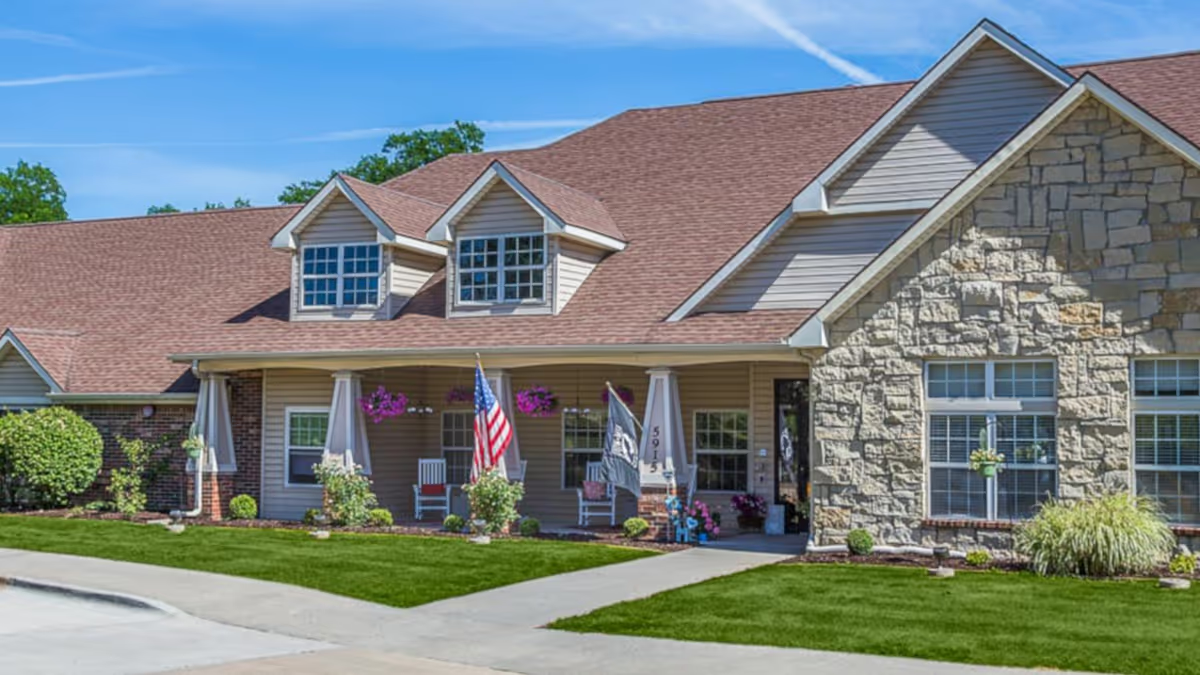
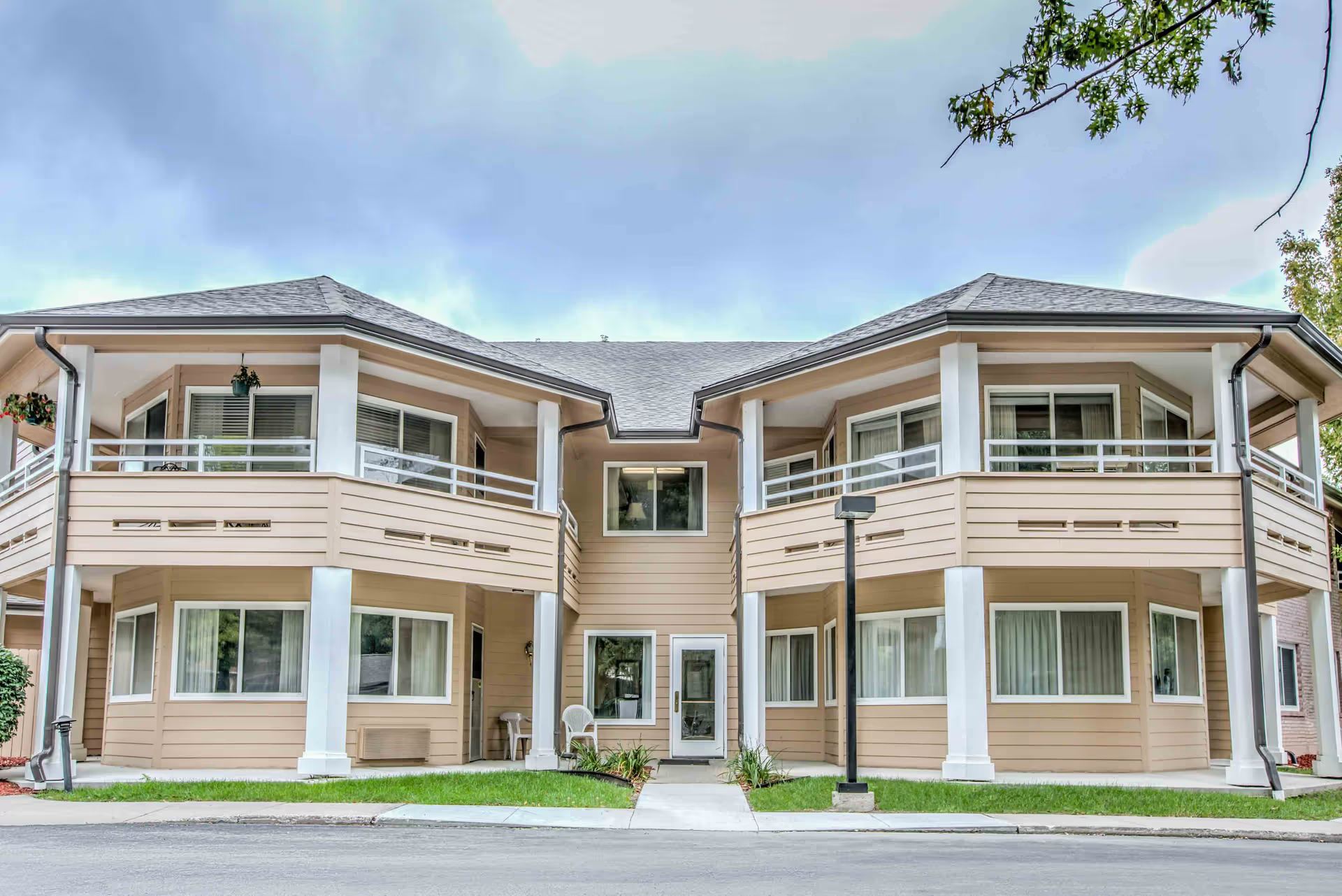
Walnut Ridge presents as a well-appointed, amenity-rich senior living community with a strong emphasis on wellness and social engagement. The physical plant is frequently described as bright and contemporary, with wide hallways, tall ceilings, abundant glass, attractive outdoor grounds, and thoughtfully maintained common spaces. Residents and families consistently cite the indoor pool, whirlpool, fitness center, theater, game room, and regular live-music and theater programming as major contributors to quality of life. Apartments are described as spacious and well-equipped (balconies, in-unit laundry, underground/heated parking), and the property is noted for proactive maintenance between occupants.
Care quality and staff performance are recurring strengths in the reviews. Multiple families highlight professional, warm, and communicative staff; attentive memory-care teams; good rehabilitation outcomes; and proactive infection-control measures, particularly during the COVID-19 period. Staff–family communication channels (including frequent updates and social-media posts) and visible safety procedures contributed to perceptions of resident well-being. The facility offers a continuum of services on-site—independent living with assisted living and memory care available—which many families find convenient for transitions in needs.
Dining and activities are prominent positives: reviewers praise food variety, heart-healthy options, and a restaurant-style dining environment in many areas. Programming is robust, with scheduled fitness classes, water aerobics, movies, mixers, and game activities that foster social connection. That said, some residents and families note that meals can be costly on a per-meal basis and that included meal allowances vary; prospective residents should clarify cost structures for dining and extras.
Operational patterns raise several considerations for prospective residents. Cost and ancillary fees are a recurring concern—residents describe the community as relatively pricey and advise close review of maintenance charges and dining allowances. There are capacity constraints in memory care (waitlists) and limits reported on higher-acuity skilled-nursing care or transitions when needs escalate; families should confirm the facility’s scope for long-term skilled nursing. Transportation services and scheduling have been described as limited or inconsistent in practice; verify availability and whether medical transport is provided on needed days. A small number of comments point to periodic staffing instability or workload pressures that have affected service consistency, and a few families described variability in administrative responsiveness or tone during intake and paperwork processes (including veterans’ paperwork). There is also commentary that the facility’s size and somewhat formal atmosphere may feel institutional to some residents, particularly those seeking a smaller, more home-like setting.
In addition to these operational themes, there is mention of at least one serious, individual allegation involving a staff–security incident; charges were later reported to have been dropped. While this appears to be an isolated and legally adjudicated matter, families often flagged it in the context of staff workload and oversight concerns. Overall, the dominant pattern in reviews is strong praise for staff, amenities, cleanliness, and social programming, balanced by practical cautions about cost, transportation, memory-care capacity, and potential variability in administrative or clinical service delivery. Prospective residents and families should tour multiple times, request written details about fees and included services, confirm memory-care waitlist status and skilled-nursing capabilities, and ask for specific transportation and therapy schedules before committing.