Brown Deer Place elicits strongly polarized impressions. Many families and residents describe a warm, home-like atmosphere supported by a clearly engaged direct-care team. Positive commentary centers on compassionate, attentive staff who prioritize resident comfort and social connection; several reviewers specifically praised individualized attention, proactive admission support, and visible staff involvement in daily life. The facility is repeatedly credited with an active programming schedule—live music, weekly social gatherings, karaoke, crafts and frequent entertainment—that contributes to a lively social environment and a strong sense of community.
Dining and daily living present a mixed picture. Numerous reviewers applauded the three-meal-a-day format, balanced menus, flexible dining options, and availability of meals-on-demand or meal delivery to rooms when needed. At the same time, there are repeated concerns about decline or inconsistency in food quality and about interruptions to meal-service continuity following staffing or kitchen changes. Housekeeping and ancillary services (laundry, daily bed-making, separate dining areas for different care levels) are frequently noted as strengths that support residents’ comfort.
Clinical care and responsiveness have both positive and negative references. Several families described effective clinical coordination, smooth medication initiation, visiting-nurse involvement, and appropriate support for memory-care residents. Conversely, other accounts point to staffing shortages, long waits for assistance after call lights, variability in clinical skill mixes, and at least one instance implying gaps in infection-control/transfer procedures. These items suggest variability in operational reliability across shifts or over time rather than a uniform practice across the facility.
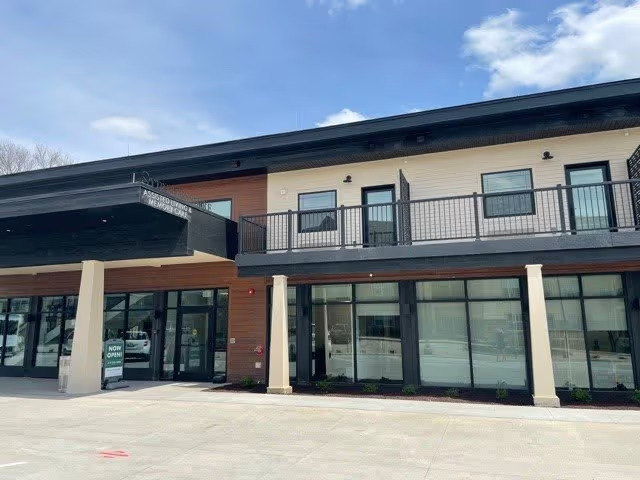
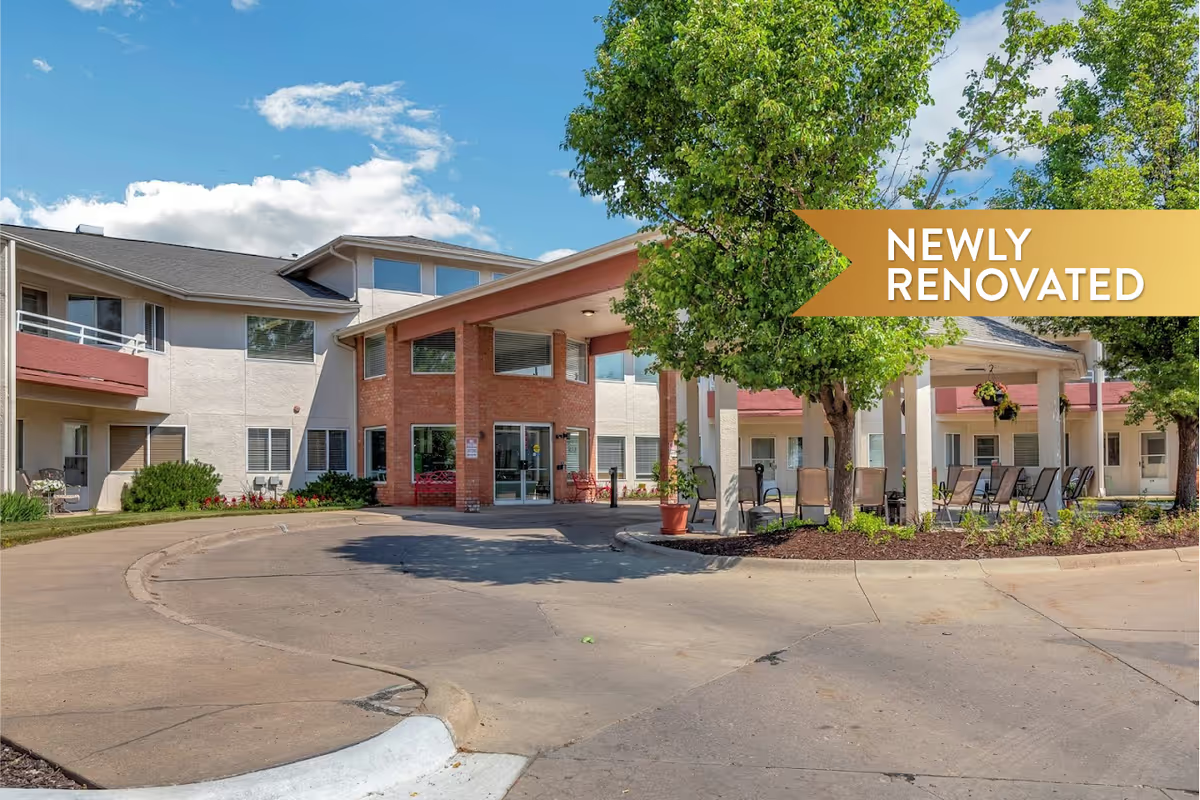
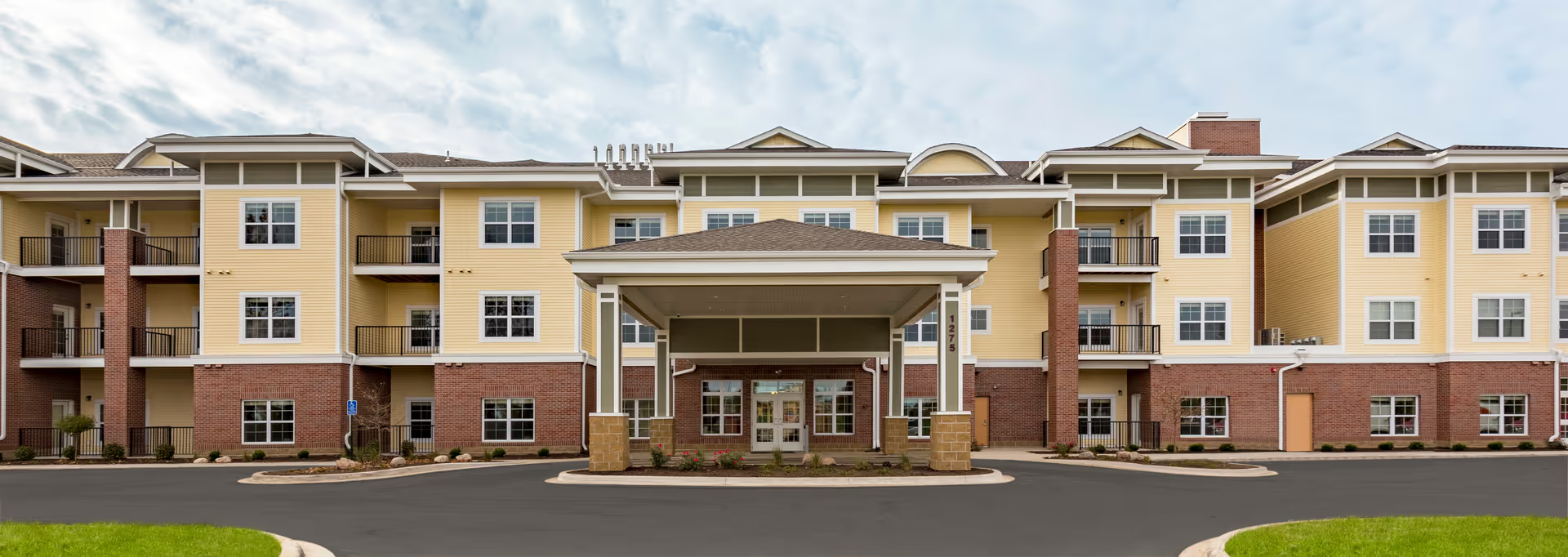
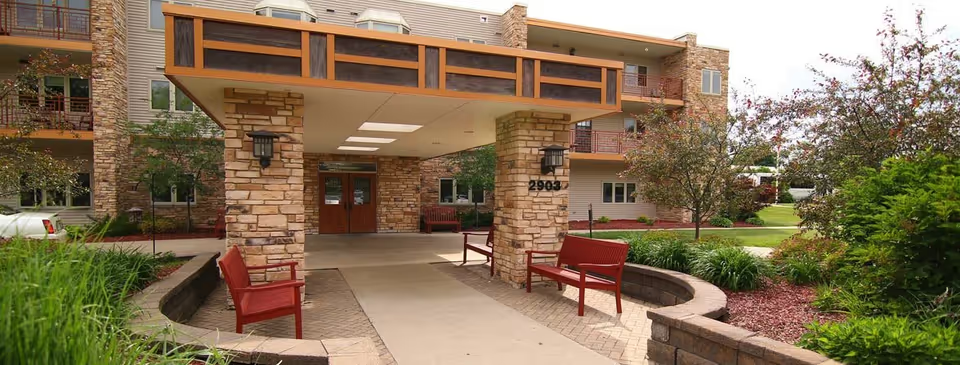
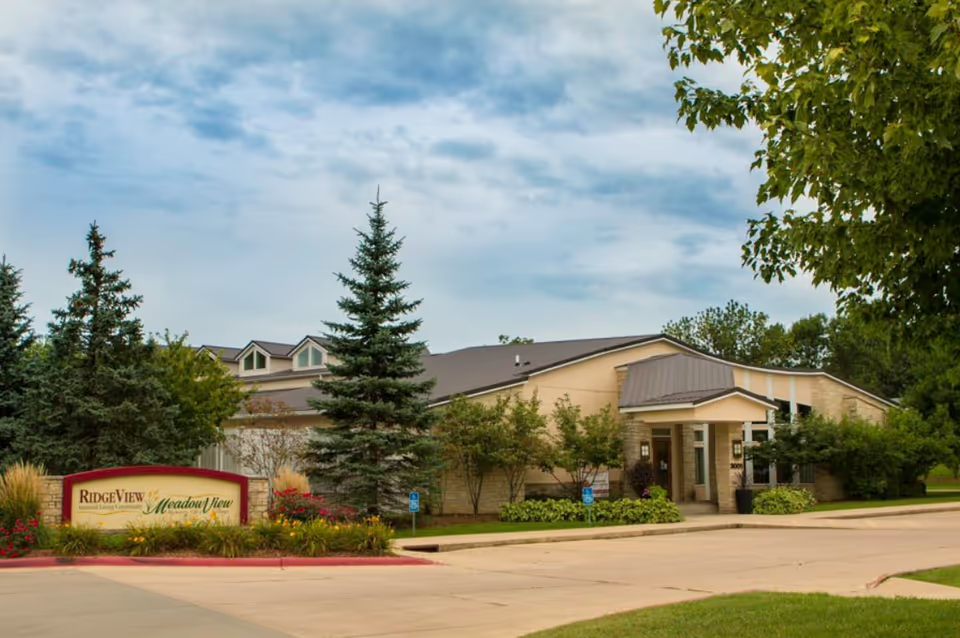
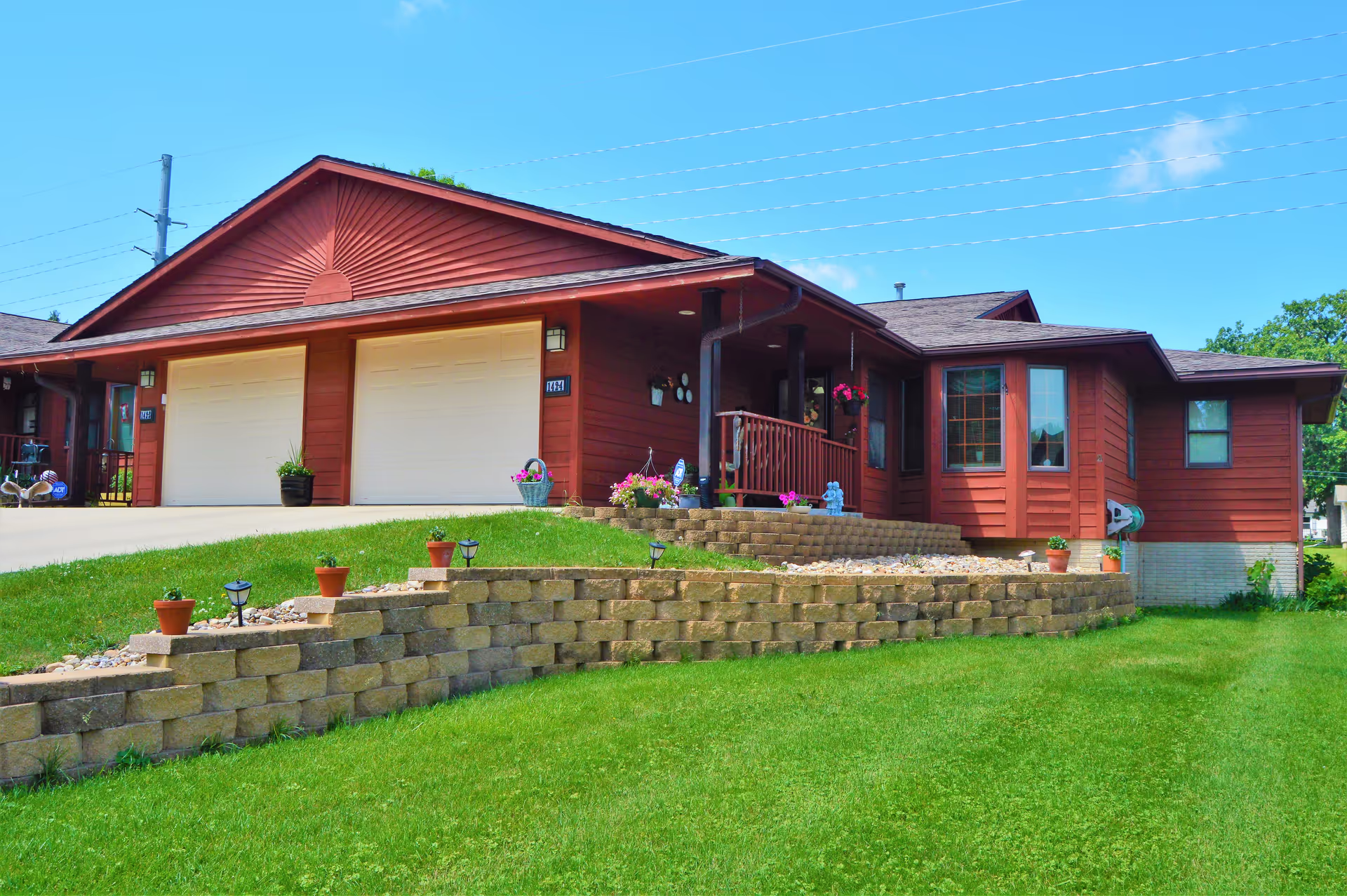
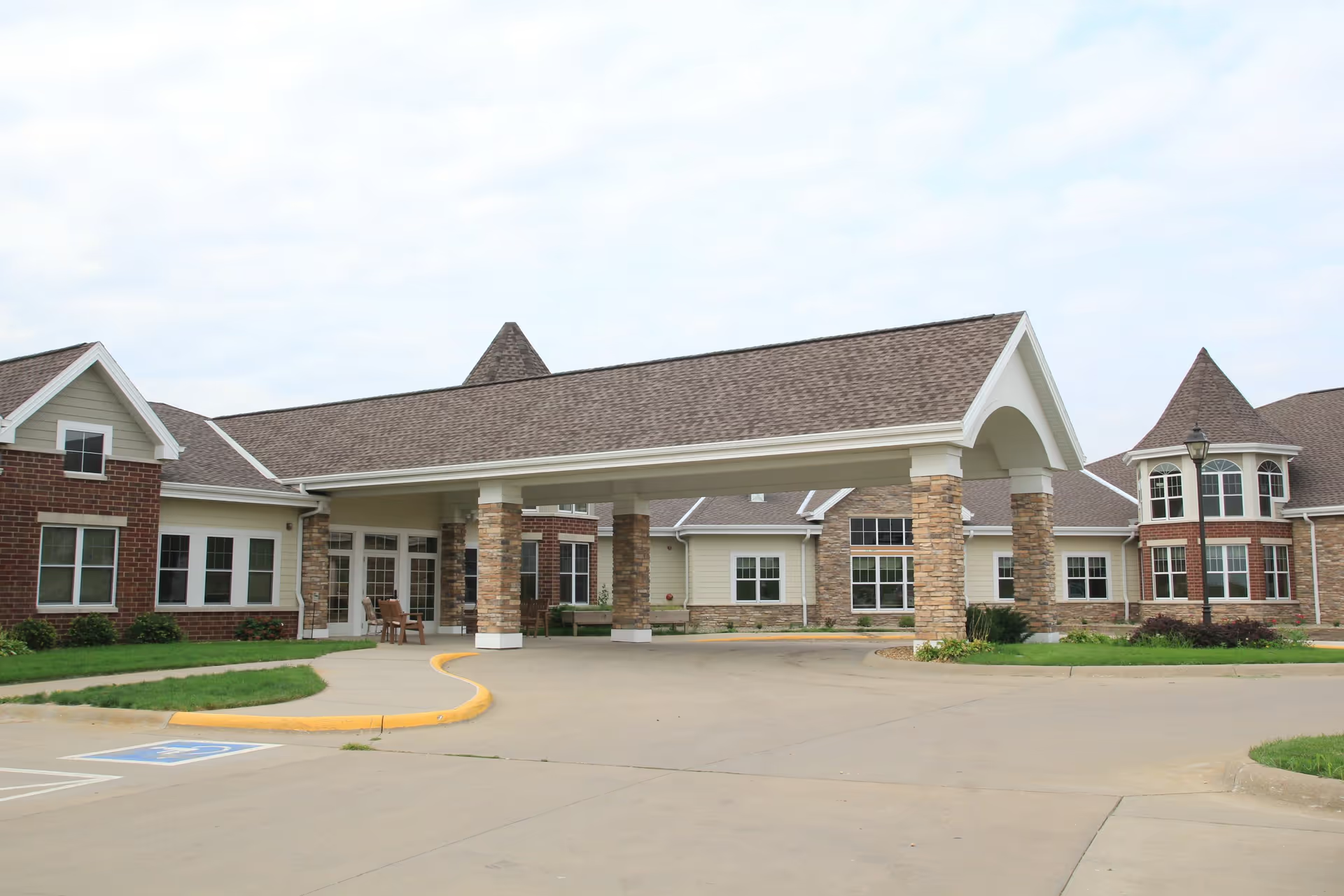
Physical plant and amenities receive generally favorable comments about recent renovations, attractive common areas, in-unit conveniences, and transportation services. Those positives are tempered by intermittent maintenance concerns—examples include elevator reliability, pest-control and sanitation issues in particular areas, and perceptions that some parts of the property can feel worn or dingy. The facility’s size and layout appeal to those seeking a smaller, community-oriented setting rather than a large institutional campus.
Management and administration is another mixed area. Post-acquisition improvements and specific staff members are often singled out for praise, but other comments highlight opacity around ownership/manager relationships, billing disputes, delayed refunds, and inconsistent communication from leadership. These governance and financial-administration issues, together with signs of staff retention challenges, are recurring themes that prospective families should clarify during a tour.
Overall, Brown Deer Place appears to offer a strong social program, a family-style culture, and many amenities that support resident wellbeing. At the same time, variability in meal quality, staffing stability, maintenance, and administrative transparency are recurring operational weaknesses in the reviews. Prospective residents and families would benefit from focused questions during a visit: current staffing ratios and training, recent changes in kitchen or clinical leadership, pest-control and maintenance logs, infection-control/transfer policies, and specific billing practices to confirm whether the facility’s positive attributes are consistent with their expectations.