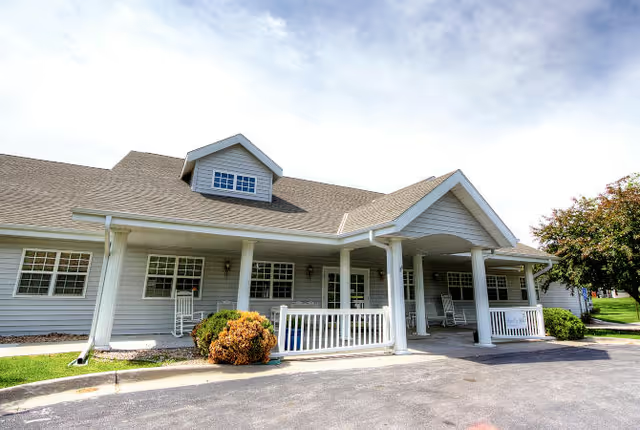
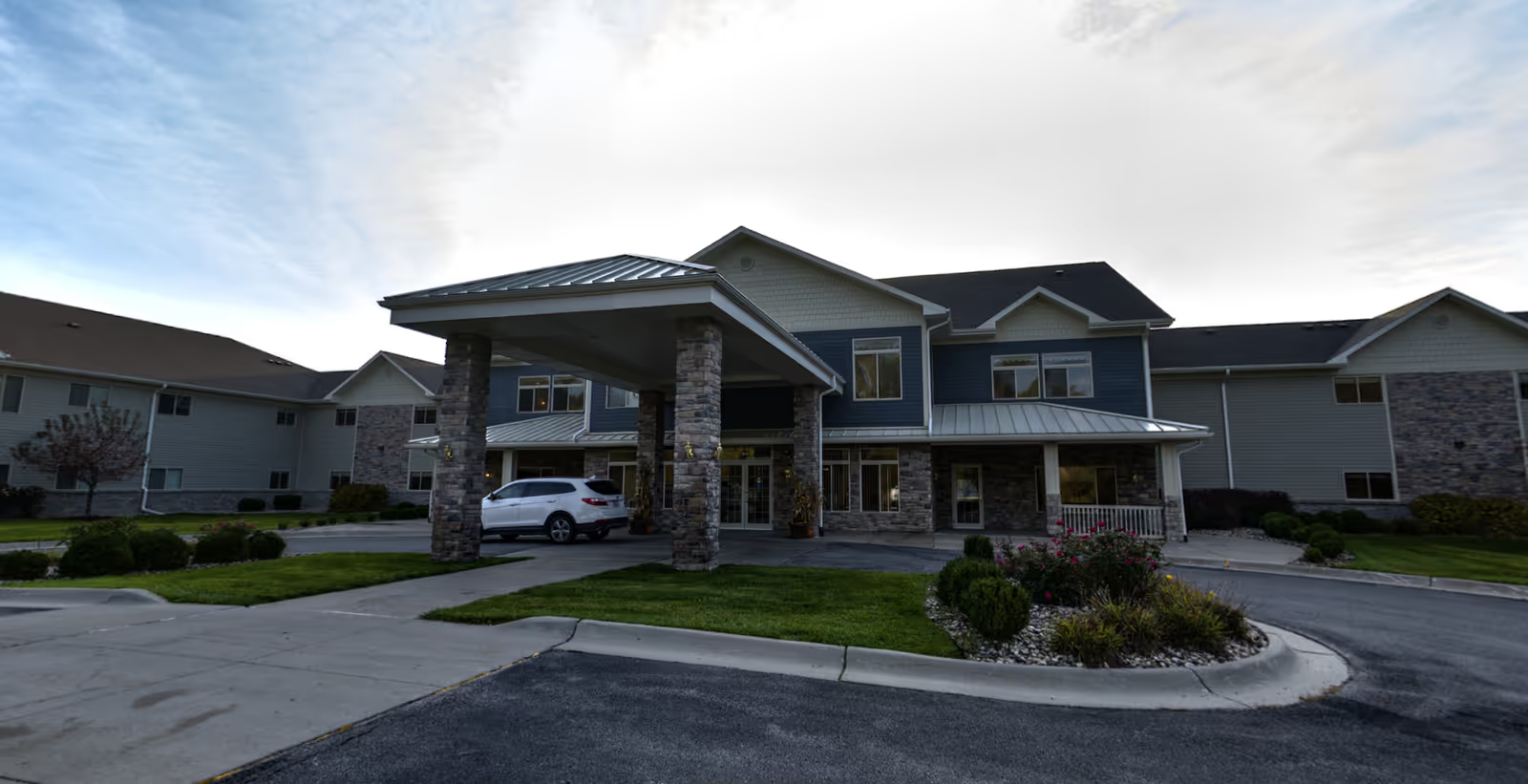
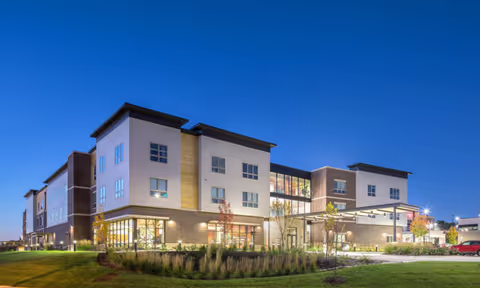
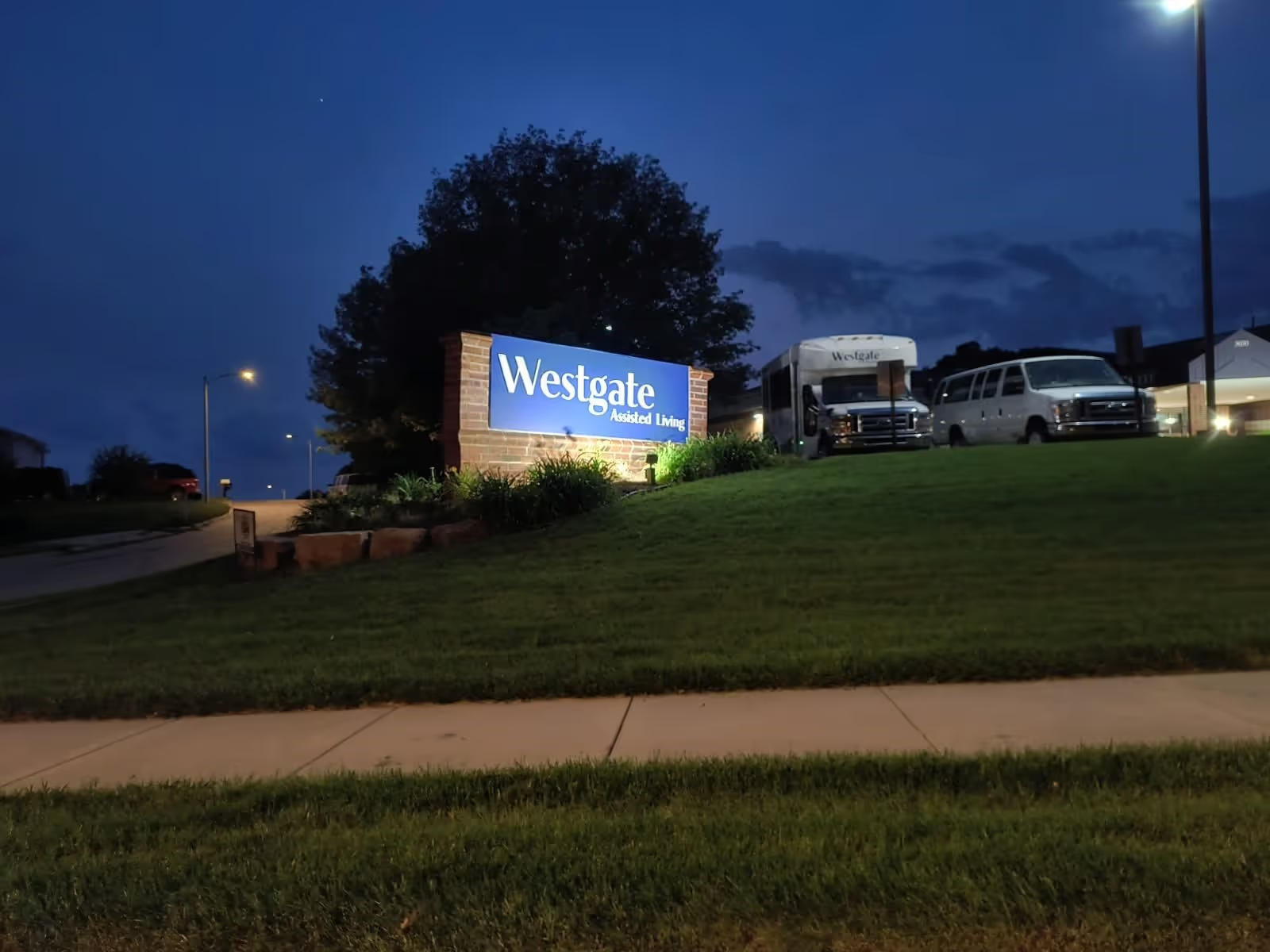
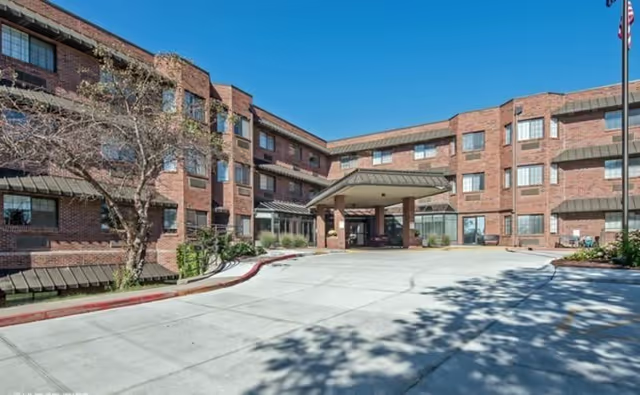
Feedback about Chapters Living of Council Bluffs is mixed, with clear strengths in the interpersonal and social aspects of care alongside repeated operational concerns. Positively, multiple accounts describe caregiving staff as caring and friendly, communal spaces as clean and roomy, and an activities program that contributes to a welcoming atmosphere. Short-term rehabilitation outcomes are described as effective in some cases, suggesting competence in restorative therapy when services are available.
Care-quality observations reflect a contrast between individual staff behavior and system-level clinical availability. Reviewers praise individual caregivers for their supportive tone and the facility’s ability to deliver rehabilitation progress, yet also describe gaps in clinical coverage and wound-care availability. These descriptions point to limited on-site nursing resources and uneven access to skilled clinical services rather than uniformly poor skill or intent among direct-care staff.
Dining and daily-living feedback is similarly mixed. The facility’s communal dining and common-room amenities are viewed positively, but there are repeated notes about inconsistent meal timing and occasional delays. Laundry and appliance convenience were identified as opportunities for improvement. Activities and social offerings receive favorable comments for keeping residents engaged and making common spaces an asset.
Facility-condition comments emphasize cosmetic and maintenance issues. While interior spaces are described as clean and roomy, there are concerns about deferred maintenance, water-damage repairs, and boarded windows that affect perceived building upkeep. These issues, paired with requests for a cosmetic refresh, suggest the need for a targeted facilities-maintenance plan.
Management, finance, and communication emerge as the primary recurring concerns. Reviewers describe difficulty obtaining timely updates, limited transparency around administrative decisions, and frustration over billing, rent increases, and unresolved refund or reimbursement matters. Staffing patterns — including use of agency personnel and perceived high workloads — are linked to reduced responsiveness and inconsistent care continuity. Taken together, these operational themes suggest that management practices and staffing stability are the areas most likely to affect family satisfaction.
For prospective residents and families, the facility appears to offer a supportive social environment and competent rehabilitative therapy in many cases, but operational issues — particularly staffing consistency, certain clinical-service gaps, maintenance responsiveness, and financial/administrative transparency — warrant careful inquiry. Recommended next steps before placement include direct questions about current nursing coverage and wound-care protocols, staffing ratios and use of agency staff on the unit(s) of interest, meal-service schedules, maintenance and repair timelines, and documentation of fees, recent rent adjustments, and refund practices.