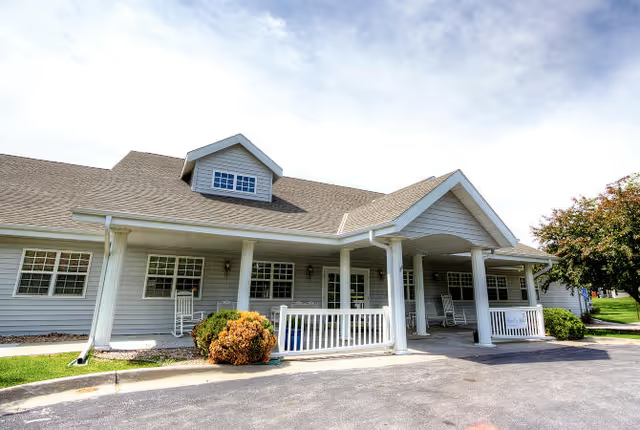
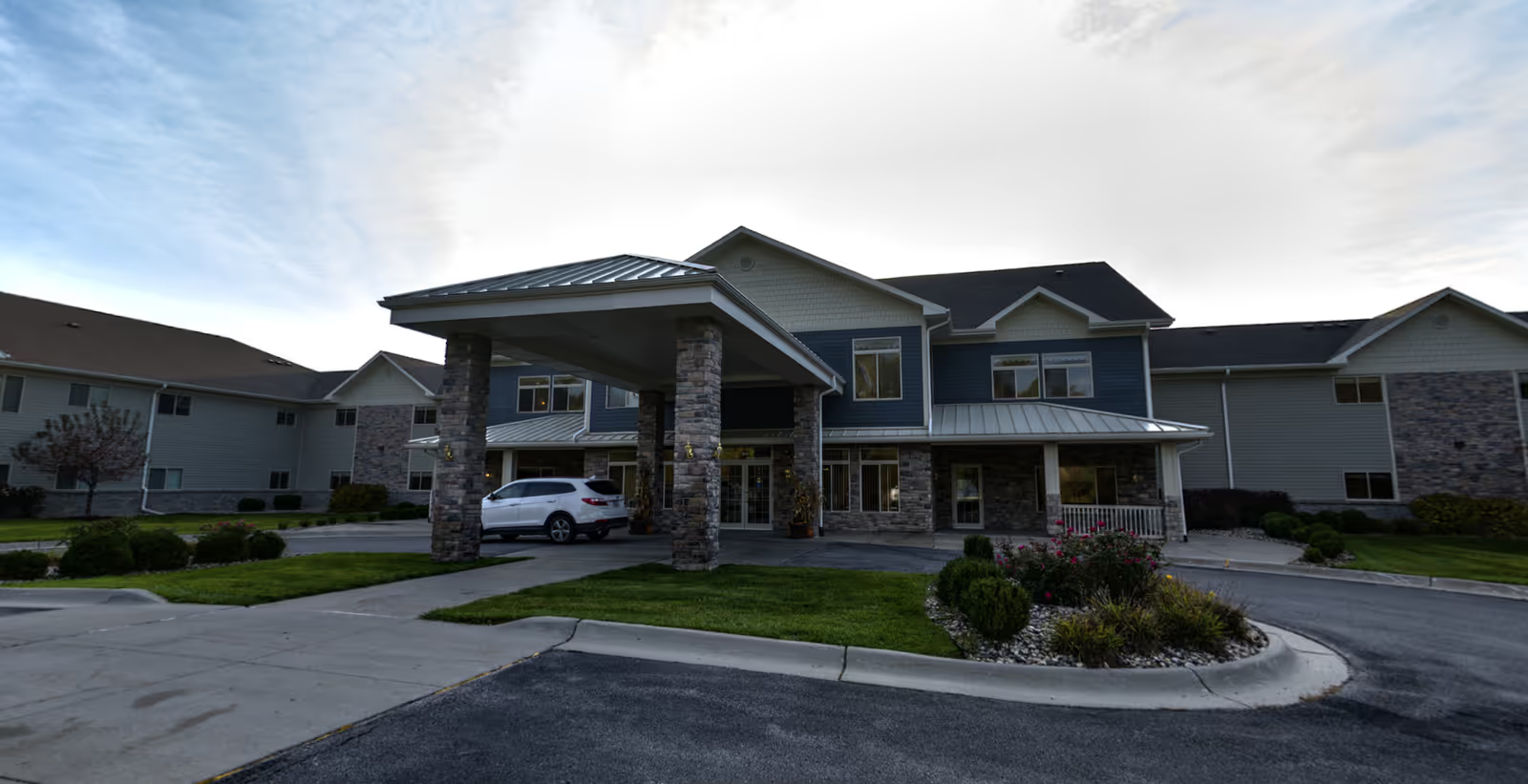
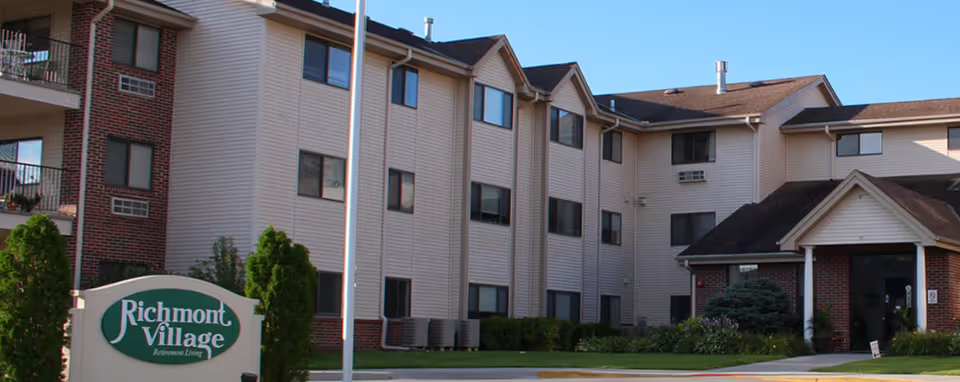
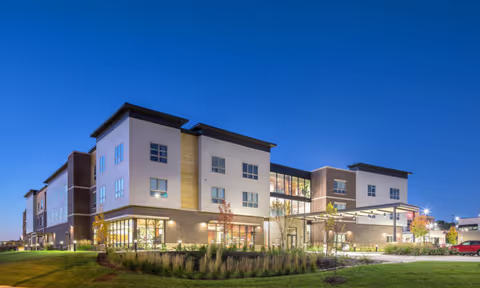
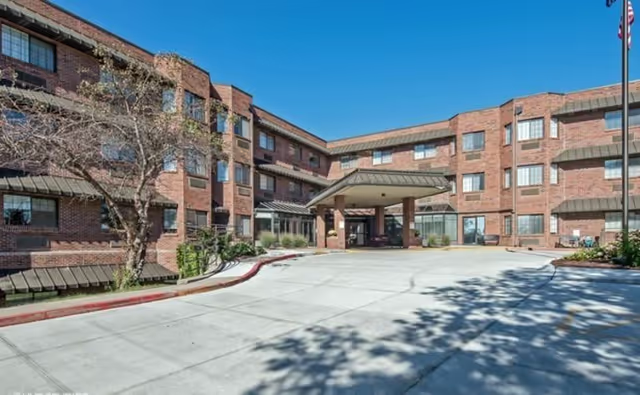
Prairie Gate presents as a newly built, well-appointed senior living community in central Council Bluffs that offers a broad continuum of services. The property and individual apartments are described as attractive and modern, and the community model bundles independent living with access to memory care, assisted living, and long-term care. On-site therapy and rehabilitation services — including OT/PT delivered in apartments — are available, which supports both short-term recovery and ongoing wellness needs.
Care quality is portrayed positively in multiple accounts. Families and residents described compassionate, respectful caregiving and a collaborative approach to clinical needs. Wellness programming and end-of-life care were highlighted as dignified and peaceful in several descriptions, and maintenance and housekeeping services were characterized as attentive. The availability of on-site rehab and individualized therapy was noted as a practical asset for residents who require restorative services.
Staff and management impressions are mixed. Many comments emphasize friendly staff and helpfulness from maintenance and front-line teams; however, a contrasting pattern appears around admissions and some front-line interactions. Examples of abrupt or disinterested behavior and instances of unresponsiveness indicate variability in admissions responsiveness and in the communication tone of certain staff members. There are also indications of gaps in family communication during clinical transitions. Taken together, these items suggest that interpersonal consistency and the admissions experience may vary depending on timing or personnel.
Dining and activities receive favorable mentions. Comments indicate that residents are eating well and enjoying group activities such as crafts, and reviewers describe a pleasant resident community. The combination of a modern facility, engaging programming, and visible social interaction supports a positive day-to-day environment for many residents.
Notable patterns for prospective residents and families: the facility’s strengths include a modern campus, integrated continuum of care, on-site therapy services, and generally compassionate caregiving. Areas to clarify during a tour or initial conversations include expected waitlist timelines, the admissions process and typical communication practices, staffing models for frontline care, and how families are updated during clinical transitions. Overall impressions range from strongly positive to mixed, with the chief operational concerns centering on admissions responsiveness and consistency of staff engagement rather than on the physical plant or clinical-service availability.