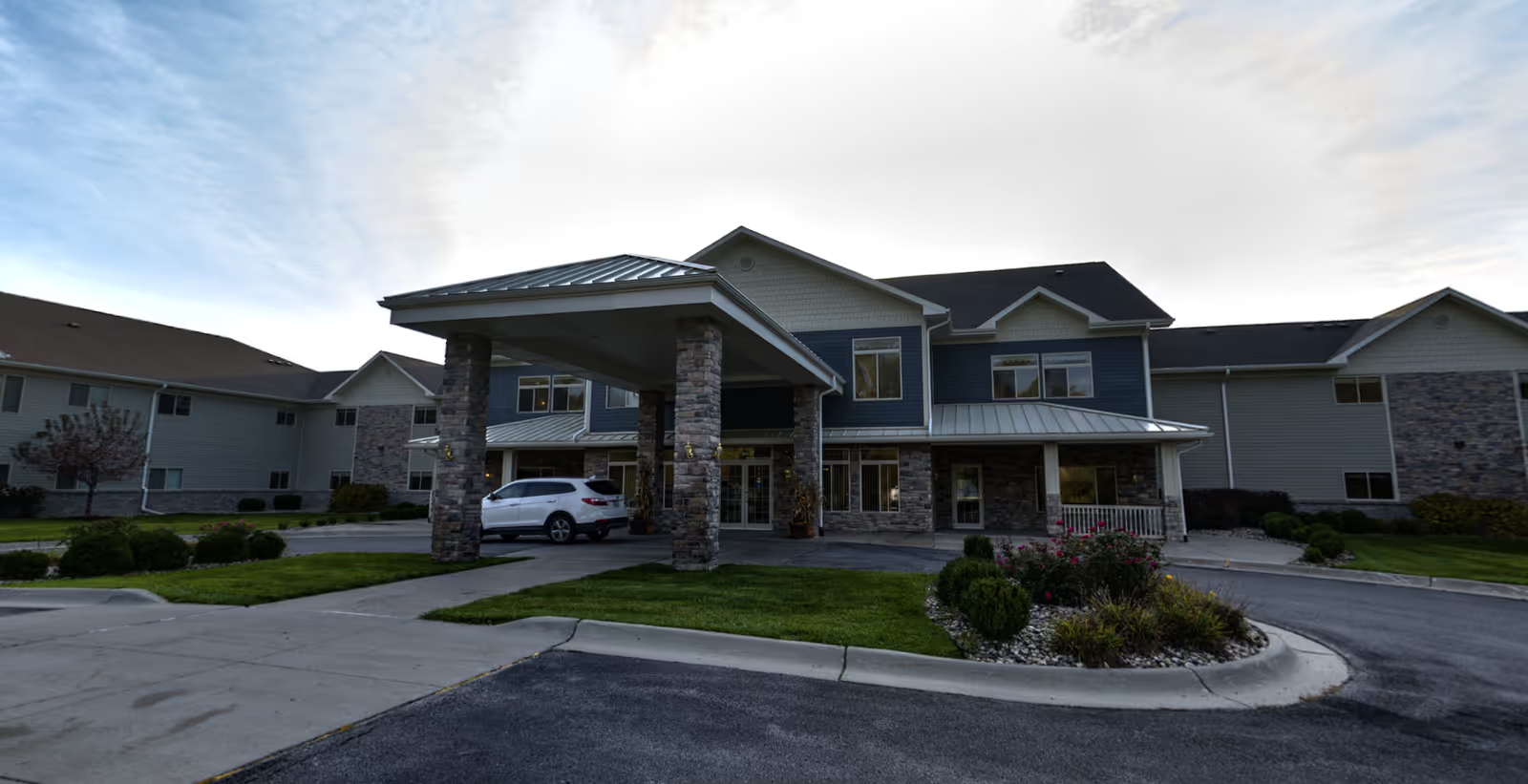
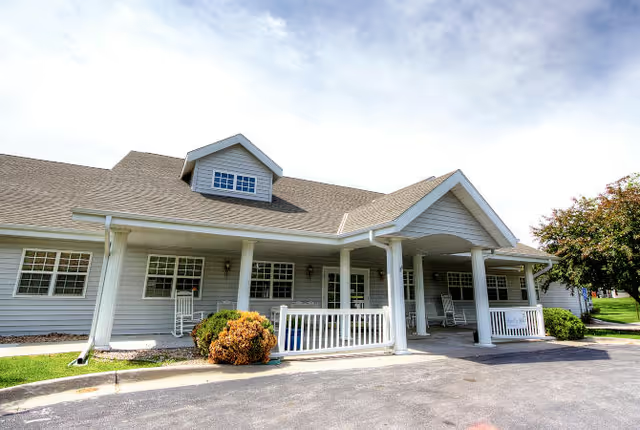
The reviews for The Rose of Council Bluffs present a mixed but coherent picture: many residents and family members emphasize a warm, social community with consistently praised caregiving staff and a robust activities program, while operational and management issues are recurring sources of dissatisfaction. Strengths most often cited include friendly, attentive staff (nursing, maintenance, and administration in many accounts), a family-like atmosphere, active programming led by an engaged activities director, and apartments that are generally described as spacious and easy to navigate. Safety features and a quiet, convenient location near shops and delivery options are also viewed positively.
Care quality is generally regarded as compassionate by respondents, with multiple comments highlighting helpful nursing and maintenance personnel and positive short-term rehabilitation outcomes for residents who required therapy. At the same time, there are notable clinical concerns raised in individual accounts—instances involving medication and hydration management, falls, and escalation to hospital/rehab—that prospective families should evaluate directly with staff. These reports do not form a uniform picture of clinical failure but do indicate the importance of reviewing individualized care plans, staffing levels, and transfer/fall-prevention protocols during a tour.
Dining and food service are a clear area of variability: some reviewers praise excellent meals and note meaningful improvement with a new cook, while other accounts describe burnt or unappealing dishes and mandatory meal charges. Ancillary fees (housekeeping, laundry) and periodic rent increases have generated dissatisfaction and a sense of diminished value for some residents. Prospective residents should clarify what is included in base rent, how meal charges are handled, and whether menu consistency and dietary accommodations are reliable.
Facility-level operational weaknesses recur across reviews. The most consistent concerns involve communication and responsiveness from management—unanswered or delayed work orders, limited or inaccessible contact information, and poor explanation for service interruptions. Utility reliability and building systems are another frequent theme: reports reference water shutoffs, heating/boiler outages, and intermittent radiant heating performance. Maintenance delays and variable housekeeping/laundry standards were also noted, alongside some aging room conditions and limited accessibility for residents using walkers or wheelchairs in certain layouts.
In summary, The Rose of Council Bluffs offers many attributes that appeal to people seeking an engaged, social senior-living environment with helpful staff and a strong activities program. At the same time, there are operational and management issues—especially around communication, maintenance responsiveness, utilities, dining consistency, and transparent fee practices—that prospective residents and families should investigate. Recommended next steps for an informed decision include: asking for written clarification of fee structures and recent rate changes; touring accessible units and common areas with attention to walking distances and mobility needs; reviewing examples of maintenance response times and pending work-order backlogs; and speaking with current residents and family contacts about recent changes in dining and building-system reliability.