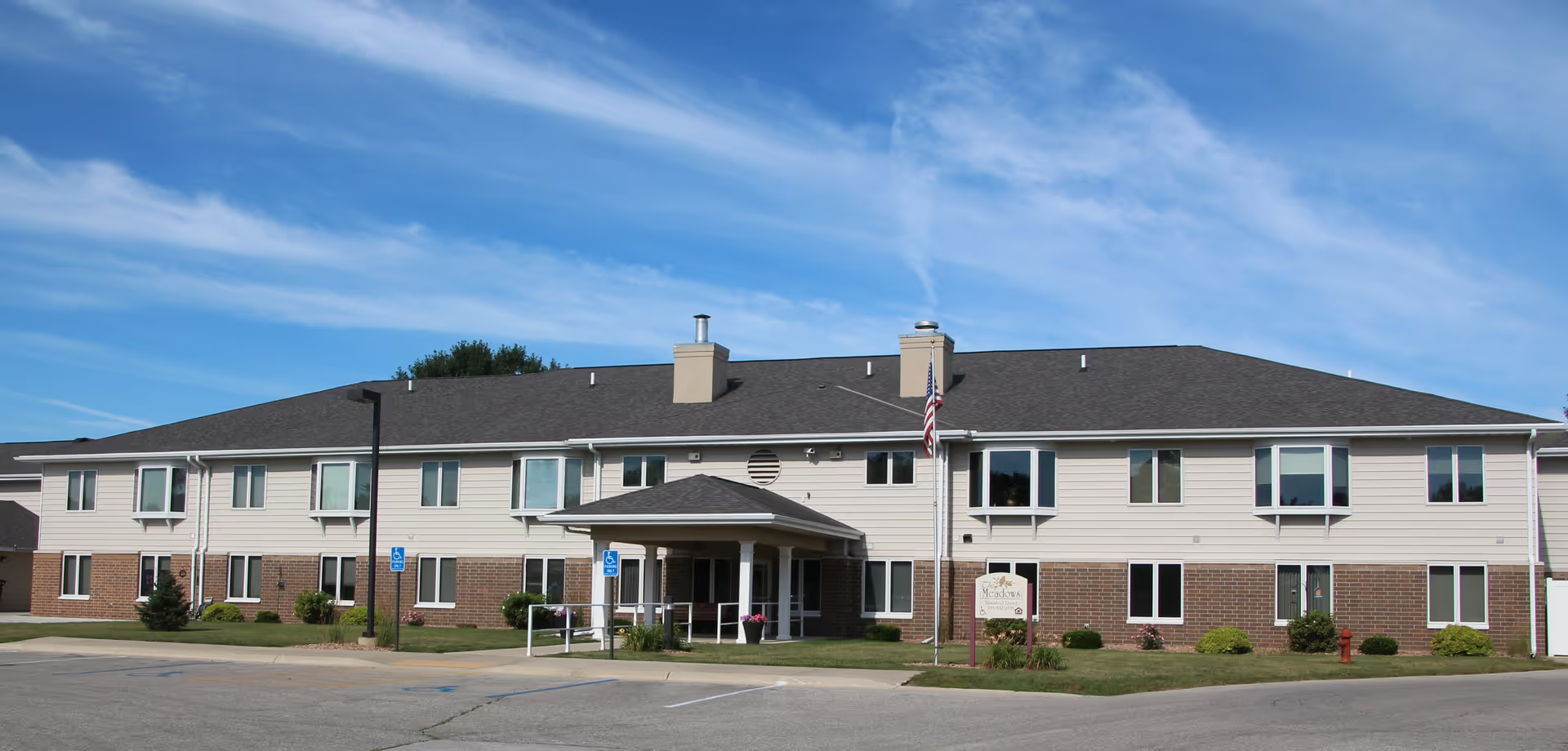
Experiences at Rehabilitation Center of Hampton vary considerably. Many comments are strongly positive, describing friendly, caring staff and effective teamwork across nursing, social work, housekeeping, maintenance, and dining. Positive accounts also describe respectful caregiver interactions and a welcoming atmosphere. In contrast, two detailed critical reviews raise concerns about the consistency of clinical monitoring and responsiveness, including support when a resident's condition or care needs changed. One family also described concerns with personal care and assistance with eating and drinking. These accounts differ sharply from the positive experiences, and the reviews do not establish how common the reported problems are.
Rehabilitation is a notable strength in the favorable accounts. Families describe therapy staff as helpful in teaching skills for a safe, more independent return home. One resident also said staff worked with them toward greater independence. Dining feedback is positive: reviewers mention appealing meals and snacks, daily and à la carte choices, and the option to eat in a room or the dining area. No consistent dining concern appears in the reviews.
The facility is described as clean and well maintained, with spotless rooms and a secure entry process. Social opportunities include interaction among residents and staff, family visits, and visits from a dog that residents could choose to engage with. A family member also described a resident's stay as socially engaging. The reviews provide little information about a broader organized activities program.
Management and communication feedback is mixed. One reviewer felt staff helped make facility processes easier to navigate despite requirements and procedures. A critical family account described difficulty getting a response to a financial inquiry and dissatisfaction with communication around end-of-life circumstances. Taken together, the reviews suggest that positive staff interactions and rehabilitation experiences are frequently emphasized, while the serious critical accounts point to areas families may wish to ask about directly—especially clinical monitoring, personal-care routines, escalation of health concerns, and communication with family.