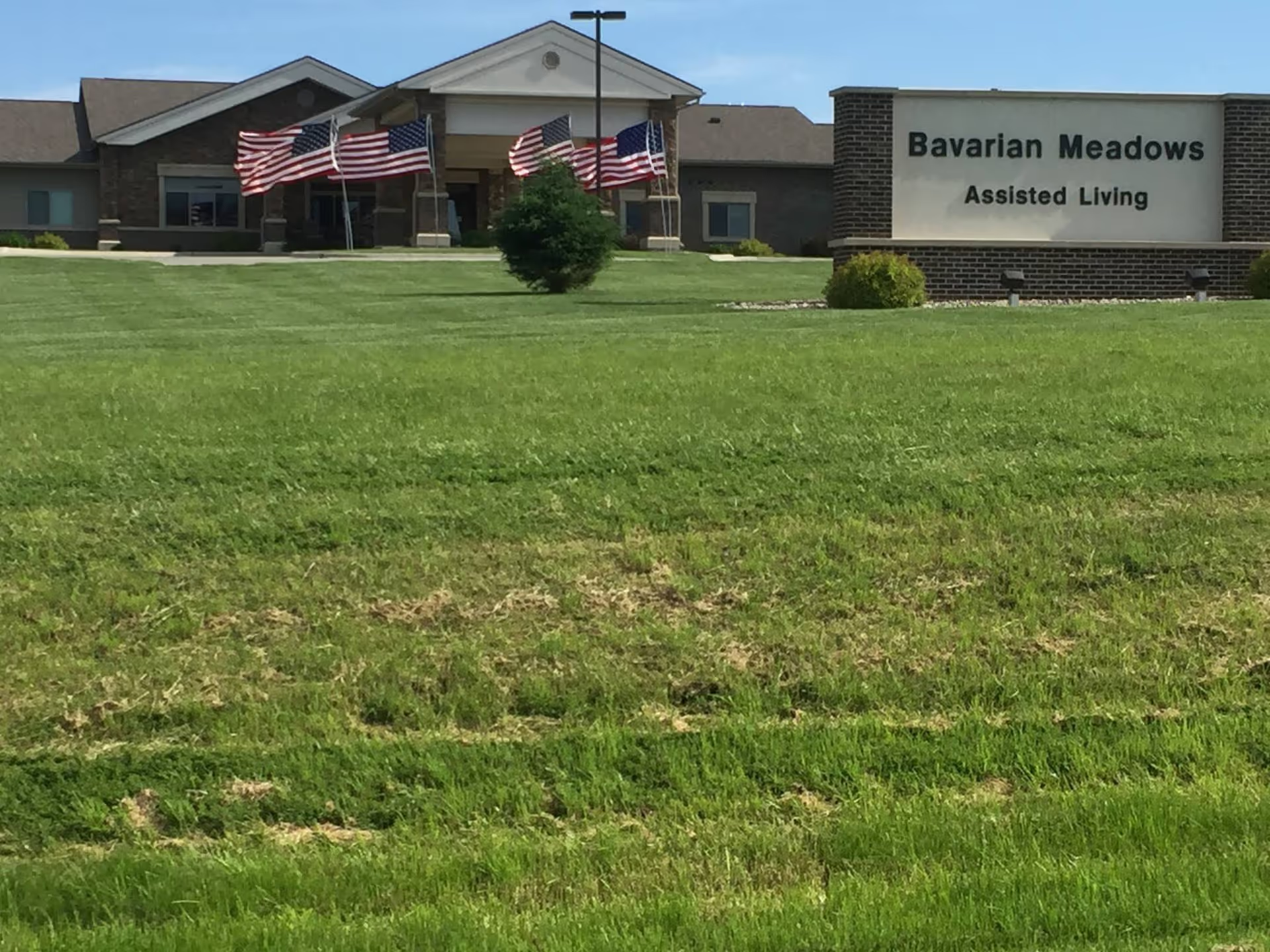
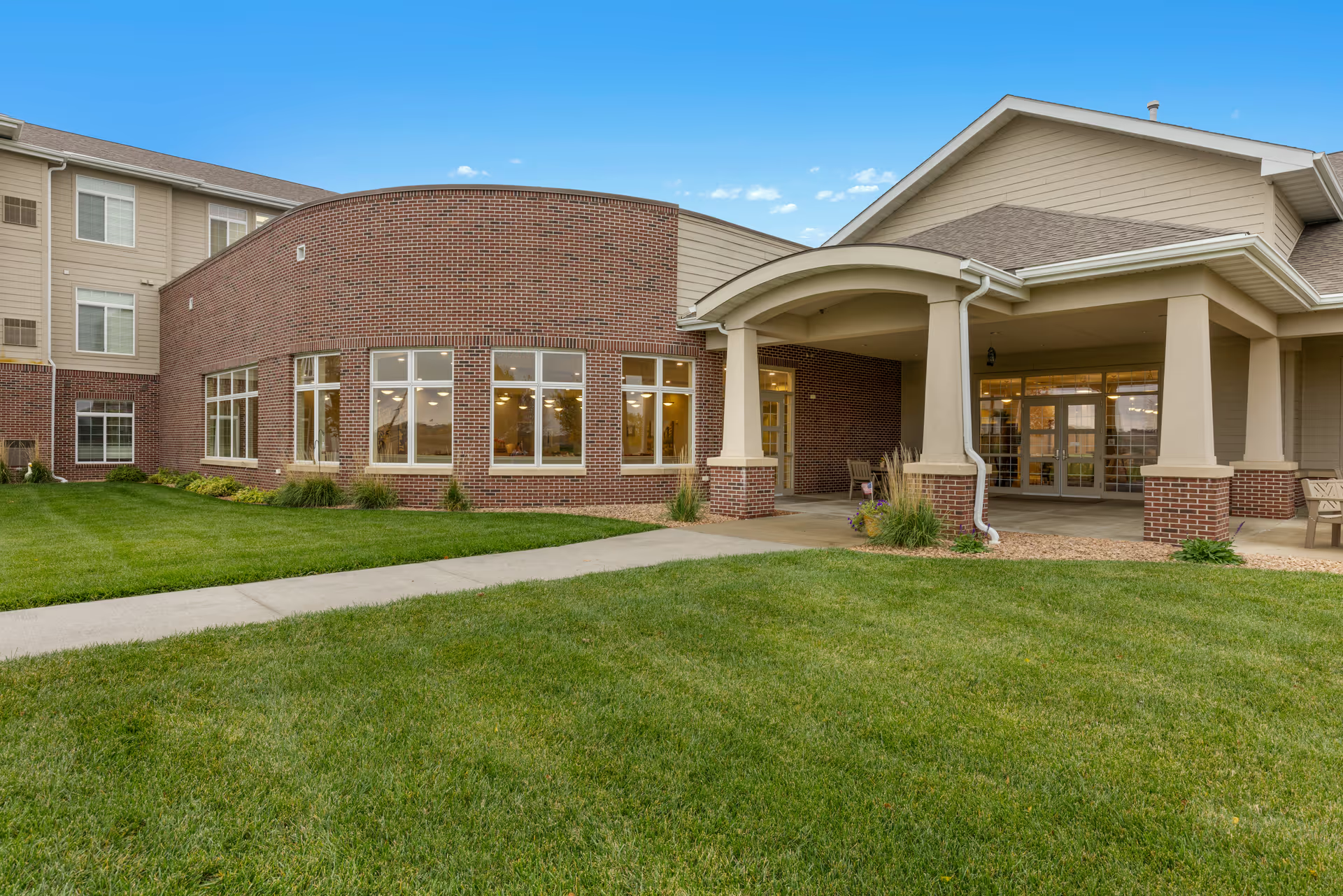
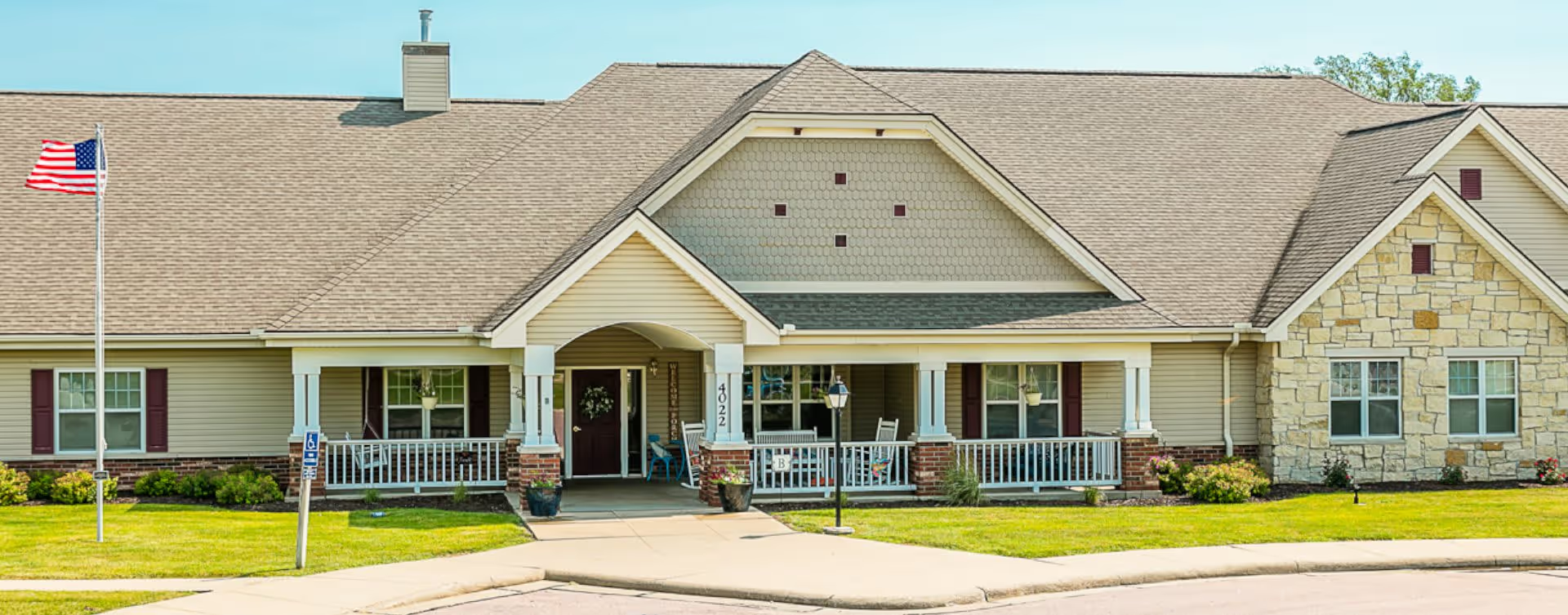
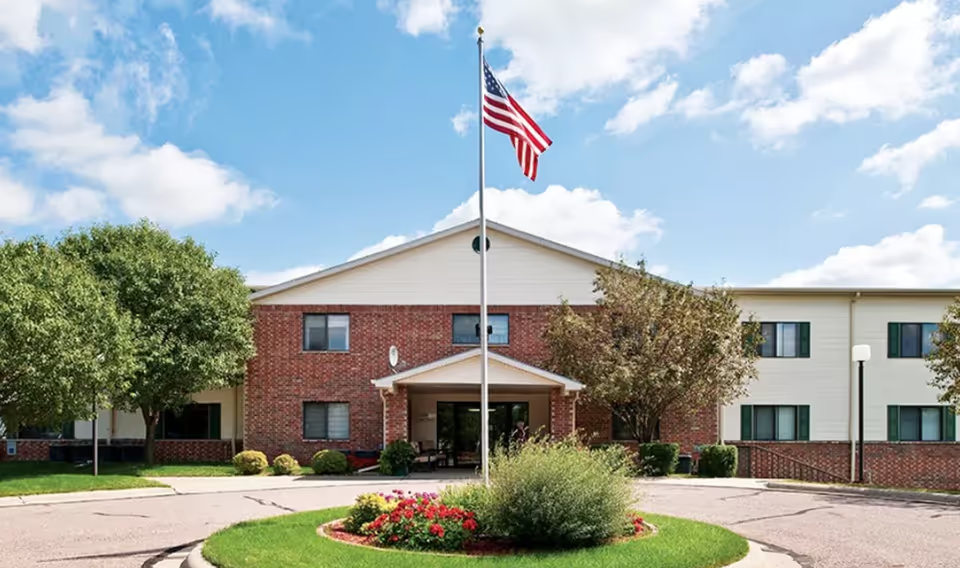
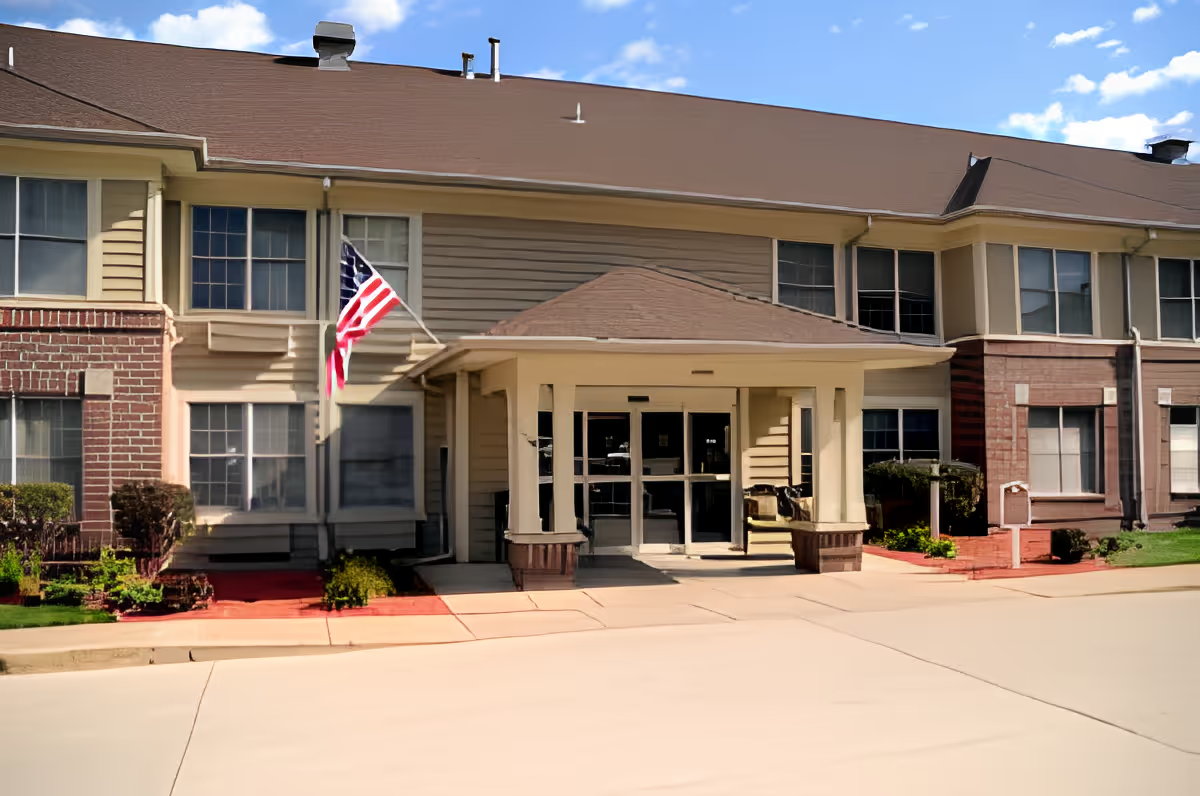
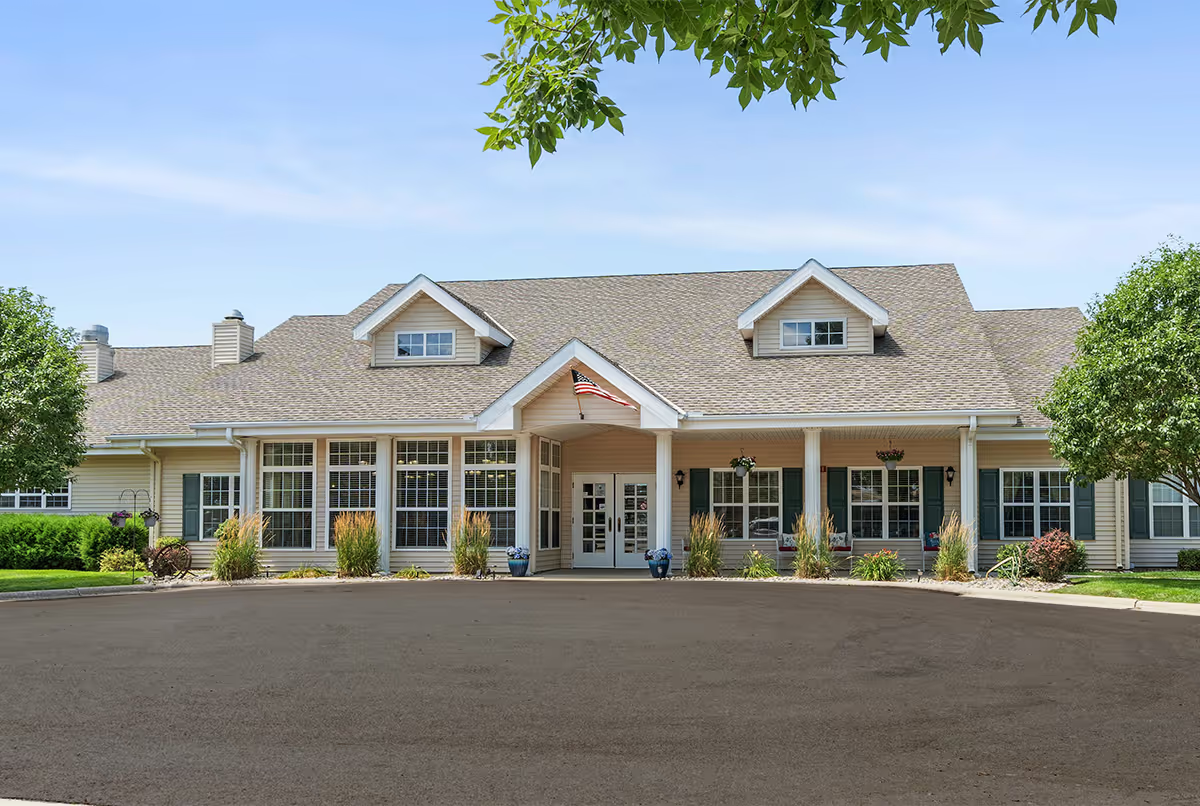
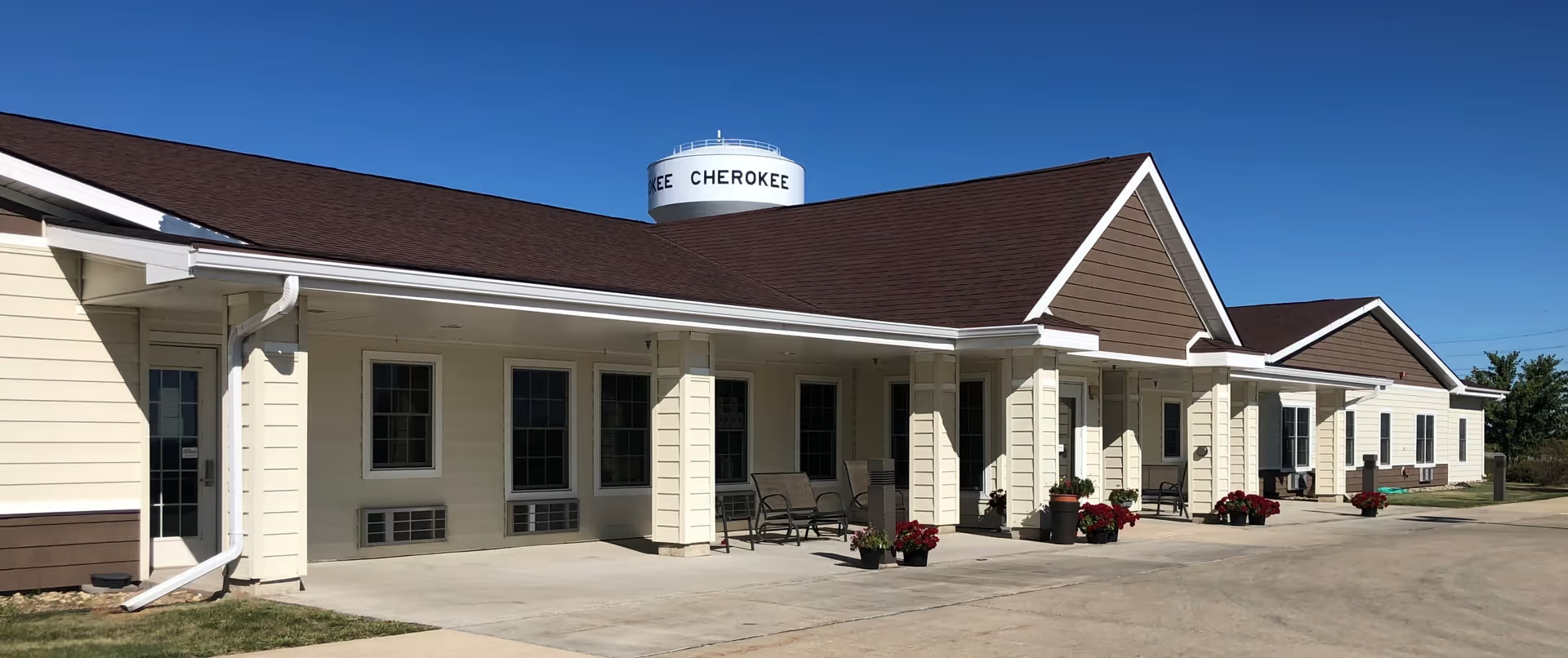
Kingsley Specialty Care is presented in reviews as a small, well-maintained long-term care facility with a residential scale (around 43 residents) that enables personalized attention. The physical environment is described positively: clean interiors, attractive grounds, and a bright atrium with birds that families and residents find pleasant. The facility’s compact size is repeatedly linked to closer family contact and more individualized handoffs compared with larger institutions.
Care and staffing emerge as mixed but definable patterns. Many families praise the caregiving team as kind, professional, and dedicated; leadership—especially the director of nursing—is singled out for positive recognition, and anecdotal accounts cite timely nursing attention and clinically useful therapy services (physical, occupational, and speech therapy). At the same time, a recurring operational concern is inconsistent staffing levels. Reviewers characterize periods of short staffing that affect responsiveness and can strain care continuity. These staffing dynamics are associated with variability in staff–resident rapport: while some families report highly attentive interactions, others find staff engagement less genuine or uneven over time.
Dining and programming are frequently noted as strengths. Reviewers indicate that residents generally eat well and that meal service is adequate. Activity programming is described as varied and creative — examples include group activities, an active atrium space, and adaptive programming during COVID restrictions such as window performances by local preschoolers. Families emphasize staff efforts to keep residents engaged and entertained despite infection-control limitations.
Management and culture show clear positives alongside areas for improvement. The facility has earned praise in an annual survey and is credited with committed leadership and a cohesive team by many reviewers. However, some families express concern about the facility’s operational priorities and communication style, describing moments of defensive responses to criticism and a perception that financial factors sometimes influence decision-making. Privacy limitations due to shared rooms are a recurring practical consideration for prospective residents. Taken together, the reviews portray a facility that delivers many strengths—compassionate staff, robust therapy services, attractive common areas, and active programming—but that would benefit from greater staffing stability, clearer communication practices with families, and attention to room-privacy options. Prospective residents and families may want to tour the unit, review current staffing ratios and recent survey results, and ask about room assignments and communication protocols to evaluate fit with individual needs.