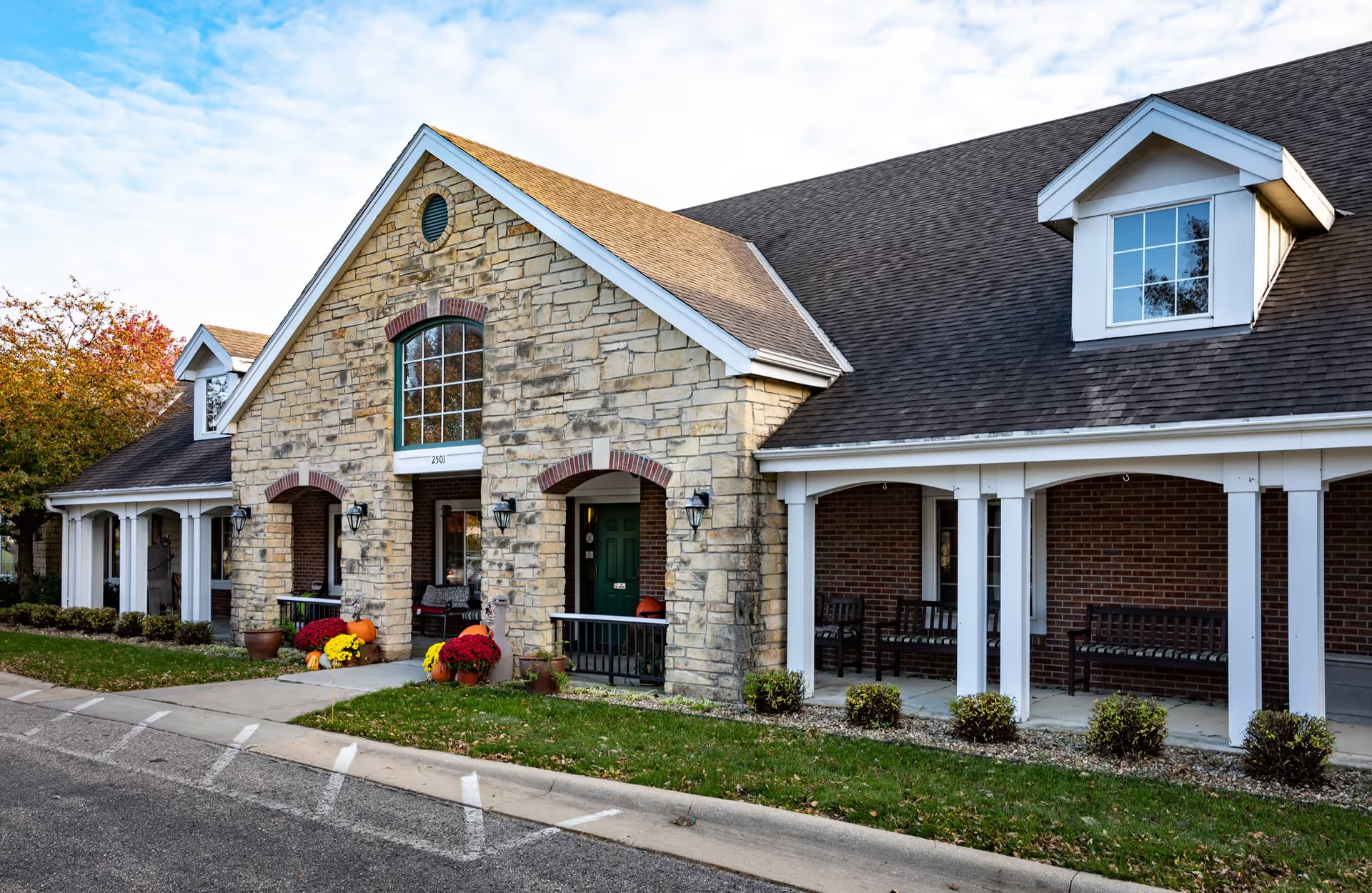
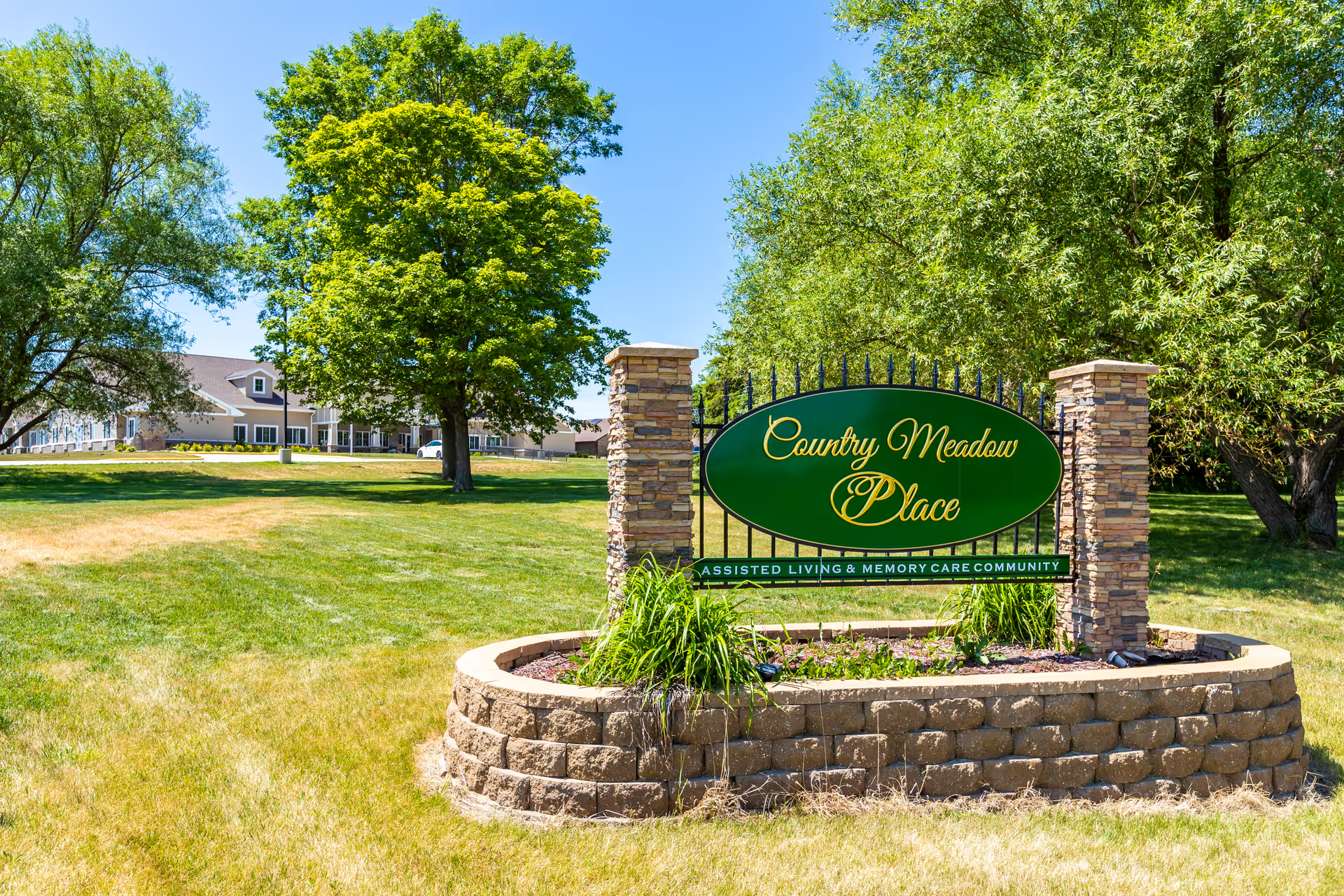
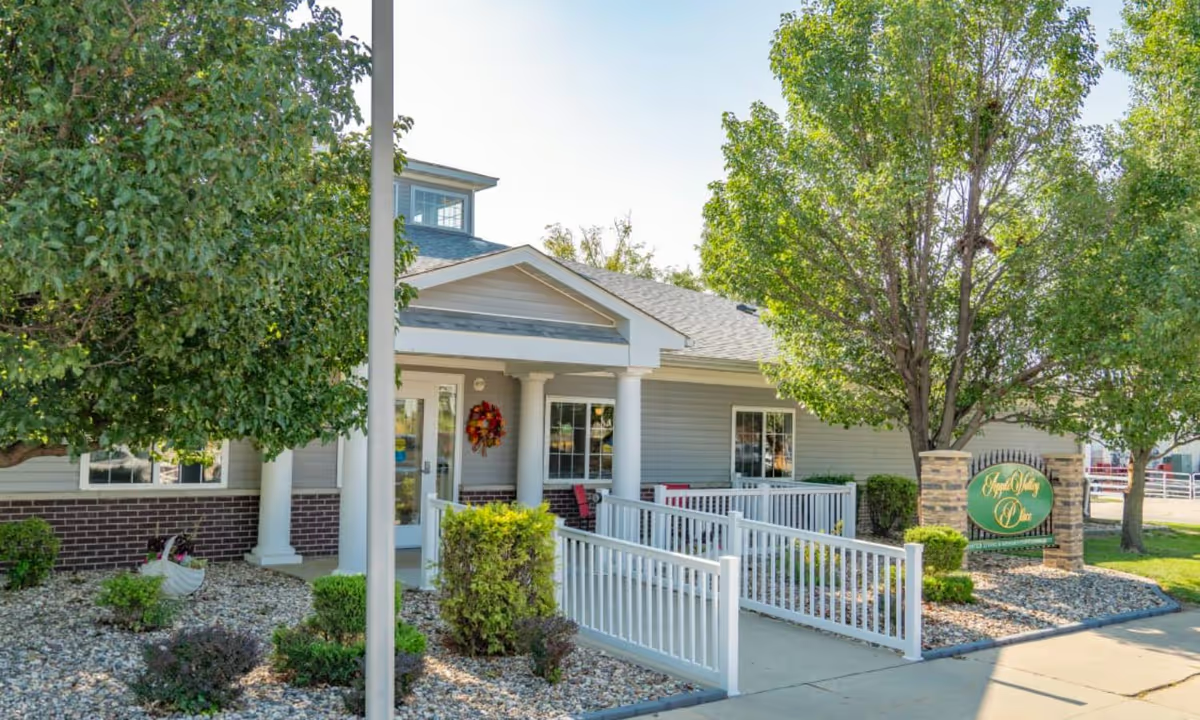
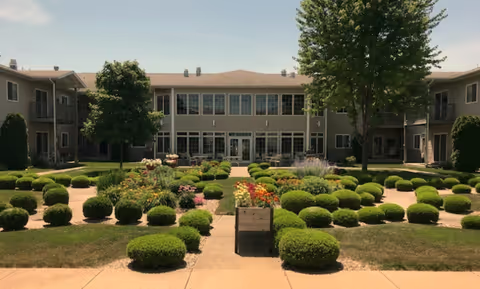
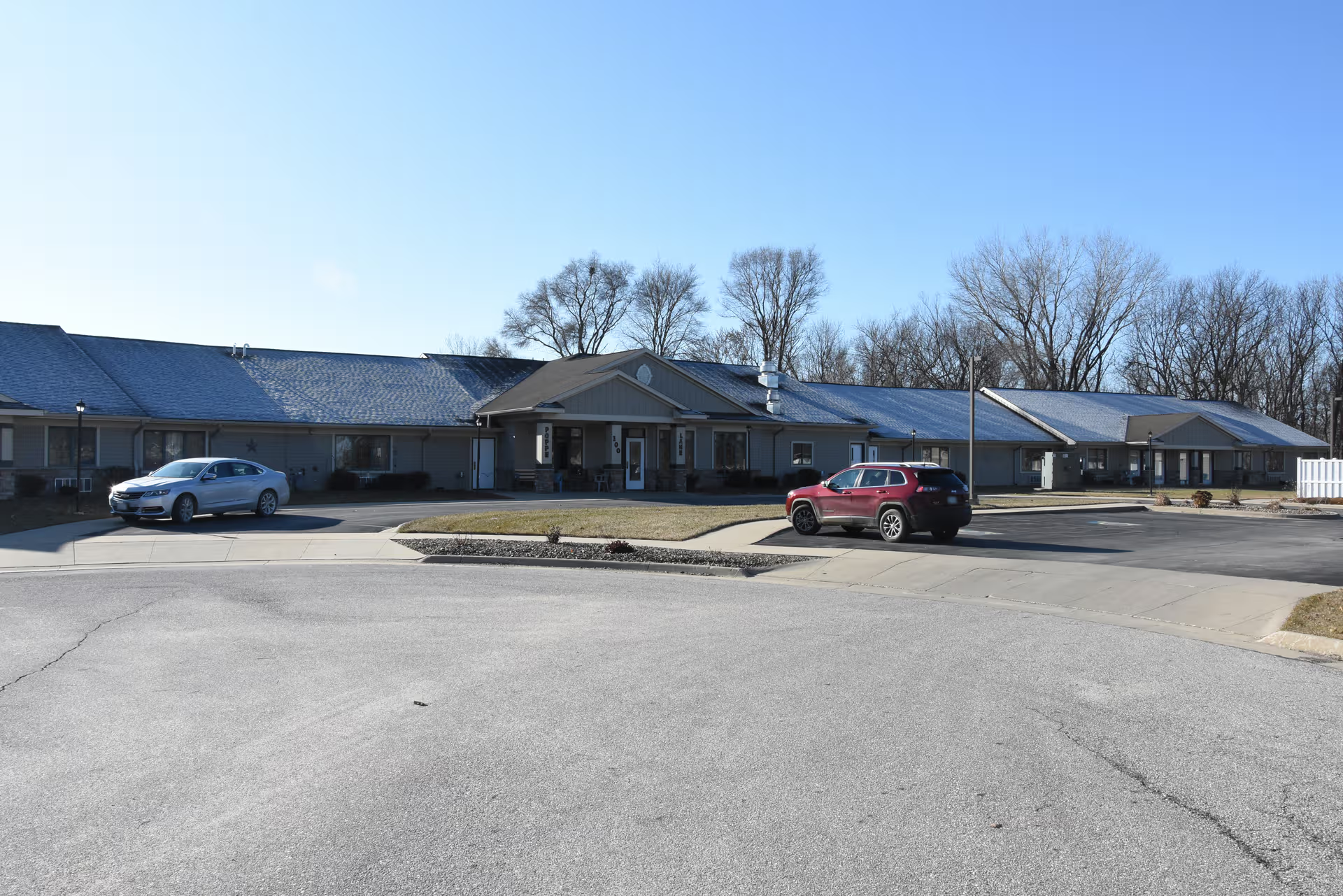
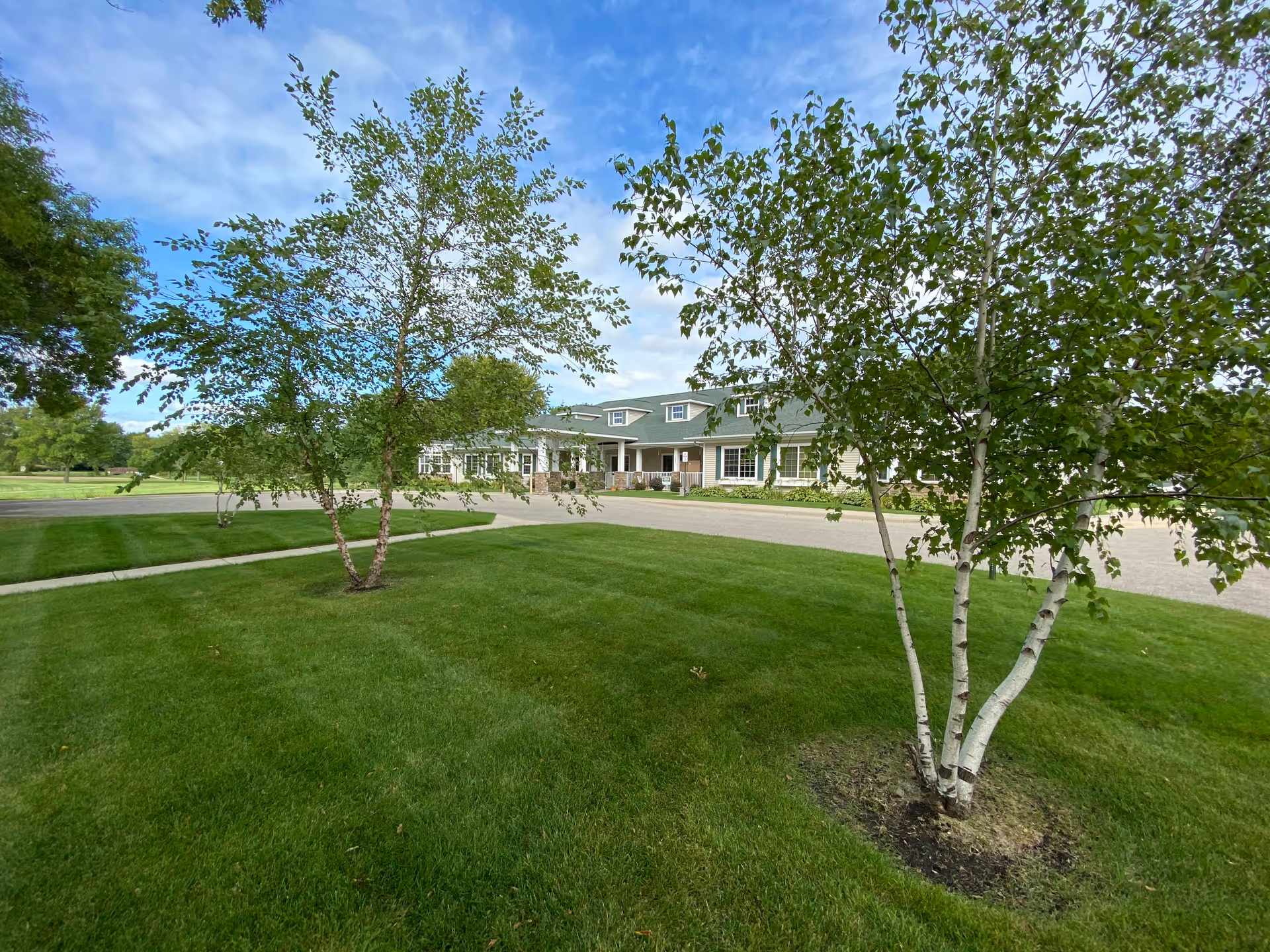
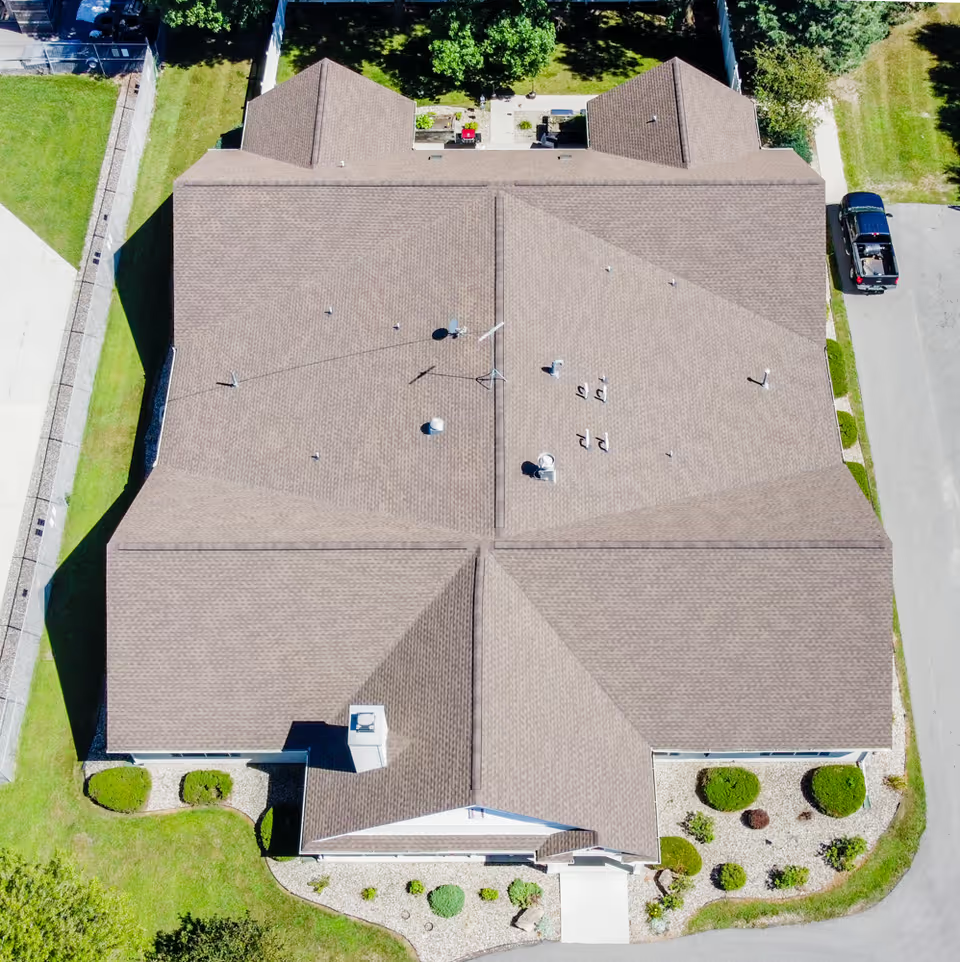
The reviews present a mixed picture in which the physical environment of the facility is viewed positively while operational and care-delivery issues raise concerns. Multiple comments emphasize that the building and grounds are attractive and well maintained, and some families found administrative materials or communications to be informative and professional. At the same time, several recurring patterns relate to responsiveness, medication management, staff behavior, and care transitions.
Care quality: Reviewers describe inconsistencies in the day-to-day delivery of care. Specific operational themes include delayed responses to call lights and resident requests, and medications not being administered on schedule. Those patterns suggest gaps in monitoring and handoff procedures that can affect resident comfort and clinical stability. There are also references to uneven attentiveness from direct-care staff, which points to variability in training, supervision, or staffing levels.
Staff and management: Concerns about staff conduct and communication tone appear across the feedback; examples include interactions perceived as rude and staff distraction during shifts. In addition, reviewers noted problems with communication and consent—such as clinical appointments being arranged without family agreement—which indicates opportunities to strengthen informed-consent processes and family-centered communication. Management-level processes for discharge and care transitions also come through as problematic: abrupt discharges when higher levels of care were needed suggest weaknesses in care-planning, clinical oversight, or criteria for transitions.
Dining and activities: The reviews provided little direct commentary on dining quality or the activity program. Because the primary comments focus on clinical responsiveness and staff conduct rather than meals or programming, prospective families should request current menus, sample activity schedules, and opportunities to observe meal service and an activity session during a visit to evaluate those areas firsthand.
Facilities: Physical aspects of the campus are cited positively; the interior and common spaces are described as pleasant. There is no detailed feedback about cleanliness protocols or pest control in these summaries, so those topics should be asked about during a tour and in inspection reports.
Notable patterns and recommendations: The dominant operational concerns are slow responsiveness to resident needs, inconsistent medication administration, variability in caregiver attentiveness, and shortcomings in family communication and discharge planning. For families considering this community, recommended due diligence includes asking about staffing ratios and turnover, call-light response protocols and recent response-time metrics, medication administration audits and error rates, informed-consent policies, and examples of recent discharge or care-transition plans. Reviewing state inspection reports and speaking with current residents and families about recent experiences can help clarify whether these issues are isolated or systemic.