Keystone Place at Forevergreen is repeatedly described as a modern, well-appointed senior living community with strong person-centered caregiving, extensive amenities, and an active social life. Reviewers consistently praise the caregiving teams as compassionate, personable, and attentive; many accounts highlight staff knowing residents by name, individualized attention (for example remembering meal preferences), and emotionally supportive end-of-life and hospice coordination. The facility’s structure that spans independent living, assisted living and memory care is often cited as facilitating smooth transitions when a resident’s needs change.
Care quality and staff: The dominant theme across feedback is positive: families and residents emphasize compassionate, engaged caregivers and a family-like culture. Memory care and dementia-related support are called out as strengths, with reviewers noting patient, experienced teams. However, a recurrent operational concern is staffing instability — elevated turnover and periodic understaffing were linked to delays in routine support and inconsistent service continuity. A minority of reviews describe more serious personnel issues; such accounts have raised concerns about management’s handling of transfers and conduct in isolated incidents.
Dining and amenities: Dining is a highlighted strength. The on-site restaurant, extensive menus, and dietary accommodations receive consistent praise, as do frequent meal options and social dining patterns. At the same time, several reviews mention variability in food quality tied to chef turnover and intermittent dissatisfaction with menu freshness and options. The community’s amenities are broad and well-maintained: fitness rooms (including trainers), pool, salon, movie theater, game rooms, and outdoor walking areas contribute to a resort-like environment that supports physical and social activity.
Activities and social life: Keystone Place offers a wide spectrum of activities — crafts, music, live entertainment, movies, day trips, drum circles, exercise classes, and regular outings — and these programs are frequently described as meaningful and well-run. The community atmosphere is often characterized as warm and socially engaging, helping residents form friendships and remain active.
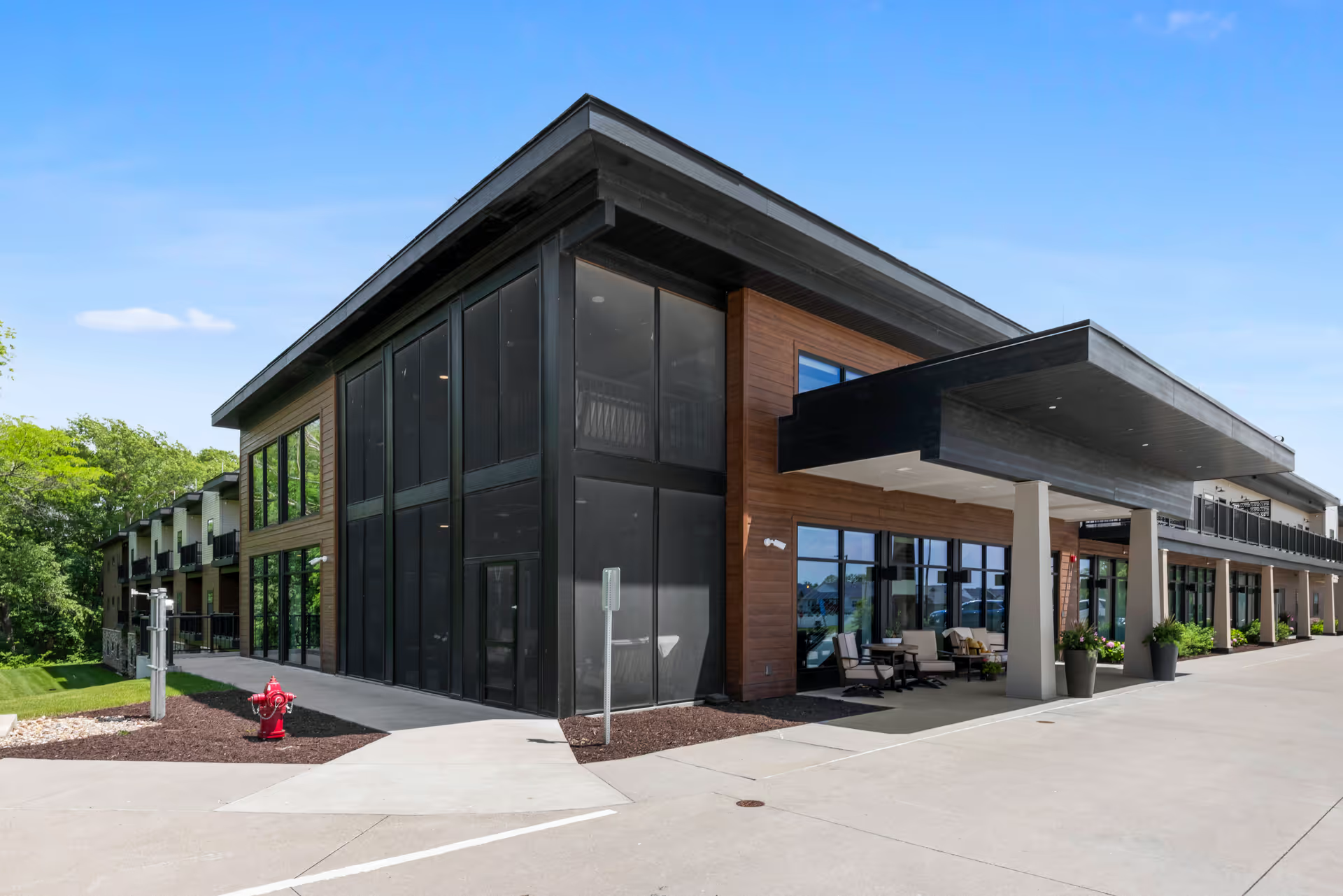
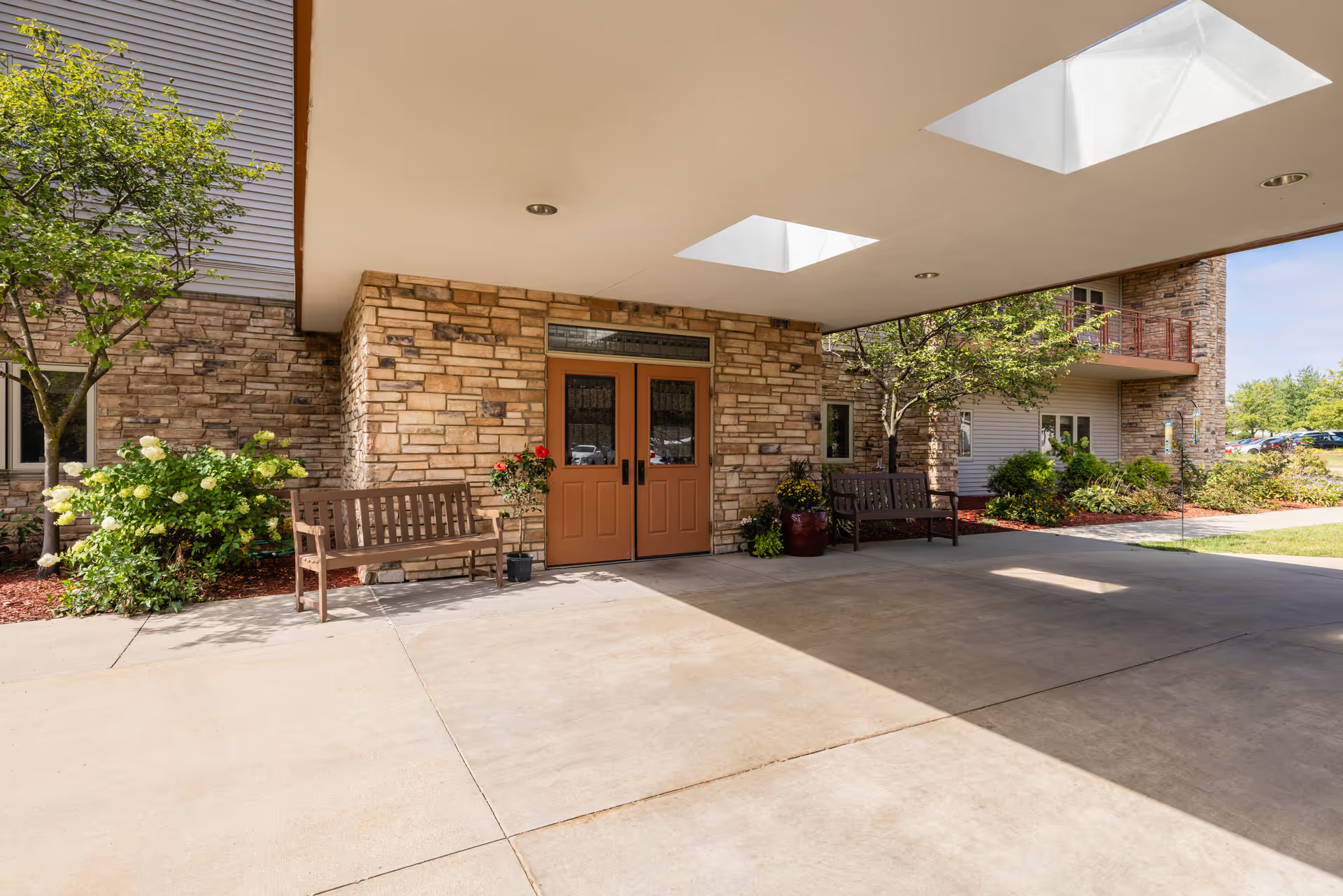
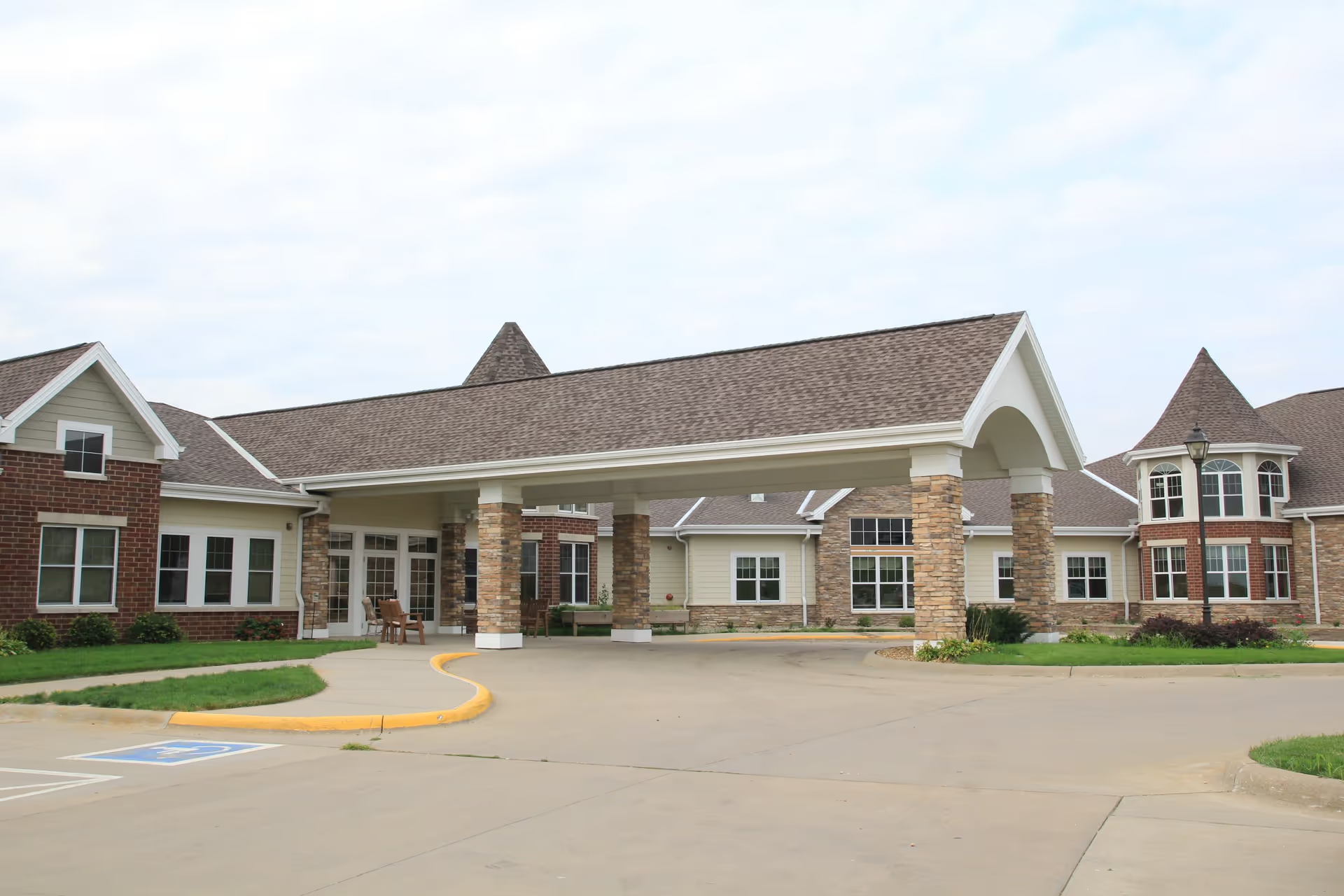
Facilities and apartments: The property is frequently described as bright, clean, and modern. Apartments are noted for generous floor plans, full kitchens, balconies or sunrooms, underground parking, and accessible layouts. Housekeeping and maintenance generally receive positive remarks for responsiveness, though there are intermittent reports of follow-through lapses (missed cleaning tasks or delayed maintenance) that suggest variability in service consistency.
Management and notable patterns: Experiences with management and administration are mixed. Many reviewers commend front-line staff and direct-care teams, as well as the ease of move-in and insurance assistance. Conversely, several reviews mention communication gaps between management and families, inconsistent administrative follow-through, and concerns about pricing. Operational patterns worth noting for prospective families include staffing variability, occasional inconsistencies in housekeeping and dining quality, and limits to the facility’s ability to manage very high-acuity behavioral or skilled-nursing needs. There are isolated, serious allegations concerning staff conduct and transfer procedures; while these appear to be exceptional, they underscore the importance of asking targeted questions about staffing ratios, escalation protocols, and grievance or incident processes during a tour.
Bottom line: Keystone Place at Forevergreen offers many of the amenities, social programming, and compassionate caregiving that families seek in a continuum community, with particularly strong memory-care and hospice coordination. Prospective residents should weigh those strengths against operational considerations — staffing continuity, meal consistency, housekeeping follow-through, management communication, and cost — and should verify current staffing levels, care protocols, and how the community handles higher-acuity behavioral or clinical needs before committing.