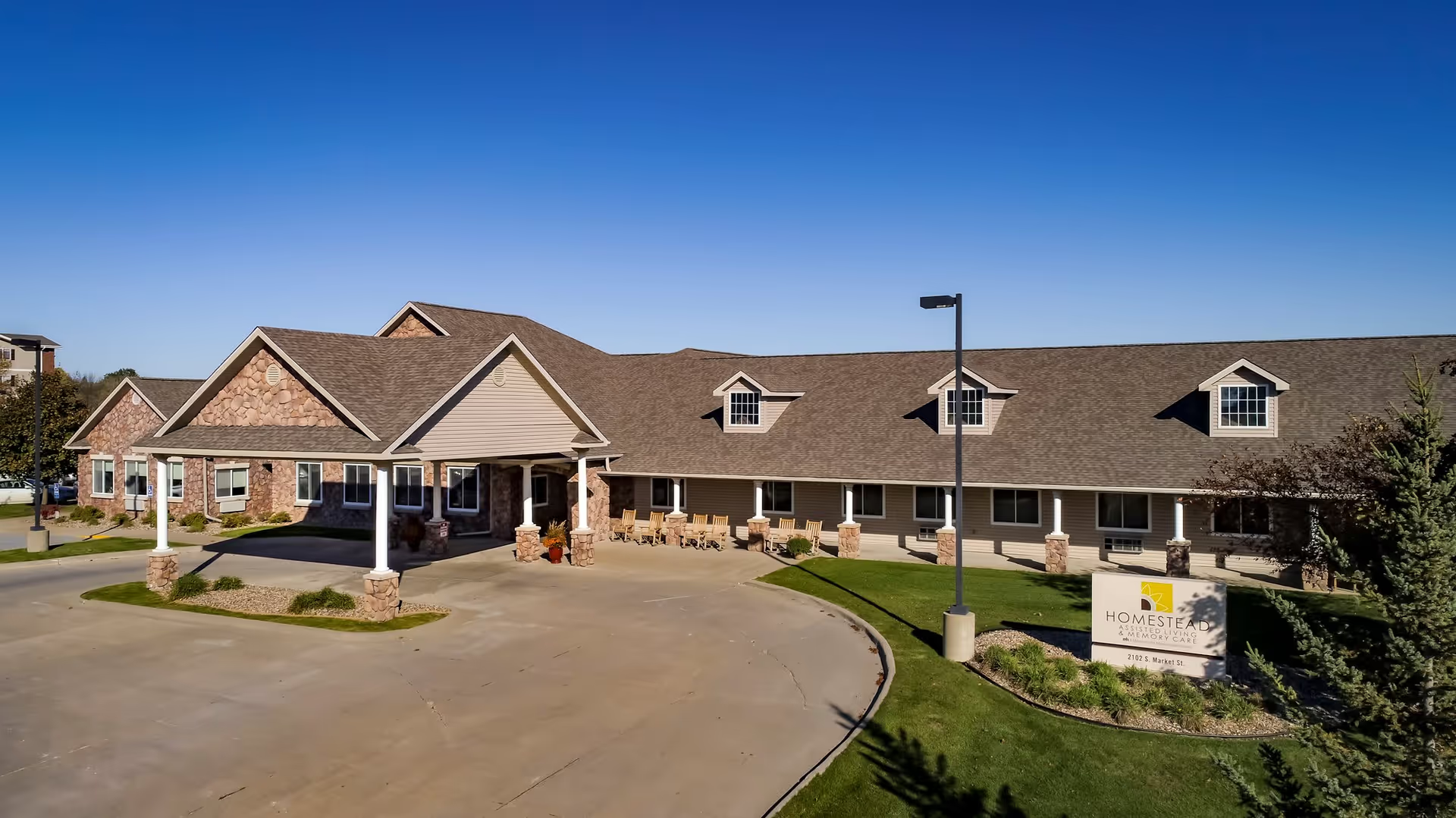
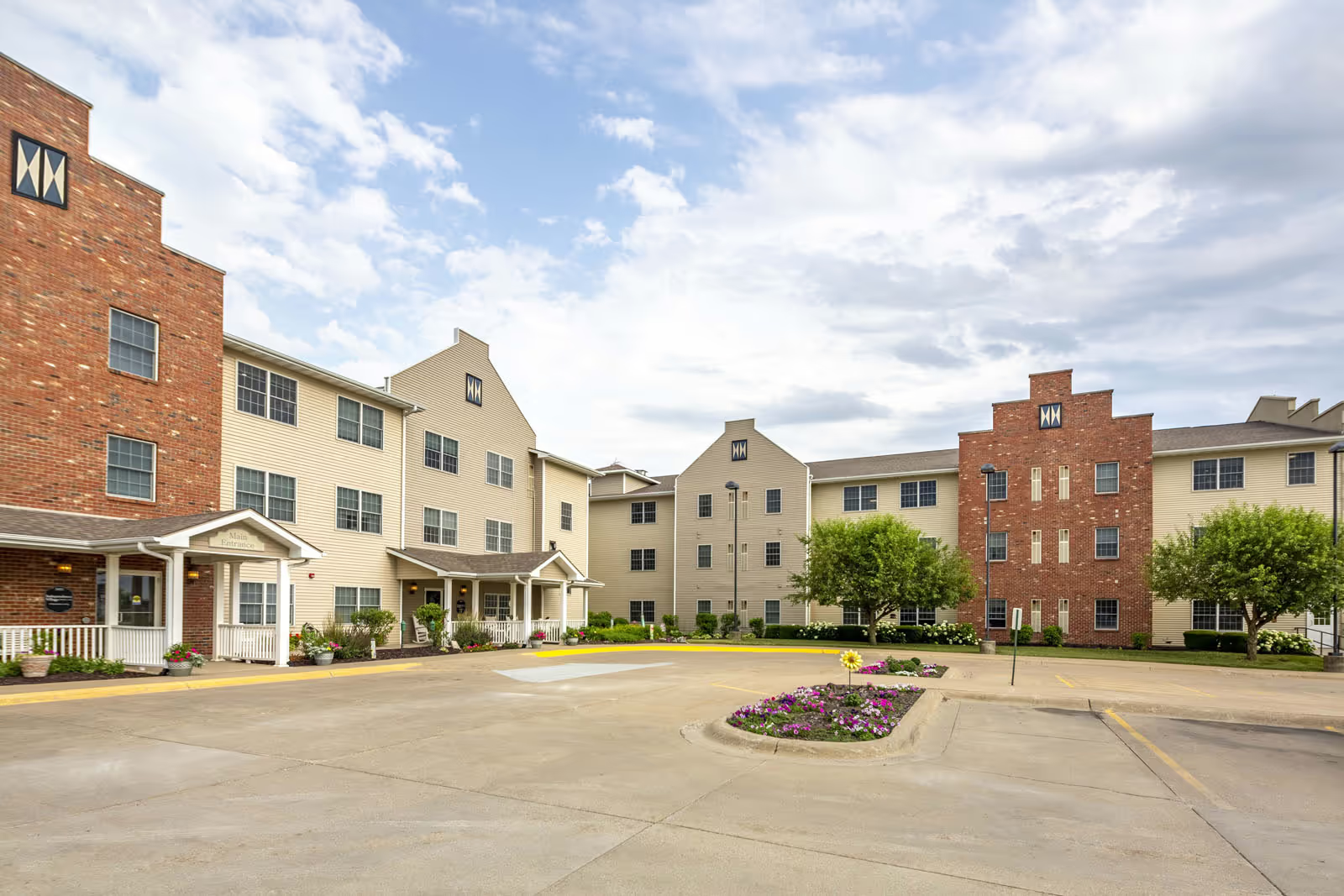
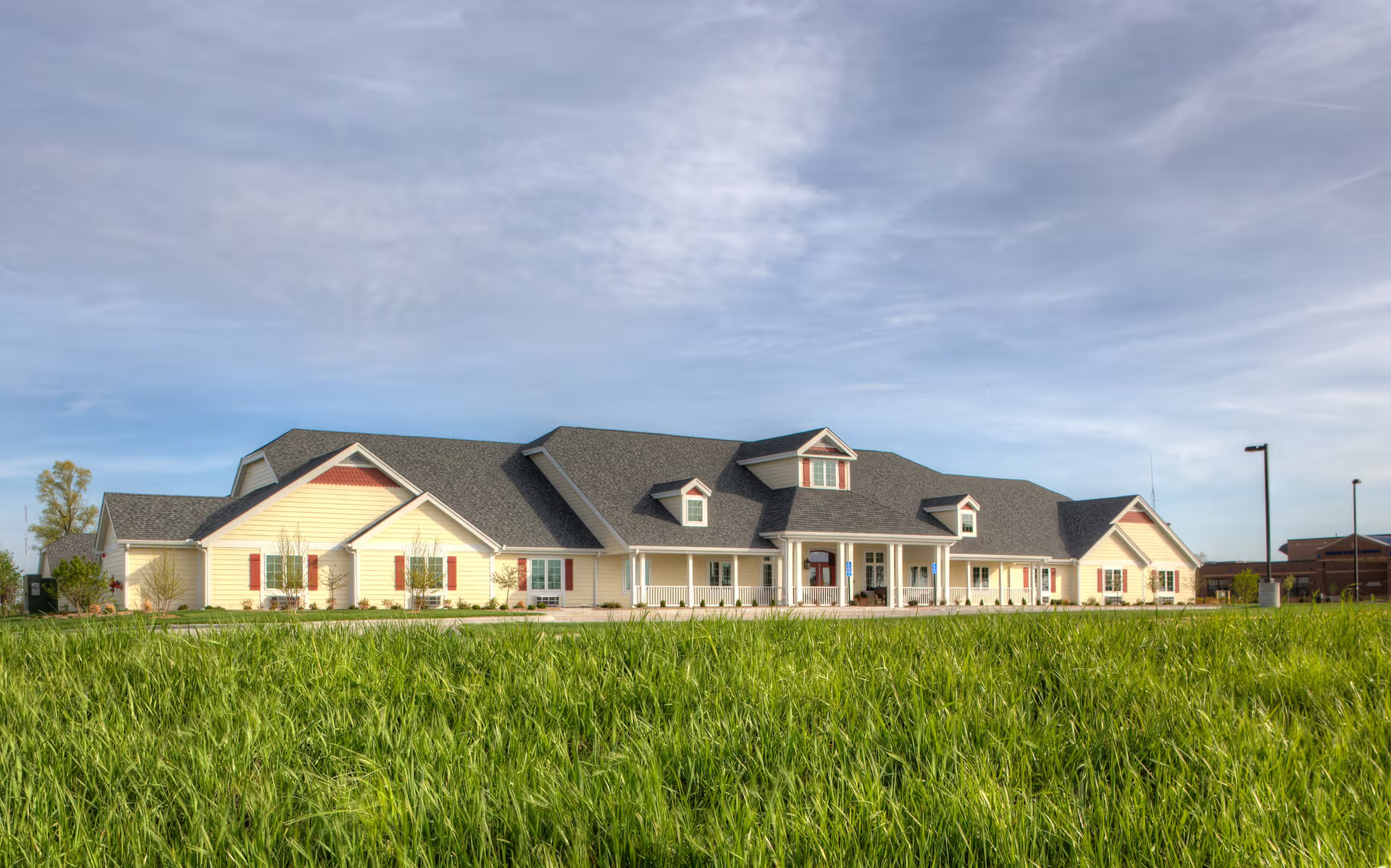
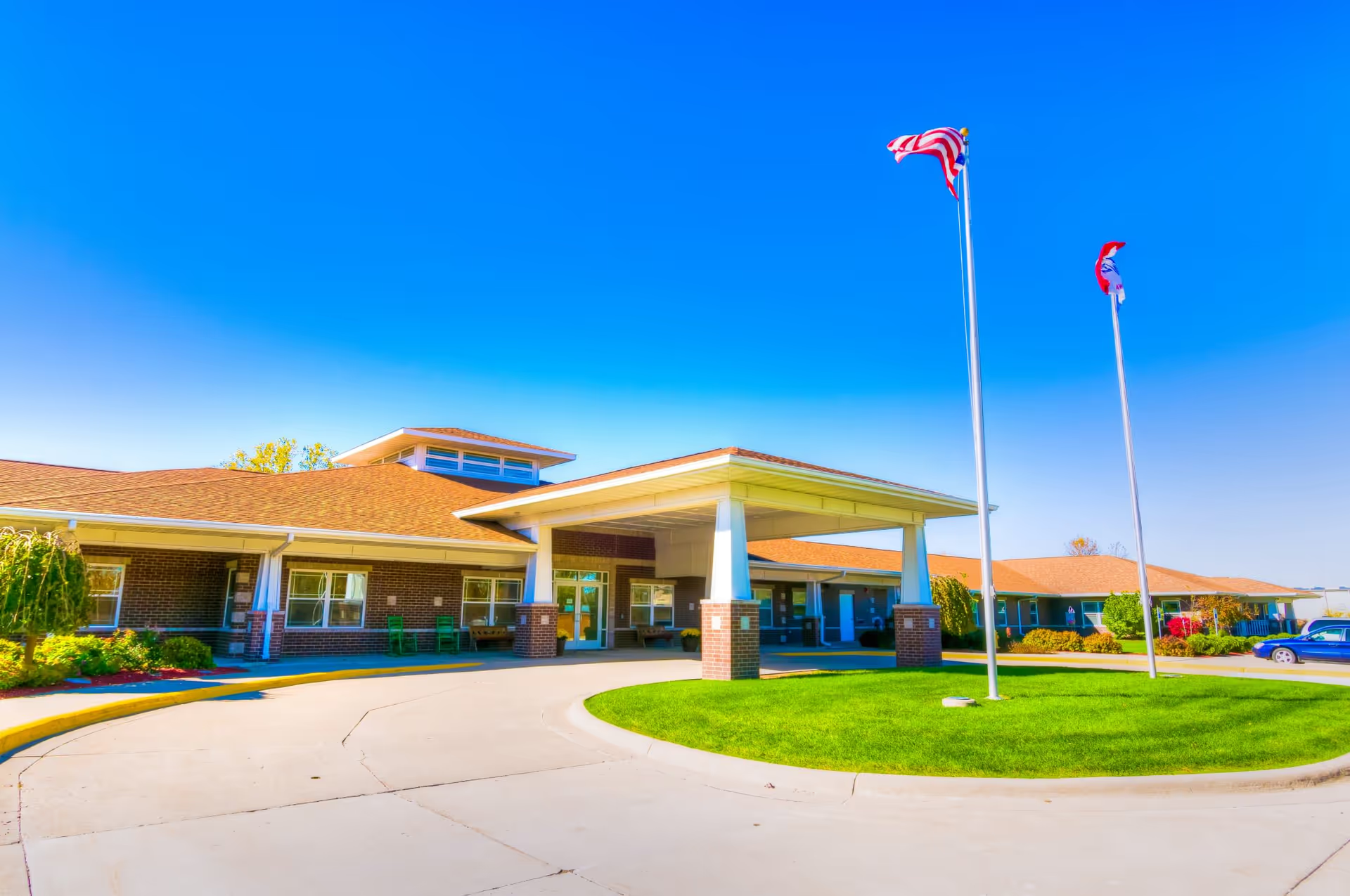
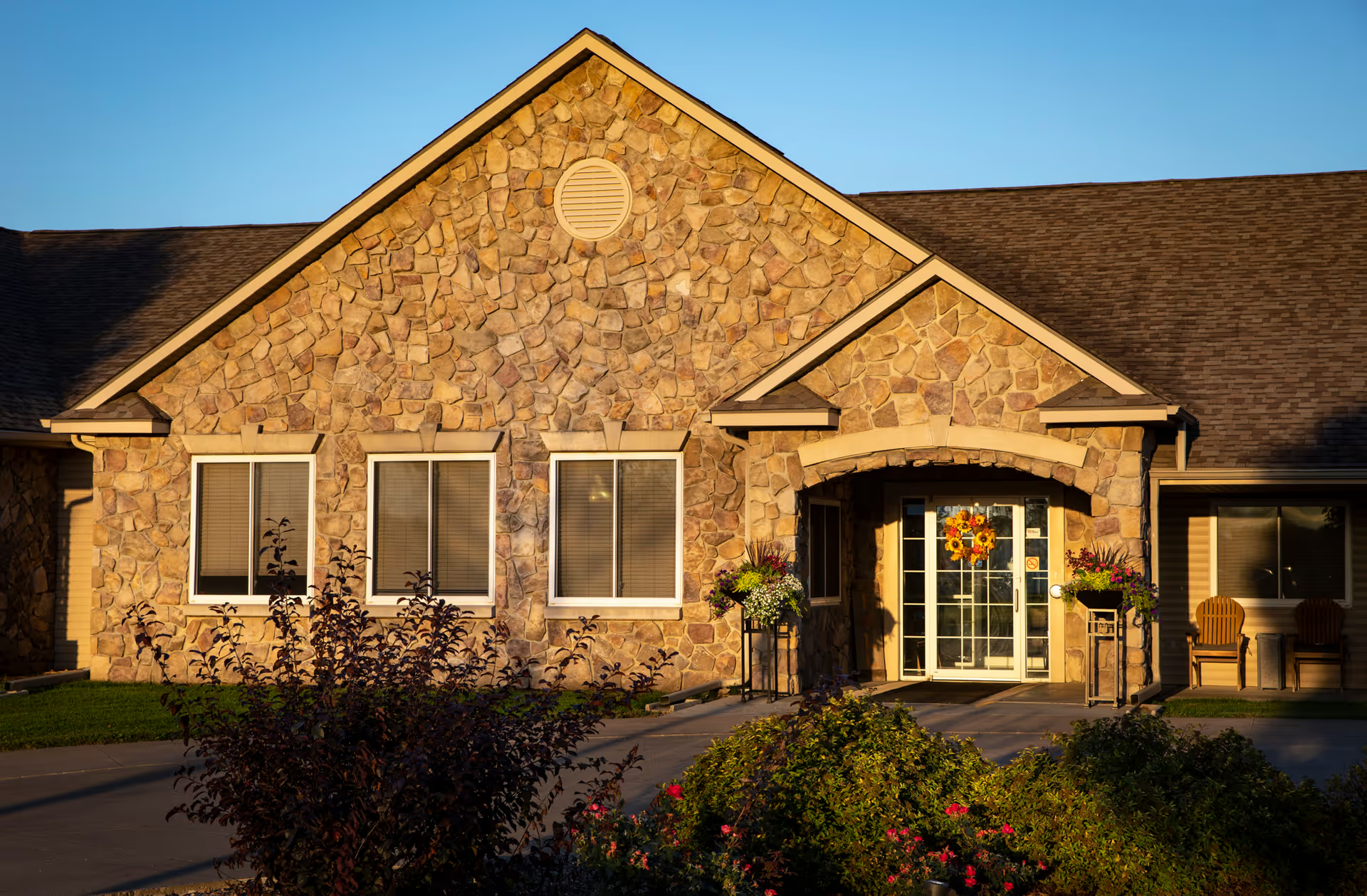
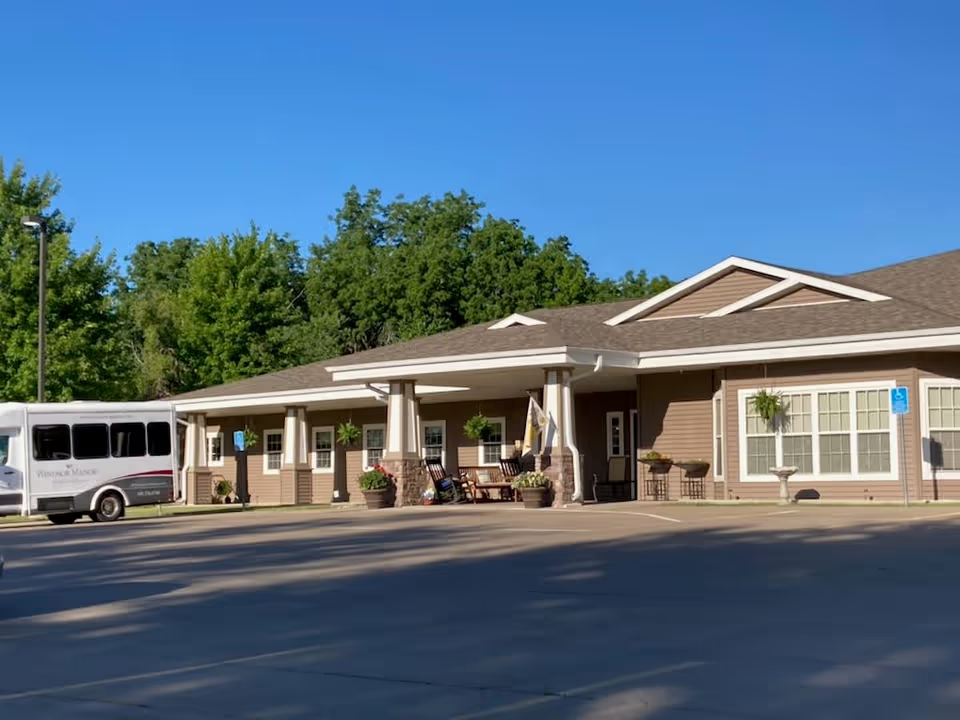
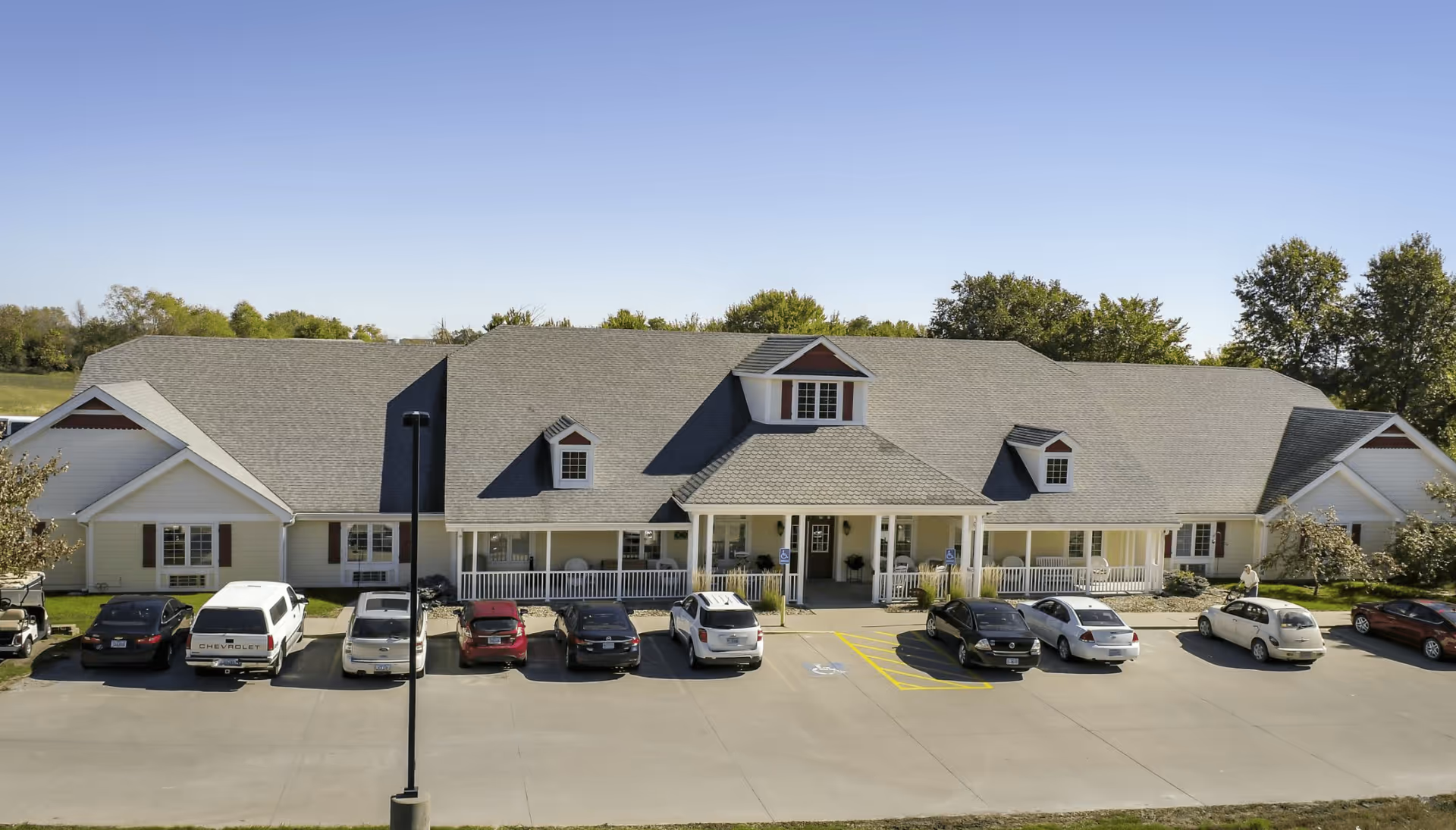
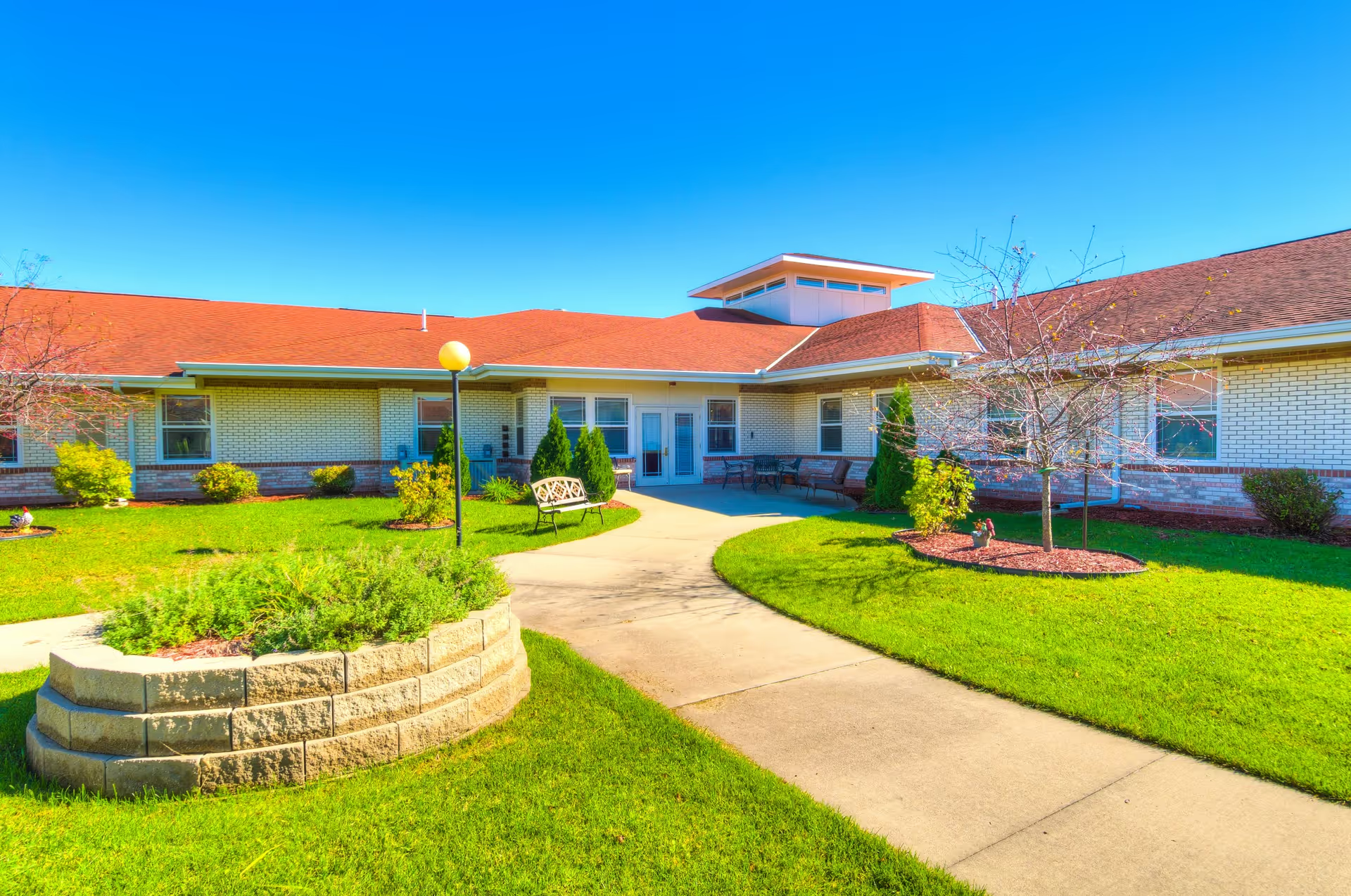
Northern Mahaska Specialty Care elicits a mix of strongly positive impressions and serious operational concerns. Many reviewers praise the facility's caregiving culture: staff are frequently described as compassionate, courteous, and skilled, with particular strengths in end-of-life and hospice support. Families and residents also note a welcoming, family-like atmosphere, clean and well-maintained interiors, and spacious private rooms. The facility runs regular activities and engagement programs, and provides three meals per day plus snacks; food quality is described as good most of the time. The center has been recognized with a deficiency-free survey, which some reviewers cited in support of its overall regulatory compliance.
At the same time, a pattern of operational weaknesses appears across the comments. Understaffing and slow response times are recurring concerns, with several accounts of long waits for assistance. This staffing pressure is linked to communication gaps between families and the care team, inconsistent follow-through on meal orders, and lapses in personal-property controls. Rehabilitation services are described by some as limited in frequency and effectiveness, indicating potential mismatch between therapy needs and delivered sessions. For residents with cognitive impairment, reviewers raised questions about fall-prevention measures and dementia-specific safety practices.
There are also isolated but serious allegations that warrant careful consideration. One reviewer described care that culminated in hospitalization and a subsequent resident death; this has led to concerns about clinical oversight and transfer decisions. While such a claim appears singular in the dataset, it is significant and should prompt prospective families to seek detailed information about incident investigation processes, emergency transfer protocols, and recent clinical outcomes.
For families considering this facility, balance the positive indicators — experienced and compassionate staff, clean environment, active programming, and generally good dining — against the operational concerns. Practical questions to ask during a tour include current staffing ratios and vacancy rates, average response time to call lights, dementia-care and fall-prevention protocols, typical rehabilitation therapy schedules, meal-order fulfillment processes, property-inventory procedures, and how the facility communicates with families after incidents. Reviewing recent survey documentation and requesting examples of care plans for residents with similar needs may help clarify whether the facility’s strengths align with a prospective resident’s priorities.