Reviews of Ridgewood Specialty Care present a polarized picture: many families and some residents praise compassionate caregivers, effective rehabilitation, and an active programming environment, while other accounts raise substantial operational concerns. Positive comments emphasize staff members who are personable and engaged—activity staff and nursing personnel receive repeated commendation for being kind, celebratory during holidays, and responsive in certain situations. Several reviewers credited clinical staff and social work with meaningful improvements in function and with supportive end-of-life transitions.
At the same time, a number of reviews describe inconsistent clinical responsiveness and care processes. Specific operational themes include delayed attention to acute medical needs, slow responses to reported pain, and delays in identifying injuries. These patterns are most frequently associated with overnight coverage and shift-to-shift variability; reviewers noted that night shifts and times of reduced staffing corresponded with slower assistance and monitoring. Reviewers also pointed to gaps in documentation and incident reporting, which family members felt complicated follow-up and advocacy.
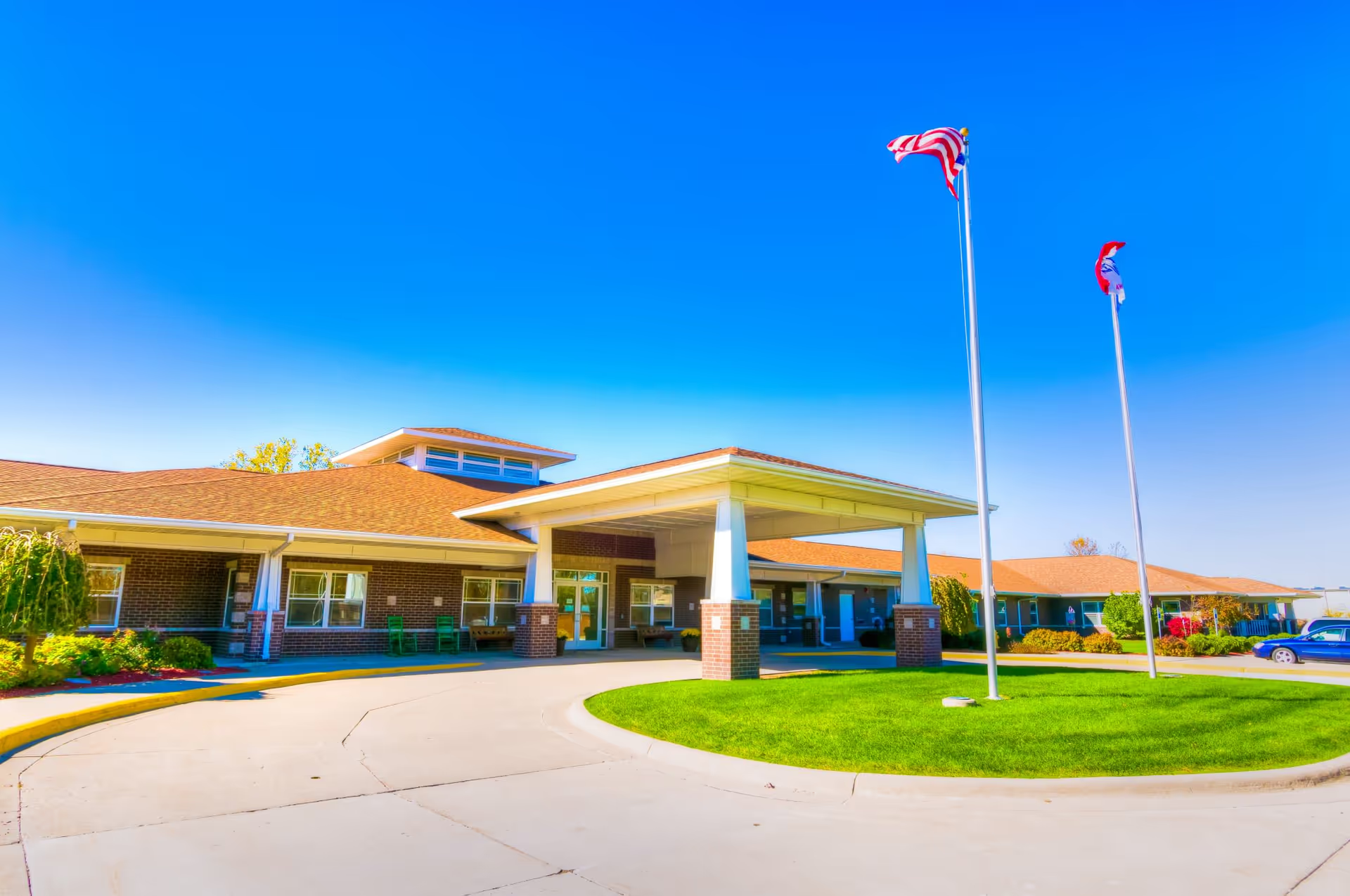
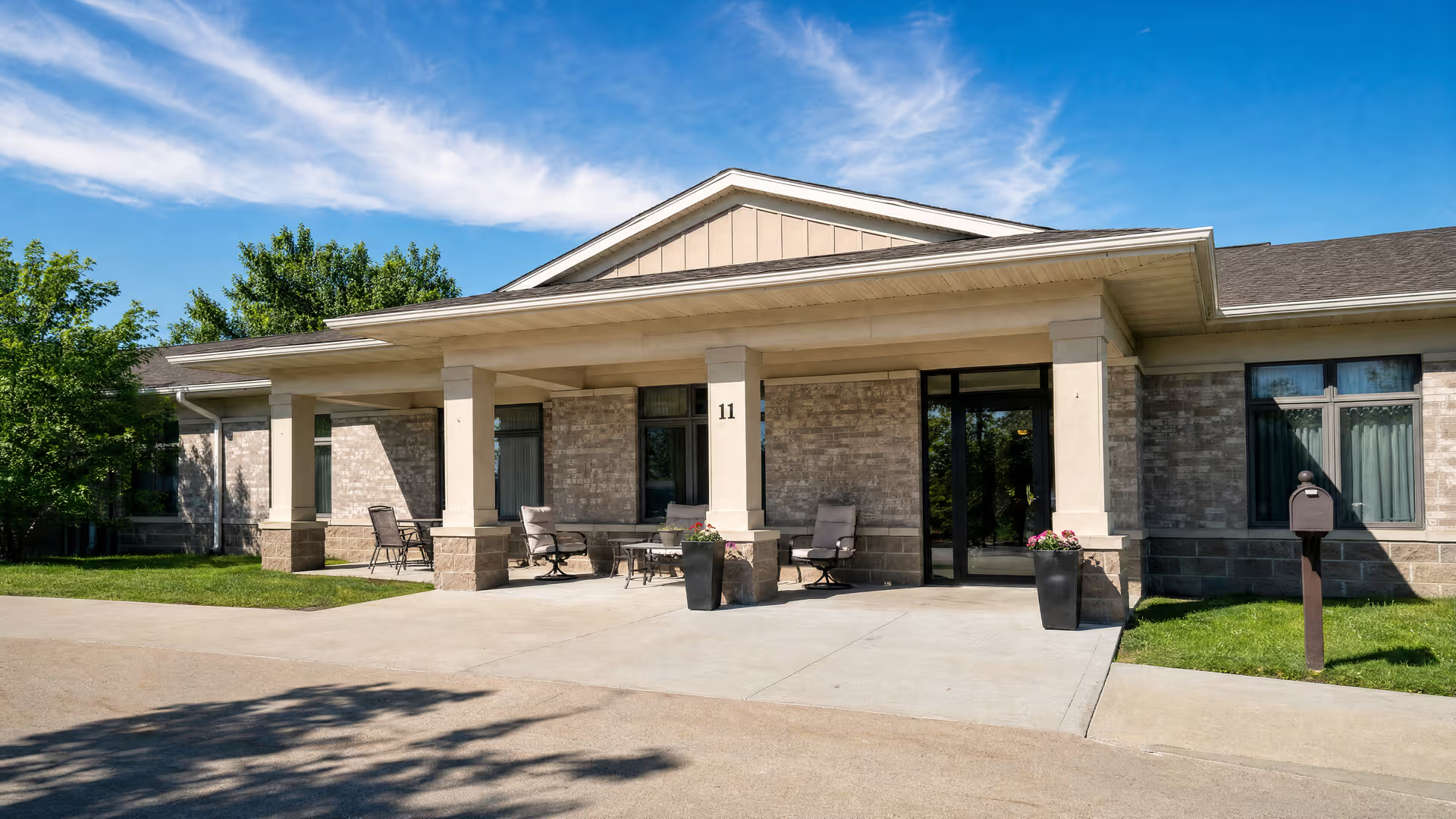
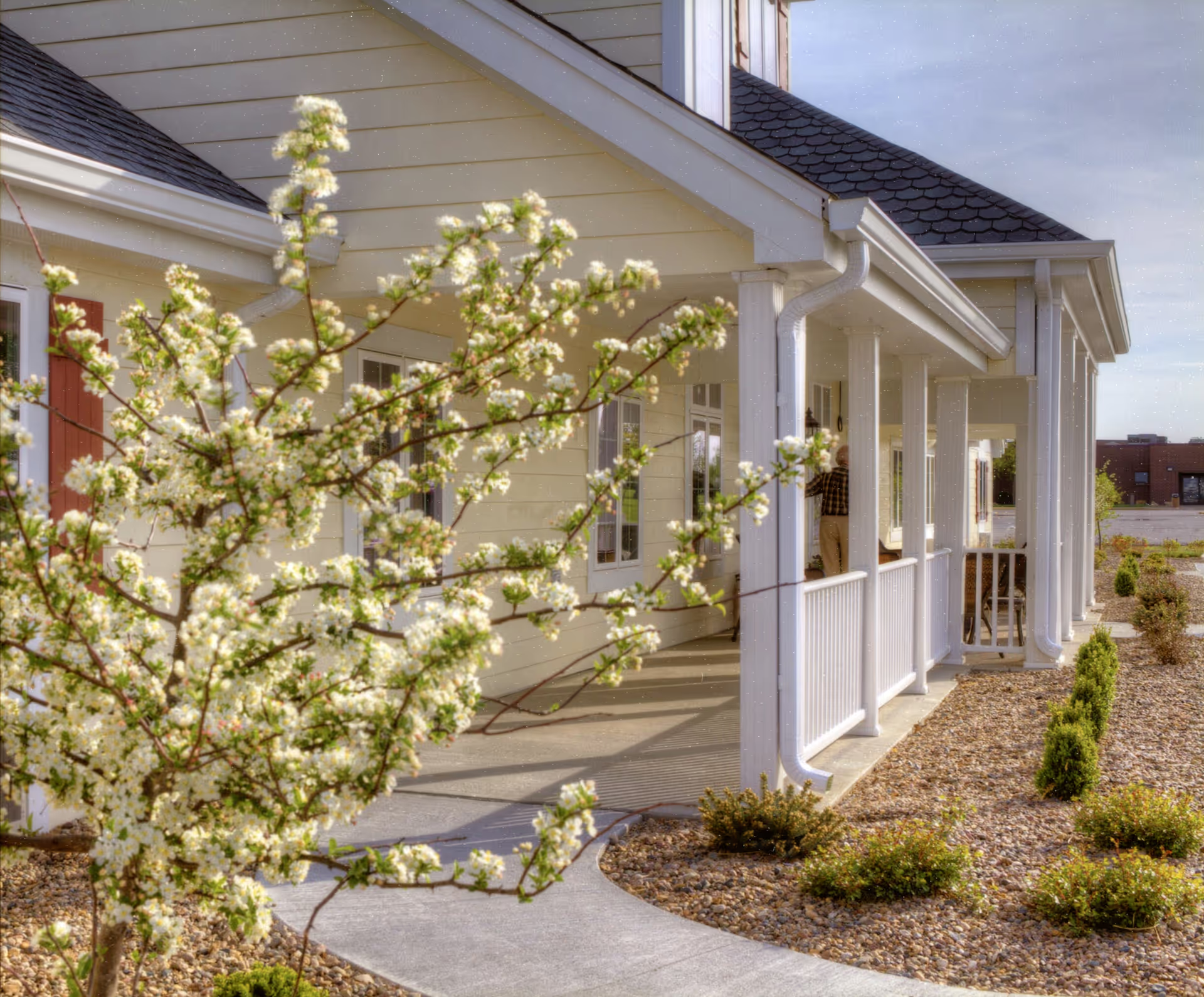
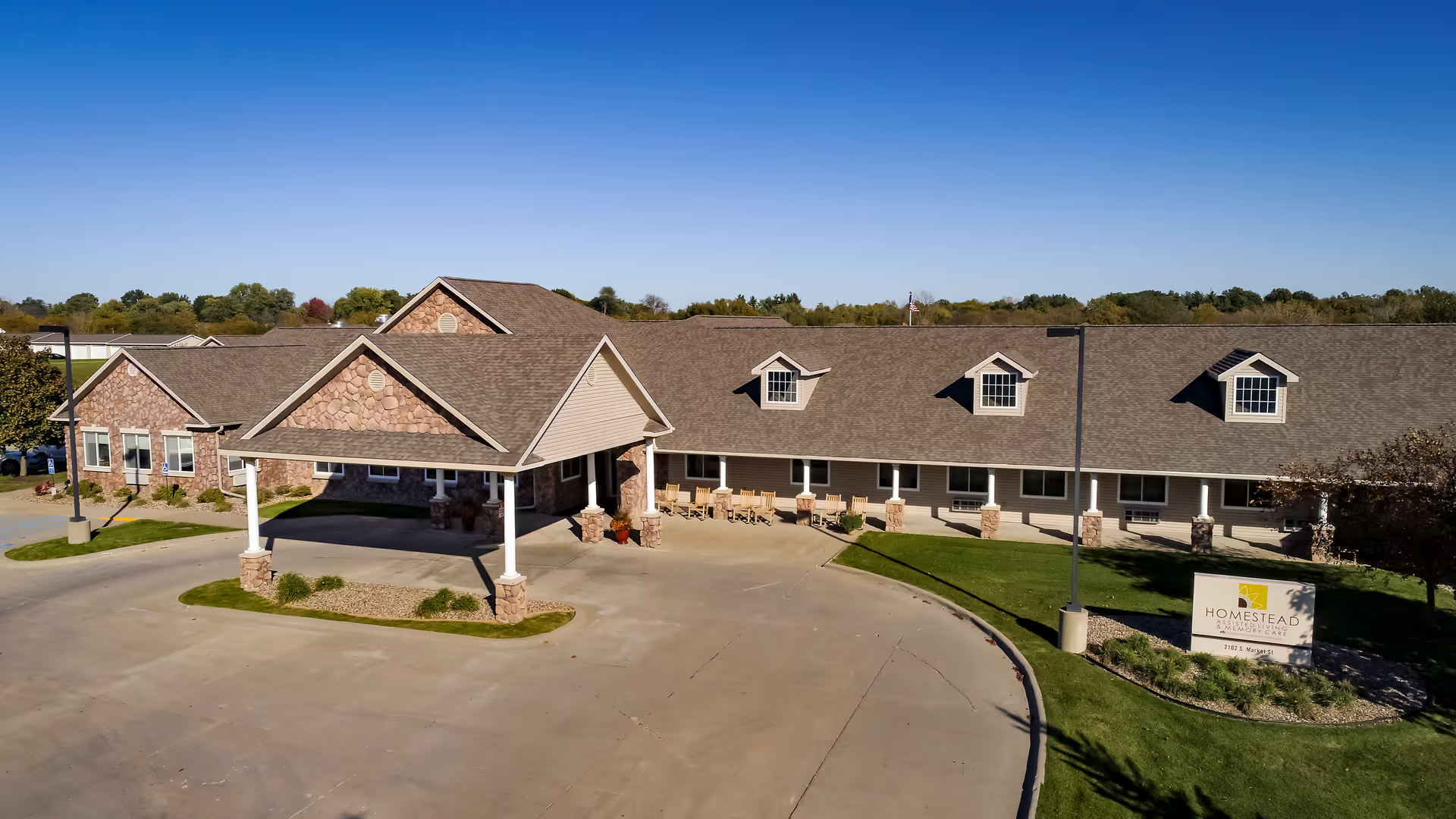
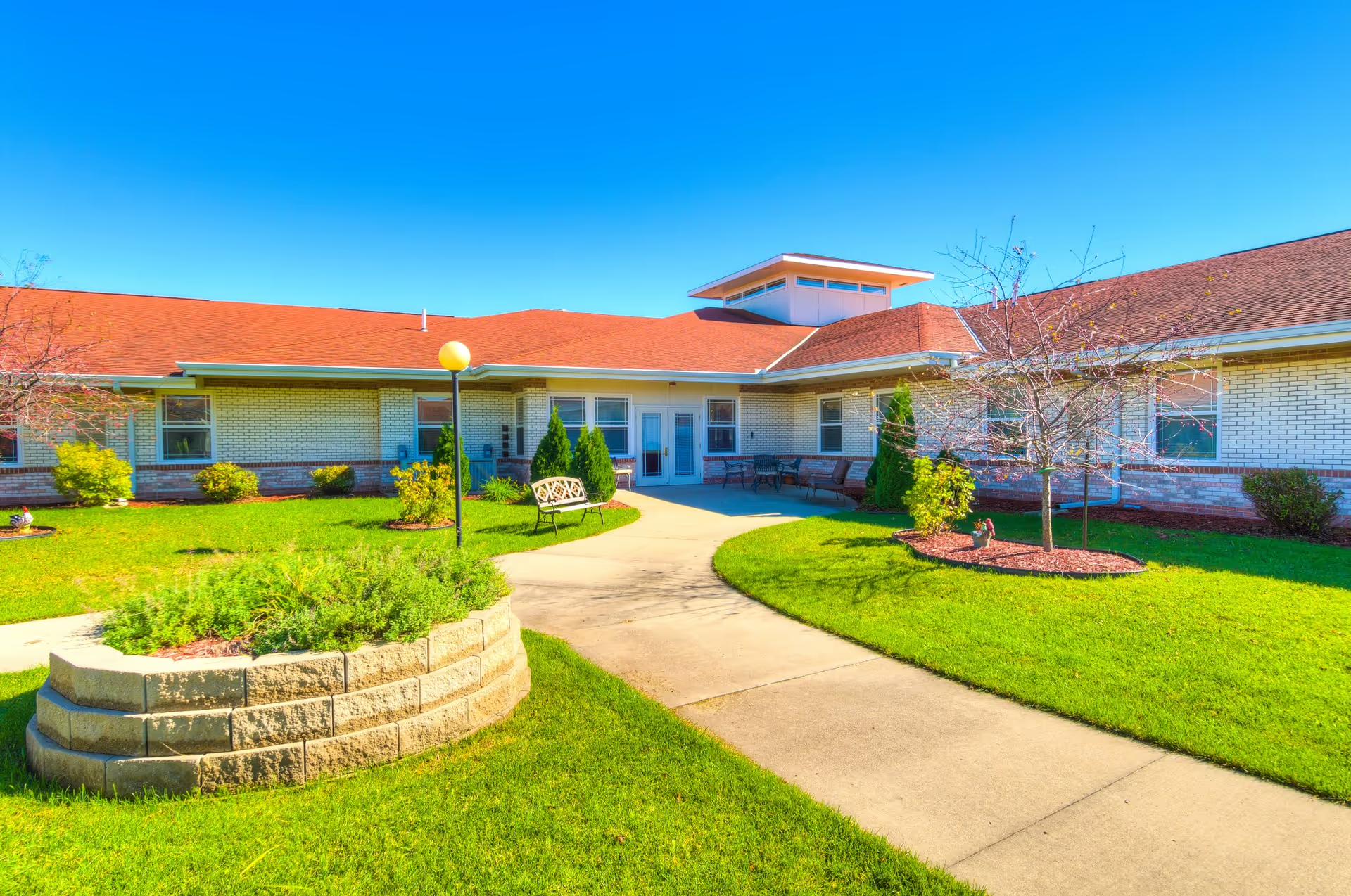
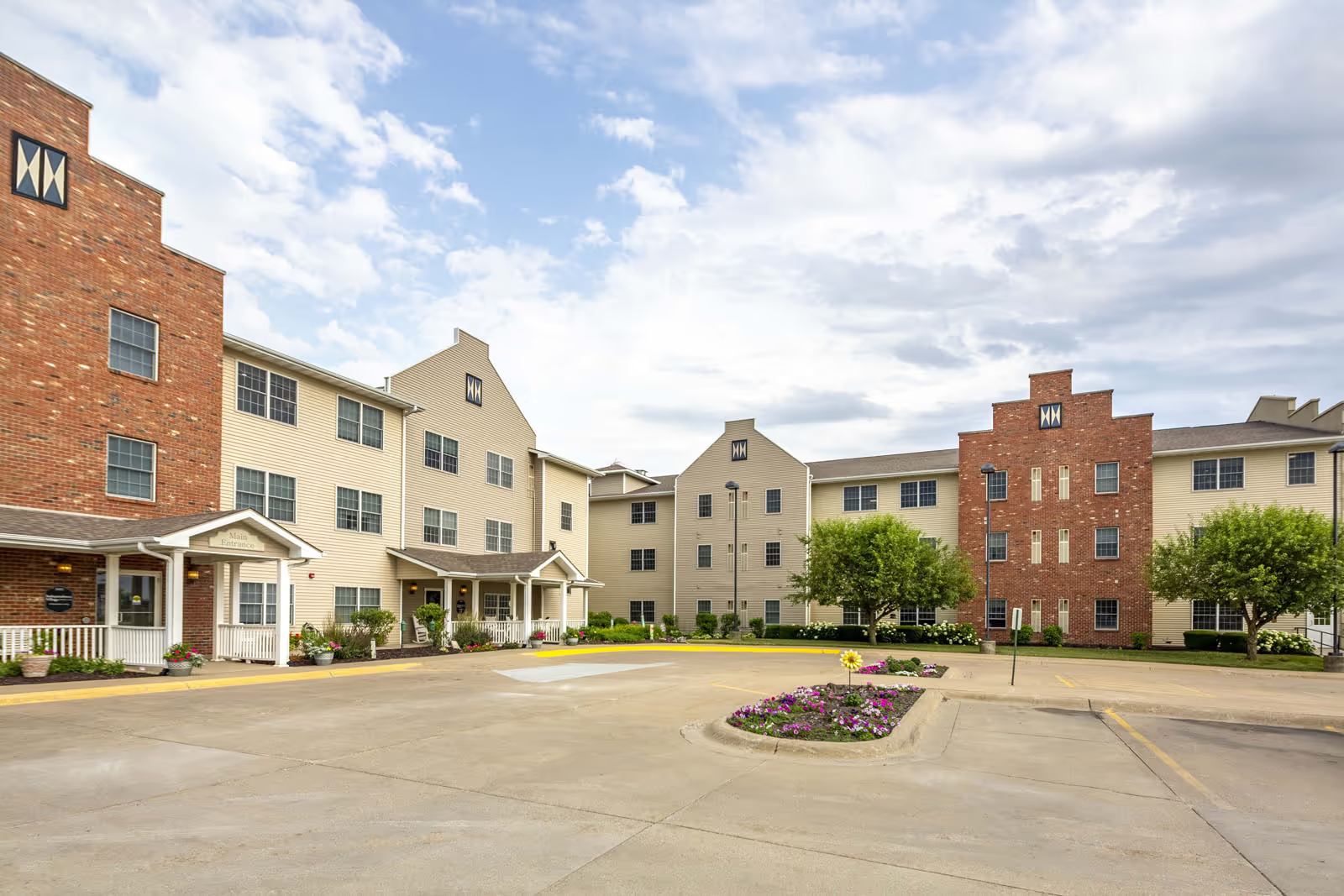
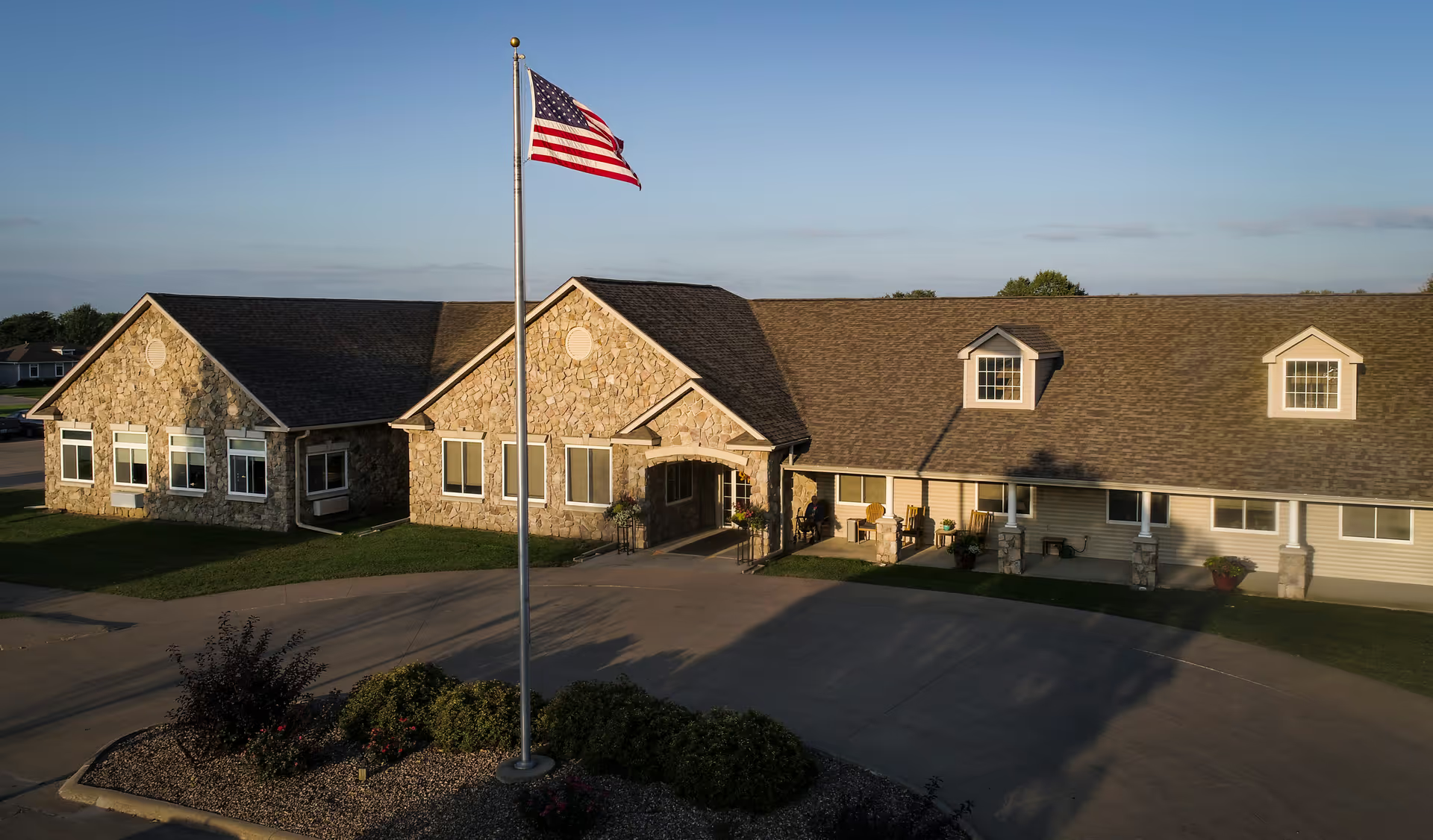
Facility and environmental issues were raised as well. Complaints referenced limited access to private rooms, variability in room layouts (for example, rooms without windows or seating), and uneven cleanliness or sanitation practices in parts of the building. Personal-care practices, including bathing and routine hygiene assistance, were described as inconsistent across residents. Conversely, some families praised housekeeping and the general living environment, indicating variability rather than uniform conditions.
Management and communication present mixed impressions. Several reviewers expressed appreciation for responsive administration and individual staff members who facilitated care or rehabilitation, while others described difficulties getting timely answers, follow-through, or clear documentation. Notably, there are serious claims in the record—including an allegation involving a physician and concerns following a resident’s death—and some mentions of regulatory attention and fines; these items merit direct inquiry with the facility and state oversight agencies to clarify outcomes and current corrective actions.
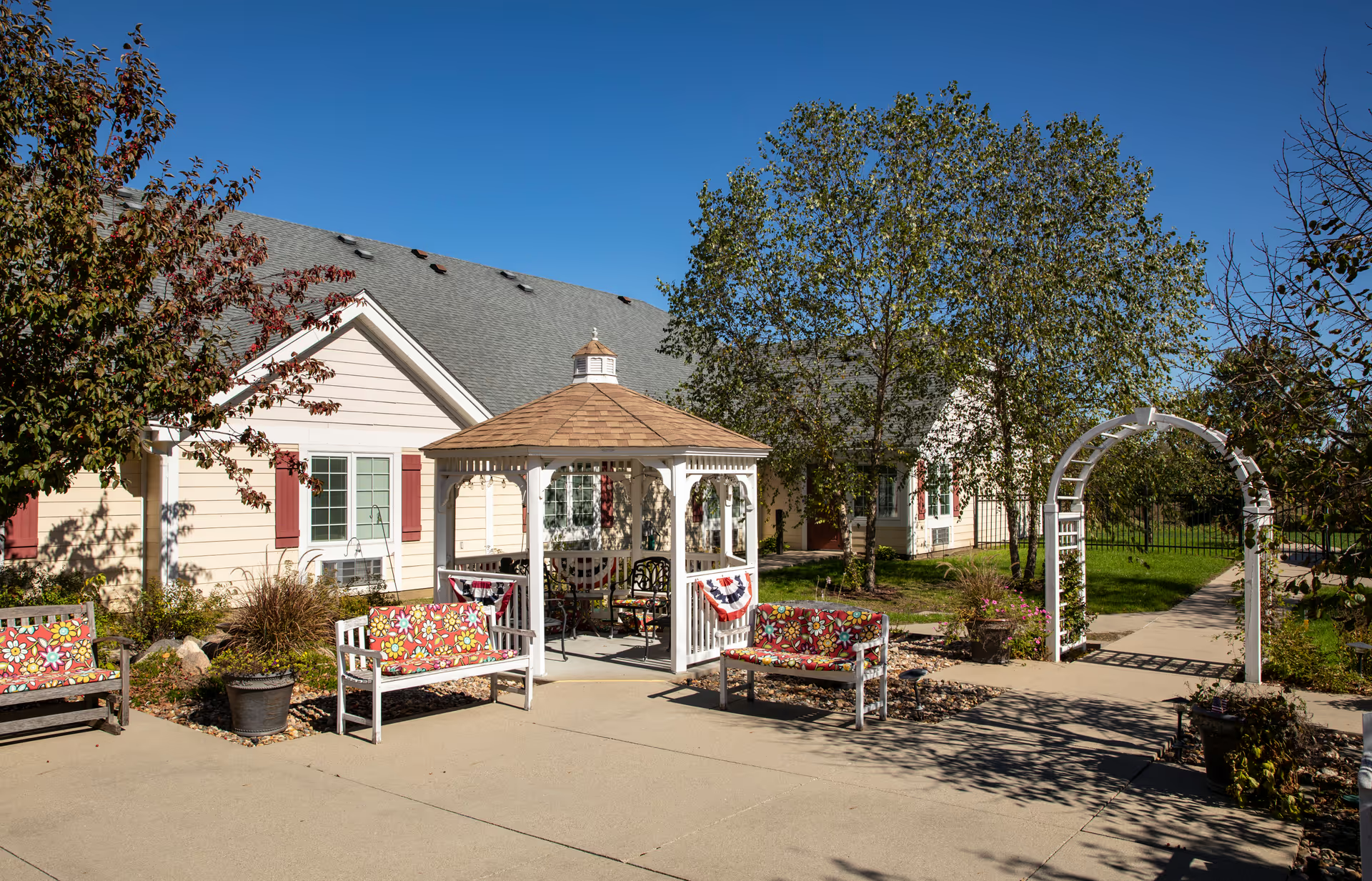
Dining was not a prominent theme in the available comments, so no clear pattern emerges about meal quality or service continuity. Activities were consistently highlighted as a strength: an active calendar and staff who engage residents socially were common positives. Rehabilitation and therapy services received favorable mentions for functional improvement and successful transitions back to home environments.
For prospective residents and families, the pattern to note is variability: the facility appears capable of delivering strong, compassionate care and effective rehabilitation in many cases, but there are repeated operational weaknesses—particularly around staffing consistency, clinical responsiveness, documentation, and some aspects of personal care and sanitation. When evaluating Ridgewood Specialty Care, consider asking about current staffing ratios (including night coverage), incident-reporting and fall-response protocols, documentation/access to clinical notes, room availability and environment, housekeeping standards, and the facility’s regulatory history and corrective actions. These targeted questions can help reconcile the very positive and concerning experiences described by different families.