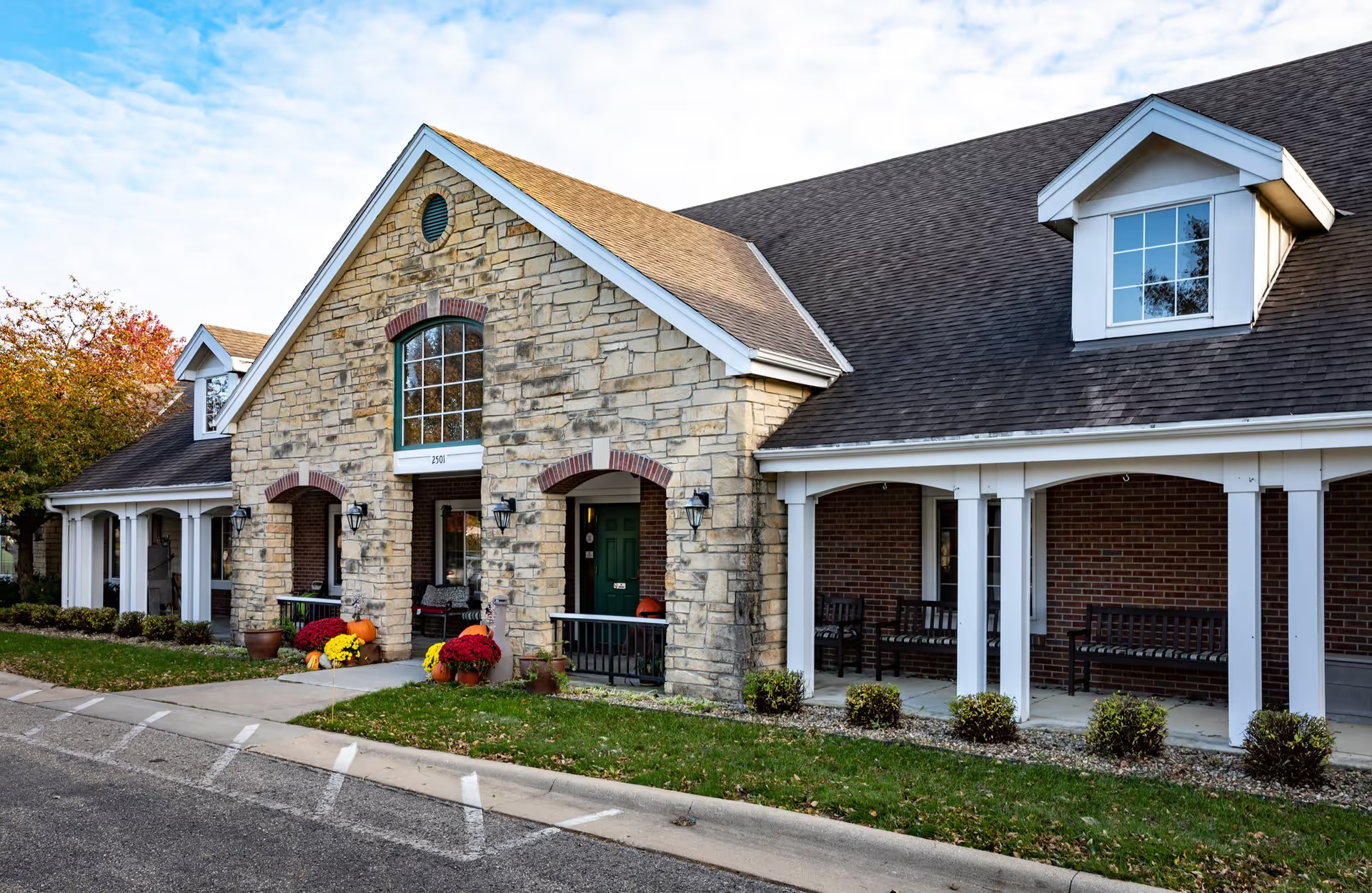
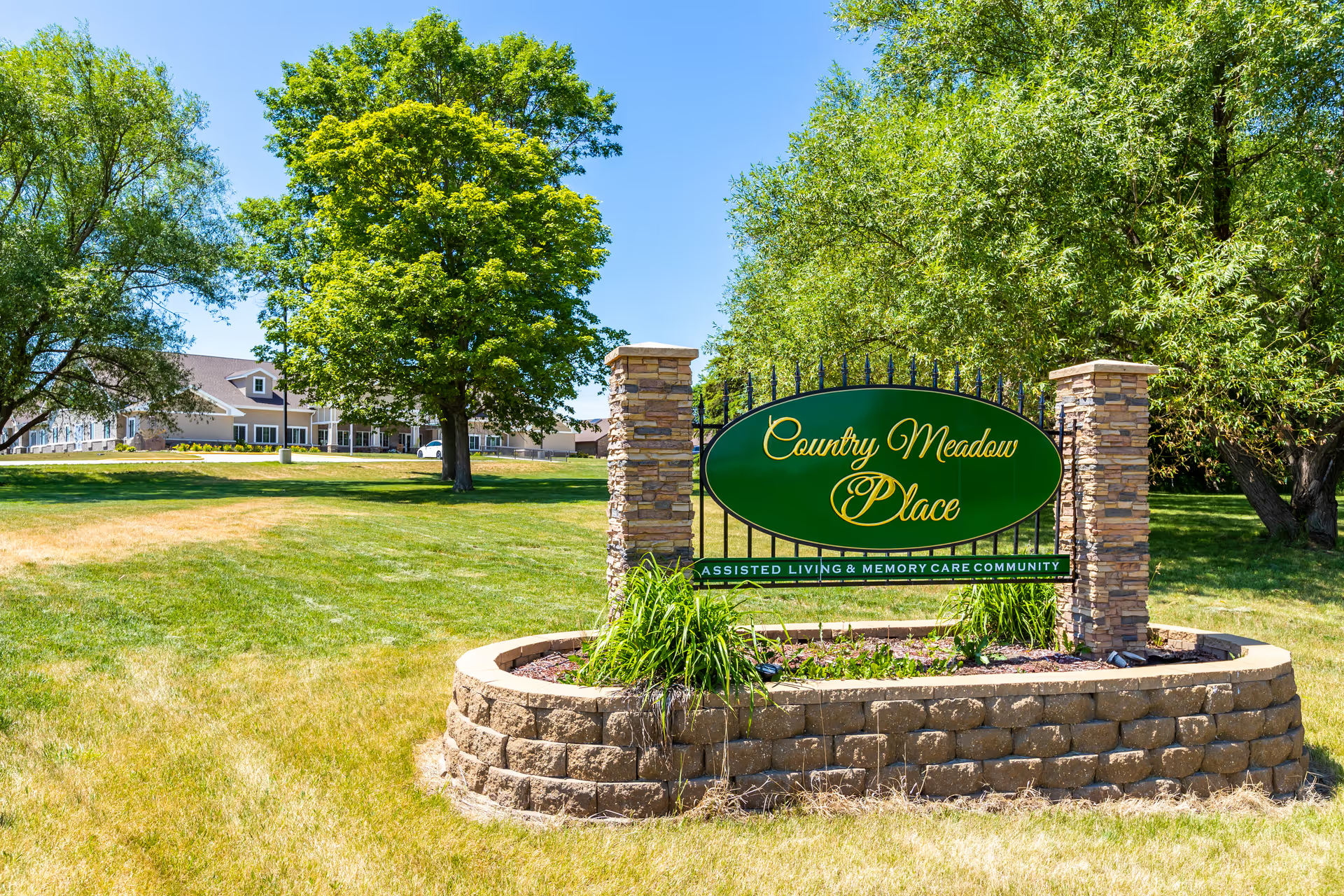
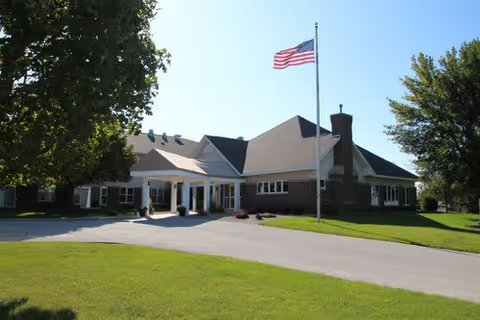
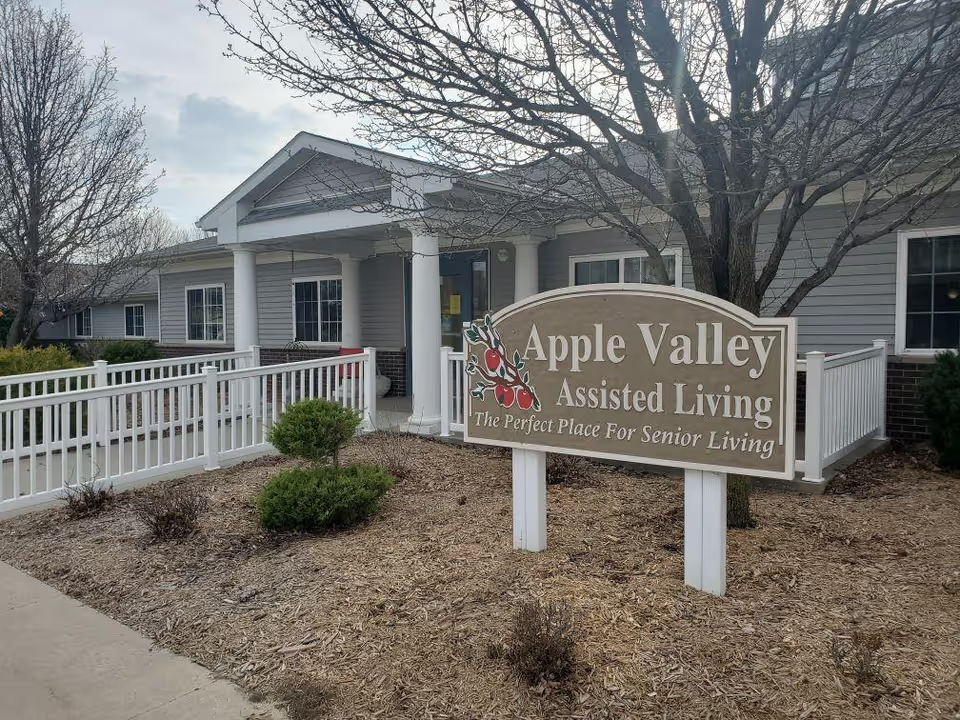
Overall impression: Reviewers convey a generally positive experience with day-to-day caregiving and the facility environment, highlighting respectful, attentive direct-care staff and a pleasant atmosphere. Families praised CNAs, social workers, and an activity director who contributes to resident engagement. The facility is described as clean and well-maintained, with private-room availability and deliberate coordination during move-in. Several accounts emphasize calm, compassionate support around end-of-life care.
Care and staff: Clinical and personal-care interactions are the strongest recurring theme. Reviewers described caring, empathetic CNAs and supportive social work involvement; administrators were credited with proactive communication when changes occurred. At the same time, concerns about staffing adequacy surfaced—comments about "not enough help" and low pay suggest periods when staffing levels may affect responsiveness. These observations point to generally compassionate care delivered within the constraints of intermittent staffing shortfalls.
Activities and dining: Activity programming receives positive mention, specifically an engaged activity director and hands-on assistance with hobbies such as puzzles. Dining quality and meal-service details were not a common subject in the available summaries, so there is limited reviewer information to evaluate food service consistently.
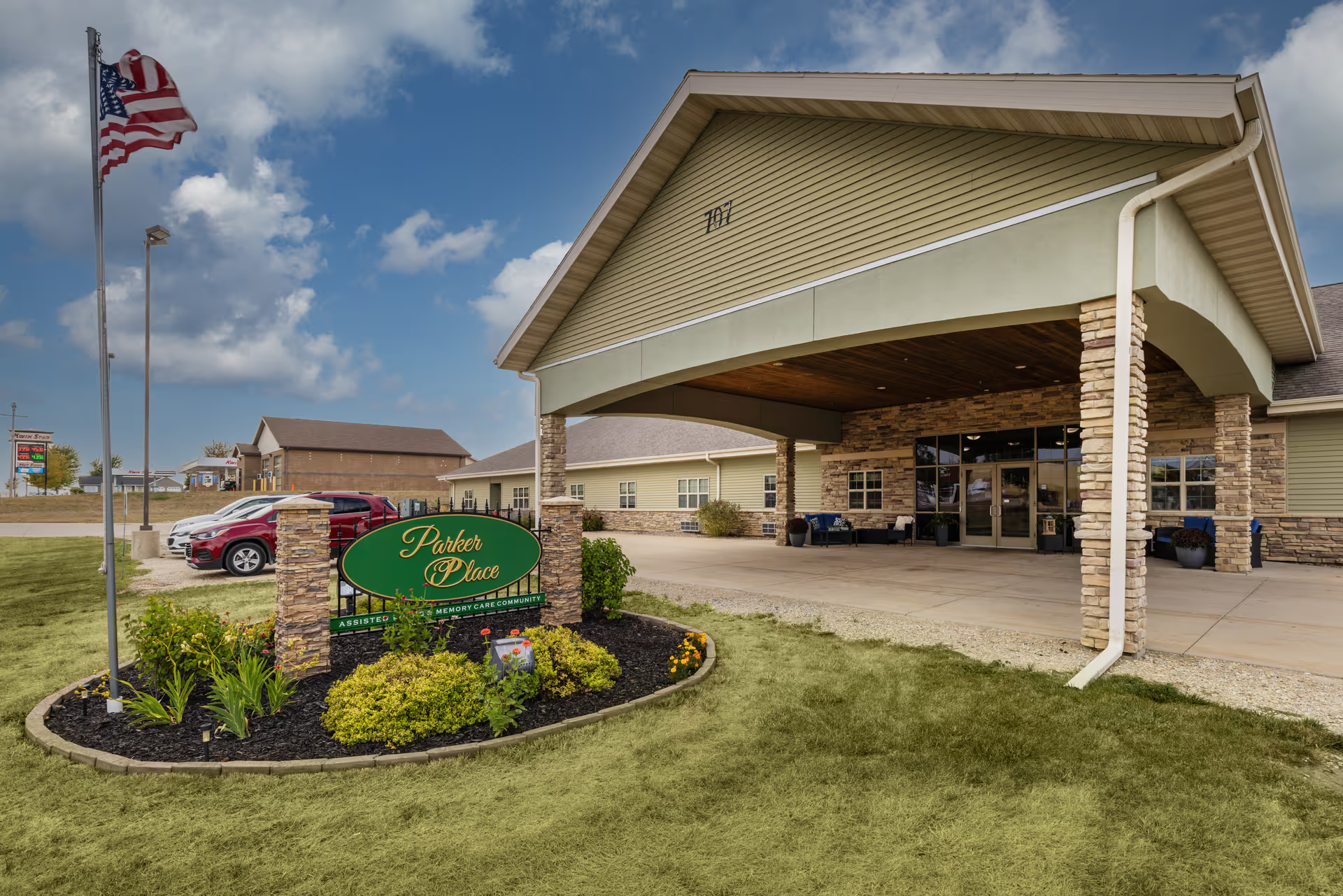
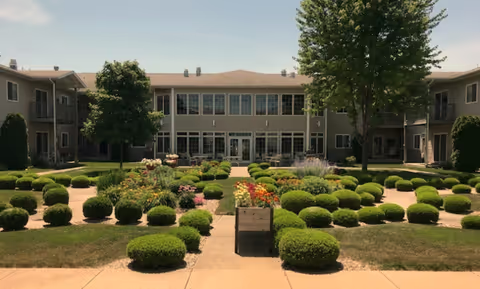
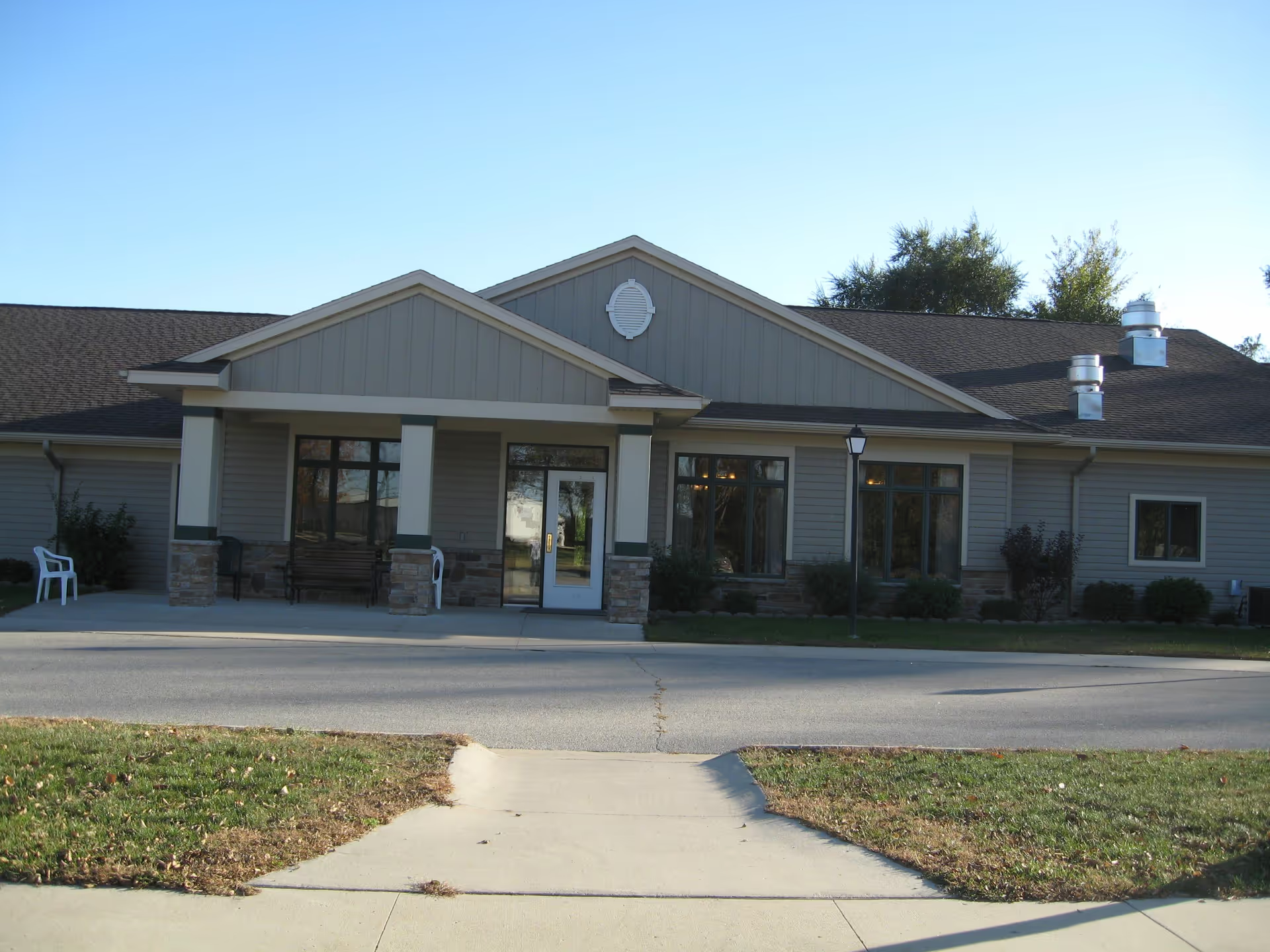
Facilities and environment: The interior environment is frequently described as clean with a pleasant atmosphere and content residents. Private rooms and organized handling of personal belongings at move-in were highlighted as strengths. There were no persistent sanitation or pest-control concerns noted in these summaries.
Management and operational patterns: While front-line staff are viewed positively, several comments raise facility-level operational issues. Reviewers cited a privacy breach by staff and broader remarks about "poor management" and inconsistent service. Those items suggest gaps in privacy/confidentiality procedures and variability in managerial oversight. Low compensation references imply retention and staffing-stability risks that could lead to service interruptions if not addressed.
Notable patterns and takeaways: The dominant pattern is strong direct-care relationships and a comfortable, clean living environment, balanced against operational vulnerabilities tied to staffing and management processes. Prospective residents and families should weigh the facility's clear strengths in personal care, activities, and move-in coordination against potential periods of limited staffing and the need to verify policies on privacy, staff training, and management responsiveness. A recommended next step for families is to ask administration about current staffing ratios, staff turnover, privacy/confidentiality policies, and examples of recent quality-improvement actions to address the operational concerns raised.