Overall impression: Reviews present a mixed but coherent picture. Many accounts emphasize strong interpersonal strengths—staff are described as caring, familial, and attentive, and families express gratitude for individualized care plans and special attention. The facility is an independent-living community with multiple levels of care on site, and reviewers commonly note that this structure supports residents who want to remain independent while having access to additional services as needs evolve.
Care and staff: The dominant positive theme is the quality of direct care and staff–resident relationships. Staff are characterized as compassionate and engaged, and the facility appears able to tailor care to individual needs. This contributes to feelings of safety and satisfaction for residents and families. At the same time, there are countervailing comments that point to operational gaps—most notably concerns that the community’s social energy is lower than expected when resident presence is low, which can affect perceived responsiveness and engagement.
Dining: Dining is a clear strength. Multiple comments praise the food as excellent and satisfying, which supports resident well-being and social routines. Reviewers portray meals as a reliably positive element of daily life at the facility.
Activities and social life: Activity programming receives mixed feedback. Some reviewers describe lots of activities and meaningful opportunities for social connection and friendship. Others perceive limited variety or frequency of activities, and low occupancy or low resident visibility can reduce participation and the sense of vibrancy. Prospective residents should inquire about current activity calendars and participation rates to assess fit.
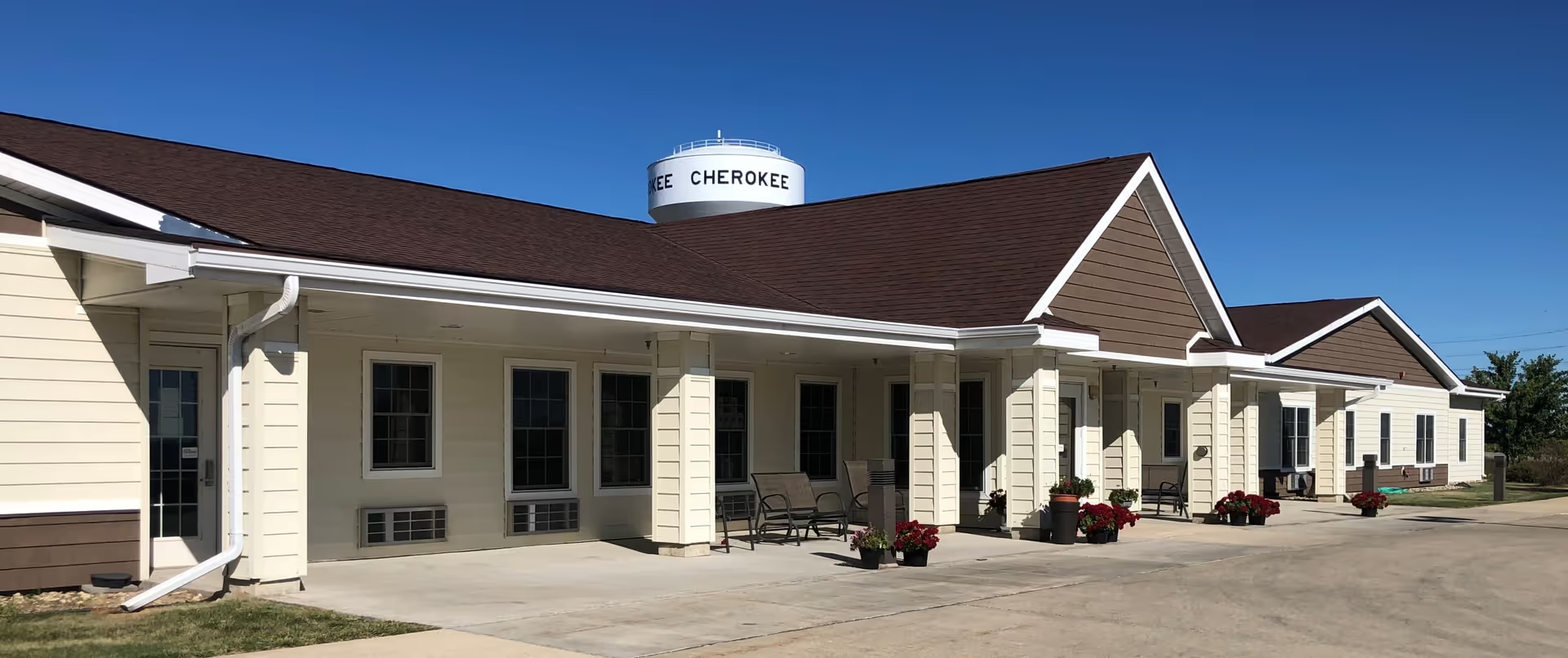
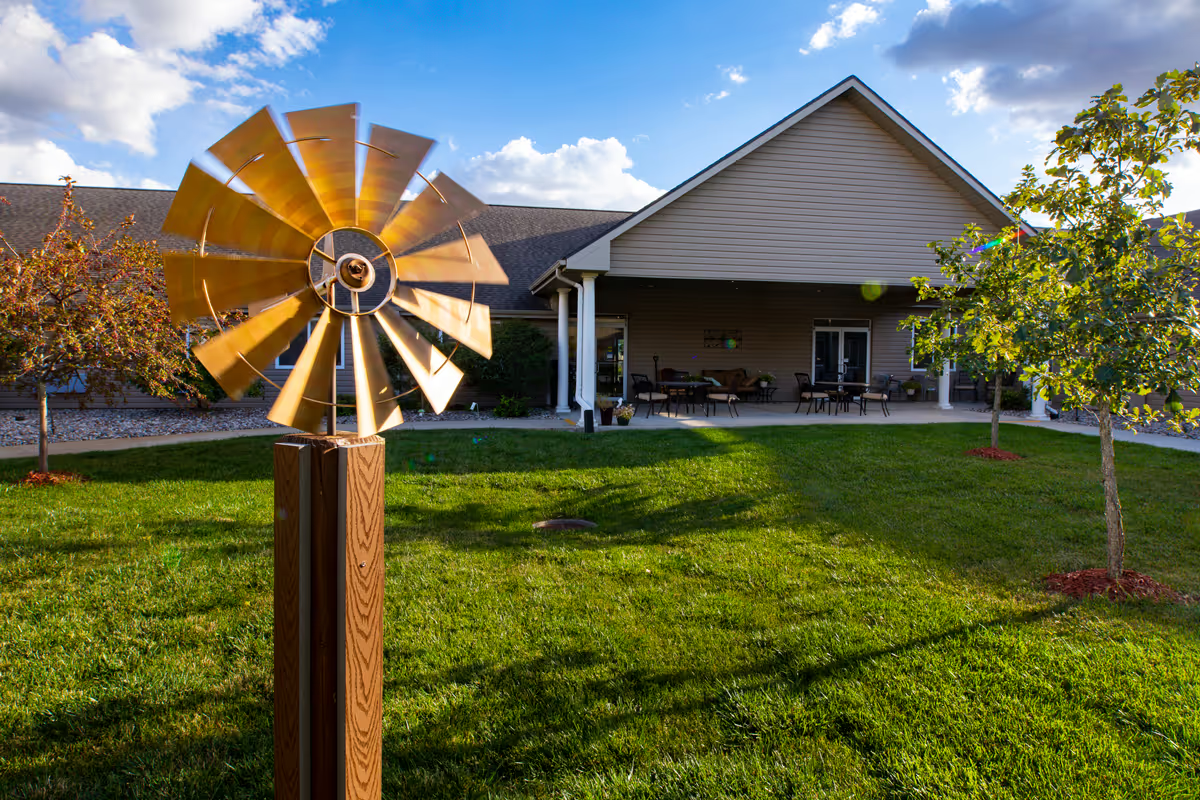
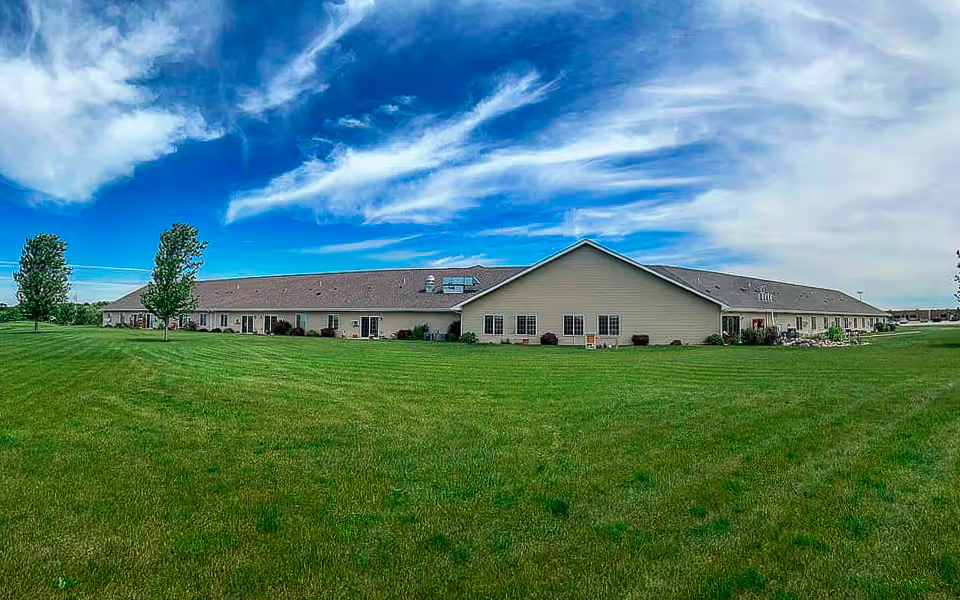
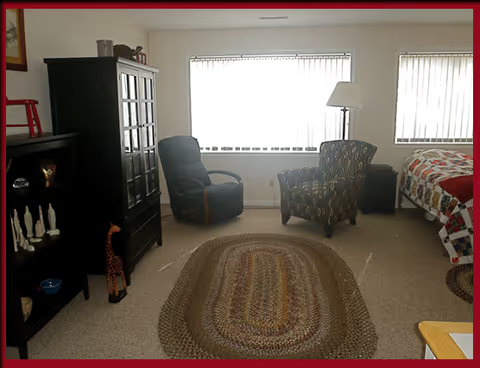
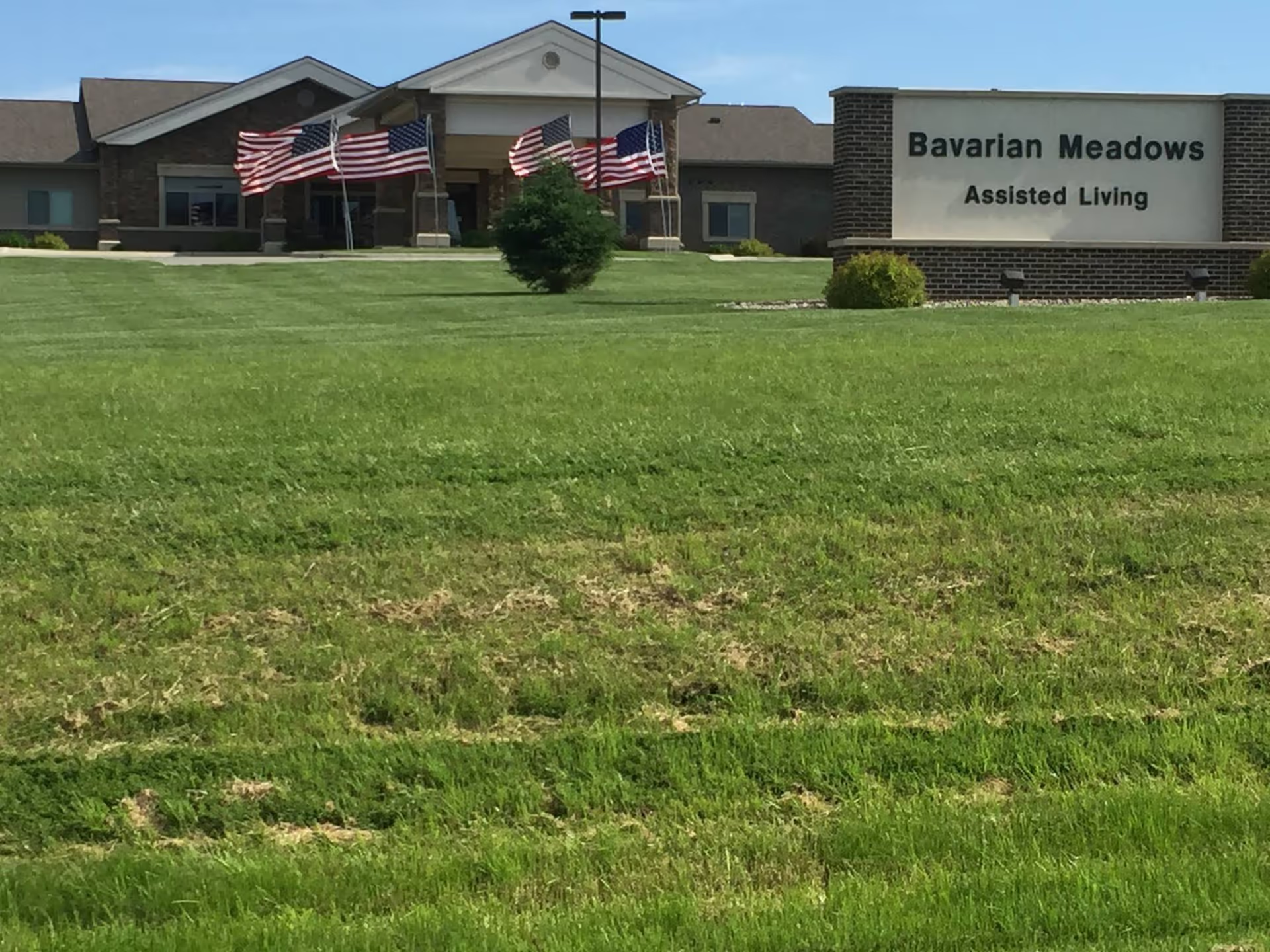
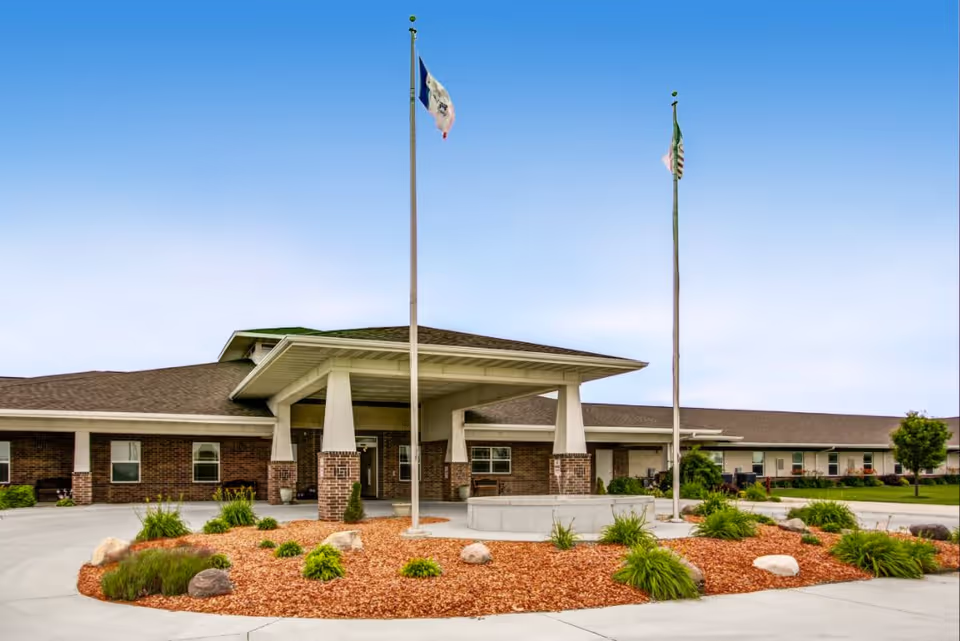
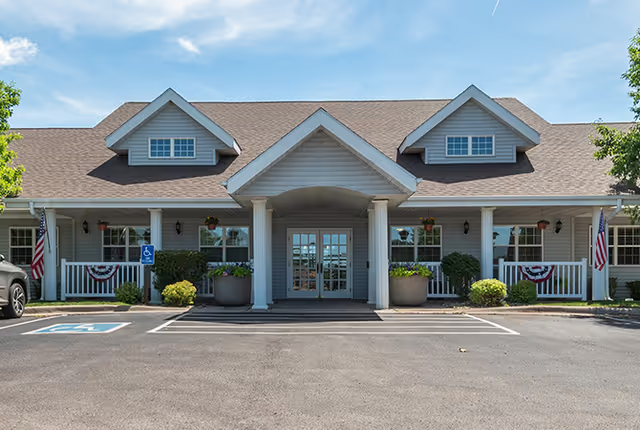
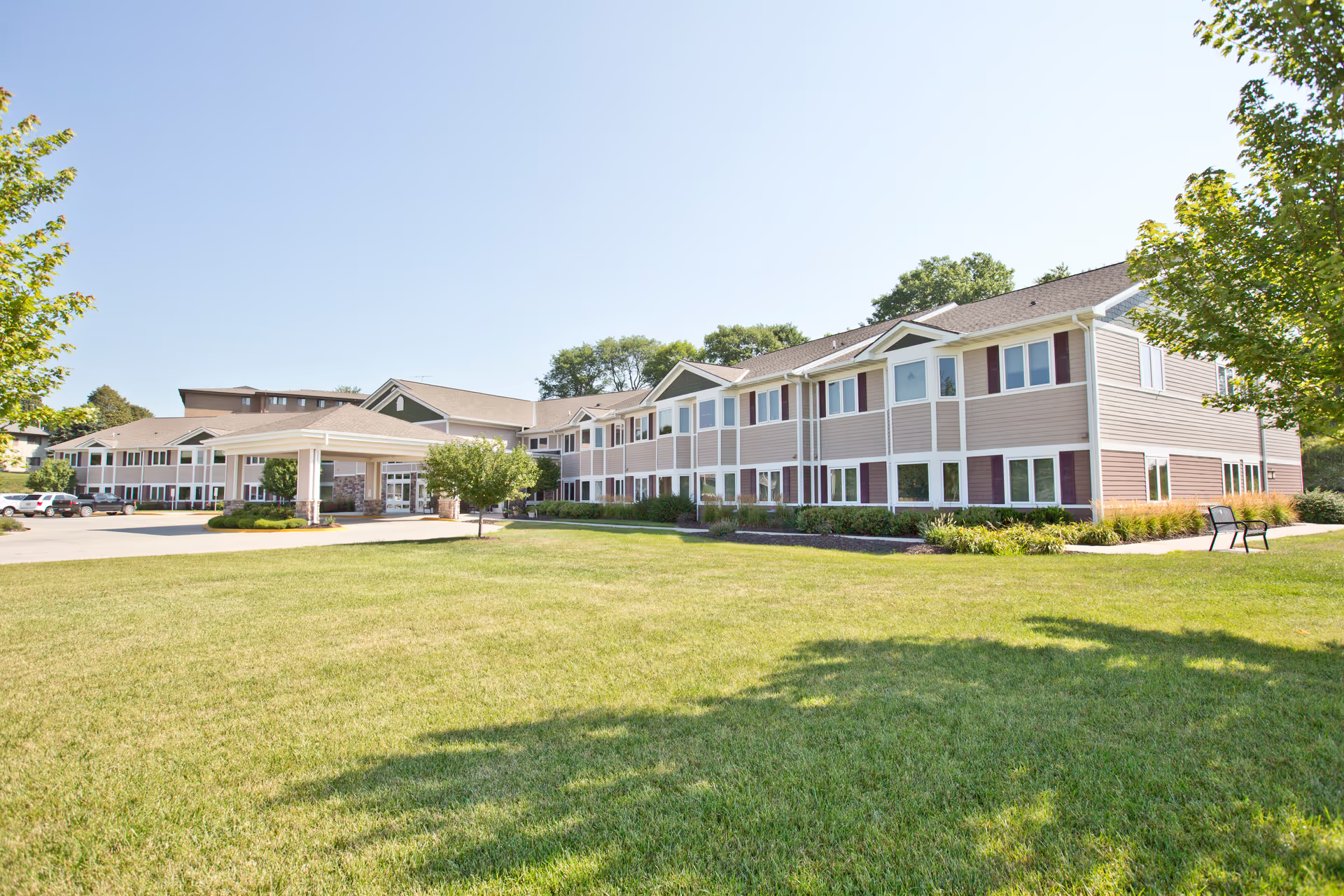
Facilities and atmosphere: The physical environment is described as clean, safe, and well-maintained, supporting independence with appropriate supports. However, several comments reflect a subdued or somber communal atmosphere, which some find depressing. Low occupancy is a related operational issue that appears to influence social atmosphere; when fewer residents are present, common spaces may feel quiet and underutilized.
Management and services: Reviewers indicate the facility operates at a premium price point. While many are willing to pay for the perceived quality of care and staffing, there are notable service gaps relative to cost—most prominently limited transportation for medical appointments. This constraint is an operational trait that could require families to arrange external transport. The combination of higher fees and constrained service scope is a pattern worth clarifying with leadership prior to making decisions.
Notable patterns and suitability: In summary, Otsego Place appears to deliver strong, relationship-driven care and good dining in a clean, multi-level campus suited for residents seeking independence with available supports. Trade-offs to evaluate include premium pricing, transportation limitations, variability in activity offerings, and a communal atmosphere that some find subdued—factors that interact with occupancy levels. Prospective residents and families should verify current occupancy, activity schedules, transportation policies, and a full list of included services to determine whether the facility’s strengths align with their priorities.