Overall impression: The facility is described largely as a warm, home‑like community with many strengths in direct care, activities, and dining, but reviewers also identify operational inconsistencies that are important to weigh when considering placement. Positive comments center on a caring staff culture, an active and creative activity program, and generally pleasant dining and housekeeping. At the same time, recurring operational concerns — especially around staffing levels, medication practices, memory‑care ambiance, and administrative communication — appear often enough to merit attention.
Care and staff: Many families emphasize compassionate, attentive caregivers who create a family‑style atmosphere. Long‑tenured staff members, helpful medication assistants, proactive maintenance, and an engaged administrator receive frequent praise. The activity director (often called the Happiness Coordinator) is repeatedly highlighted as a major positive influence on resident quality of life. Counterbalancing those strengths, reviewers point to variability in staffing coverage and engagement: understaffing, long shifts, inconsistent nurse availability, and occasional gaps in staff training or responsiveness were raised as operational weaknesses. Specific care‑delivery consequences mentioned include slow responses to call signals and inconsistent follow‑through on clinical recommendations.
Dining and nutrition: The dining program is commonly described as homey and nutritious, with dietician input and appealing, freshly prepared meals on many days. Several reviewers singled out appealing kitchen aromas and warm dining areas. However, there is also commentary about inconsistent meal quality in some instances and a desire for more fresh seasonal produce and greater menu variety. A few comments also referenced limited portioning or less satisfying menu items on certain days, suggesting variability in day‑to‑day meal experience.
Activities and social life: Activities are a clear strength for the community overall. Reviewers frequently praise a broad calendar of social, physical, and creative programming — arts and crafts, live music, exercise and dancing, gardening, and organized social events — and describe residents as engaged and enjoying the schedule. That said, some residents did not find the available activities appealing to their particular interests, and a minority of feedback described passive programming (e.g., TV‑focused sessions) or a desire for new games and outside entertainers.
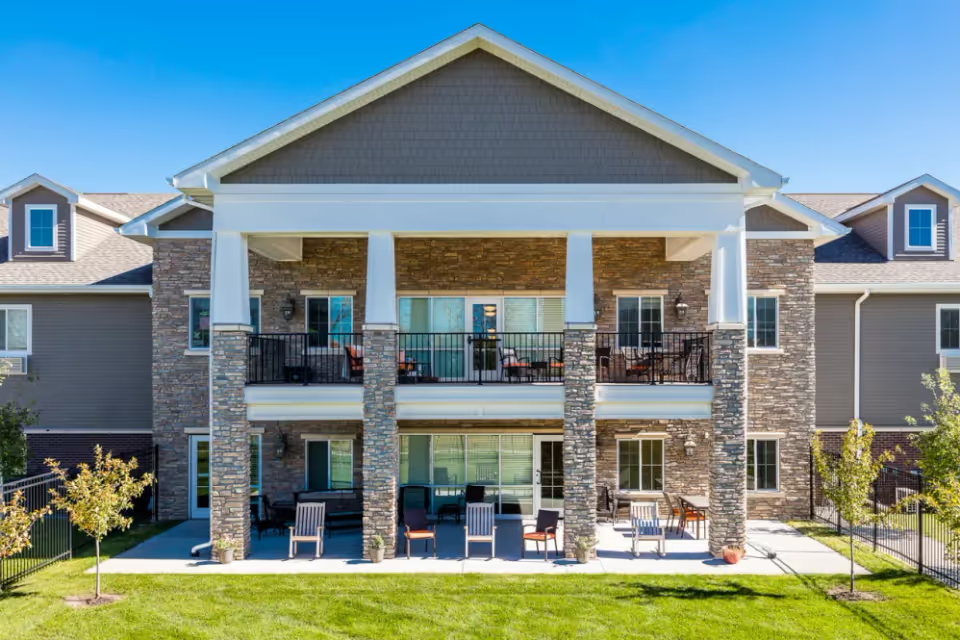
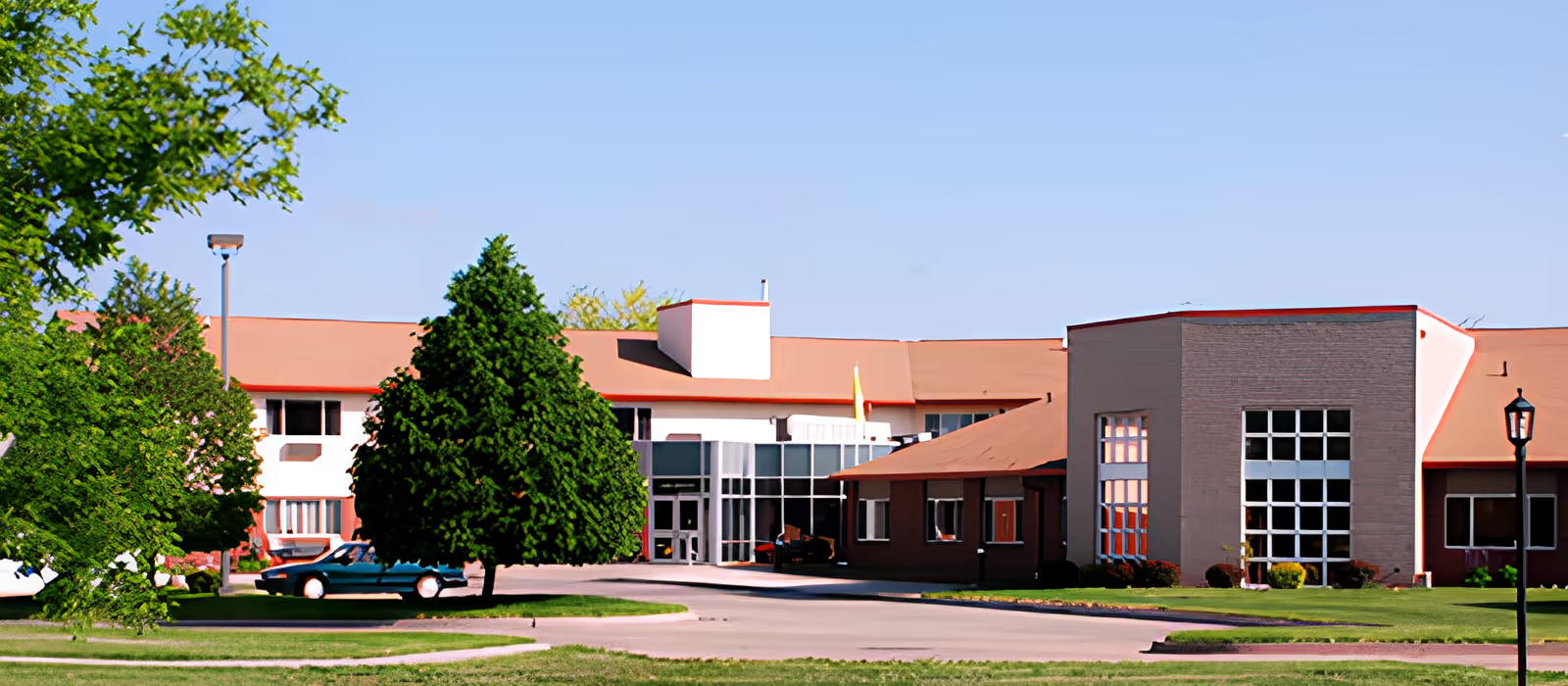
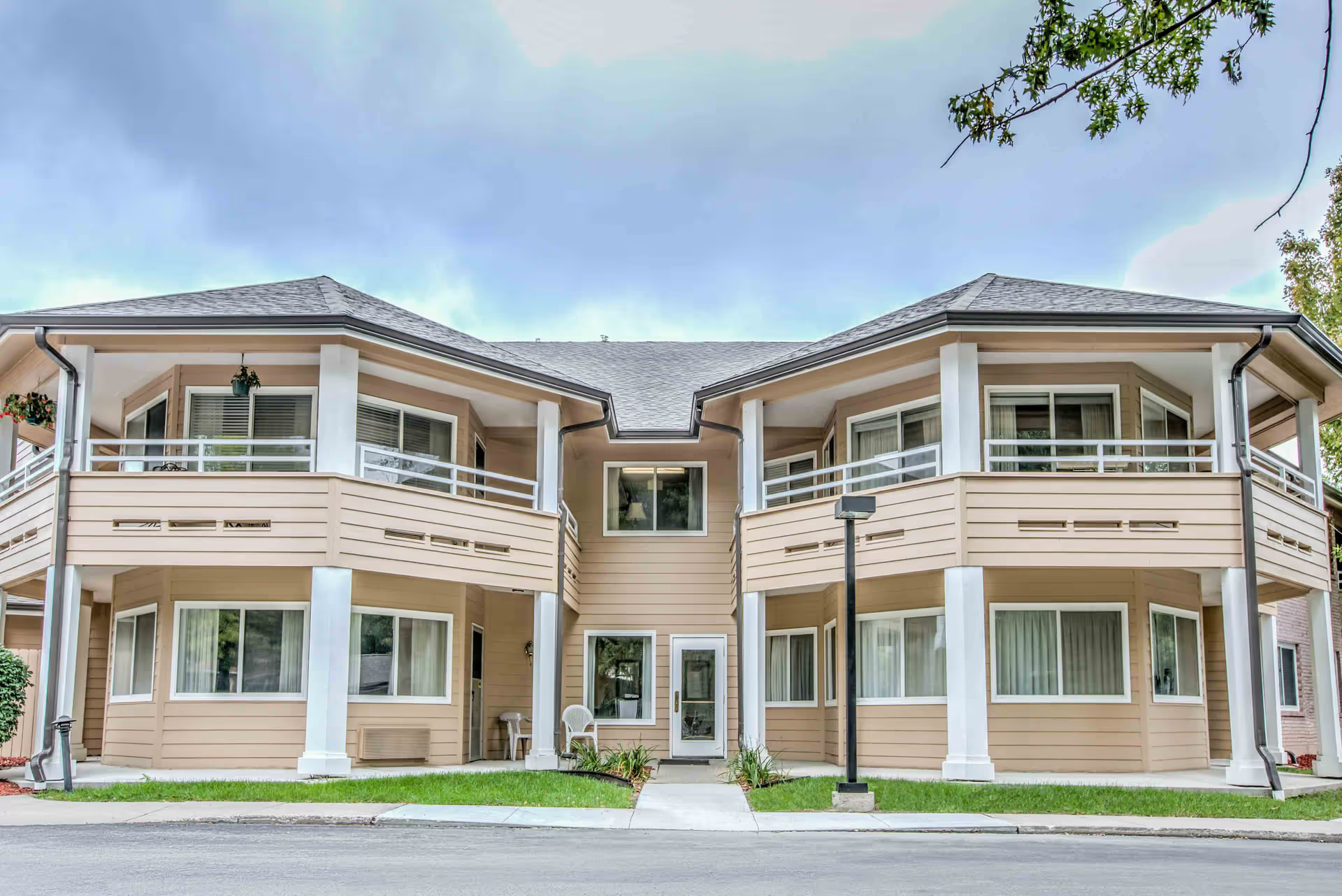
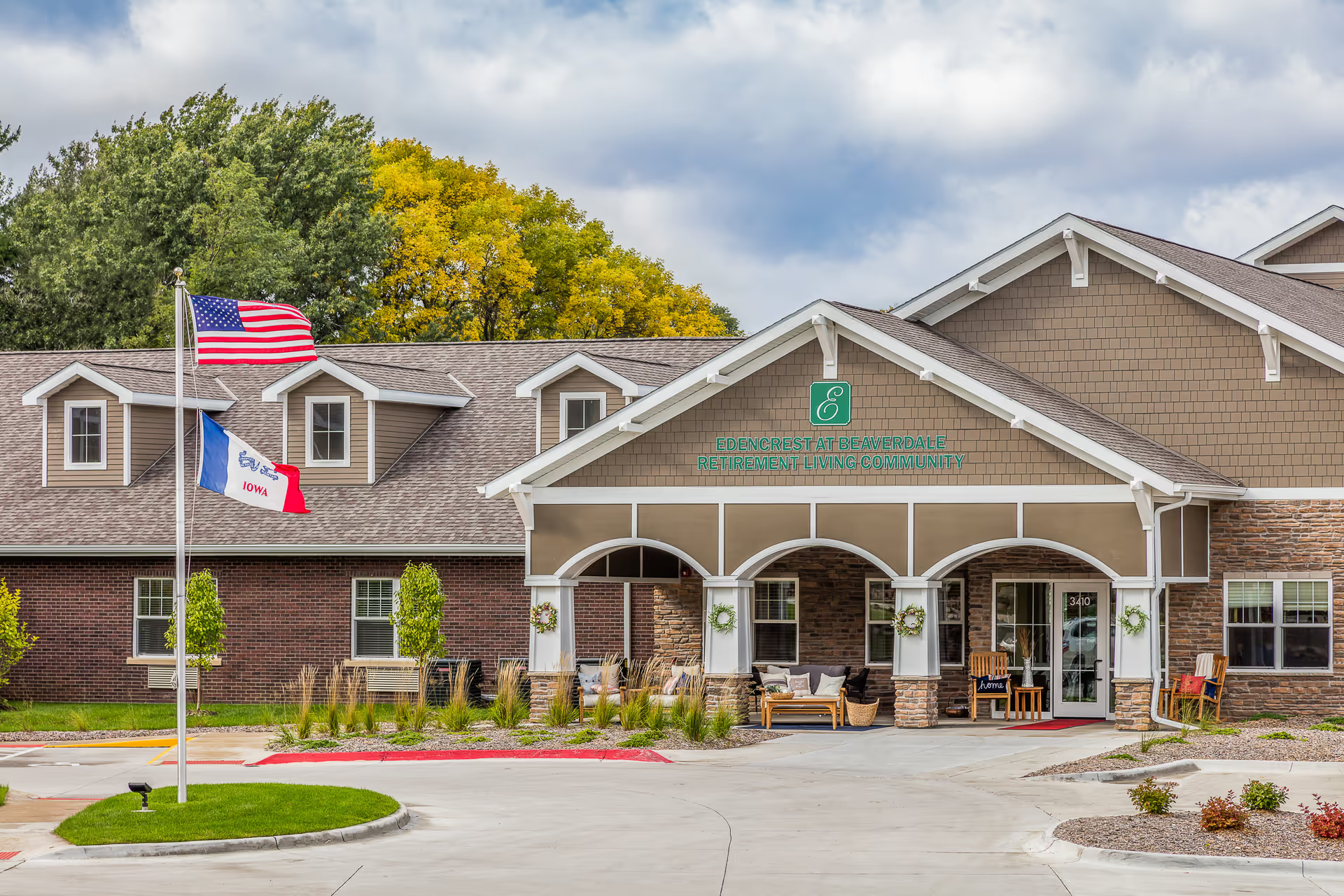
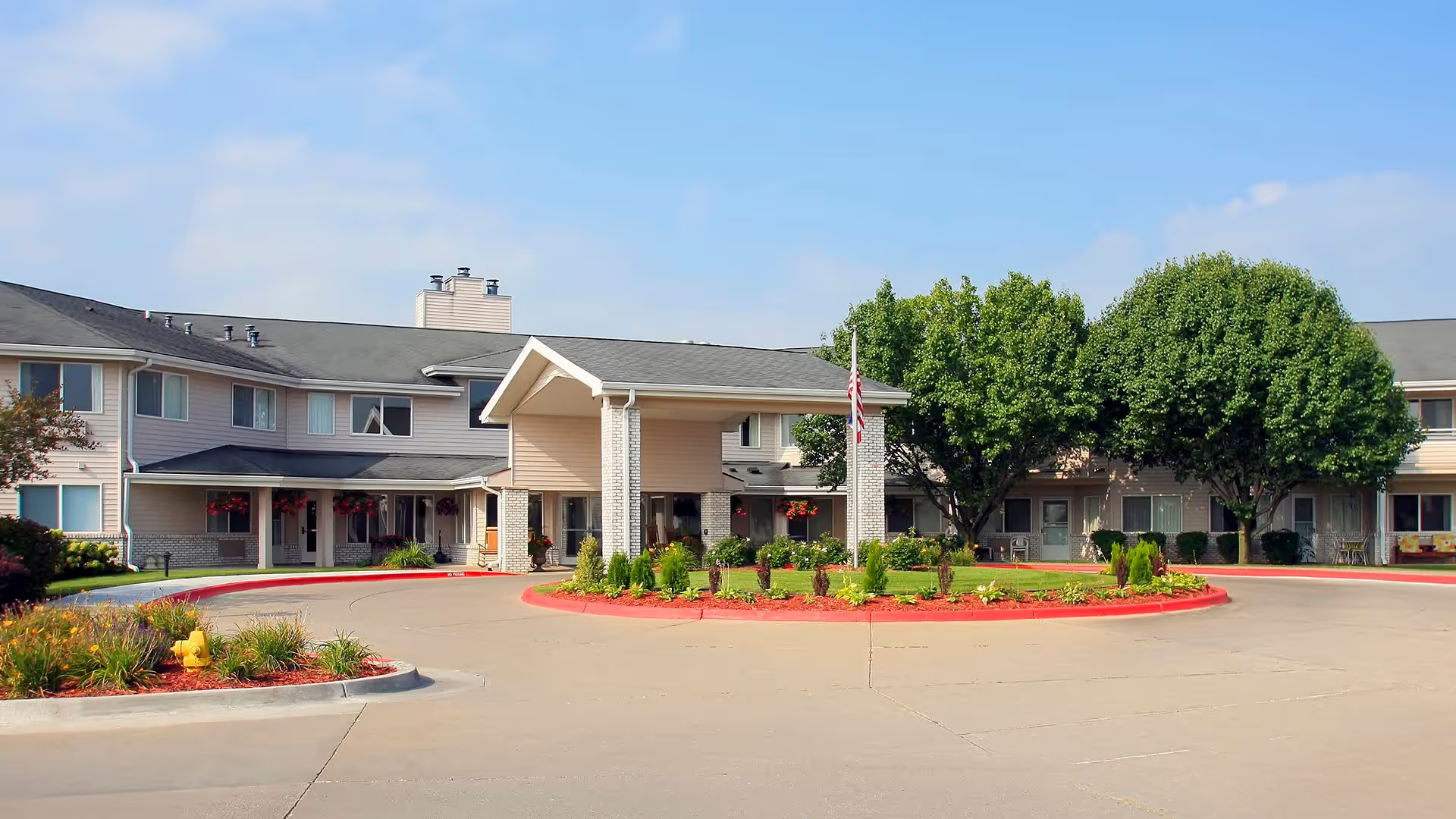
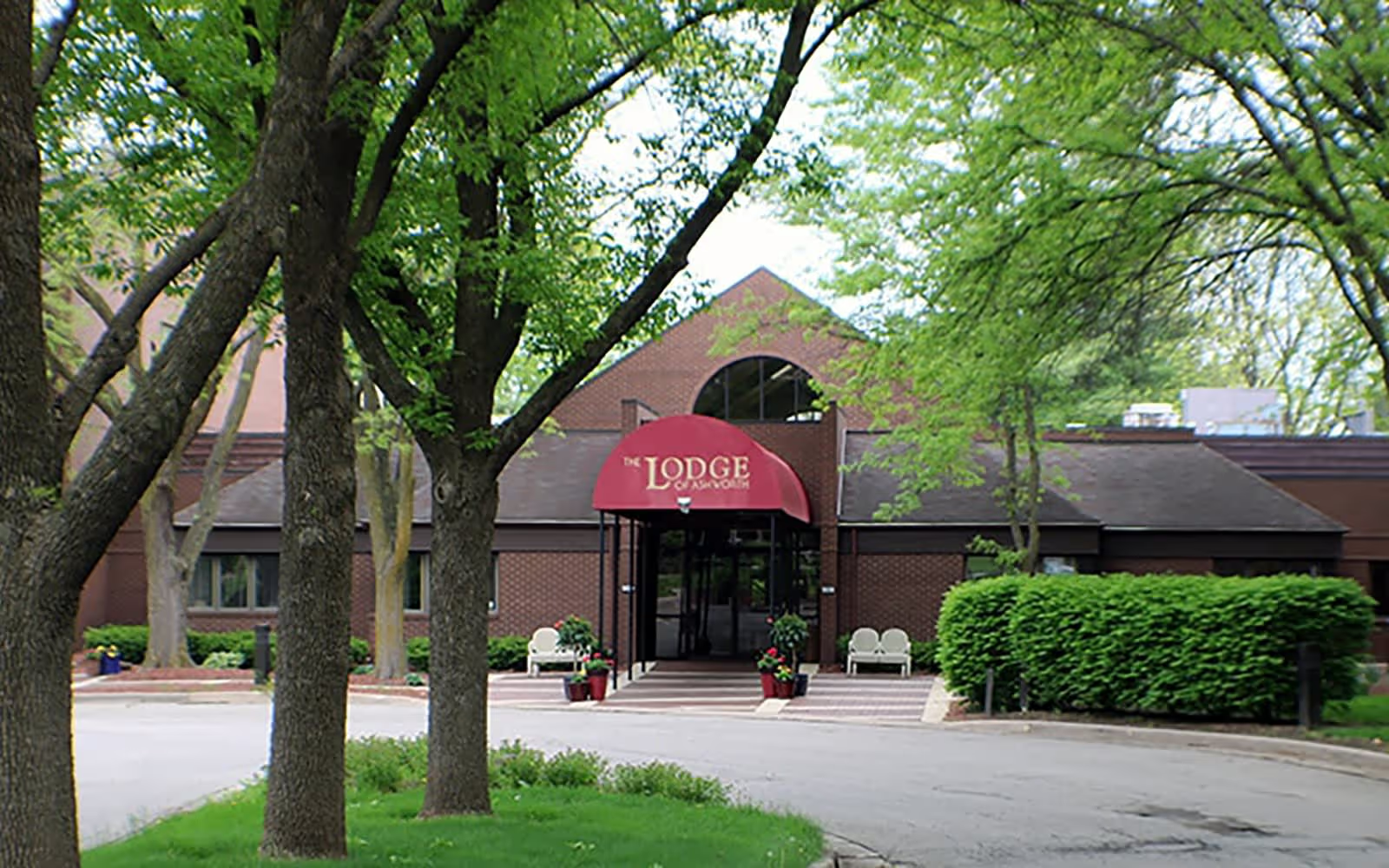
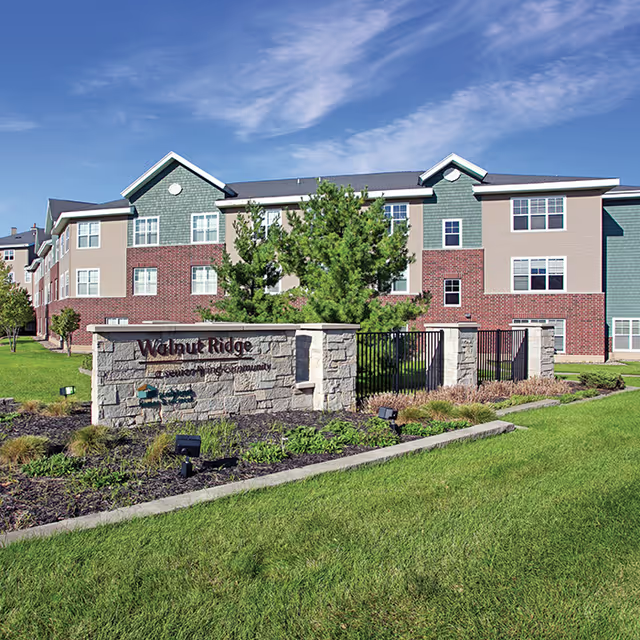
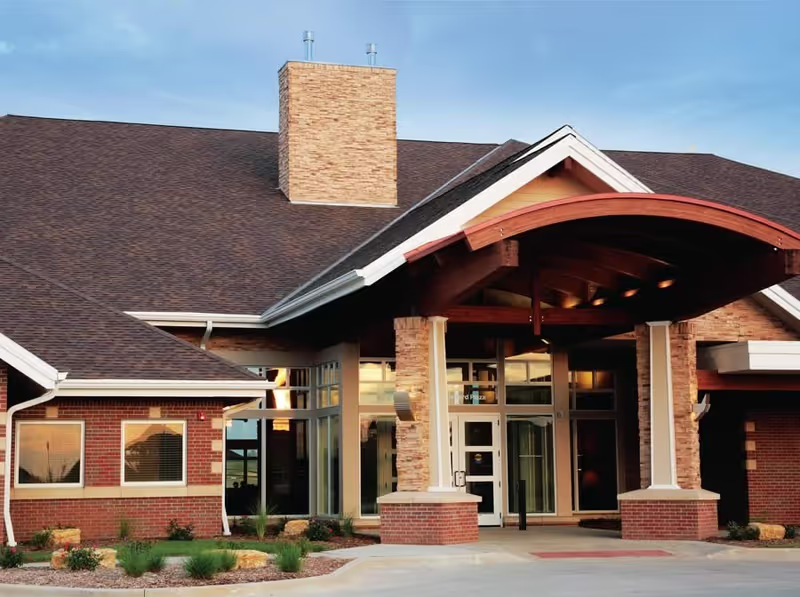
Facilities and memory care: The physical environment receives mixed but generally positive comments: many note a clean, inviting interior, private tasteful rooms, a courtyard and wooded setting, and well‑kept landscaping. Amenities such as a salon, raised garden, and wellness spaces are appreciated. Several reviewers described parts of the building as older and in need of targeted updates (loose cabinetry, dated finishes), and there are specific, repeated concerns about the memory‑care area — dim lighting, small dining space, odor or sanitation concerns, and a less‑well‑maintained feel compared with assisted living. Memory‑care capacity and unit layout were also noted as constraints for some families.
Management, communication, and operations: Administrative responsiveness is uneven in the reviewers' accounts. While many praise helpful directors and hands‑on staff, others report inconsistent communication, unanswered calls, billing disputes, and frustration with corporate follow‑up after significant events. Medication‑management lapses and inconsistent implementation of clinician recommendations were raised as operational risks in multiple comments. Cost and funding are additional practical considerations: pricing is described as higher than some alternatives, and restricted acceptance of certain public funding sources was noted.
Notable patterns and considerations: Prospective families should weigh the facility's strong relational culture, active programming, and generally pleasant dining and grounds against operational variability in clinical follow‑through, staffing consistency, and the condition and programming of the memory‑care unit. For prospective residents who prioritize social engagement, a family‑feeling staff, and dietician‑guided meals, the community offers clear strengths. Families with higher clinical needs, reliance on timely medication adjustments, larger mobility devices, or those placing someone in memory care should specifically inquire about current staffing ratios, medication‑management protocols, accessibility accommodations, and recent memory‑care improvements during tours and follow‑up discussions.