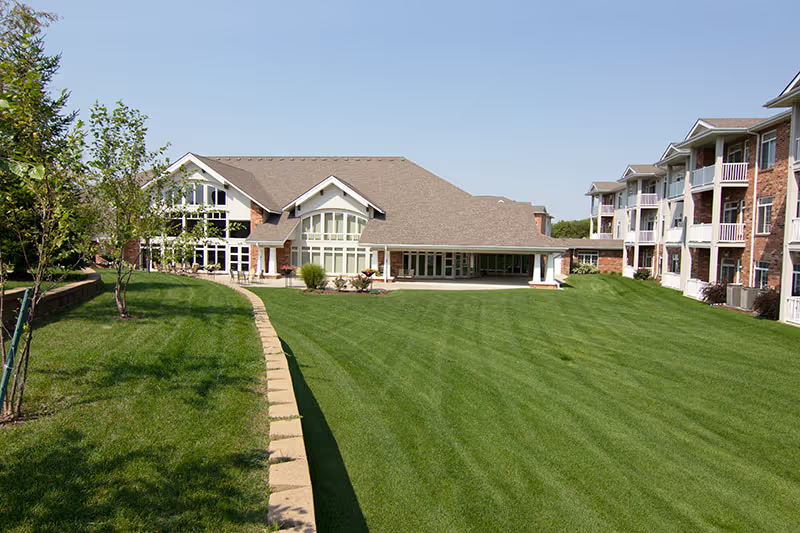
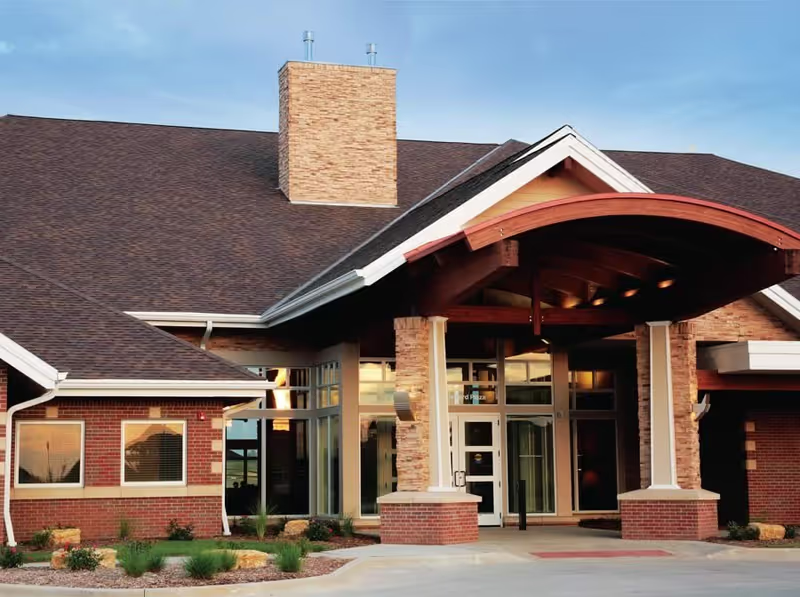
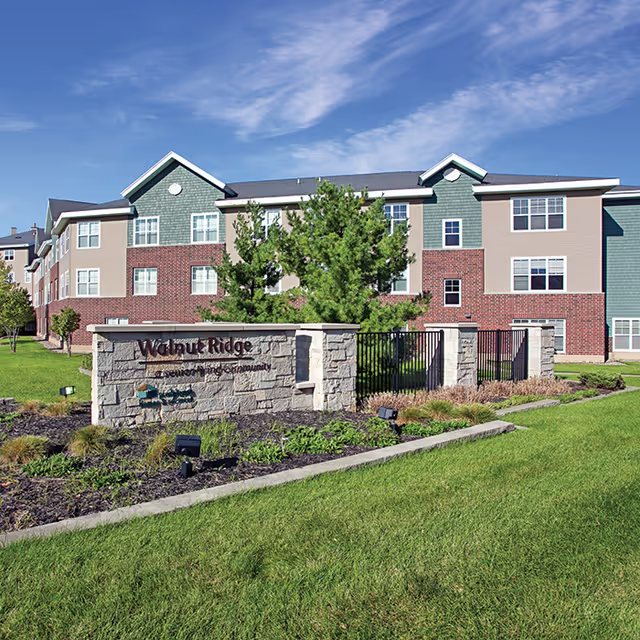
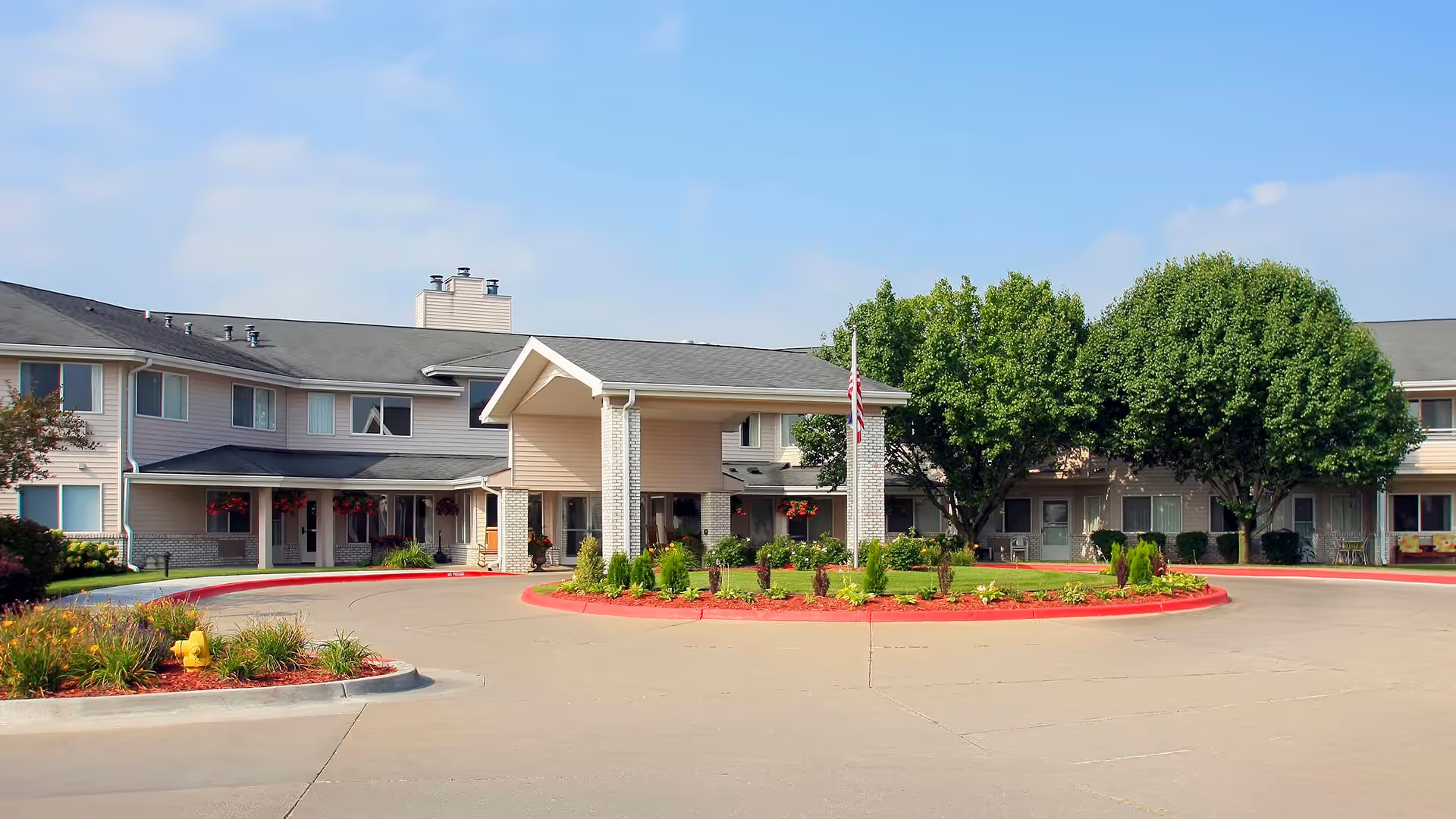
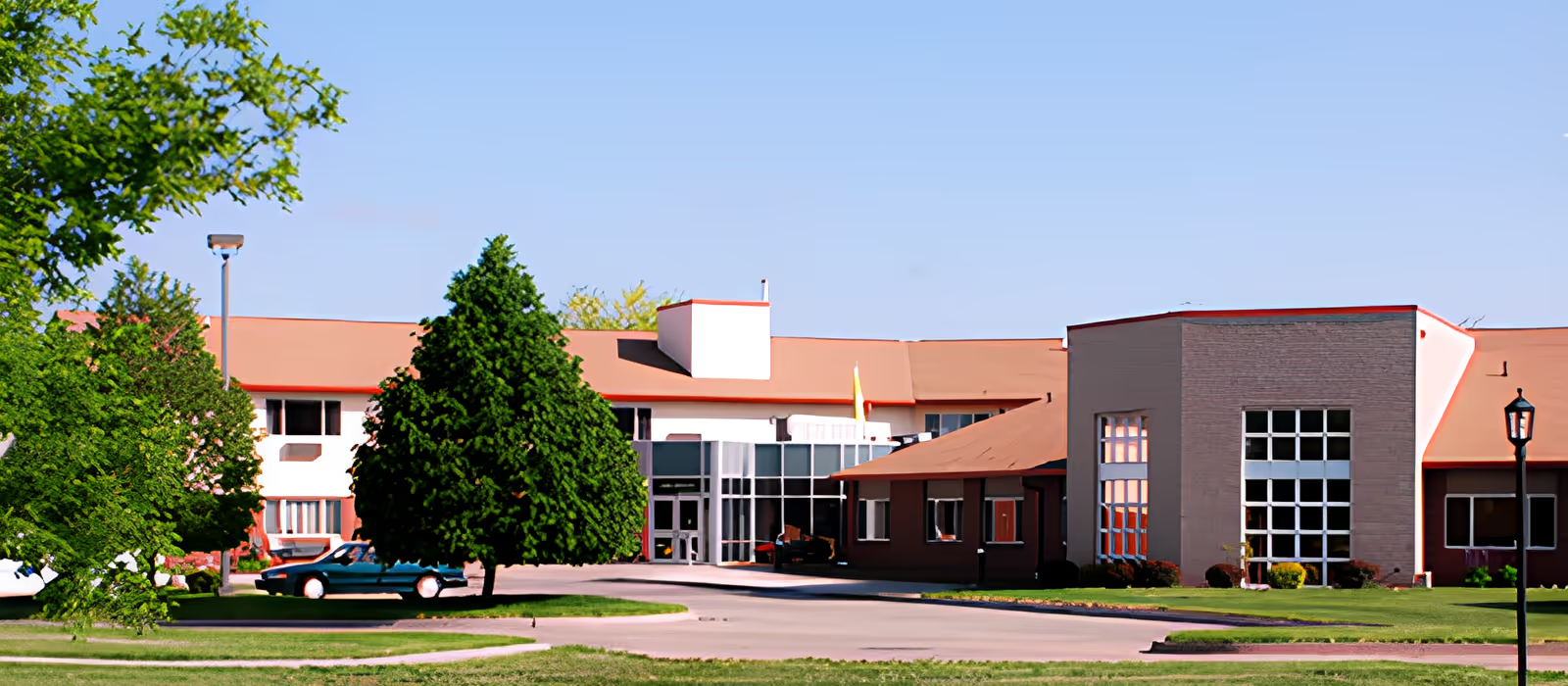
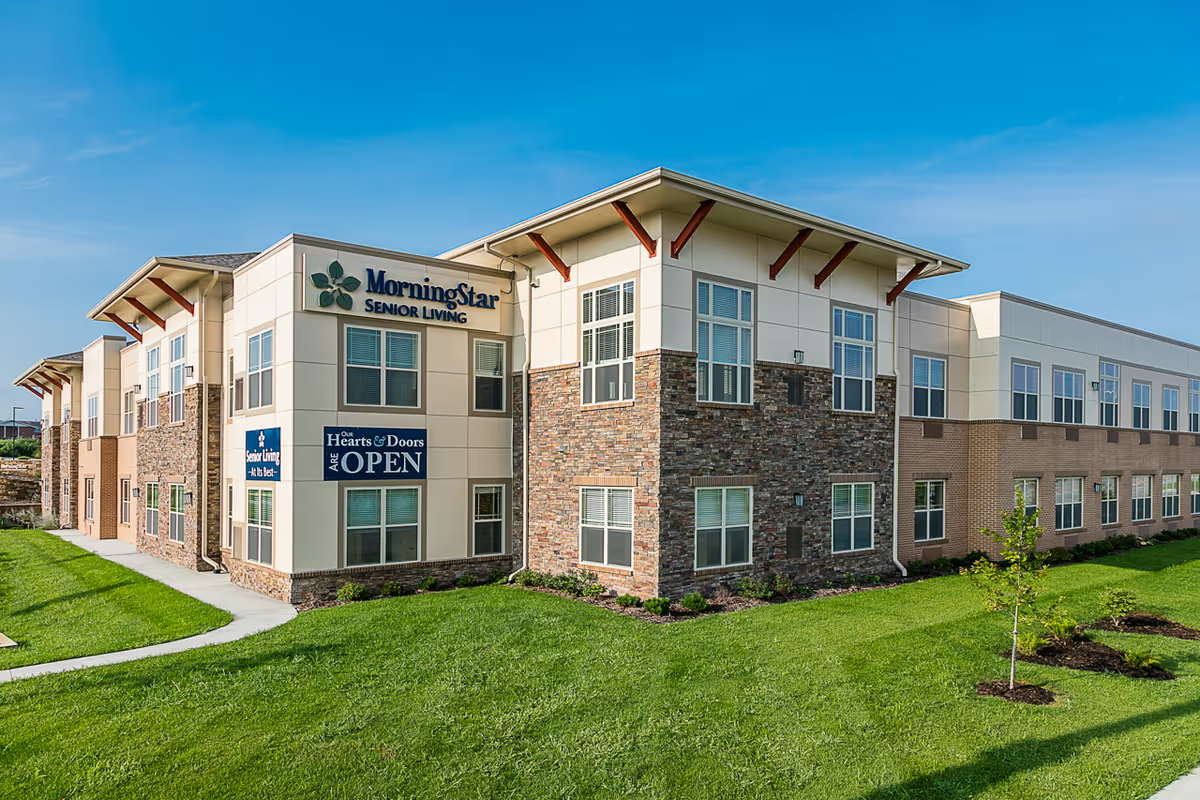
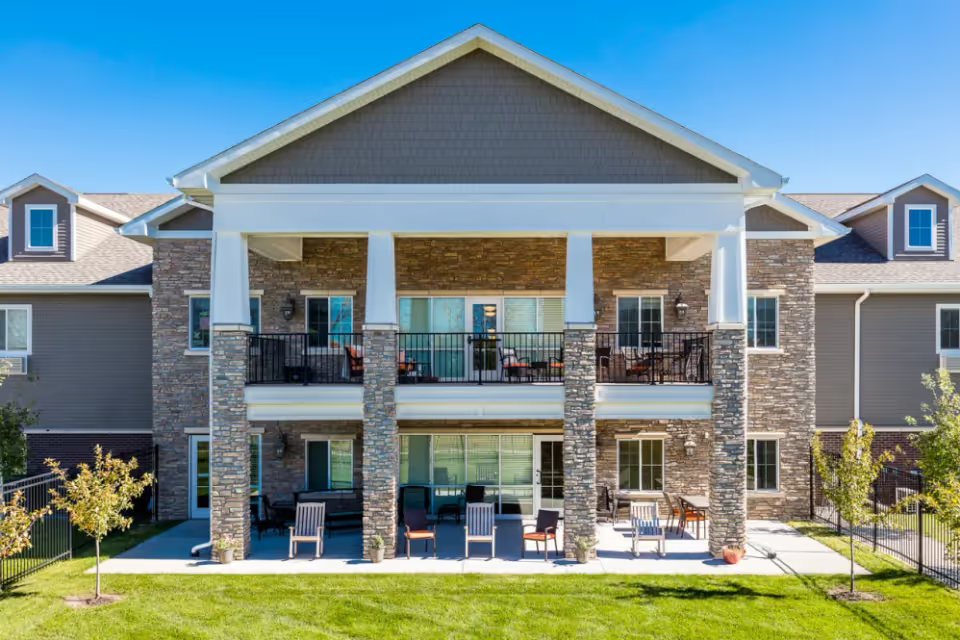
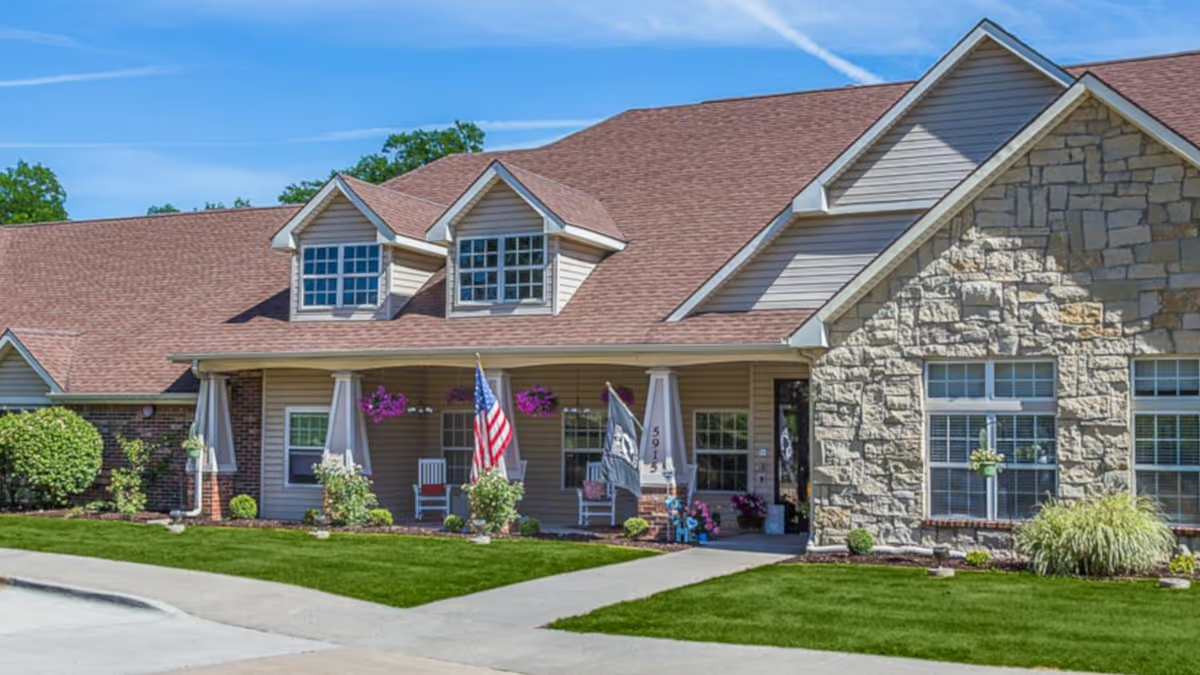
Overall impression Edencrest at Timberline is described largely as a modern, well-maintained community with a strong focus on memory care and hospice services. Review content emphasizes individualized clinical plans, continuous staffing coverage, and a high staff-to-resident ratio in the memory unit. Many comments highlight the facility’s clean, newly furnished environment, easy-to-navigate layout, and a home-like atmosphere that supports friendships and social engagement.
Care and staff The facility receives consistent praise for its memory-care expertise and for providing round-the-clock clinical coverage and hospice support. Staff interactions are frequently characterized as warm, nurturing, and empathetic; reviewers note attentive and engaged caregiving and describe supportive nursing leadership. Admissions and transitions between levels of care (for example, moving from memory care to assisted living) are described as well-managed in several accounts. At the same time, there are operational concerns: staffing consistency and turnover appear to be recurring issues, and there are descriptions that point to gaps in responsiveness during urgent incidents. Language and communication barriers among some staff members were also noted, which can affect daily communication and care coordination.
Dining and activities Dining is a relative strength: reviewers commonly describe high-quality, gourmet-style meals and a program that solicits resident input on menus. The community offers a robust activities schedule with frequent social programming and opportunities for resident choice. However, there are instances of inconsistent meal service (for example, food served at inconsistent temperatures) and occasional interruptions tied to resource constraints that affect the dining experience and activity delivery.
Facilities and management Physical facilities are presented positively: new, clean, and well-kept interiors with pleasant communal spaces and transportation services included. Leadership is singled out by name in some comments and is perceived as proactive; the community offers adjustable care assessments within 30 days and nurses/directors who provide guidance during the move-in process. Despite this, families expressed concerns about pricing and perceived value, and some described occasions when service continuity broke down—issues that management appears to be aware of and addressing.
Notable patterns and considerations for prospective families The consistent strengths are memory-care capability, individualized clinical plans, a caring staff culture (when staffing is stable), and a clean, attractive facility with active programming. The main operational risks to investigate further are staffing stability, emergency-response and care-coordination protocols, communication supports for non‑English speakers, and clarity around fees and value. Prospective residents and families would be well served to tour the community, ask about current staffing ratios and turnover, review emergency-response procedures, sample meals, and clarify billing and transition policies before making a placement decision.