Reviews present a mixed portrait of Harmony House Health Care Center: many families and visitors praise the caregiving teams, dining, and therapeutic programs, while others describe operational and clinical gaps that warrant careful inquiry before placement.
Care and staff: Numerous comments highlight compassionate, dedicated CNAs, attentive nurses, and therapists who provide effective speech and respiratory services. Several reviewers praised teamwork, coordinated care, and a recovery-focused culture that helps residents progress. At the same time, multiple accounts indicate variability in staff experience and training; reviewers cited inexperienced employees, concerns about clinical competency in specific areas (notably tracheostomy-related care), and periods of understaffing that appear to affect day-to-day responsiveness.
Clinical services and therapies: The facility’s rehab and therapy teams received strong positive remarks for their work when available. However, reviewers also described discontinuities in therapy availability (for example, lapses in OT/PT services) and nonfunctional amenities (a pool noted as unusable), which can affect rehabilitation plans and resident activity options.
Dining, activities and programs: The kitchen and dining services are frequently commended — in-house meals and specific menu items were described as high quality — and the greenhouse program is repeatedly cited as a therapeutic and community-building asset. Plant sales that support facility programming were highlighted as a meaningful activity for residents and families.
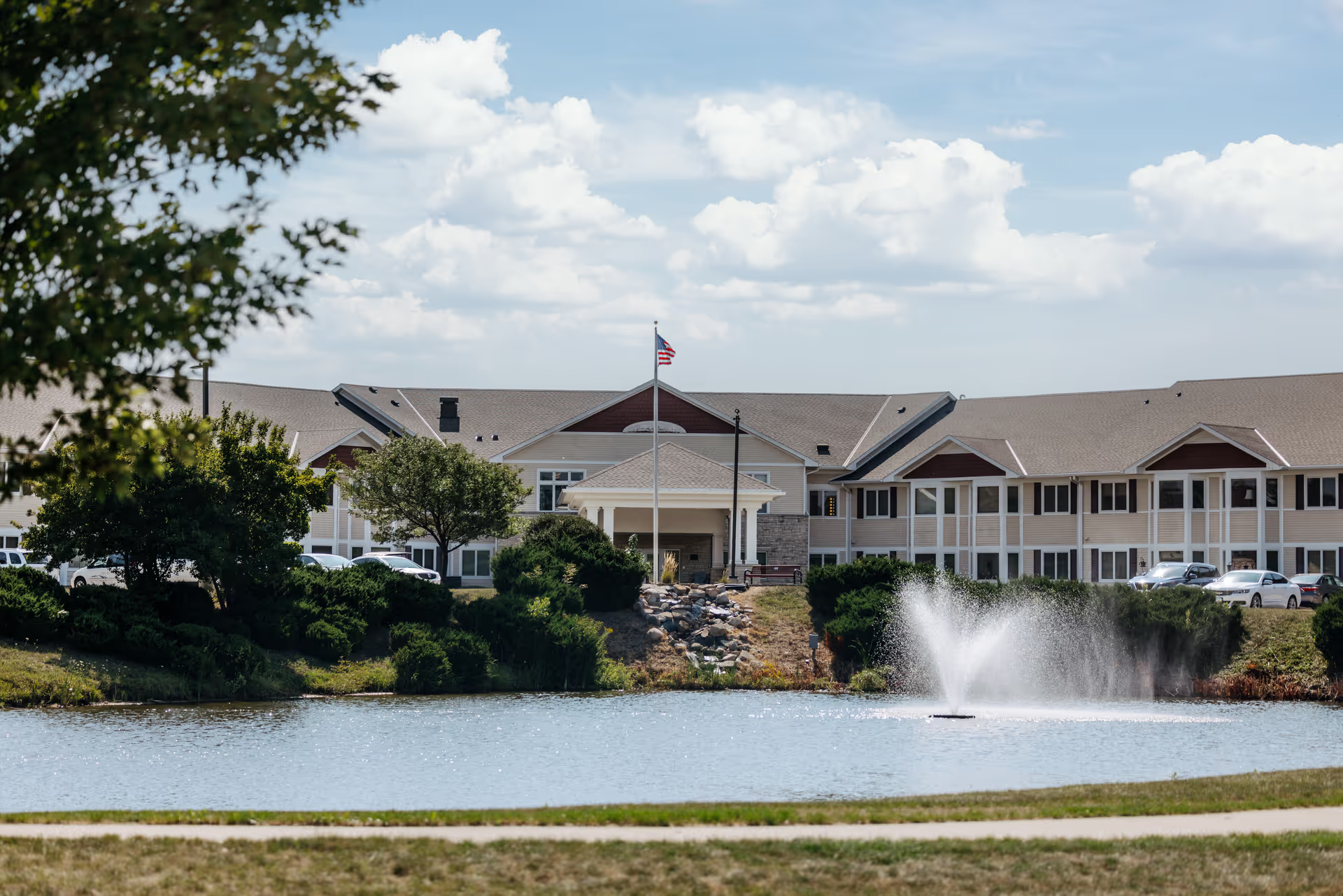
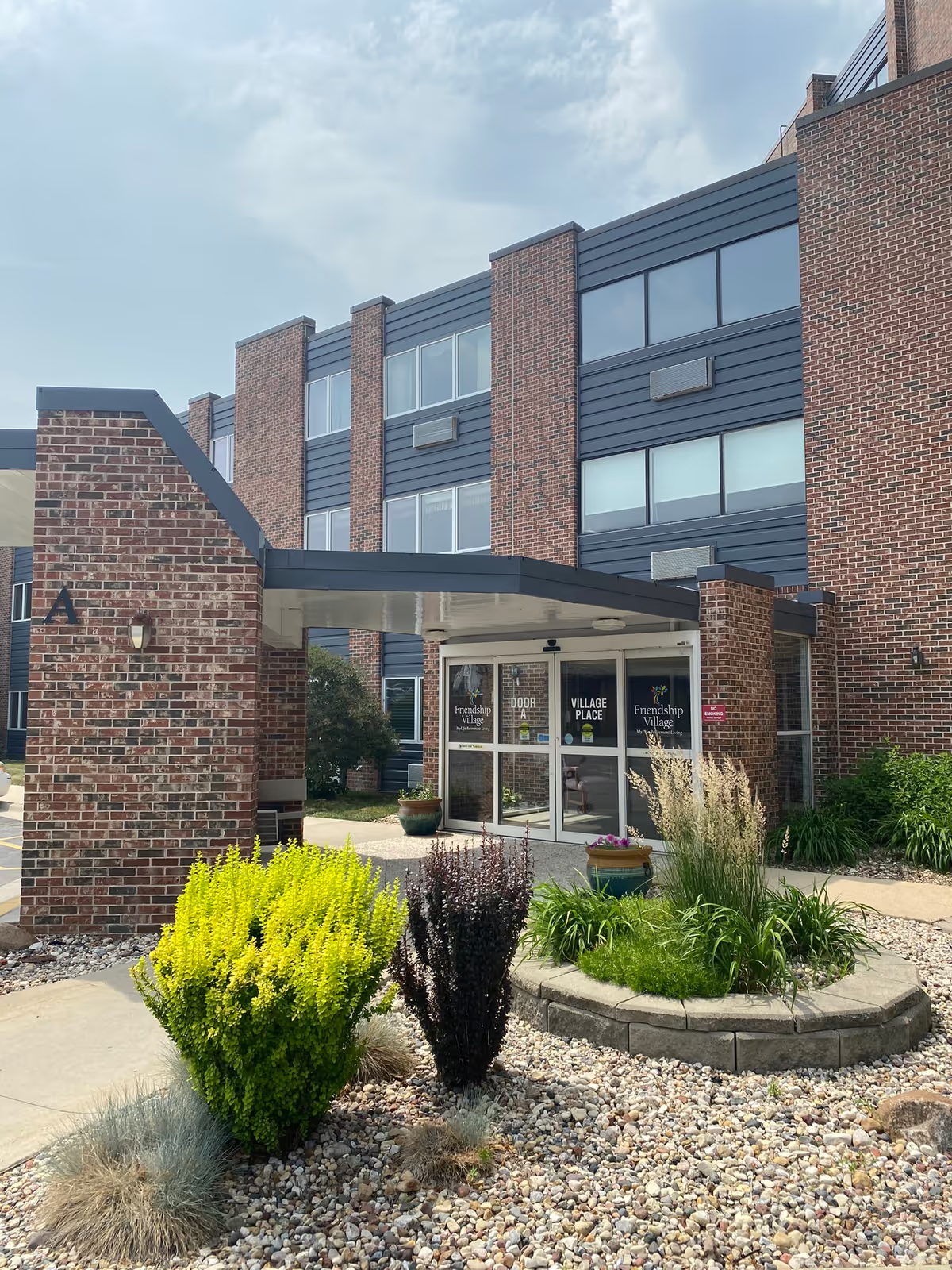
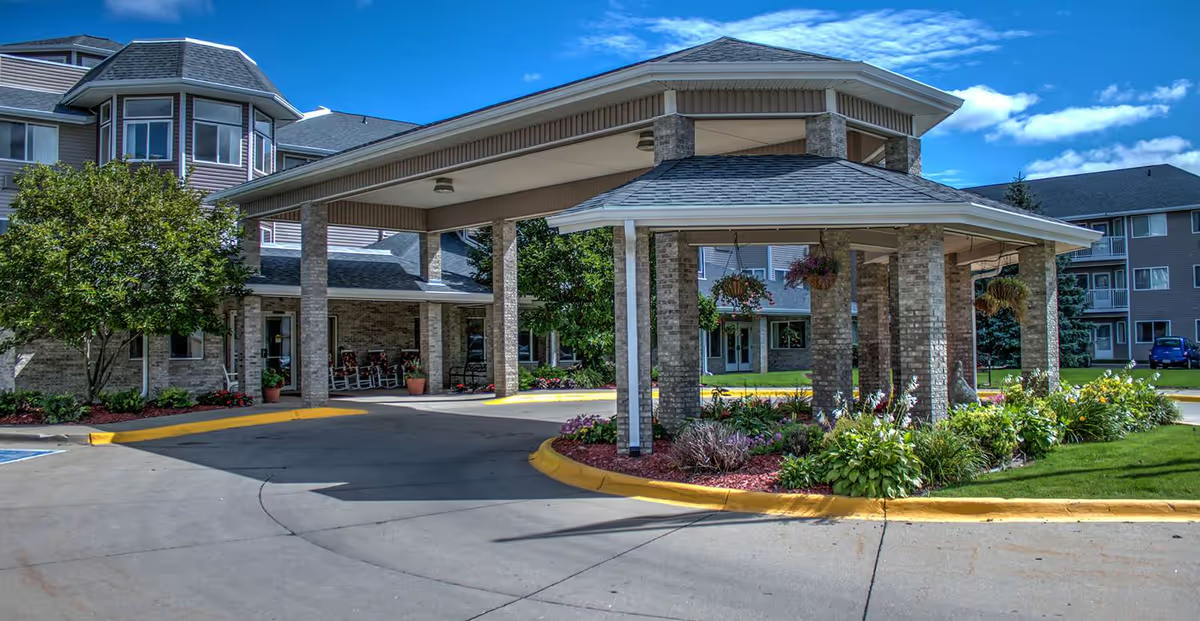
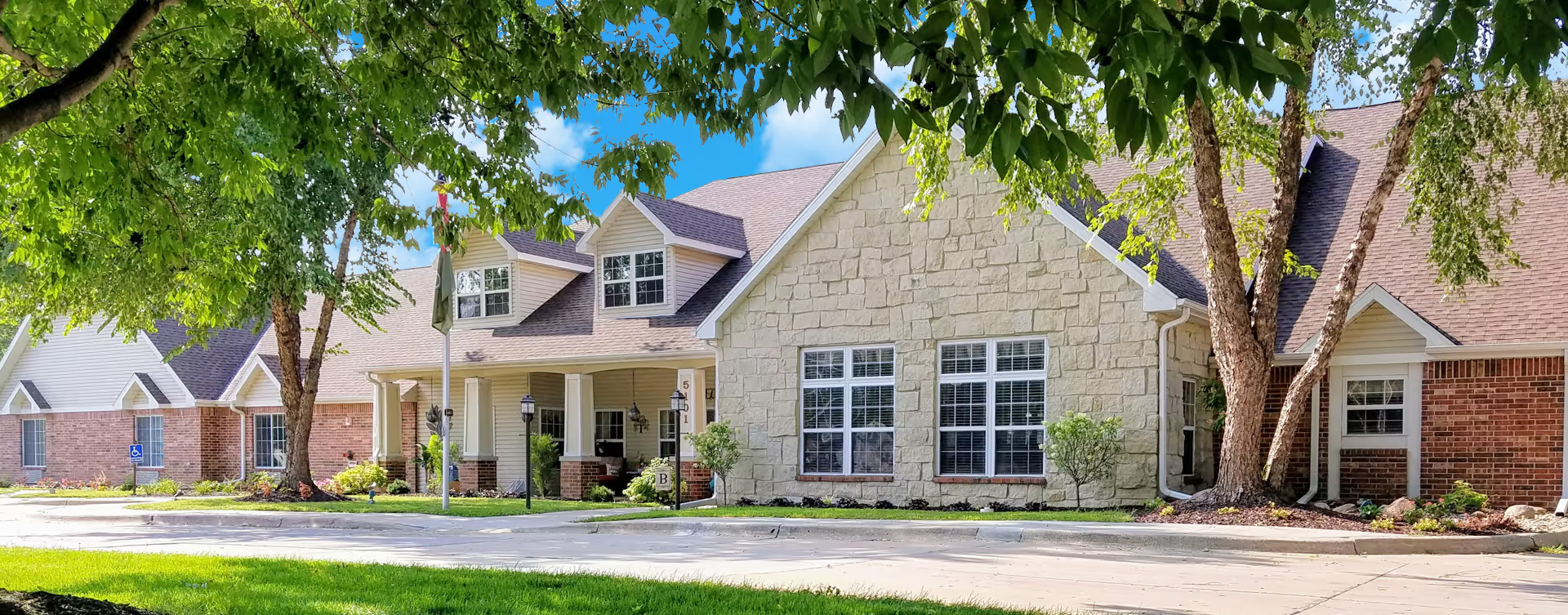
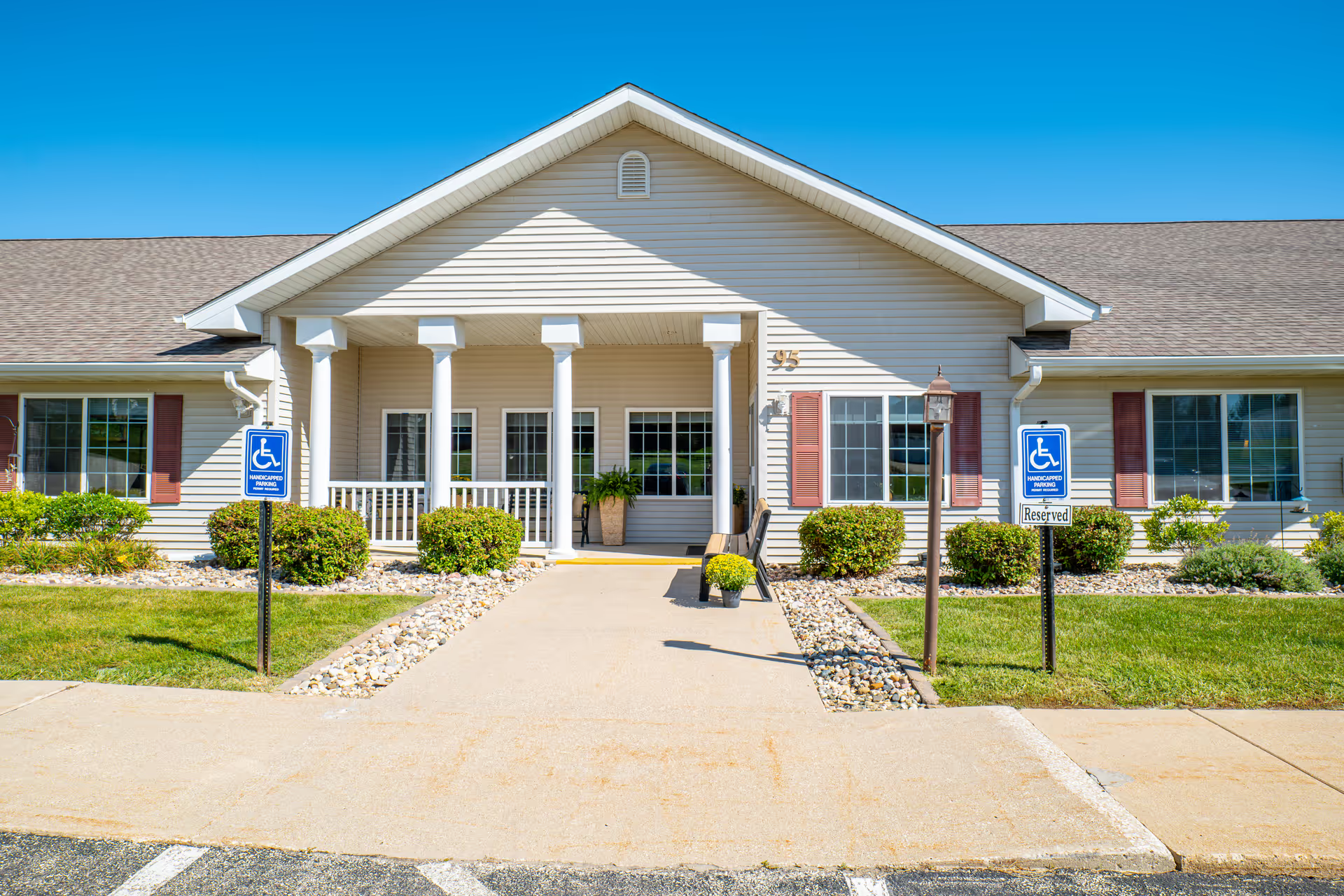
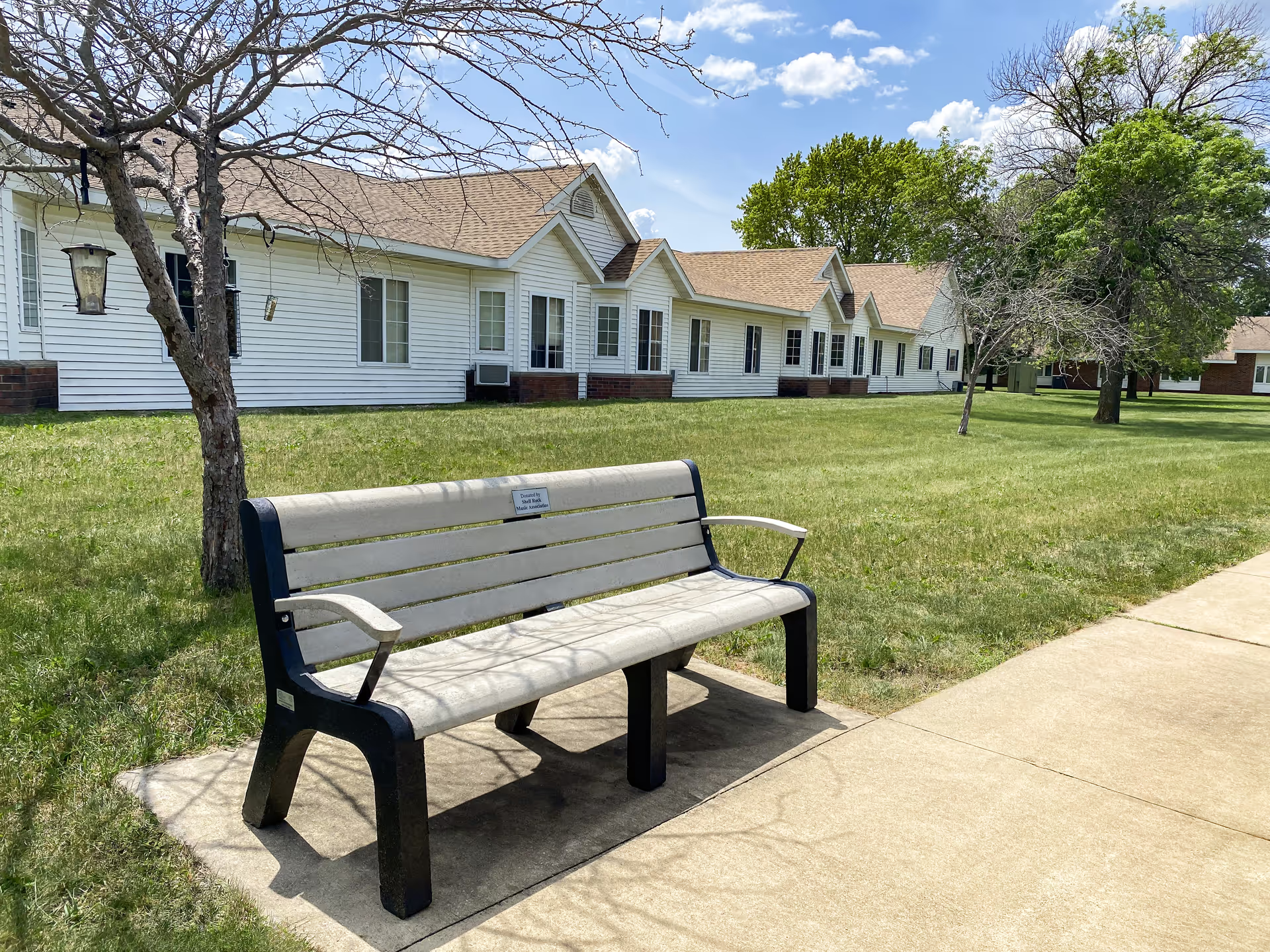
Facilities, cleanliness and infection control: Some reviewers found the facility clean and well maintained with pleasant outdoor views, while others raised sanitation and housekeeping concerns in resident rooms and common areas. There are also mentions of pest-control concerns and perceived gaps in infection-control processes. These contrasting observations suggest variability in environmental maintenance and housekeeping consistency across units or time periods.
Management and communication: Feedback about leadership and responsiveness is mixed. Several families described engaged, communicative management and a respectful, guest-like atmosphere. Conversely, other accounts point to unresponsiveness from leadership, delayed follow-up on clinical concerns, and poor communication with families during incidents. There is at least one serious individual allegation related to end-of-life care that prompted family concern and regulatory attention; this underscores the importance of clear incident response processes and family notification procedures.
Recommendation for prospective families: The facility demonstrates clear strengths in staff compassion, rehabilitation potential, and therapeutic programming, but also shows operational risks related to staffing, training, environmental sanitation, and continuity of services. Prospective residents and families should arrange a tour, ask for current staffing ratios and turnover data, review recent inspection or regulatory findings, verify continuity of required therapies, inquire specifically about tracheostomy and respiratory-care competency if applicable, and ask about housekeeping and pest-control protocols before deciding.