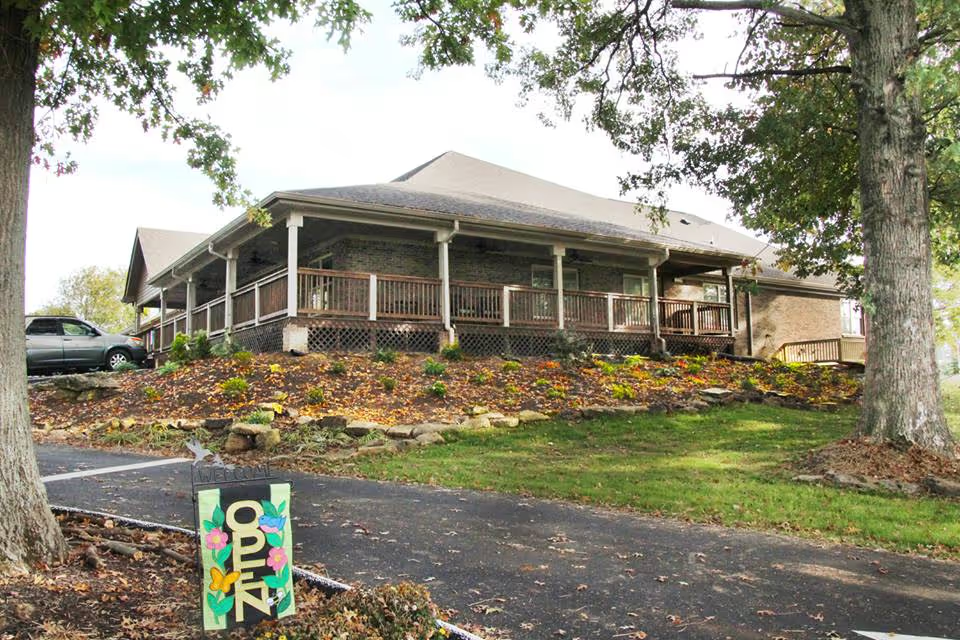
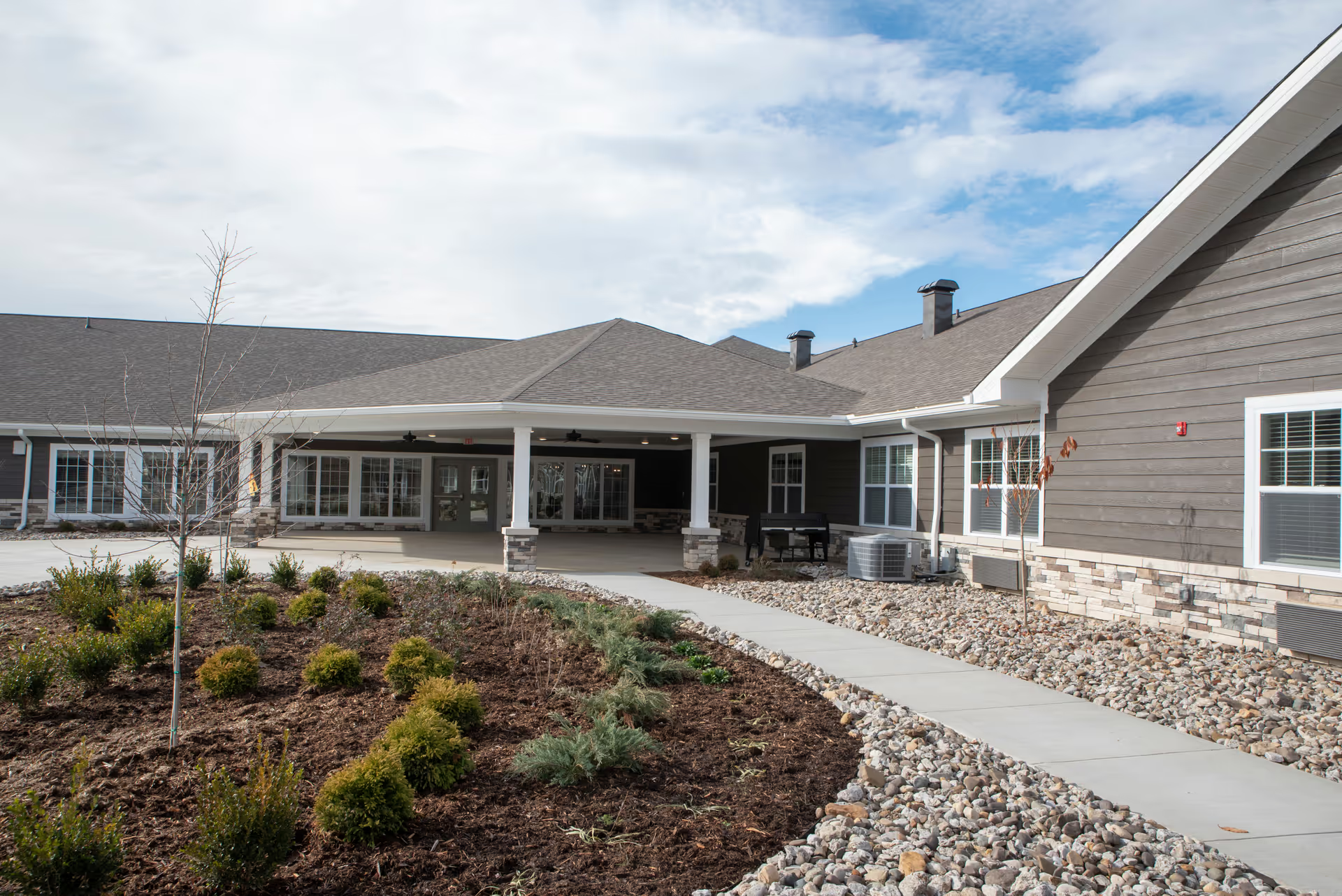
The aggregated reviewer summaries portray a facility-level pattern of operational concerns centered on cleanliness, safety, and basic care processes. Reviewers emphasize persistent sanitation and upkeep issues, combined with localized odor-management and incontinence-care concerns. These perceptions are accompanied by descriptions of small, shared living spaces and general infrastructure decline; together these items create a picture of a facility that may be struggling to maintain routine environmental and building standards.
Care quality and staff-related themes are dominated by process failures rather than clear endorsements of positive practice. Several reviews indicate missed medication deliveries and delays that resulted in days without scheduled medications, which points to weaknesses in medication-administration and supply-chain controls. Related comments describe slow responsiveness to resident needs and concerns about staff conduct or attentiveness; reviewers also reported instances where cleanliness was represented differently than observed, suggesting gaps in frontline supervision or training.
Facility and maintenance issues are a repeated theme. Reviewers describe deteriorating finishes and unsatisfactory housekeeping in resident rooms and bathrooms, alongside cramped accommodations with multiple occupants in very small rooms. Some commentary raises concern about the facility’s ability to meet building- and health-code expectations; there are even references that imply regulatory-level risk, framed here as allegations of regulatory noncompliance. These patterns suggest that prospective families should examine recent inspection reports and maintenance records.
There is little substantive information in the summaries about dining quality, activity programming, or social engagement. Where reviewers provided detail, the emphasis was on deficits in the physical environment and clinical-process issues rather than on cuisine, events, or therapeutic programming. For families evaluating this facility, it would be prudent to request current menus, activity schedules, examples of engagement programming, and feedback from current residents or families.
Management and communication appear to be additional weak points. Reviewers noted a lack of transparency and apparent misrepresentation of conditions, which may reflect inconsistent administrative oversight. Taken together, the most salient patterns are operational: sanitation and odor-control lapses, medication-delivery failures, overcrowded accommodations, declining maintenance, and limited responsiveness from staff. Interested parties should request documentation of staffing levels, medication-administration records, recent regulatory inspection outcomes, and a walk-through of occupied units before making placement decisions.