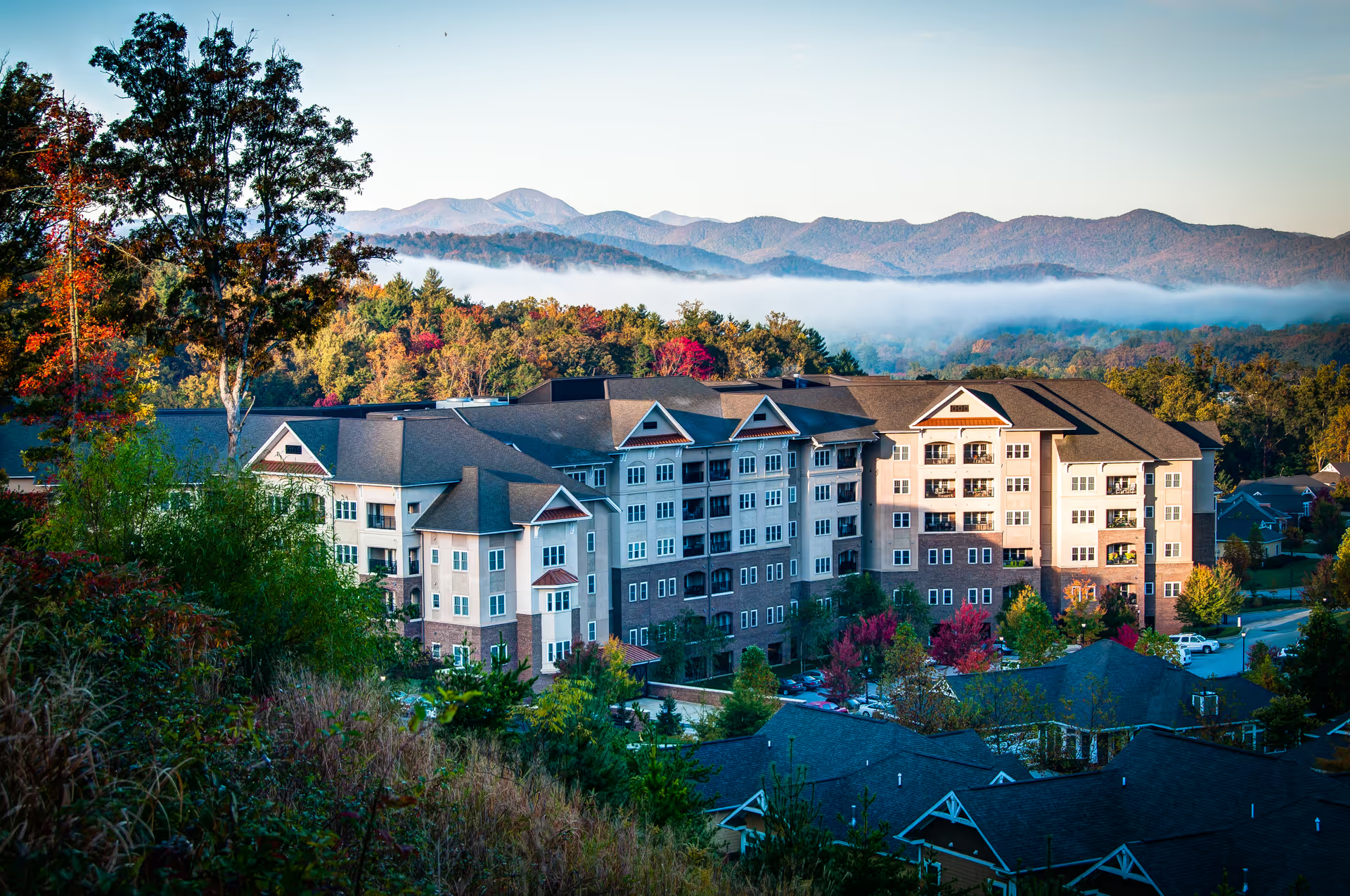
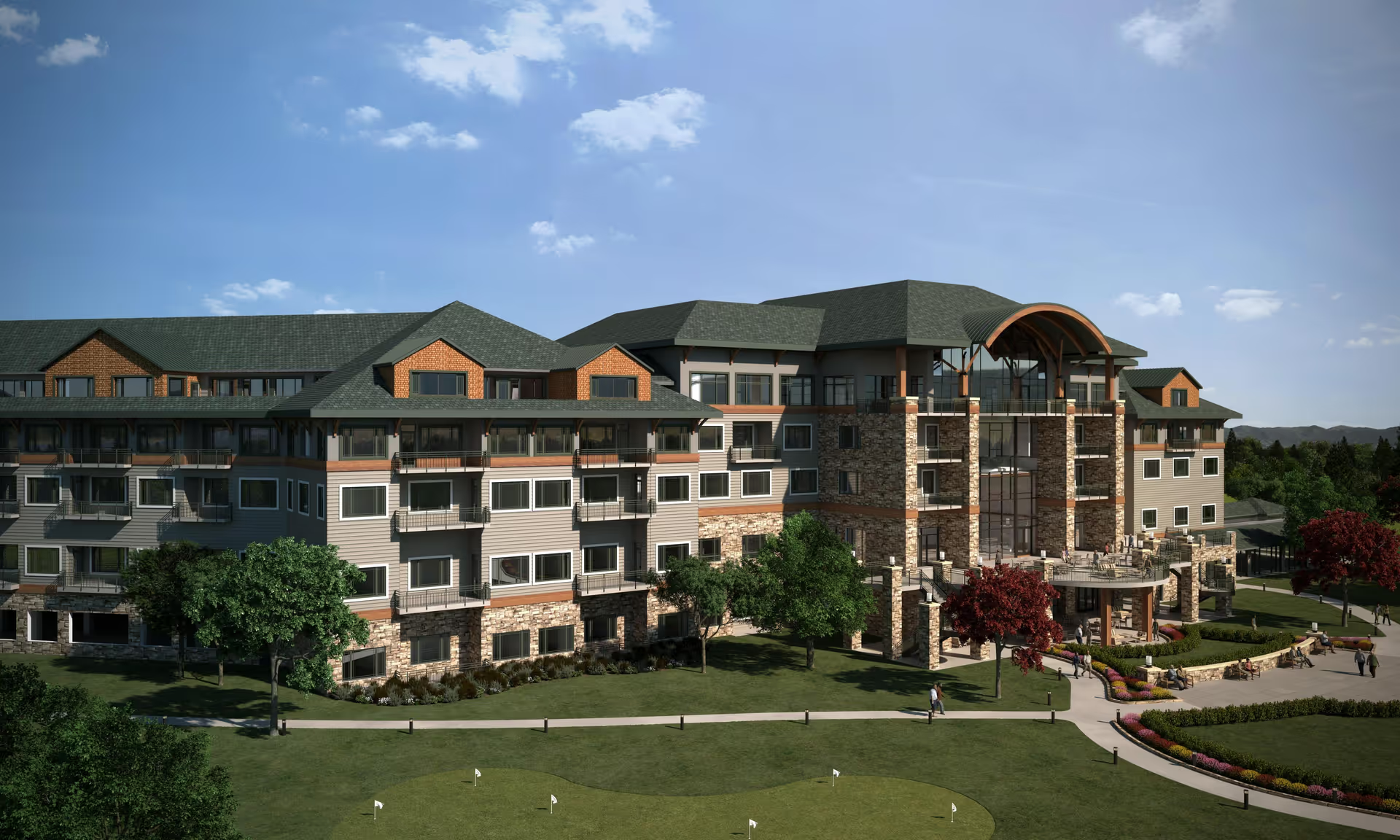
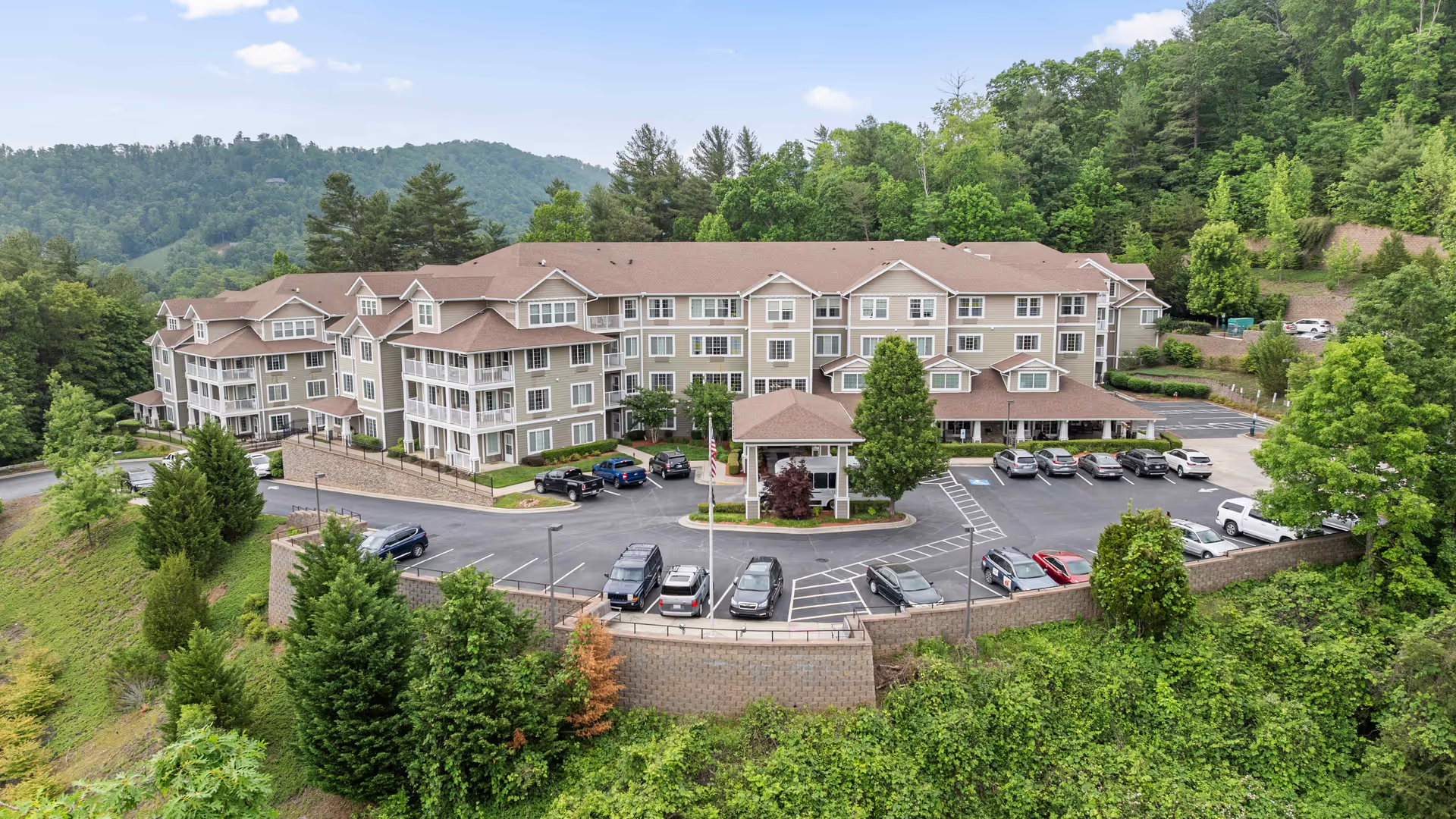
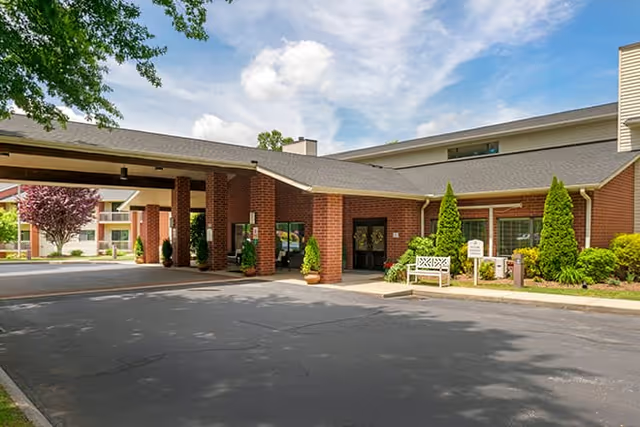
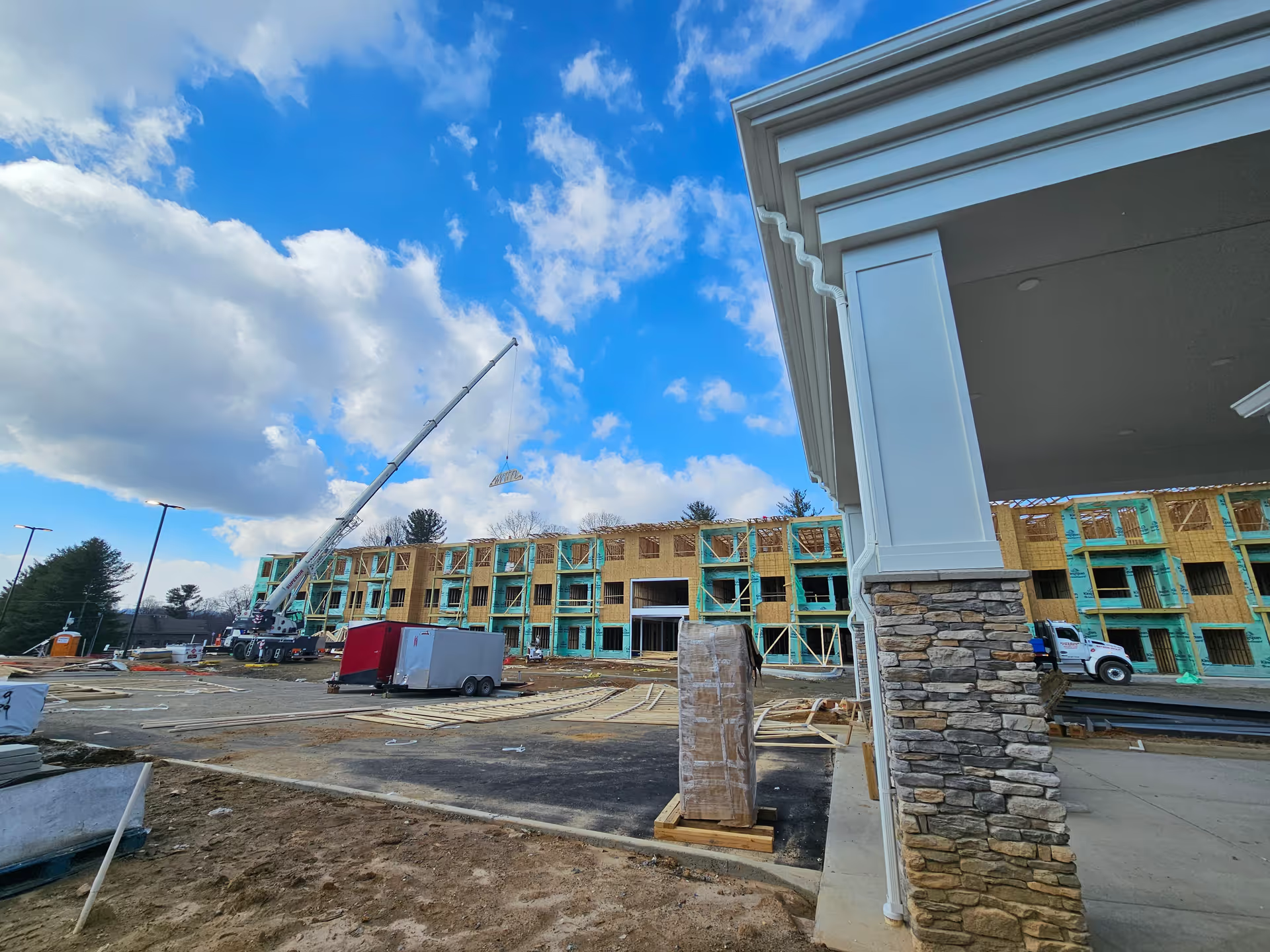
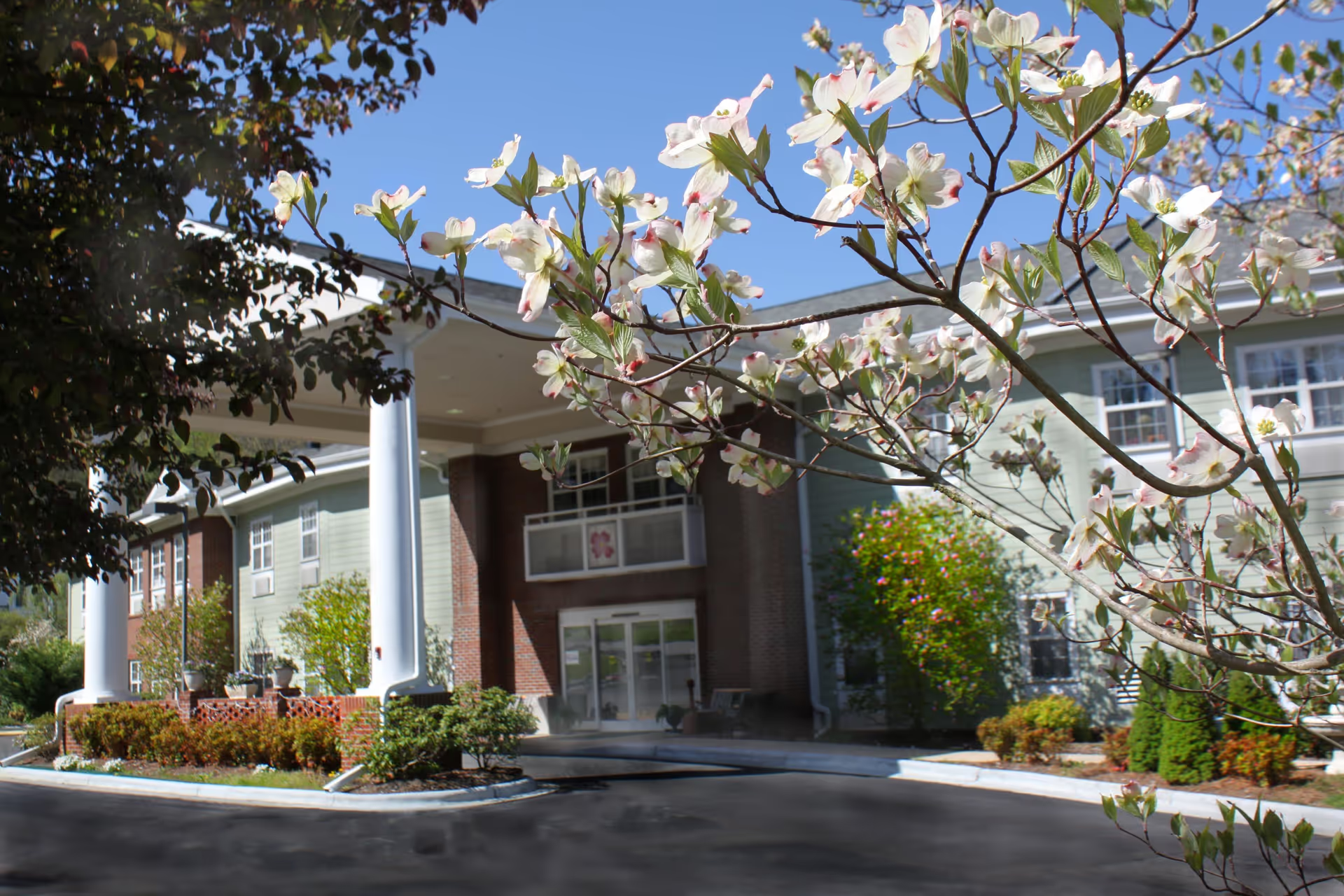
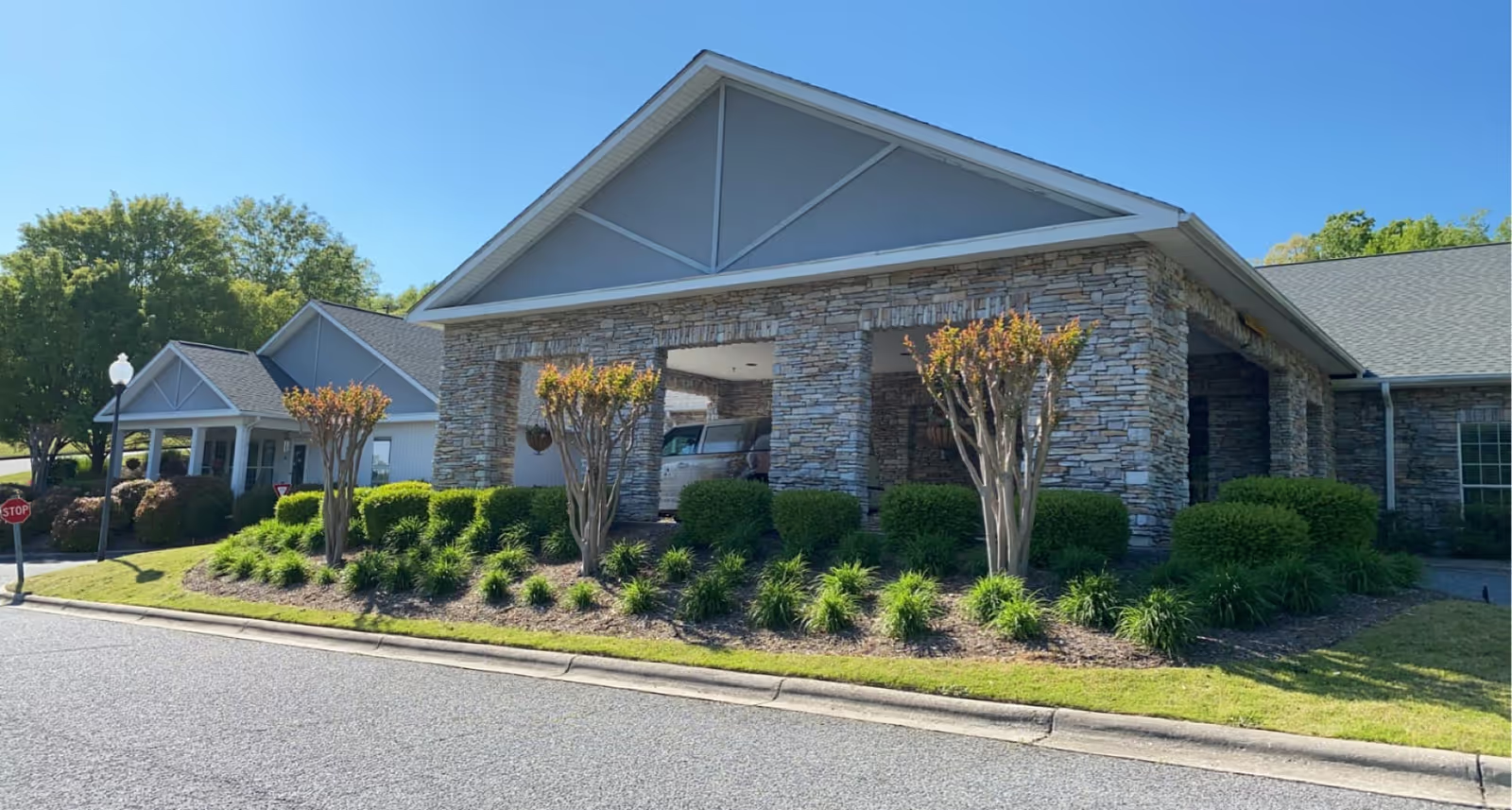
Julian Woods Retirement Community presents as a modern, well-appointed independent-living campus with a strong emphasis on lifestyle amenities and social engagement. The property is newly built and consistently described as clean, attractive, and thoughtfully decorated; common areas include a theater, fitness center, library, craft and game rooms, and a landscaped lobby with water features. Apartments are noted as spacious and well-equipped, often with full kitchens and in-unit laundry, and the community operates on month-to-month leases with no buy-in, utilities and most services folded into rent.
Dining and programming are central strengths. Reviewers commonly praise the scratch kitchen and culinary team, noting three balanced meals daily, abundant portion sizes, varied menus and special offerings (brunches, themed meals, 24-hour snack availability). The activities program is broad and active, with daily events, clubs, exercise-focused offerings, field trips, and social opportunities that many residents identify as key to their sense of community. On-site amenities such as a theater with nightly movies, game and puzzle rooms, and salon services further support an active independent-living lifestyle.
Care and clinical services reflect the facility’s independent-living model. There is in-house therapeutic support and access to higher-level physical therapy, but those clinical services are typically billed in addition to base rent. The community does not position itself as a medical or skilled-nursing provider; prospective residents should plan for limited onsite medical care and clarify which therapy services are included versus fee-based.
Staff performance is a prominent theme with generally positive impressions of friendliness, attentiveness, and resident-focused hospitality. Several staff and management figures receive specific praise for responsiveness and personal attention. At the same time, a recurring pattern in reviews raises operational concerns: staff workloads and shortages, mandatory overtime pressures, and management practices that some perceive as punitive or poorly communicated. These operational issues have the potential to affect service continuity and staff morale, and they merit direct inquiry by prospective residents and families.
Other operational considerations include a restricted transportation schedule, certain program gaps (for example, recycling operations), and the possibility of additional out-of-pocket costs for therapy or specialized services. Location is an asset for many — proximity to parks, shopping, and transit corridors — but may be less convenient for families based in specific nearby towns. Cost perceptions vary: several reviewers view Julian Woods as good value compared with alternatives, while others describe it as expensive depending on included services.
Recommendation: Julian Woods is likely a strong fit for independent-living candidates who prioritize new facilities, robust dining, active programming, and a social campus. Prioritize asking management about staffing ratios and turnover, specifics of what is included in the rent versus fee-based clinical services, transportation schedules, policies on staff–resident interactions, recycling/operational programs, and any lease terms (including 30-day notice requirements). These clarifications will help prospective residents and families align expectations with the community’s operational realities.