Care and clinical oversight: Reviews present a mixed picture of clinical care. Many families praise caregivers who provide personalized attention, 24-hour availability, and a high degree of hands-on support that eases family stress. At the same time, other comments indicate inconsistent nursing competency and concerns about the tone and responsiveness of some clinical staff. These divergent impressions point to variability in operational consistency—for example, differences in skill or responsiveness by shift or unit—rather than a uniform level of clinical performance across the community.
Staff and staffing patterns: Staffing is repeatedly highlighted as both a strength and a weakness. Positive comments emphasize warm, dedicated staff and owners who appear engaged with residents; several families described long-term relationships and caregivers who ‘go above and beyond.’ Conversely, reviewers raised concerns about understaffing at times and instances of negative staff conduct. Prospective families should ask about current staffing ratios, staff turnover, training and supervision protocols, and how the facility handles coverage during busy periods or staff shortages.
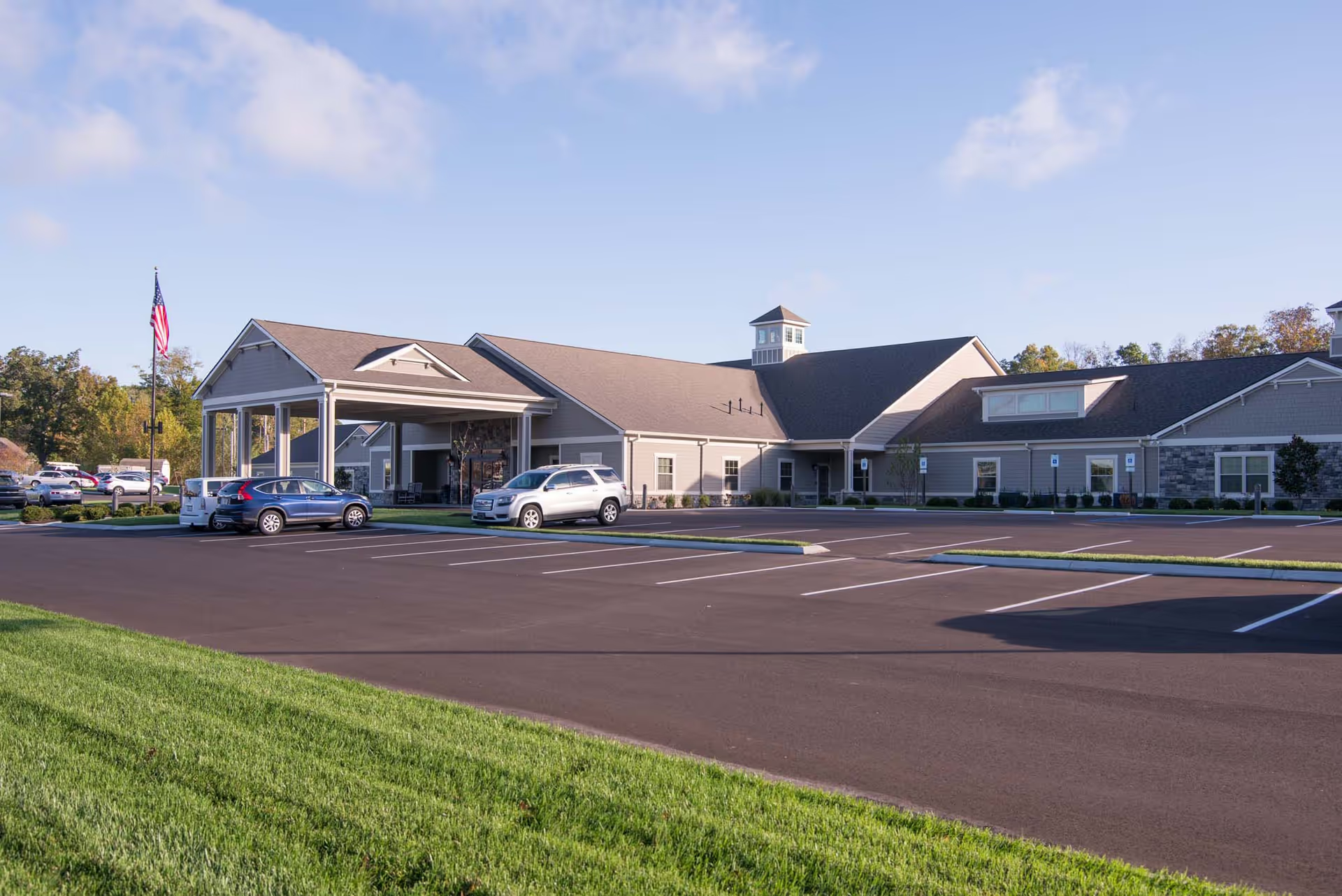
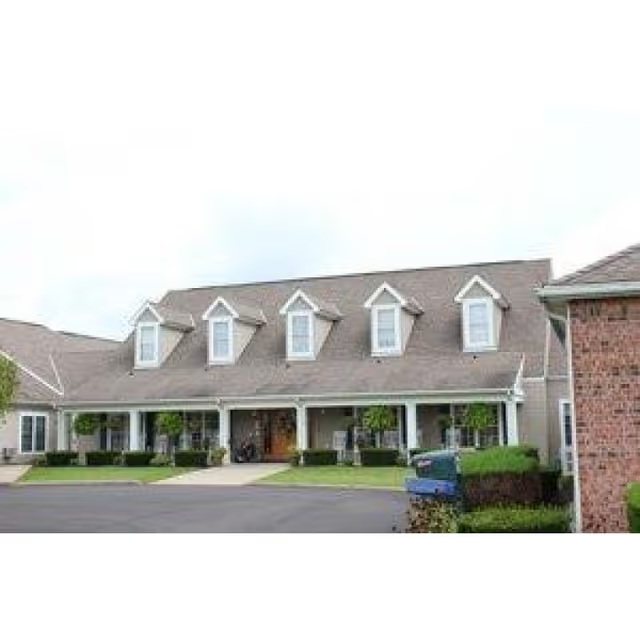
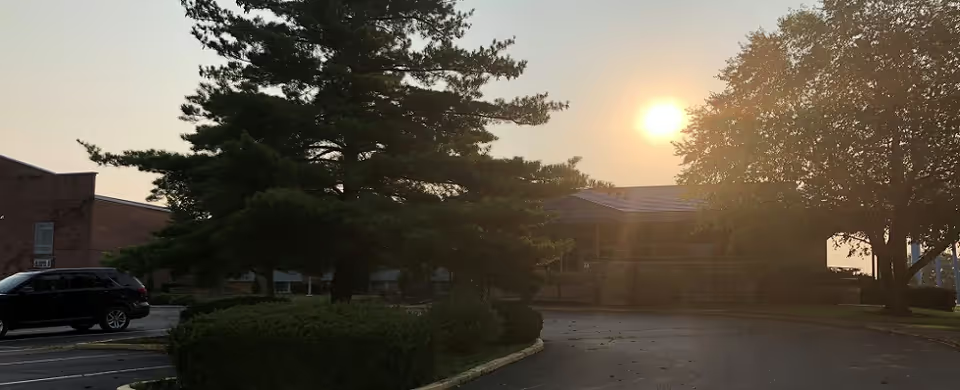
Facilities, sanitation, and accommodations: The physical plant receives consistent praise. The building is described as bright, updated, and well maintained; housekeeping and sanitation are noted as strong areas. Resident rooms are characterized as spacious and well-appointed, and the memory-care unit is specifically called out for positive treatment and environment. Overall these comments suggest the facility invests in its physical environment and cleanliness practices.
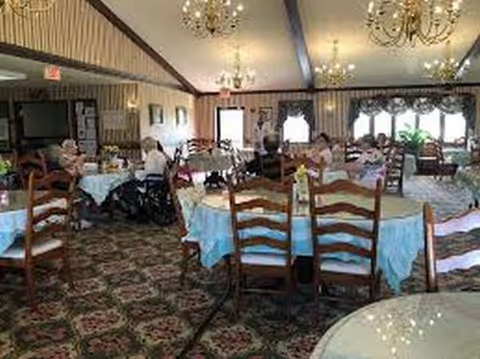
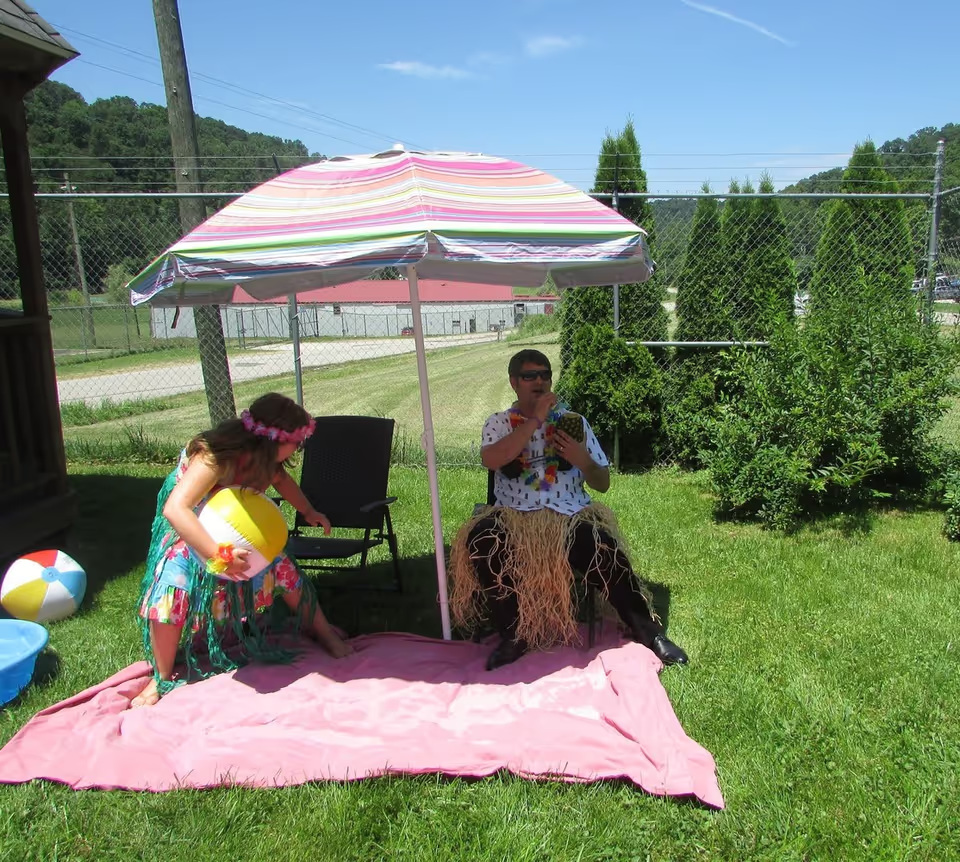
Dining and activities: Review content includes limited direct commentary on dining and formal activity programming. Where social aspects are mentioned, reviewers point to friendship formation and an overall supportive atmosphere, which suggests active opportunities for resident interaction. Because meal service and structured activities were not frequently discussed, visitors should observe mealtime service, request sample menus, and inquire about the activity calendar and participation levels during a tour.
Management and communication: Management is seen in two lights: some reviewers praise dedicated ownership and responsiveness, while others report that administration can be unresponsive to family concerns. This pattern indicates potential variability in complaint resolution and family communication processes. Prospective residents and families should clarify escalation pathways, point-of-contact expectations, and how concerns are documented and followed up.
Notable patterns and guidance for families: The dominant pattern is polarity—strong endorsements of staff dedication, cleanliness, and the memory-care unit coexist with serious concerns about nursing competency, conduct, and staffing consistency. To assess fit, visitors should (1) tour the memory-care and assisted-living units separately, (2) observe staff–resident interactions and mealtimes in person, (3) ask for staffing ratios and training/competency verification, (4) request recent state inspection or survey results, and (5) seek references from current resident families. These steps will help determine whether the community’s strengths align with an individual resident’s needs and whether the operational gaps noted by some families are being addressed.