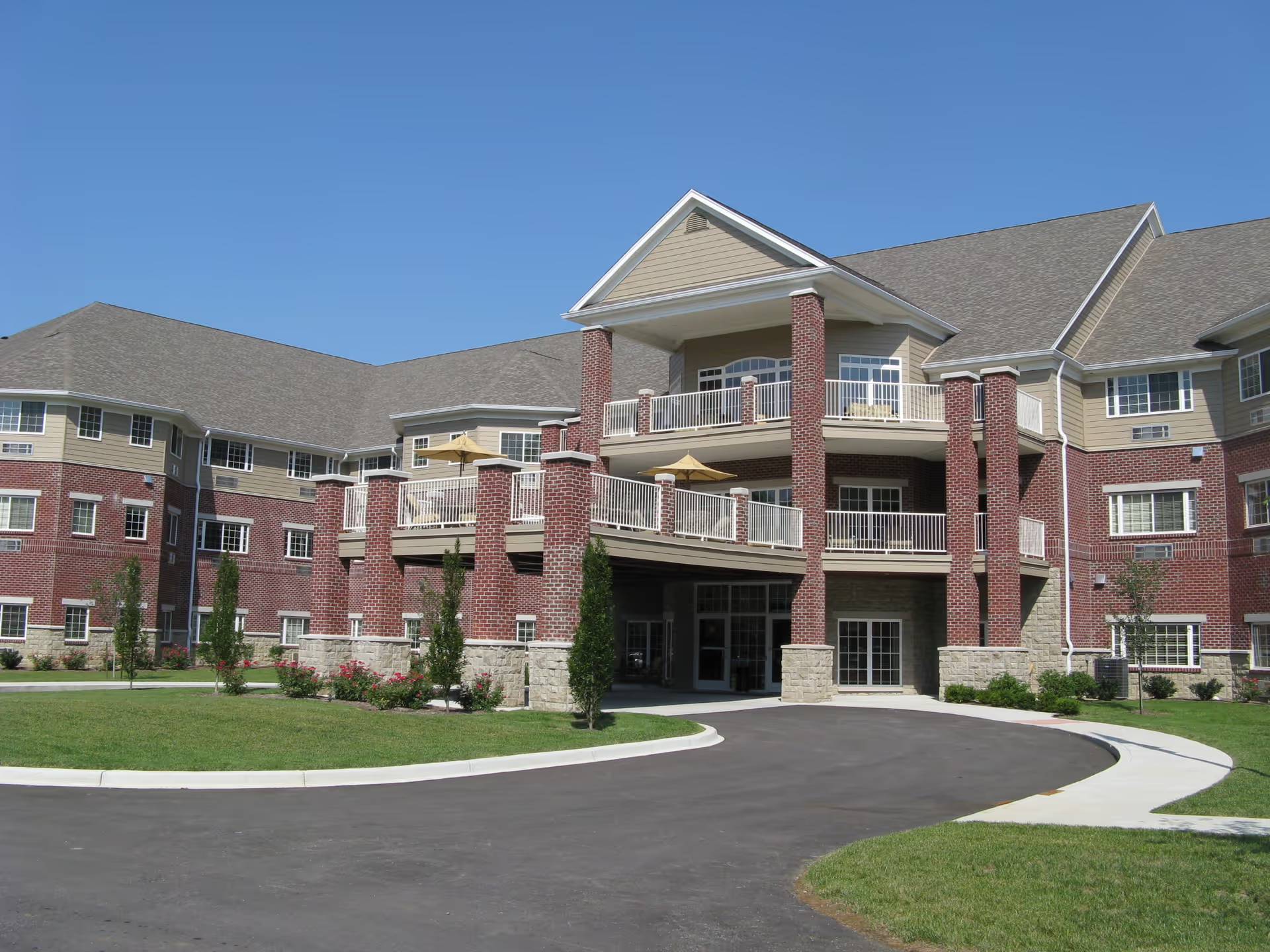
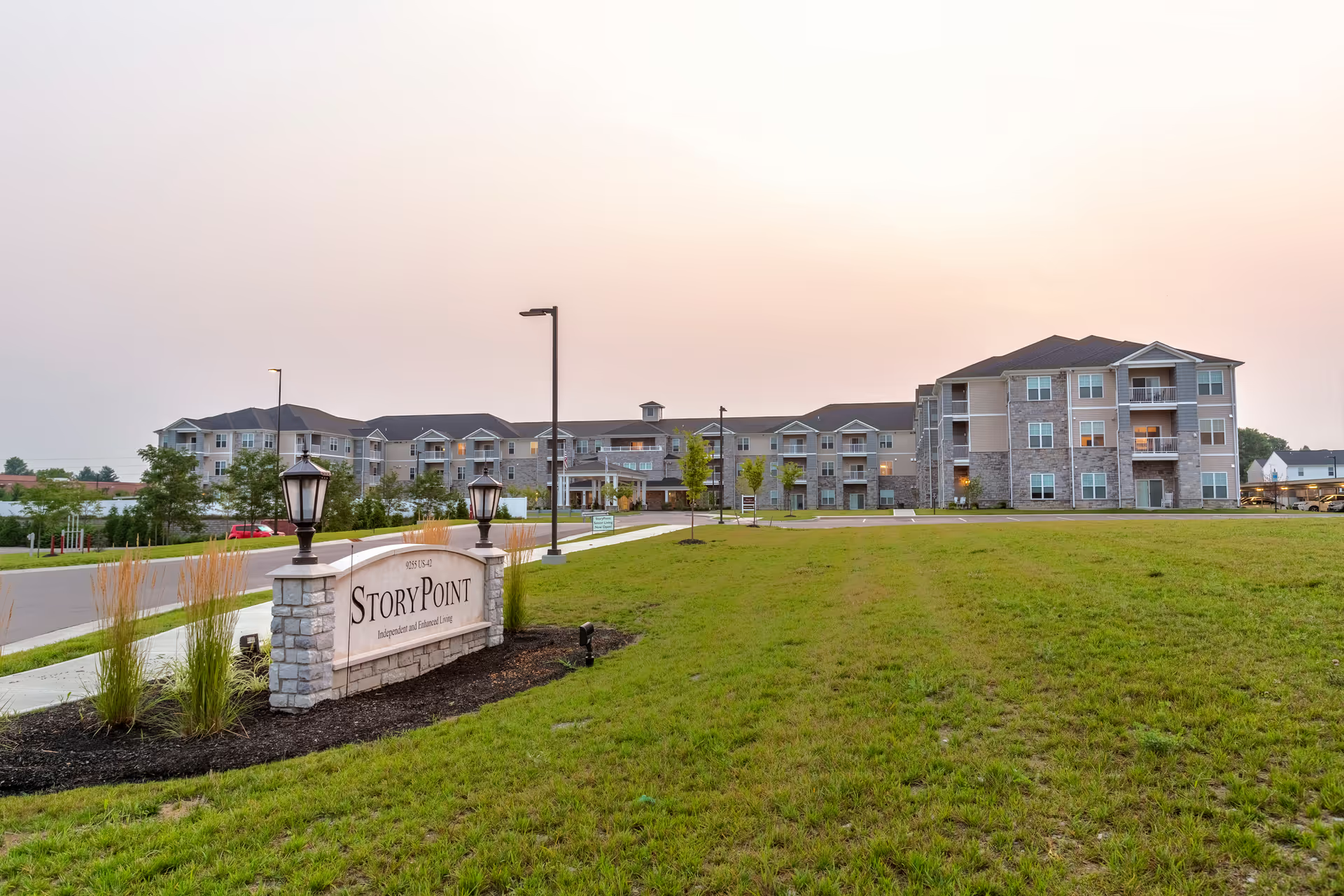
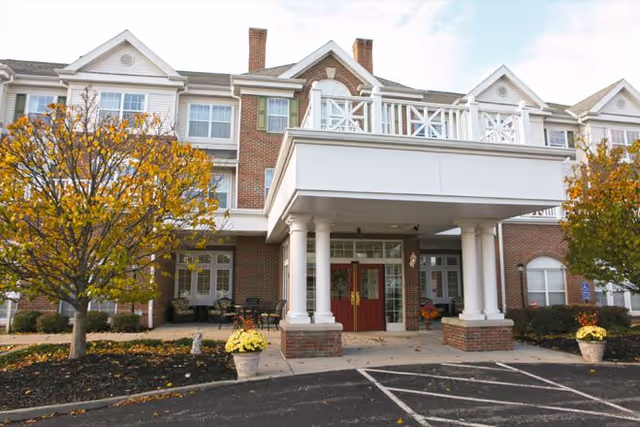
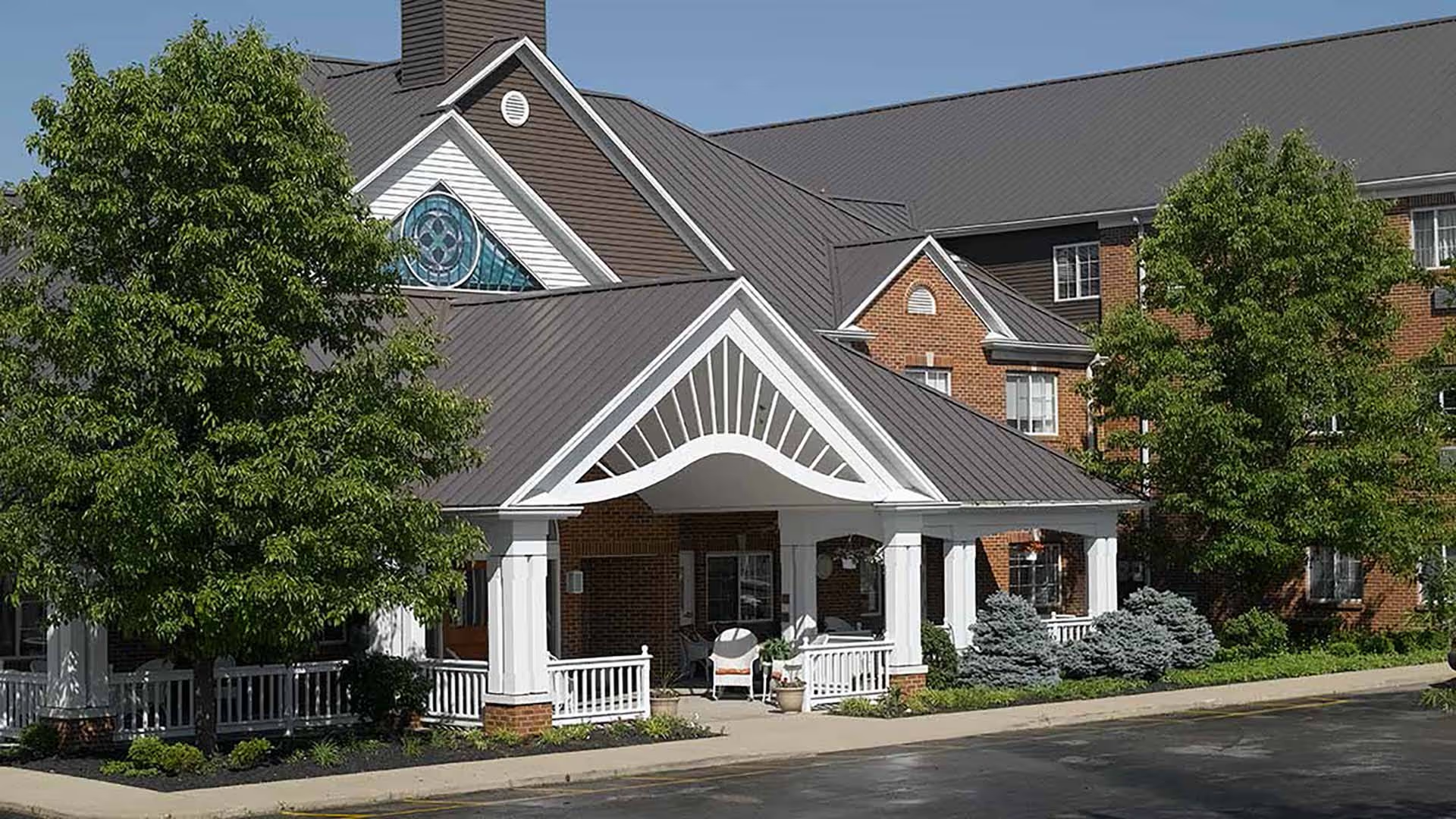
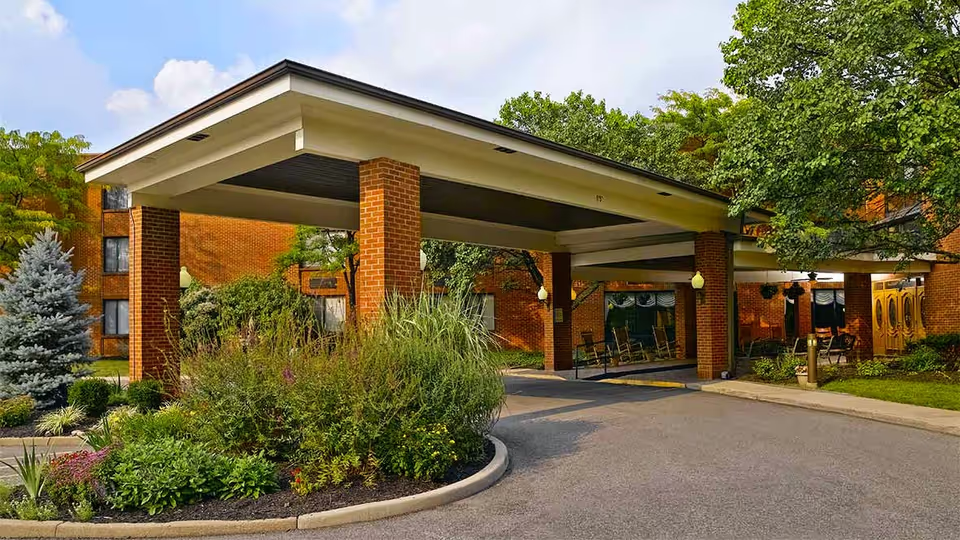
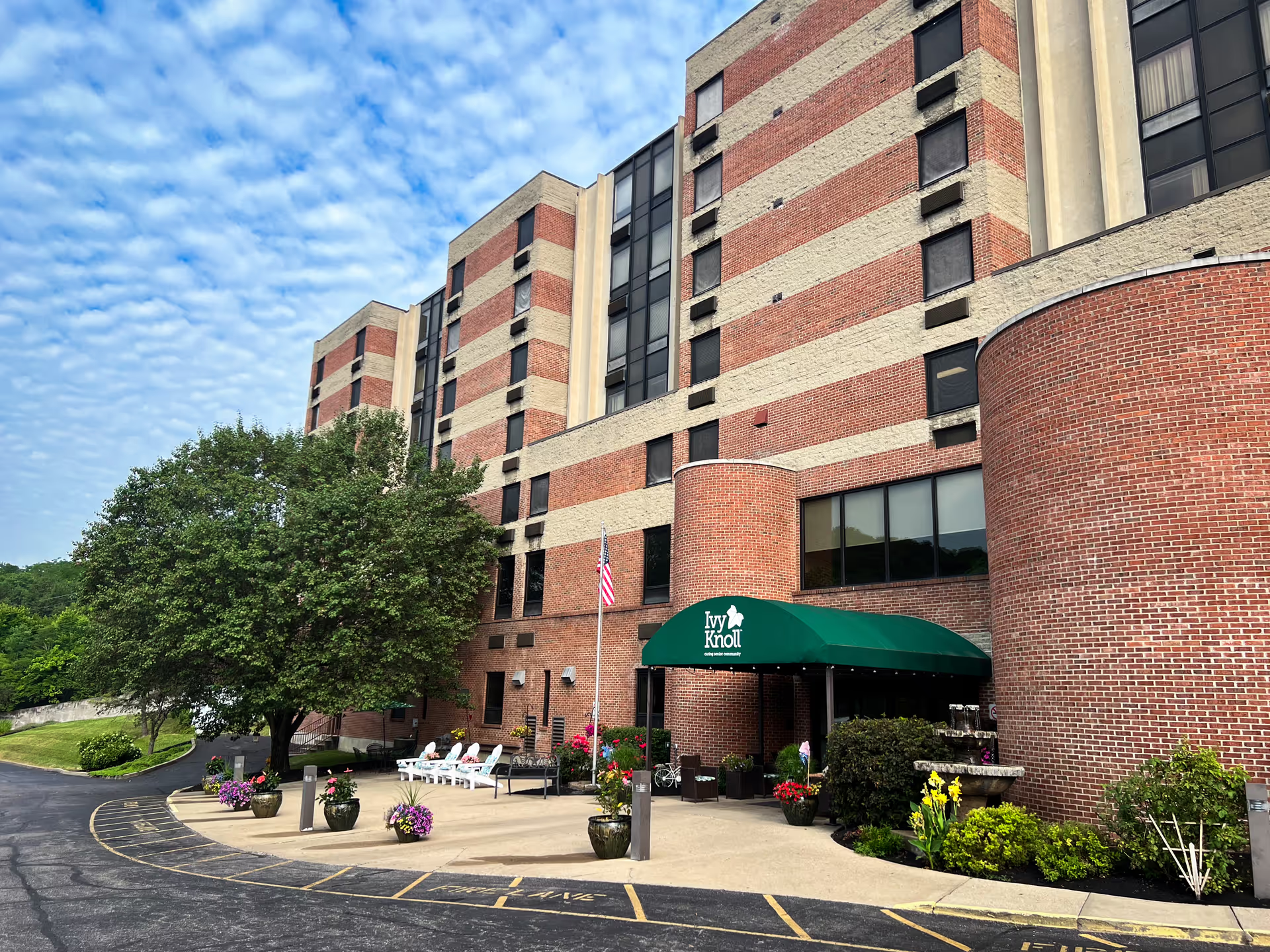
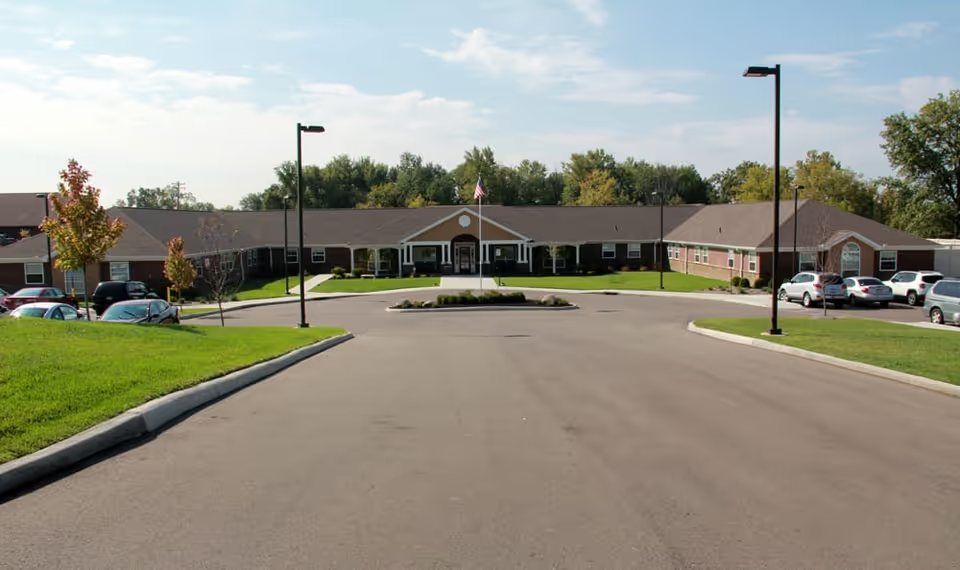
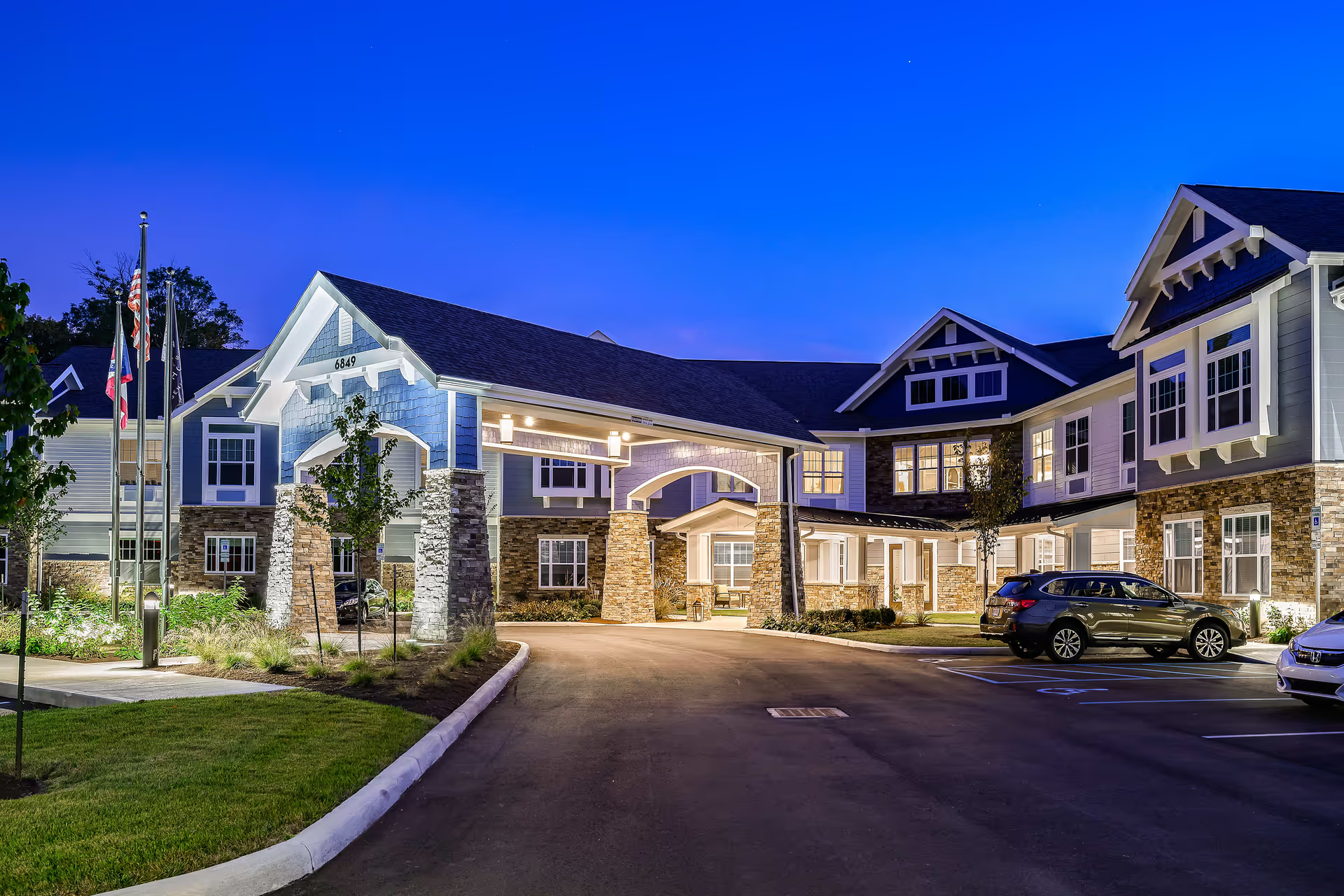
The reviews present a mixed but discernible pattern: many families praise the facility's physical environment, hospitality-oriented design, and an active social program, while others raise operational and clinical concerns that affect higher-dependency residents. The building, rooms, and common areas are repeatedly described as modern, clean, and hotel-like; dining is generally viewed as restaurant-style with menu choices and flexibility for special preferences. Numerous reviewers highlight warm, attentive staff members, smooth move-in experiences, helpful admissions teams, efficient housekeeping, and a strong calendar of activities including exercise classes, outings, worship services, and social programs.
At the same time, a consistent set of operational weaknesses emerges around care delivery and supervision. Several families noted inconsistent personal-care routines (including bathing assistance frequency) and what they experienced as delays in addressing hygiene and toileting needs; these descriptions indicate a facility-level pattern of uneven personal-care scheduling. Related concerns include medication-management vulnerabilities and gaps in following physician orders, which contributed to family distrust in clinical oversight. There are also multiple comments about falls or safety incidents during personal-care tasks, suggesting opportunities to strengthen fall-prevention protocols and supervision during hygiene and transfers.
Staffing and management issues are another recurrent theme. Reviewers describe high staff turnover, occasional understaffing (particularly at night), and uneven training for dementia care; these factors appear to drive many of the communication and responsiveness problems families experienced. While many staff are characterized as compassionate and team-oriented, others were described as less engaged, and several families felt they needed to act as advocates to achieve consistent care. A few serious individual incidents—such as an alleged unauthorized resident movement and concerns that led to hospitalization—contributed to perceptions of inconsistent risk management and incident reporting. Management responsiveness varies in accounts: some families reported prompt resolution of issues, while others experienced broken promises or departures in leadership shortly after complaints.
Operational and policy-level items also recur: constrained pharmacy arrangements, questions about pricing and upsell practices, and occasional inconsistencies between initial assessments and the day-to-day level of assistance actually provided. These issues affect families’ perceptions of transparency and value, and several reviewers concluded the community is better suited to independent or lower-dependency assisted-living residents than to those requiring frequent, hands-on clinical support.
In summary, prospective residents and families will likely find much to like about the facility’s physical environment, social programming, and many caring staff members. Those considering placement for a person with higher care needs—complex medical orders, frequent personal-care assistance, or advanced dementia—should assess clinical capability and supervision closely: ask for current staffing ratios (including night coverage), written bathing and toileting schedules, detailed medication-administration procedures, pharmacy policies, fall-prevention protocols, and examples of how management documents and communicates incidents to families. Visiting at different times of day and speaking with current families in similar care tiers can help determine whether the facility’s operational practices align with the incoming resident’s needs.