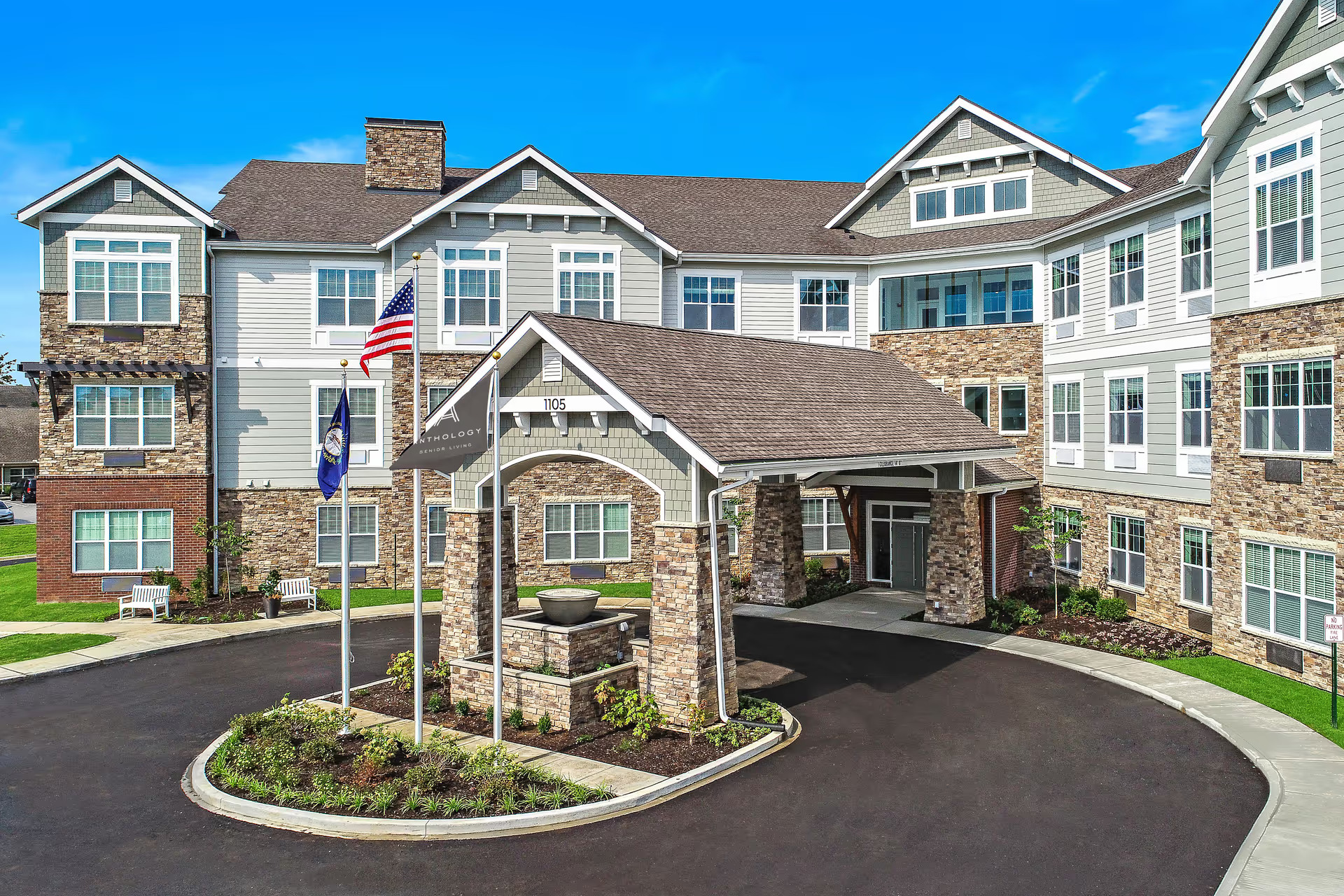
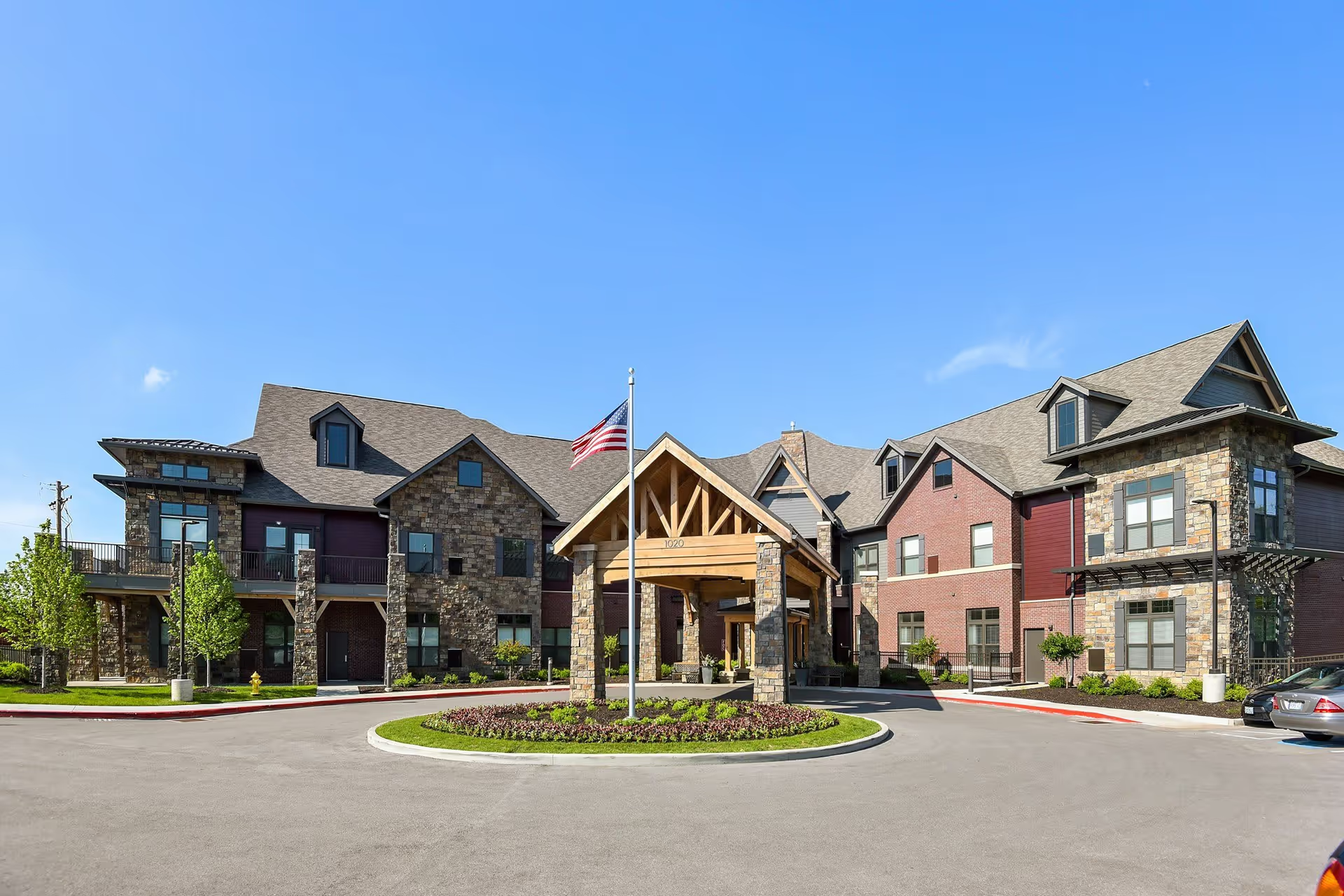
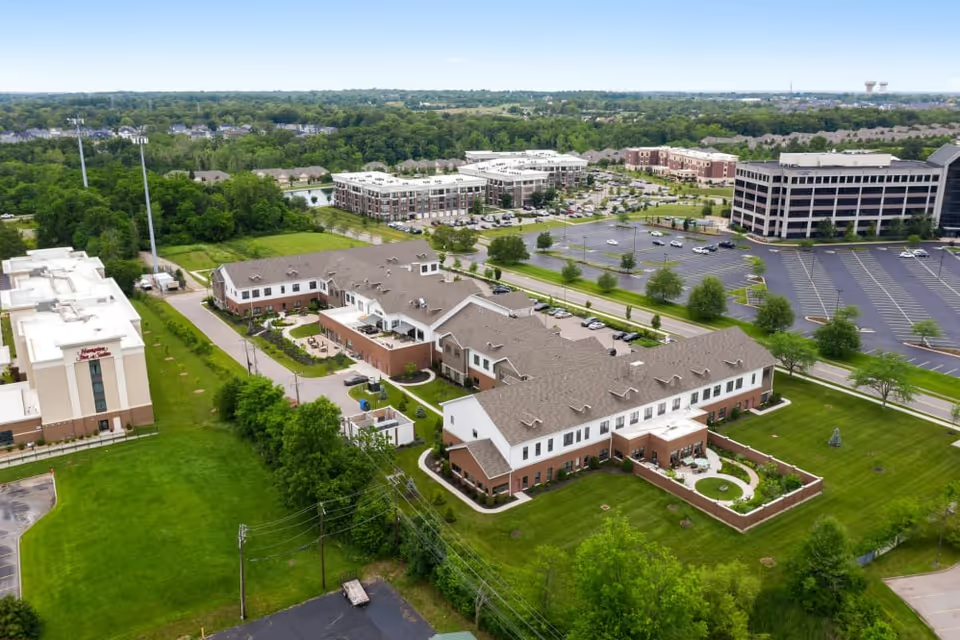
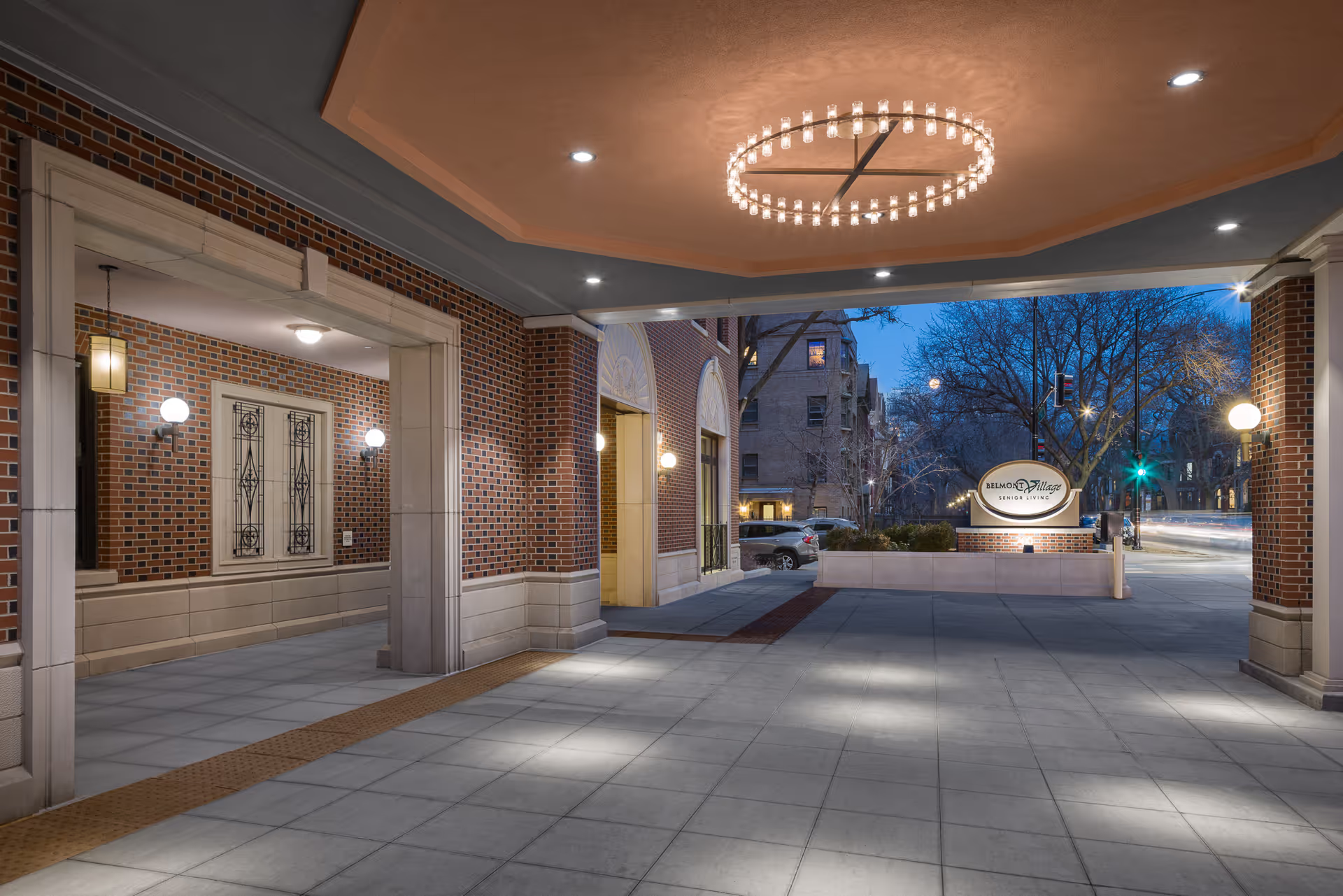
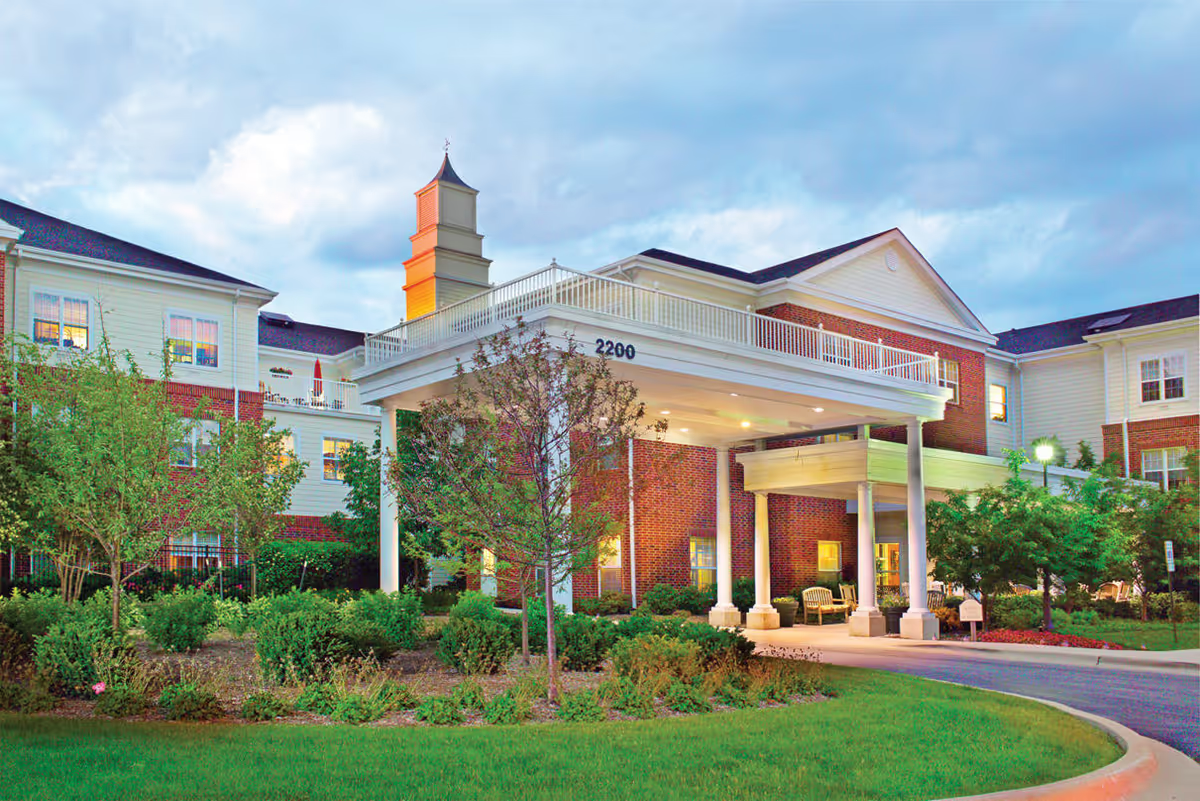
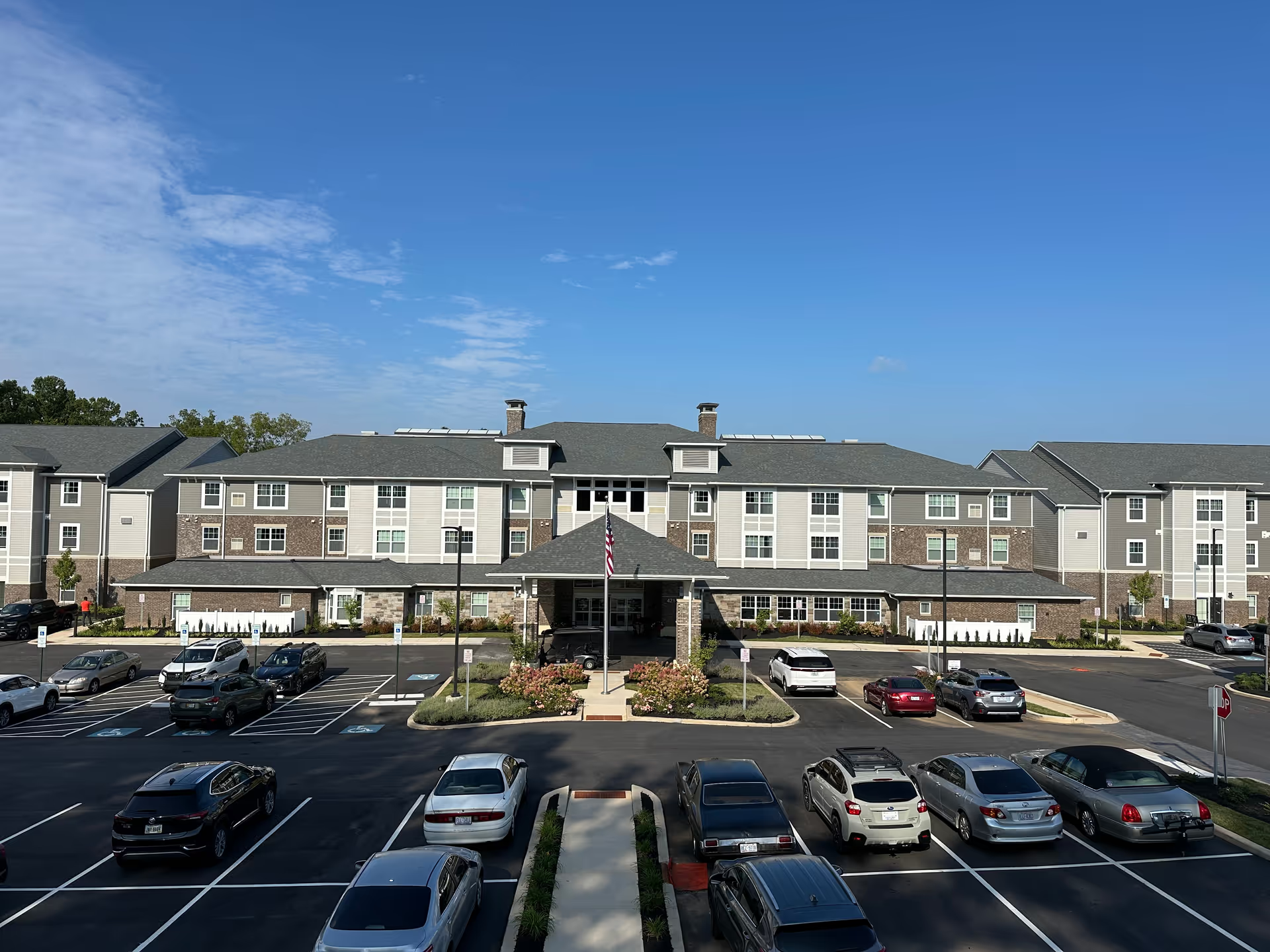
Overall impression: Reviews for Redbanks are strongly polarized, with many family members and residents praising the facility's hospitality, amenities, and caring staff, while a portion of reviews raise serious concerns about inconsistent care, safety, and management. Multiple summaries highlight a clean, home-like environment with good landscaping, large rooms, sitting areas on each floor, and appealing amenities such as a hair salon, dining hall, movie theatre, bingo hall, and a dance room. The facility offers a range of care options (short-term rehab, long-term care, Alzheimer’s/secure unit) and many reviewers specifically commend the therapy and rehab teams, citing effective physical therapy and strong recovery outcomes.
Staff and care quality: A common positive theme is that many nurses, CNAs, and support staff are caring, attentive, and know residents by name—creating a family-like atmosphere. Several reviewers explicitly state staff went "above and beyond," were well-trained, and provided kindness and compassion. However, there is a notable and recurrent counter-theme: other reviewers describe inexperienced staff, infighting, and staff who are inattentive or unwilling to help with daily activities (for example, not assisting residents with meals or labeling residents as self-feeders). These opposing reports point to inconsistency between shifts or units; some areas (notably the dementia unit and certain rehab/therapy teams) are singled out as excellent, while other parts of the facility are reported as understaffed or poorly led.
Facilities, maintenance, and accessibility: Many reviewers praise quick and professional maintenance, large rooms with views, clean common spaces, and pretty grounds—though some ask for more flowers and plants. The list of amenities is a strong selling point: on-site salon, activities room, multiple entertainment options, and sitting areas promote social engagement and independence. At the same time, reviewers report practical and safety-related problems: door buttons that do not work, broken windows, handicap accessibility issues, and reports of unsafe bathrooms or lack of tubs/showers. These accessibility and safety issues, when present, are important because they directly affect resident mobility and dignity.
Dining, activities, and therapy: Dining and activities receive mostly positive feedback—several reviewers mention healthy meals, lots of activities, and a schedule that keeps residents engaged. The therapy staff and rehab services are frequently praised for quality care and good outcomes. The variety of recreational options (movies, bingo, dancing) and on-site services support social connection and a stimulating environment for many residents.
Safety, medical care, and management concerns: The most serious and recurring negative themes are related to medical oversight, neglect, and safety. Some reviewers report delayed recognition of medical issues (for example, urinary tract infection symptoms that were ignored until hospitalization), instances of bedsores, withheld meals, staff yelling, and physical injuries. There are also reports of frequent emergency vehicle activity, which raises concerns about resident safety and incident rates. Several reviewers describe a lack of transparency (no phones in rehab) and perceptions that the facility can be money-driven rather than care-driven. Issues specific to specialized care (dialysis workload/ignorance) are also mentioned.
Patterns and recommendations: The overall pattern is one of mixed but strongly polarized experiences—many find Redbanks warm, active, and well-run in certain units or shifts, while others have experienced serious lapses in care and safety in other parts. Key recommendations for prospective families: (1) Tour multiple units and observe different shifts if possible; (2) Ask about staffing ratios, staff turnover, and who covers specialized needs like dialysis; (3) Inspect accessibility features, bathroom safety, and emergency response procedures; and (4) Request examples of how the facility handles medical escalation, transparency (phones/communication in rehab), and prevention of neglect (skin checks, mealtime assistance protocols).
Conclusion: Redbanks clearly offers strong amenities, a range of care options, active programming, and many compassionate staff members who provide excellent, individualized care. At the same time, recurring reports of inconsistent staffing, safety lapses, medical delays, and occasional neglect are serious and warrant careful inquiry. Families should weigh the positive reports of therapy, activities, and supportive staff against the negative accounts of variability in care and safety, and should perform a targeted, unit-specific evaluation before committing to placement.