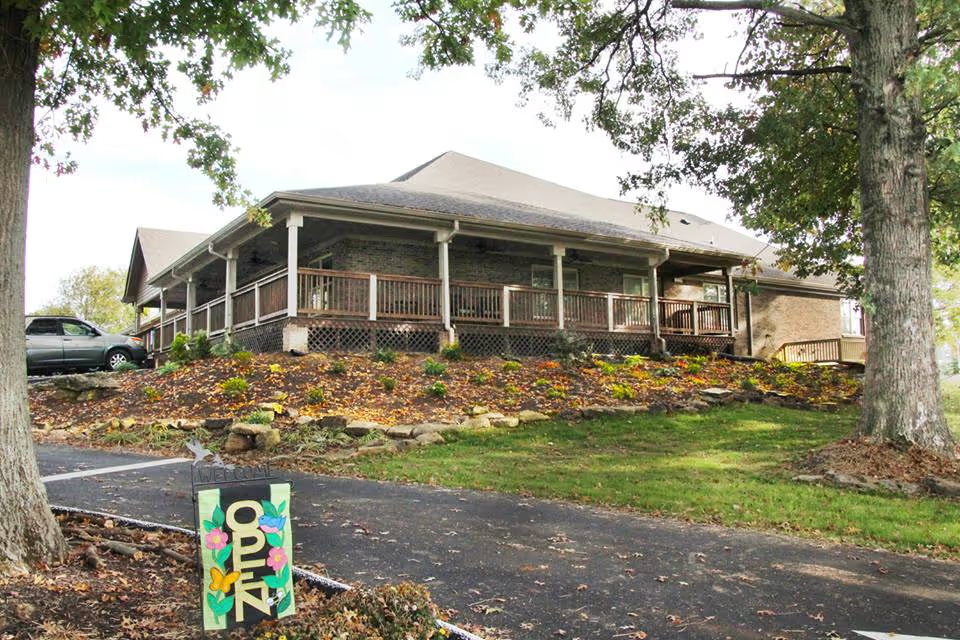
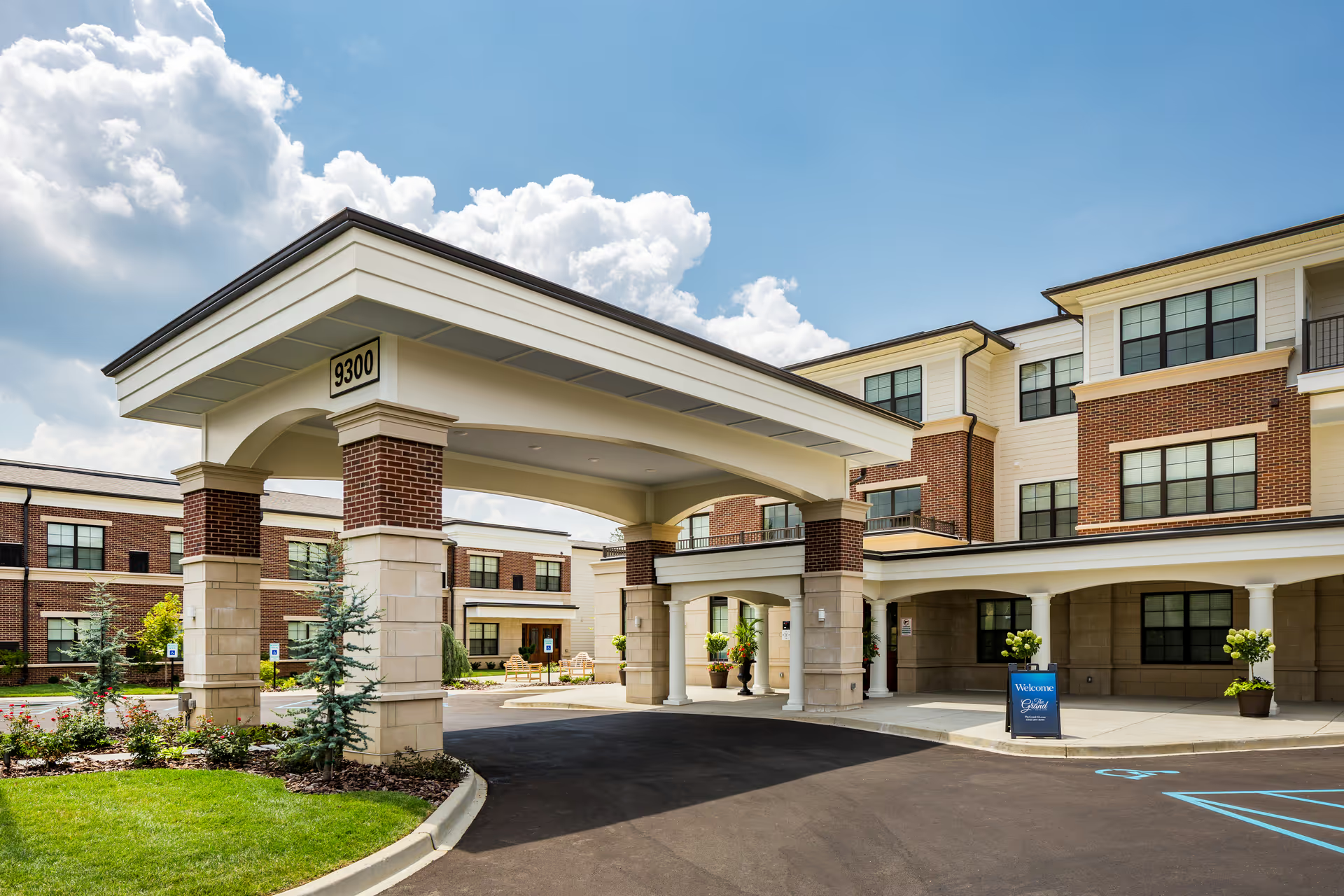
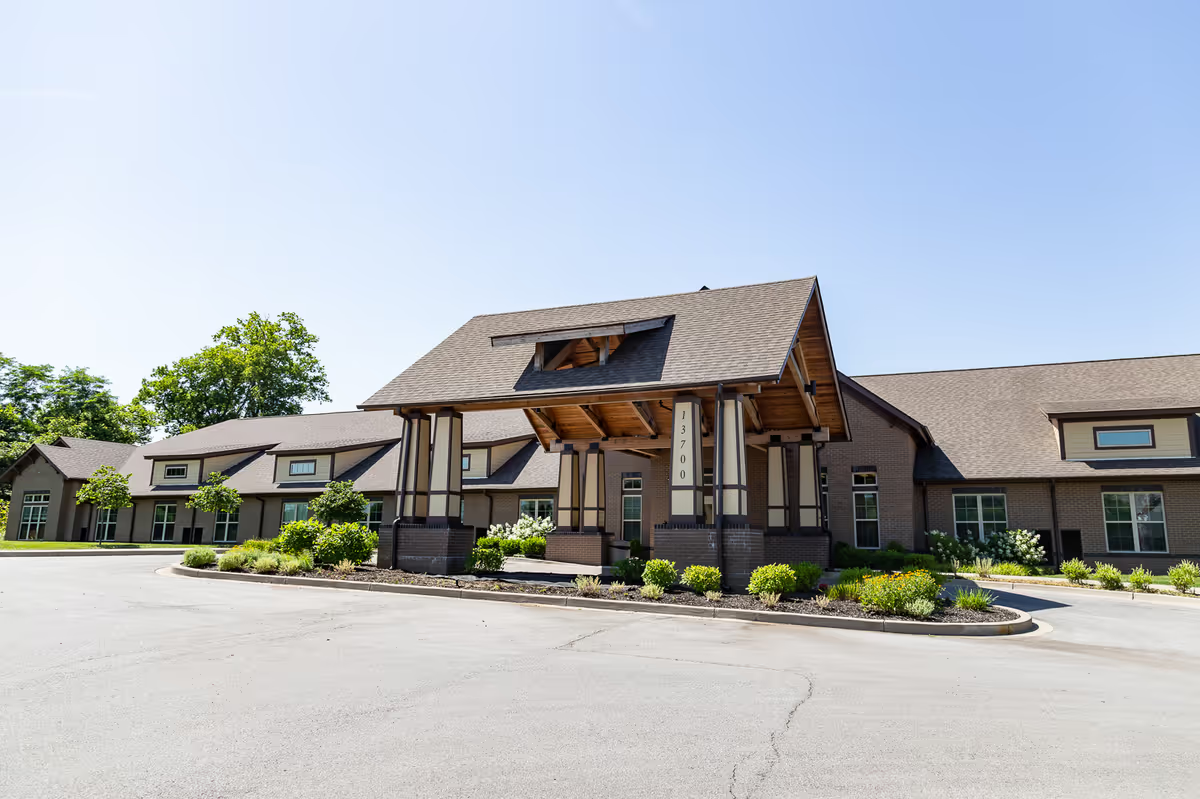
The Springs at Oldham Reserve presents as a modern, well-appointed senior living community with many of the physical attributes families seek: a recently constructed, hotel-like building, attractive grounds, multiple courtyards, on-site amenities (salon, exercise room, private dining) and a new community vehicle. Many accounts praise the cleanliness and fresh atmosphere of the facility and point to an engaging activities calendar that includes exercise classes, brunches and special events that residents and families enjoy.
Clinical and rehabilitative services are a clear strength for many residents: therapy teams (PT/OT) and rehab services receive consistent positive feedback for effectiveness and measurable progress. Several reviewers praised attentive nursing and medical oversight in conjunction with helpful, proactive admissions coordination and insurance assistance, which eased transitions into the community.
Dining experiences are mixed. Some families and residents describe enjoyable meals and attentive service, while other accounts indicate limited menu variety, occasional missed trays, and difficulties accommodating special diets and allergies. Reviewers also mention supply-chain or inventory interruptions that affected meal-service continuity and ancillary provisions (for example, beverage availability).
Staffing and direct-care delivery are the most recurrent concerns. Positive reports of compassionate, patient, and consistent caregivers coexist with reports of understaffing, high turnover, and signs of staff fatigue. Operational consequences described include inconsistent responsiveness to call signals, delays in ADL assistance, and sanitation or incontinence-care delays. These issues appear to cluster around certain shifts and wings, suggesting variability in staffing ratios and coverage across the facility.
Communication and management follow-up show a mixed pattern. Admissions and some frontline leaders are described as proactive and helpful, whereas other accounts cite gaps in communication, slow or absent managerial callbacks, and uneven responsiveness to family concerns. Memory-care residents benefit from the facility’s programs, but the dedicated dining space in that unit is described as limited in size, which may affect mealtime experience for that population.
In summary, The Springs at Oldham Reserve offers many desirable physical amenities, strong rehab services, and numerous examples of compassionate caregiving. However, operational weaknesses — chiefly staffing consistency, ADL responsiveness, dining continuity and dietary-accommodation processes, and variability in management communication — create a polarized set of experiences. Prospective residents and families should weigh the facility’s rehabilitative and amenity strengths against these operational concerns, and consider asking specific questions about current staffing ratios, turnover, dietary accommodation protocols, and the facility’s plan for addressing ADL and sanitation-care responsiveness during tours and admissions discussions.