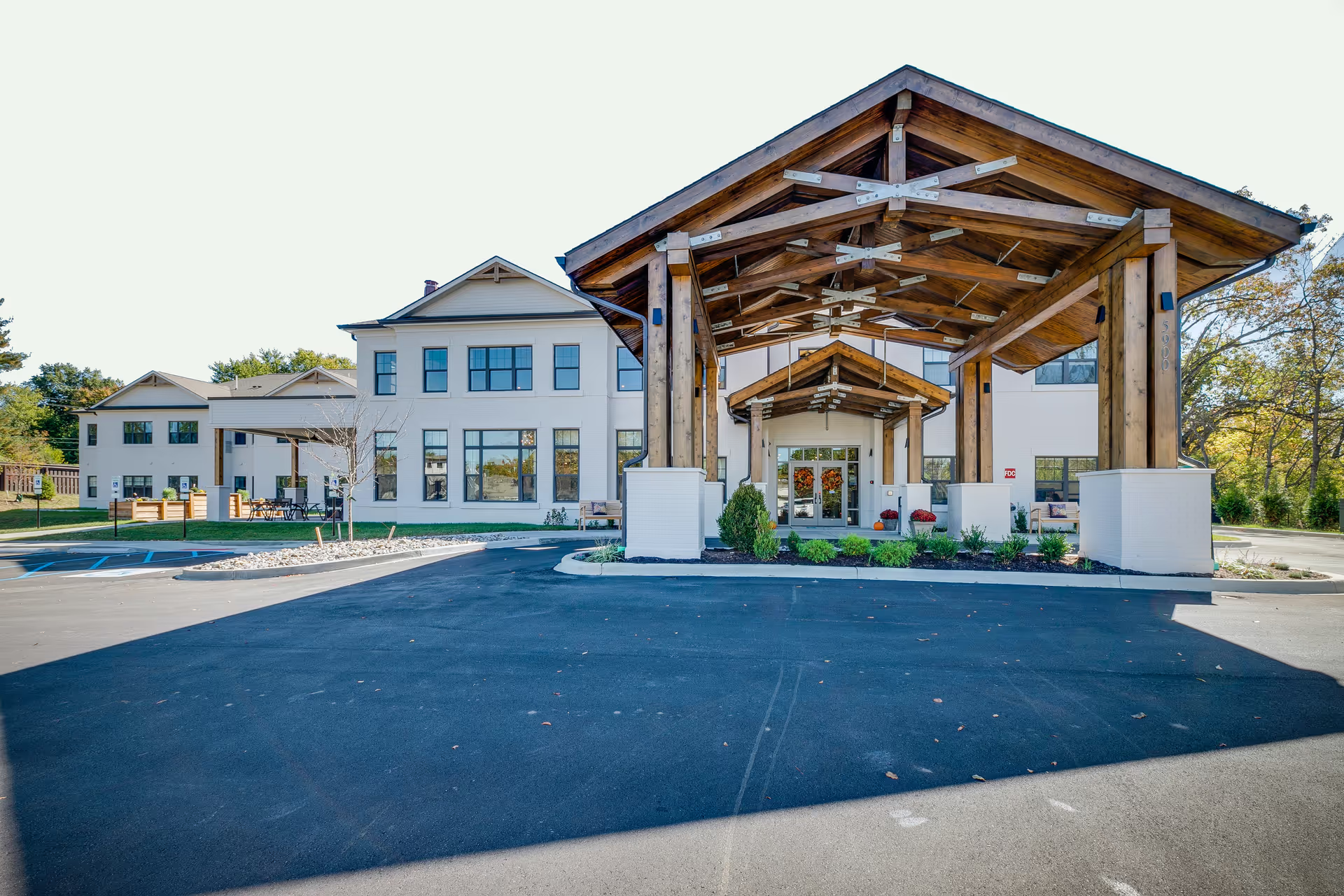
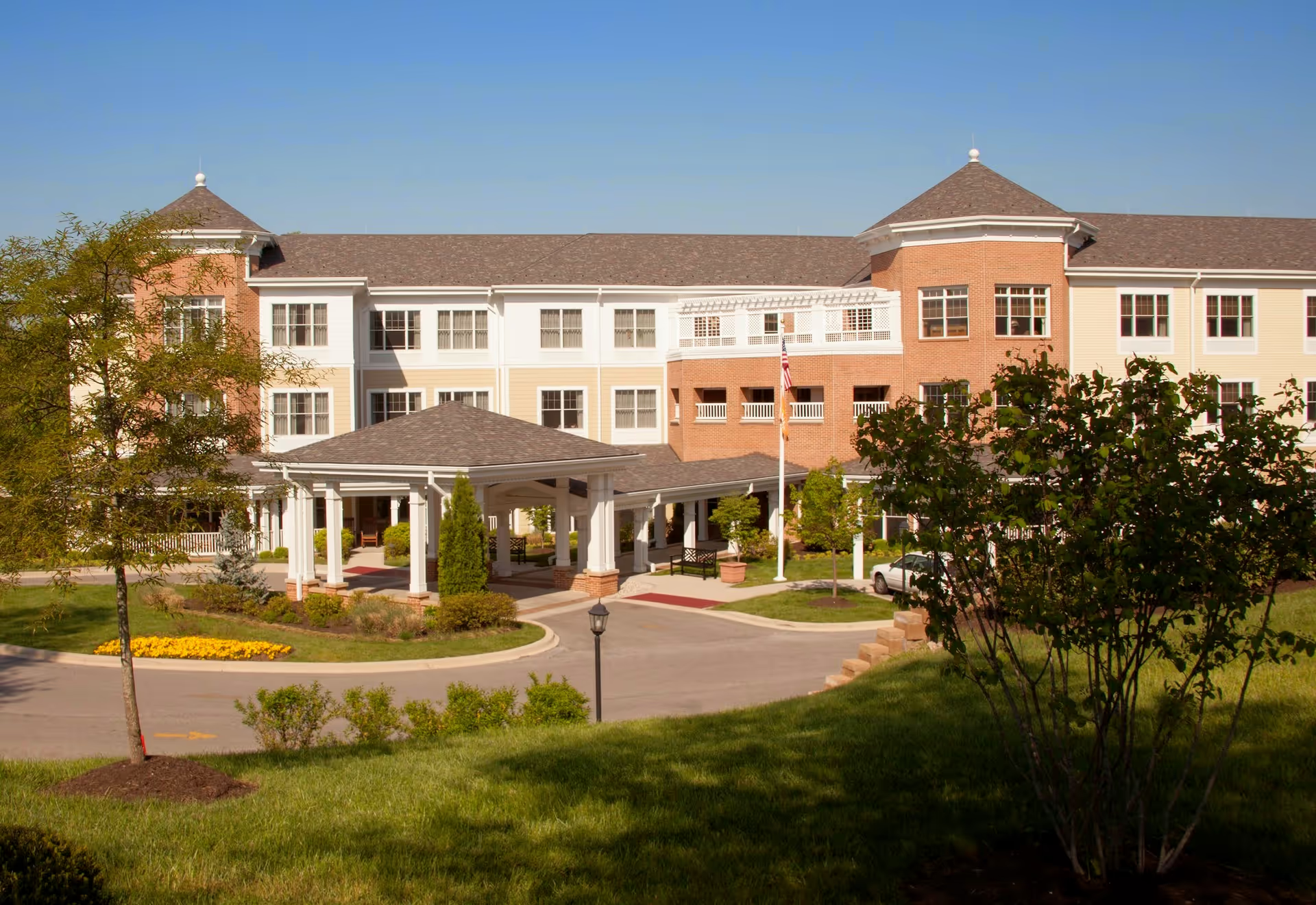
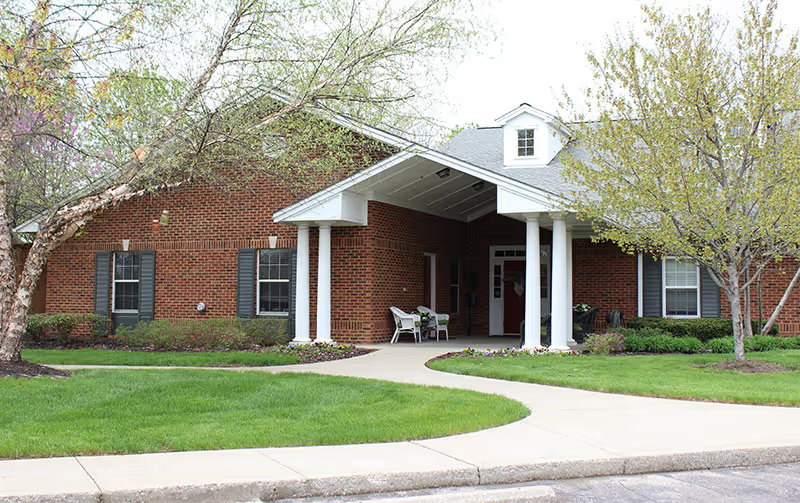
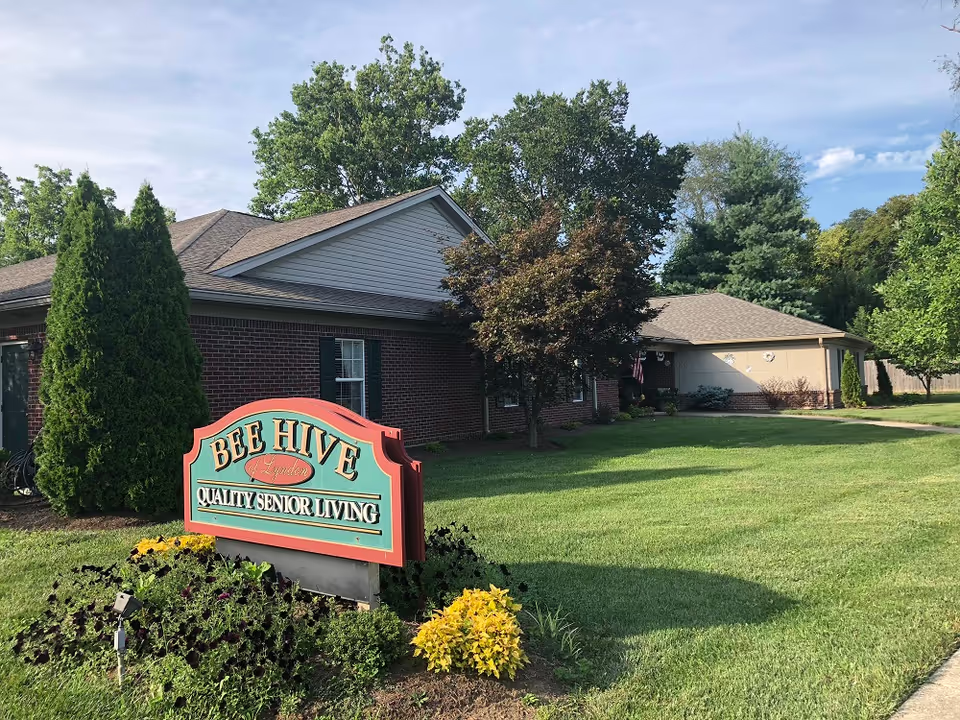
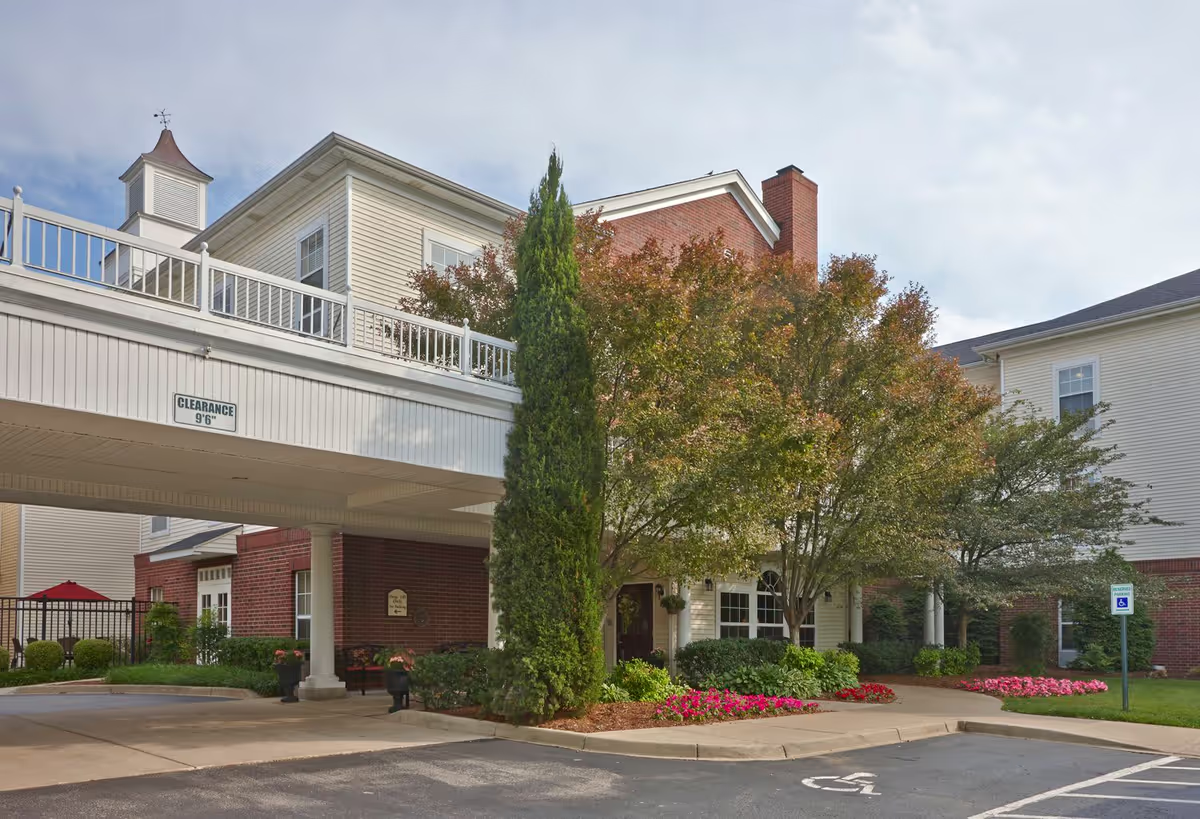
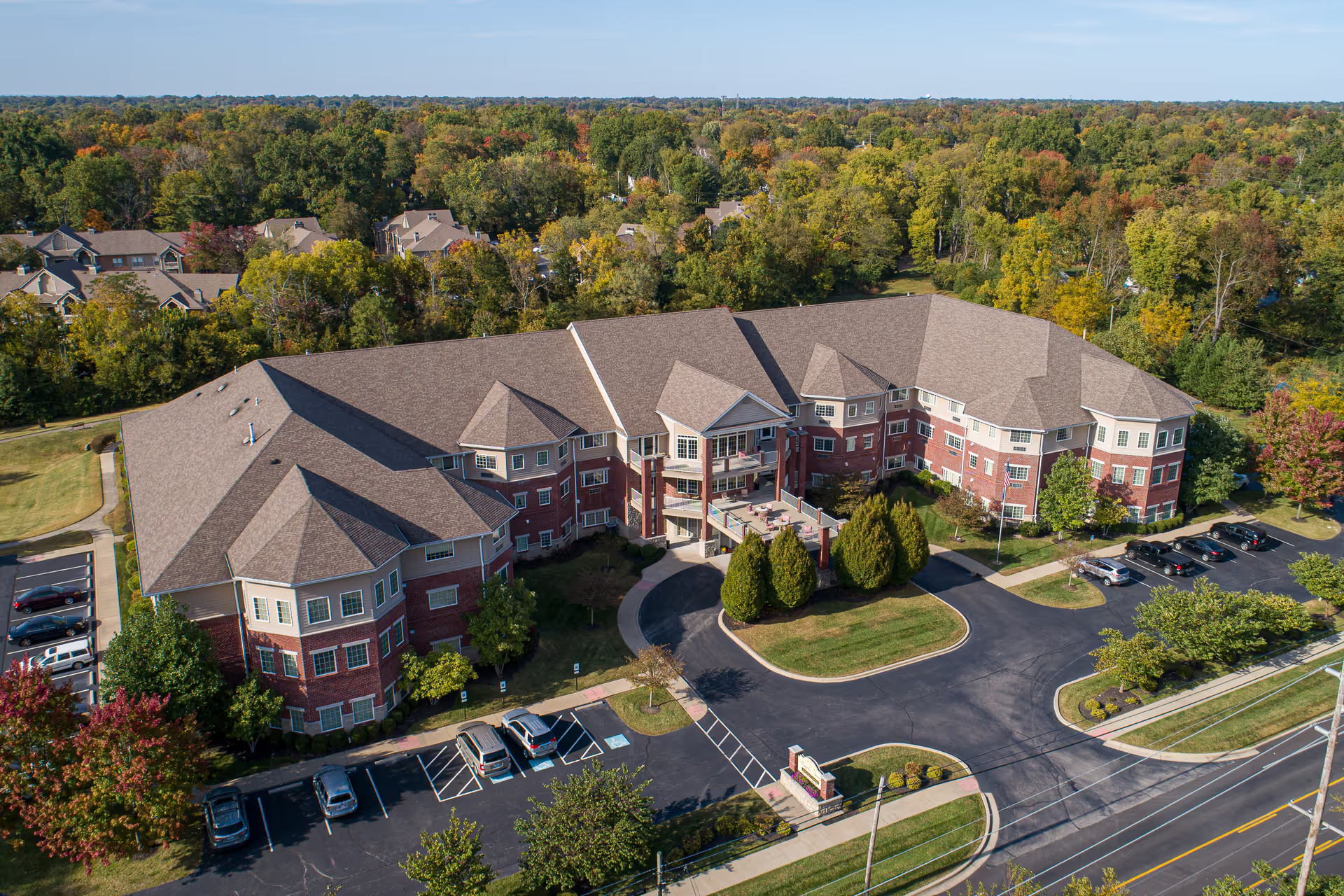
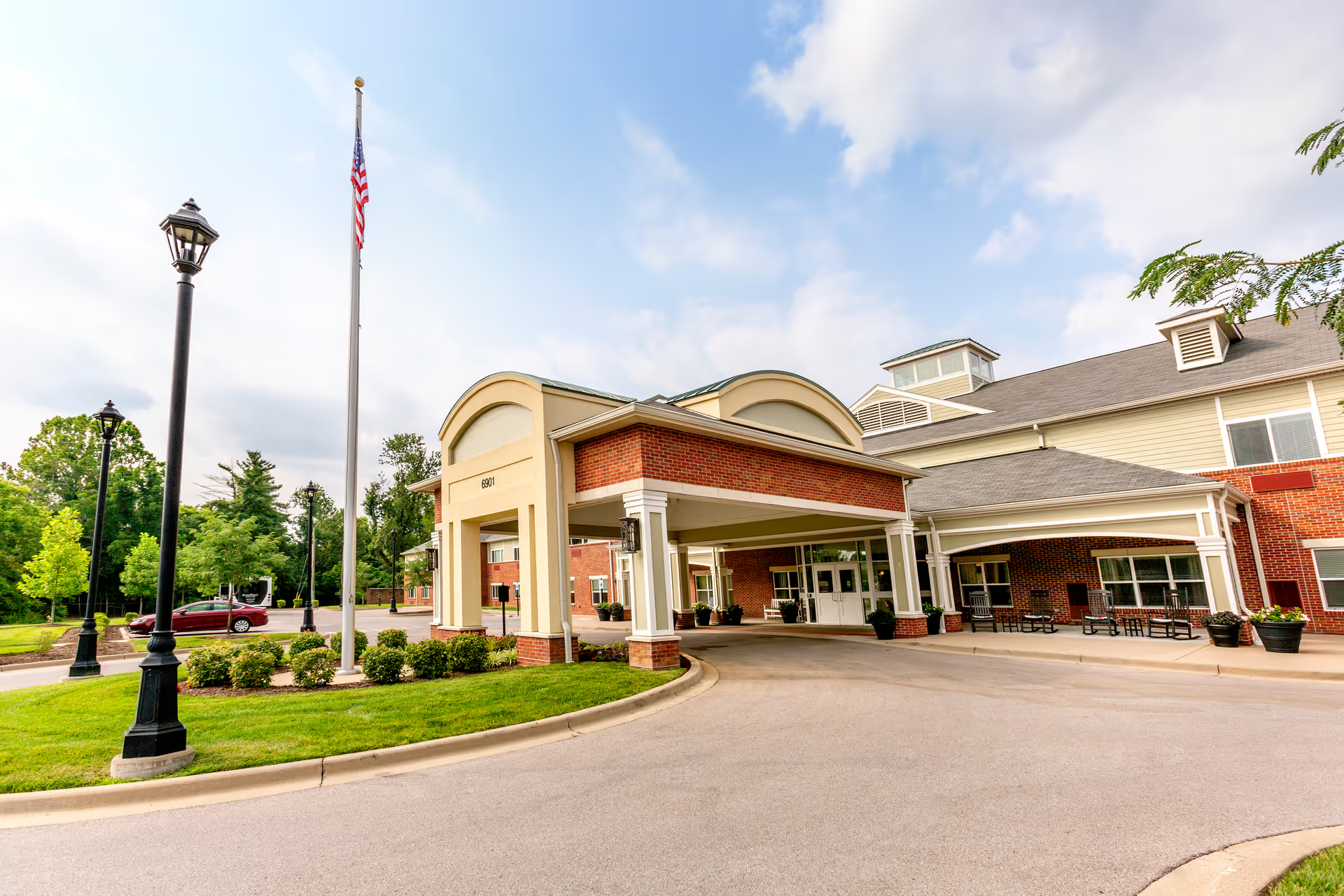
Dominion Senior Living of Louisville elicits a broadly mixed but generally positive impression: many families describe a warm, small-community environment with a strong emphasis on person-centered interactions, an active life-enrichment program, and an attractive, recently built campus. Strengths commonly highlighted include a compassionate caregiving culture, visible nursing and medication-administration support, on-site therapy services, and an activities program that offers variety and family-inclusive events. The facility’s contemporary design, cleanliness of common areas, and attentive move-in/customer-service processes are also frequent positives.
Care and clinical operations show both strengths and variability. Reviewers frequently praise medication management, the presence of nursing oversight, and therapy resources that supported rehabilitation and functional improvement. At the same time, there are consistent operational concerns tied to staffing: turnover and low staff-to-resident ratios are linked to missed scheduled services (bathing, laundry, bedding), variable supervision, and occasional safety lapses. A small number of accounts raise serious concerns about outbreak management and post-incident family communication; these accounts underscore the importance of clarifying the facility’s infection-control protocols and family-notification procedures prior to placement.
Staff and culture are often described as a key asset. Many families note warm, attentive aides and activity directors who create a supportive social environment. However, reviewers also point to staffing instability that can reduce continuity of care and place stress on employees. Administrative responsiveness is generally seen as proactive during admissions and routine issues, but there are mentions of delays or gaps in communication during clinical or high-stakes situations and occasional front-desk coverage lapses.
Dining and nutrition receive mixed feedback. Breakfast service and personalized options are repeatedly praised, and staff are noted to accommodate dietary needs. Conversely, several reviewers describe inconsistent meal quality across other meal periods, limited menu variety, and requests for more snacks or comfort-style entrées. Prospective residents who have strong dietary preferences or strict nutrition needs should ask for sample menus and details about accommodations.
Activities and social programming are a consistent strength: an involved activities director, frequent events, outings, and memory-care–specific engagement are commonly cited as enhancing residents’ quality of life. That said, activity frequency and variety can be affected by census and staffing levels; smaller resident populations or staffing shortages sometimes limit scheduled offerings.
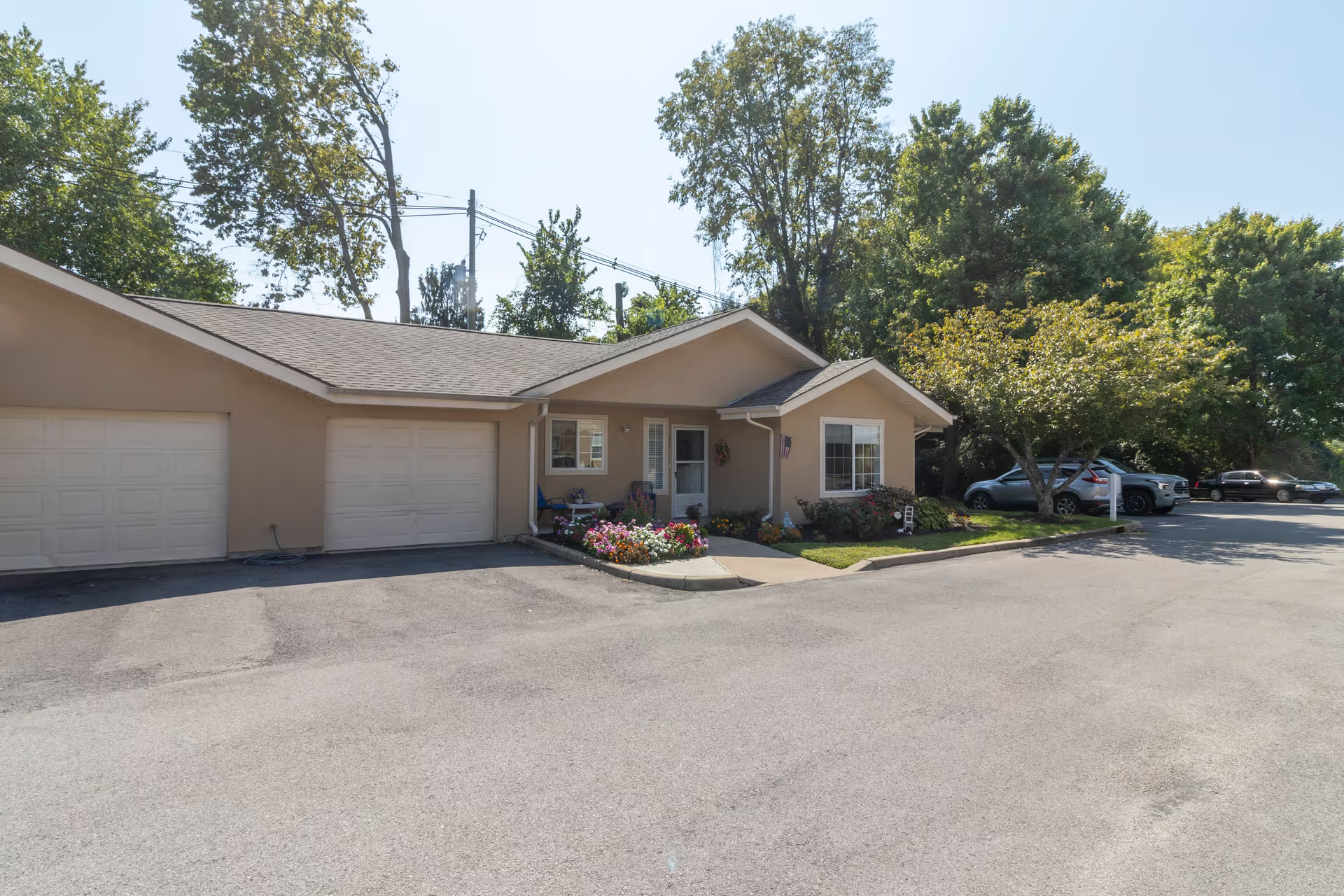
Facilities and housekeeping are generally described positively due to the newer build, thoughtful layout, and modern safety features. Still, some reviewers cite intermittent cleanliness or odor concerns in specific areas and express the need to monitor housekeeping consistency. Accessibility constraints (for example, limited automatic-entry points) and smaller room footprints in certain units are noted operational considerations for mobility-limited residents.
Management and billing present mixed signals. Many families commend the smooth transition process, proactive outreach, and willingness to resolve move-in issues. Contrastingly, there are recurring remarks about billing clarity (proration on withdrawal), policy transparency, and administrative follow-through on certain family requests. Prospective families should clarify billing policies, staffing ratios, infection-control procedures, supervision protocols, and the escalation path for clinical concerns during their tour.
Overall, Dominion Senior Living of Louisville appears to offer a person-focused, activity-rich environment with robust therapy and nursing presence in a modern facility. The principal operational risks to evaluate in person are staffing stability, consistency of daily personal-care services, dining consistency, and the facility’s communication protocols during clinical events. A targeted tour that asks about staffing ratios, sample menus, infection-control policies, housekeeping schedules, and billing/proration rules will help families determine whether the community’s strengths align with a prospective resident’s care needs and expectations.