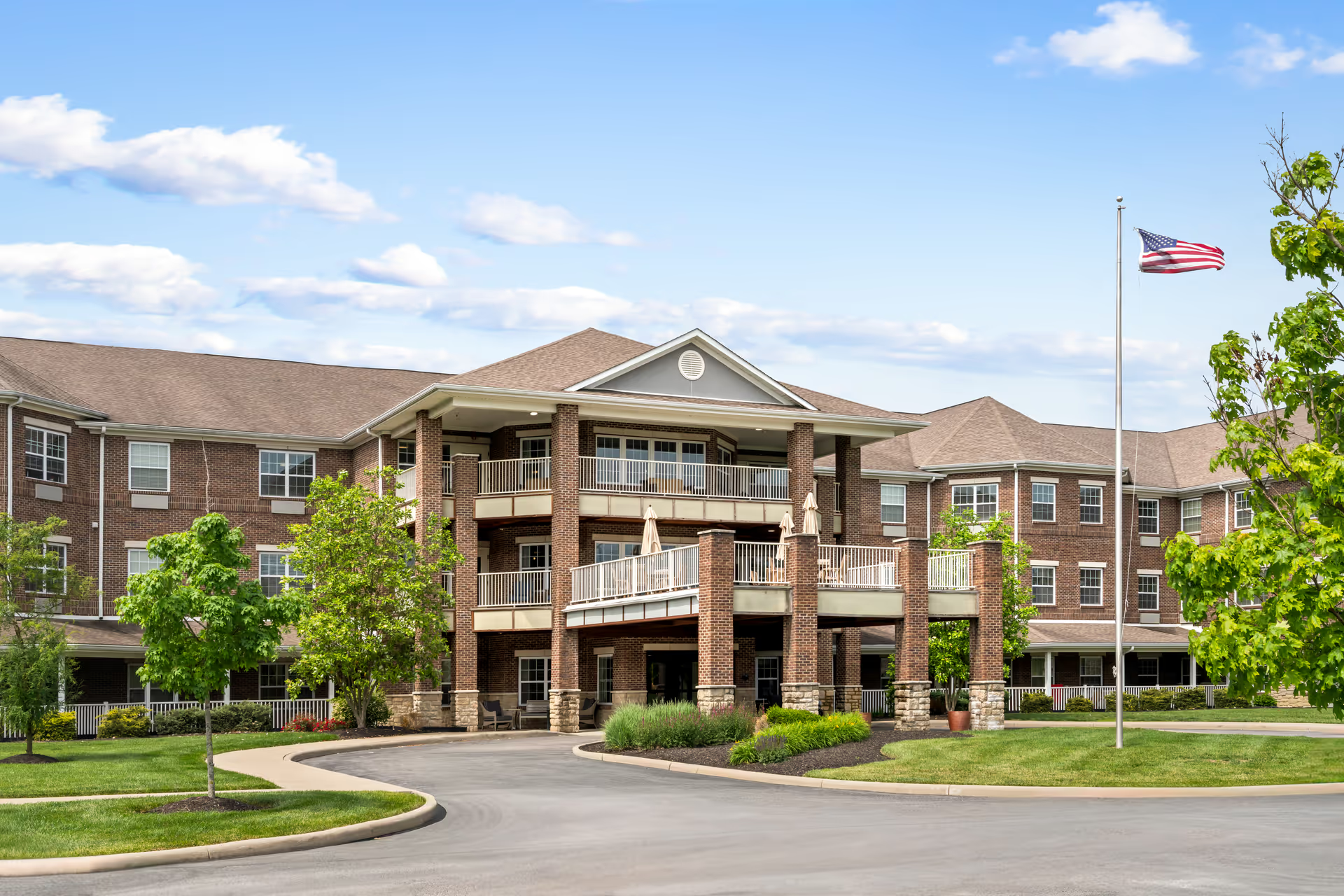
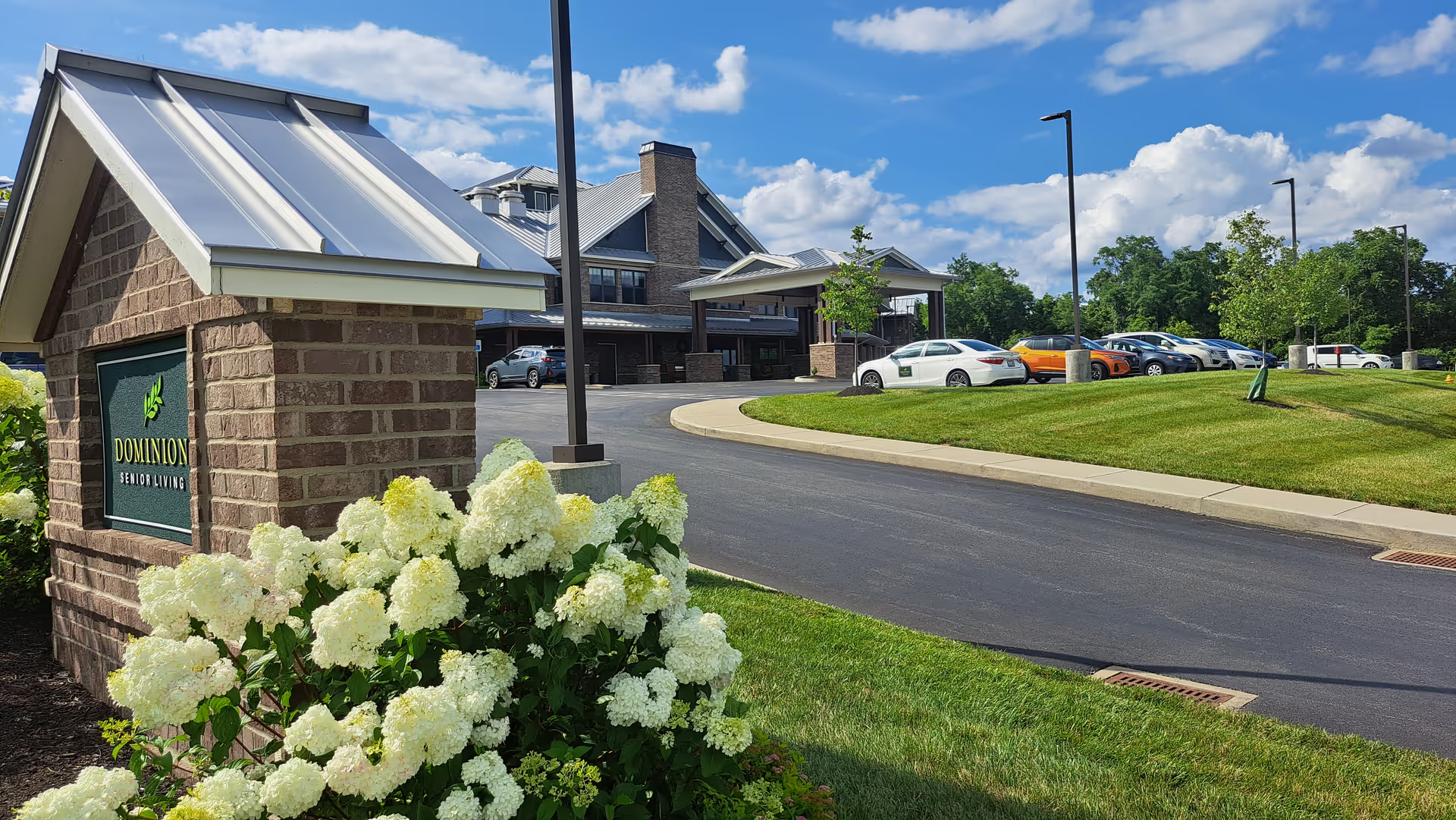
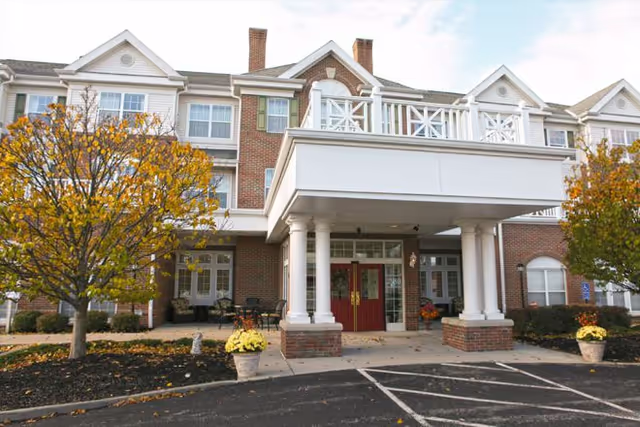
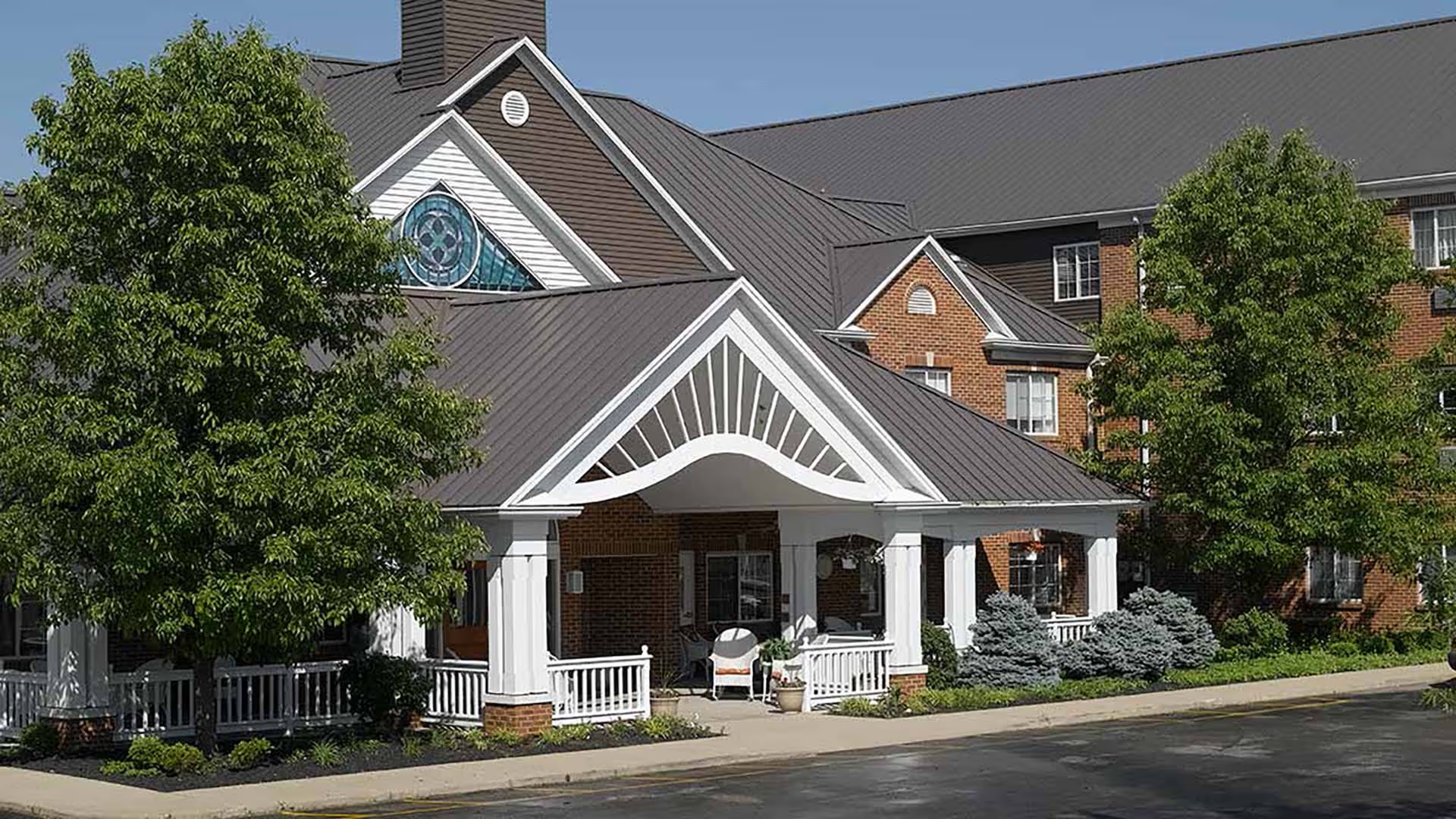
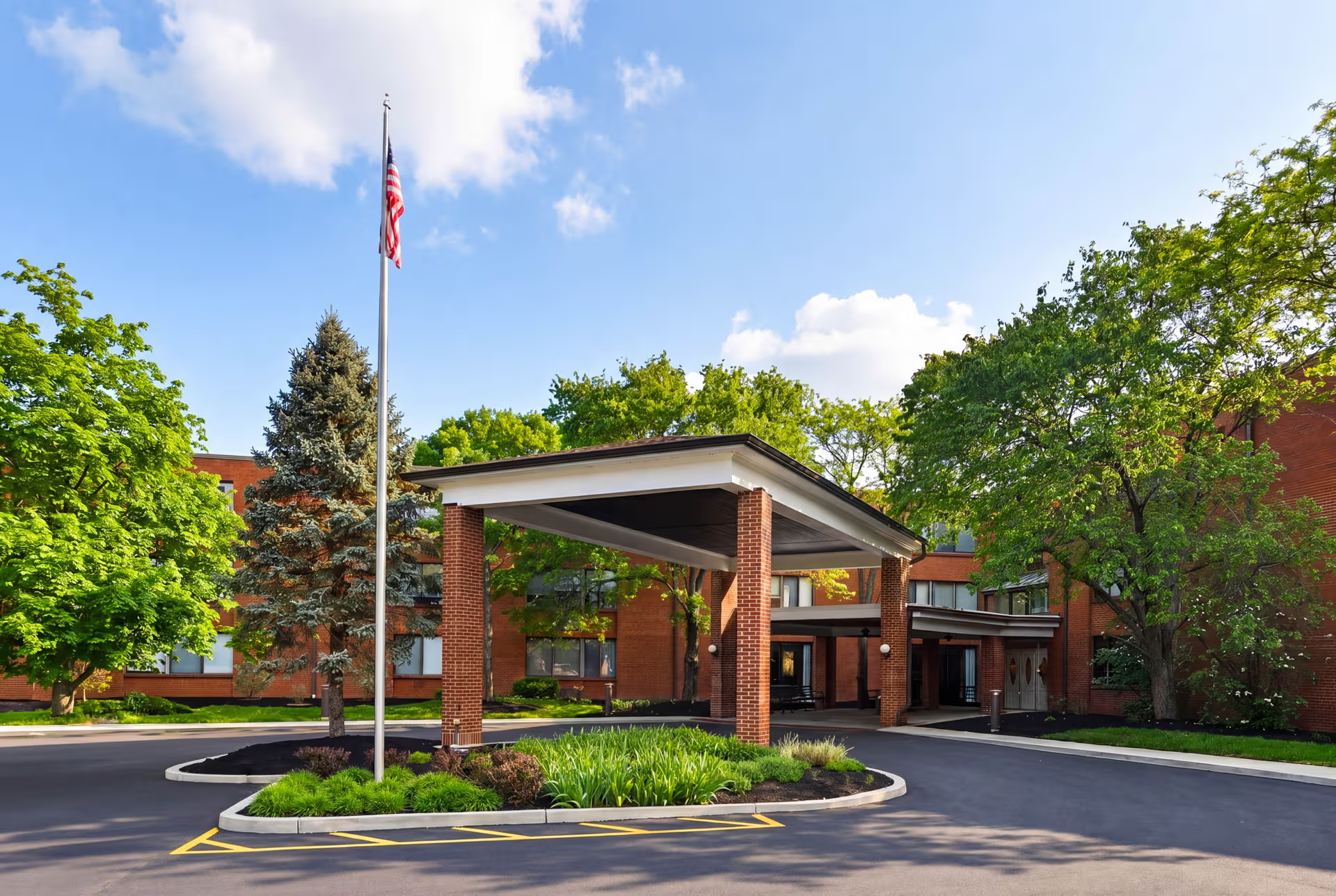
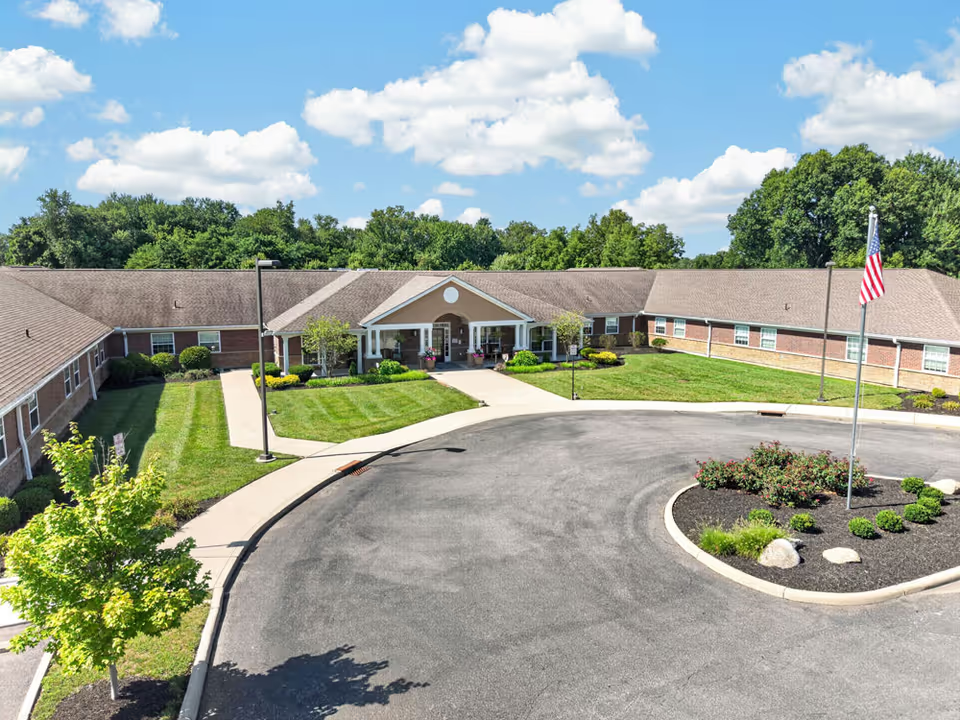
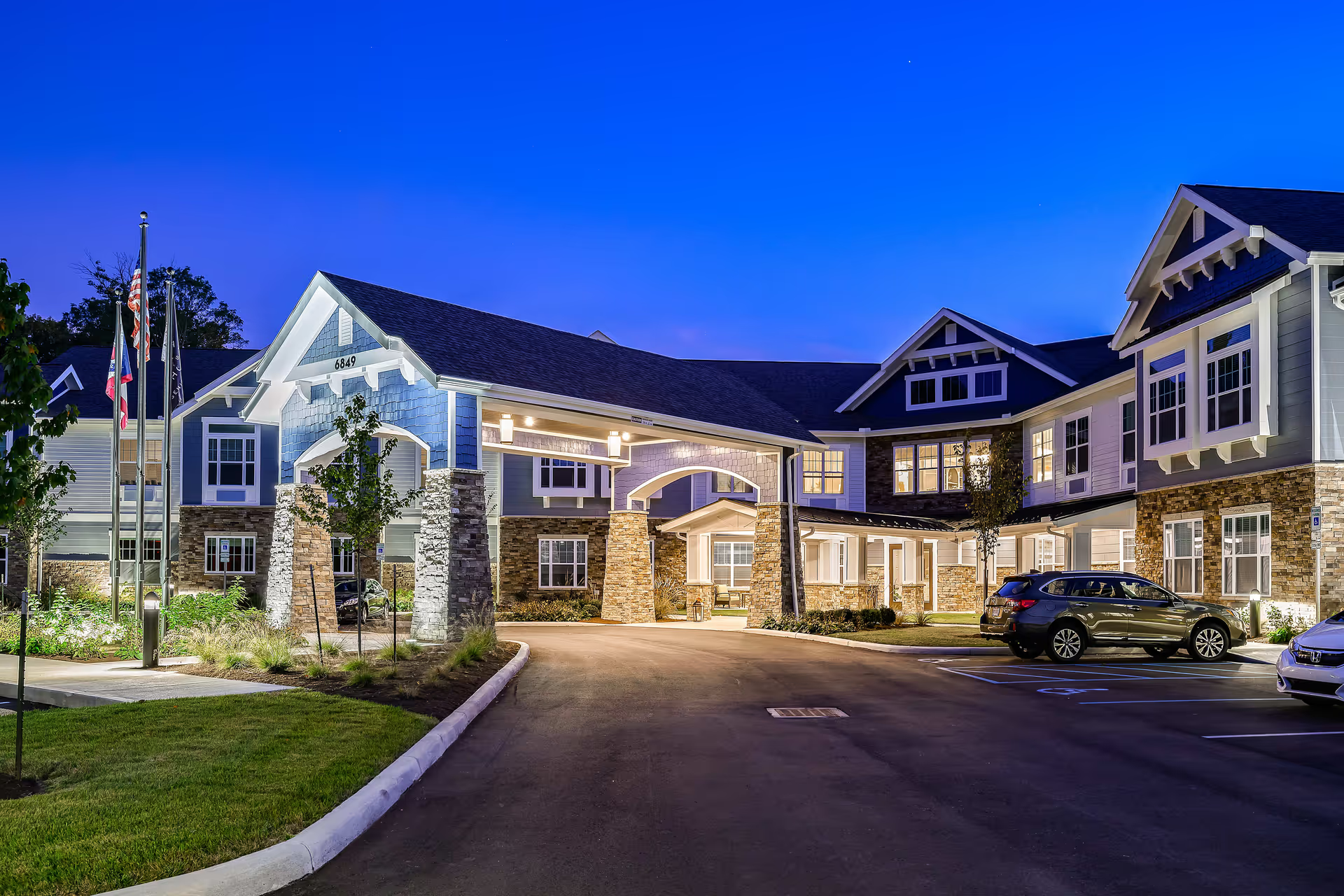
Overall impression: StoryPoint Union is portrayed as a modern, well-appointed senior living community with a strong emphasis on social engagement, culinary quality, and preserving resident independence. Prospective residents and families will commonly find spacious, accessible apartments with full kitchens and in-unit laundry, a pet-friendly policy, and a wide menu of on-site amenities (fitness center, bistro/cafe, library, transportation). Many accounts describe improved quality of life, increased activity, and strong social bonds among residents.
Care and staff: Reviews consistently highlight compassionate, family-oriented staff and visible leadership. Families report personalized attention, responsive care teams, and beneficial partnerships for clinical services (including in-house OT/PT/speech therapy and collaboration with external home-health providers). These services are associated with measurable functional improvements for some residents. At the same time, reviewers note variability in frontline staff experience and courtesy, occasional reductions in attentiveness during peak periods or holidays, and questions about whether the community is staffed and clinically licensed for higher-acuity care. Those planning for progressive care needs should verify the facility's licensed scope and staffing model.
Dining: Dining is a frequent strength: multiple reviewers praise gourmet chefs, varied menus, attentive dining-room crews, and family-friendly dining options. Meals are described as a social highlight and a contributor to resident satisfaction. However, there are intermittent comments about slower service, missing menu items after chef or menu changes, and occasional reductions in food choices. Visitors should sample meals and ask about continuity plans for menu changes and meal-service staffing.
Activities and social life: Life-enrichment programming is robust and a core selling point. The community offers a broad calendar (bingo, glee/choir, crafts, live music, happy hours, trips, and seasonal events) led by proactive activity directors. This programming appears effective at fostering friendships and daily engagement. One recurring operational gap is that some activities are not well adapted to residents with higher support needs; separate, appropriately paced offerings may be needed for enhanced-care residents.
Facilities and operations: The physical plant is generally described as clean, modern, and well-maintained, with accessible design elements and convenient proximity to retail and healthcare. Reported operational concerns are more episodic: maintenance of select systems/finishes, occasional housekeeping or common-area textile cleanliness issues, and isolated comments about cheaply made elevator finishes. Management visibility and weekly communications are frequently praised, though a number of families call for more consistent, timely updates and clearer explanations of ancillary charges. Several accounts call out post-move rate increases and unclear package pricing for services such as housekeeping, meals, and personal-care assistance.
Notable patterns and guidance: The dominant themes are strong social programming, excellent dining, and a caring culture that supports independence. Areas warranting due diligence are staffing consistency and training for higher-acuity needs, clarity about licensed clinical services, transparency of fees and future rate increases, and verification of activity programming appropriate to a resident's functional level. Prospective residents should request current staffing ratios and licensing information, confirm which services are included versus billed separately, sample the dining program, and observe activity offerings on both independent and enhanced-care sides before committing.