Overall impression: Brookdale Lake Charles generates a wide range of experiences. Many families and residents praise the community’s warm, hotel-like atmosphere, active social calendar, and attentive direct-care staff; others describe operational weaknesses that affect higher-acuity residents and memory-care populations. The facility often presents as clean, cosmetically updated in areas, and socially vibrant, but reviewers also documented recurring operational themes that prospective families should evaluate in person.
Care and staff: Staff are frequently described as caring, personable, and committed, with individual employees and the activities team singled out for above-average engagement. Several accounts highlight good family communication, helpful admissions staff, and direct-care caregivers who make residents comfortable. At the same time, reviewers commonly cited inconsistent staffing levels (notably across day and night shifts), turnover, and uneven responsiveness to nurse calls and post-fall assistance. These operational gaps translate into variability in routine personal care—such as assistance with bathing, dressing, and continence needs—especially for residents with higher dependencies or advanced cognitive impairment.
Dining: Dining receives mixed-but-often-positive feedback. The community markets a restaurant-style dining room, frequent special meals (including local/Cajun items), and accommodating service; many residents enjoy the food and the social dining environment. Criticisms focus on inconsistent meal quality, palate adjustments tied to medical diets or seasoning, and occasional dissatisfaction when residents’ preferences are not met. For families who prioritize cuisine and table service, the dining program is a notable strength, while those with specialized dietary or taste needs should verify menu flexibility.
Activities and social life: Activities programming is a consistent strength. The community runs an active calendar with live music, entertainers, field trips, happy hours, bingo, classes, and frequent social events that many residents and families value. The activities director is frequently praised for energy and follow-through. Limitations include smaller activity spaces in some areas and occasional reports that programming is not well matched to residents with advanced dementia, resulting in reduced engagement for that subgroup.
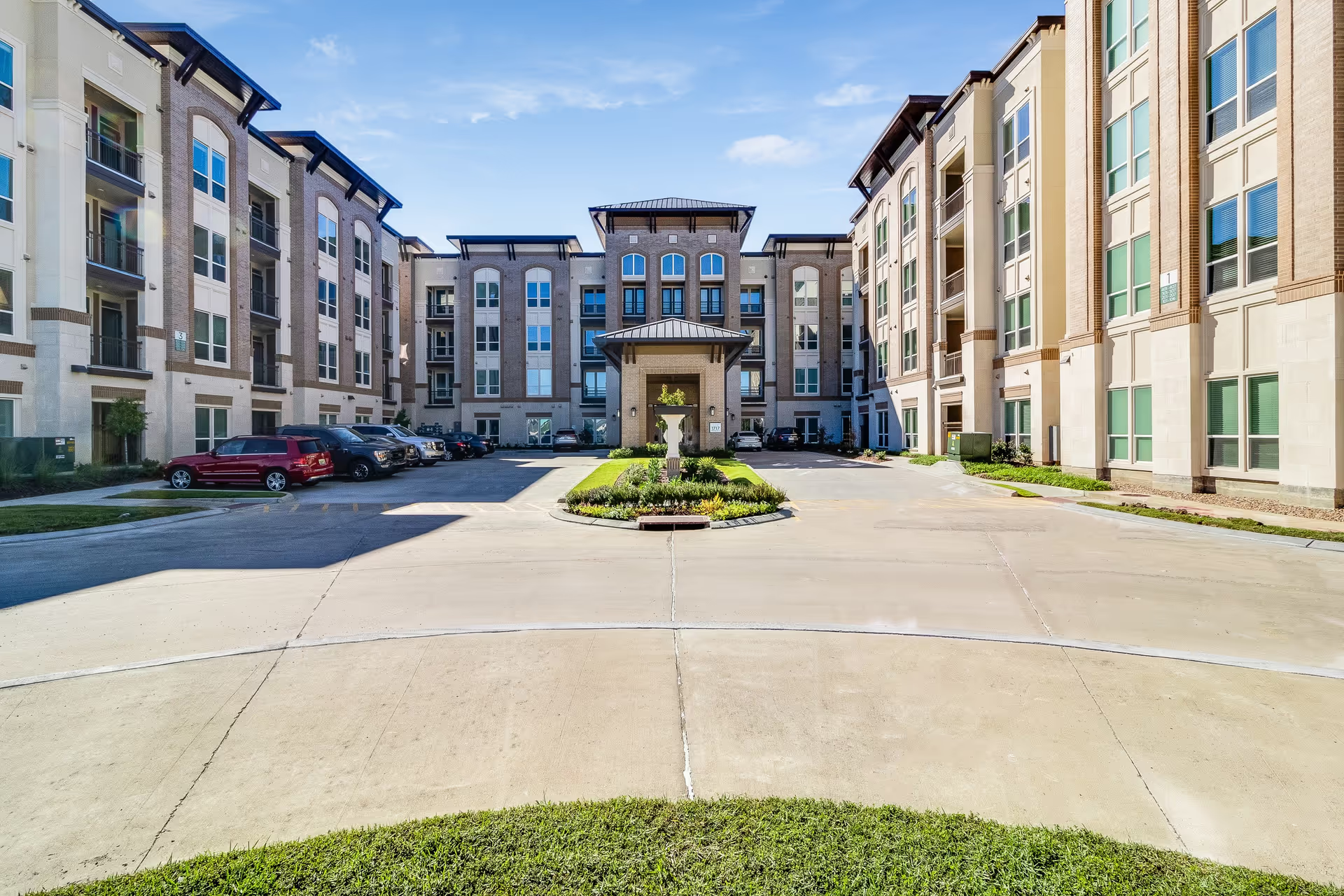
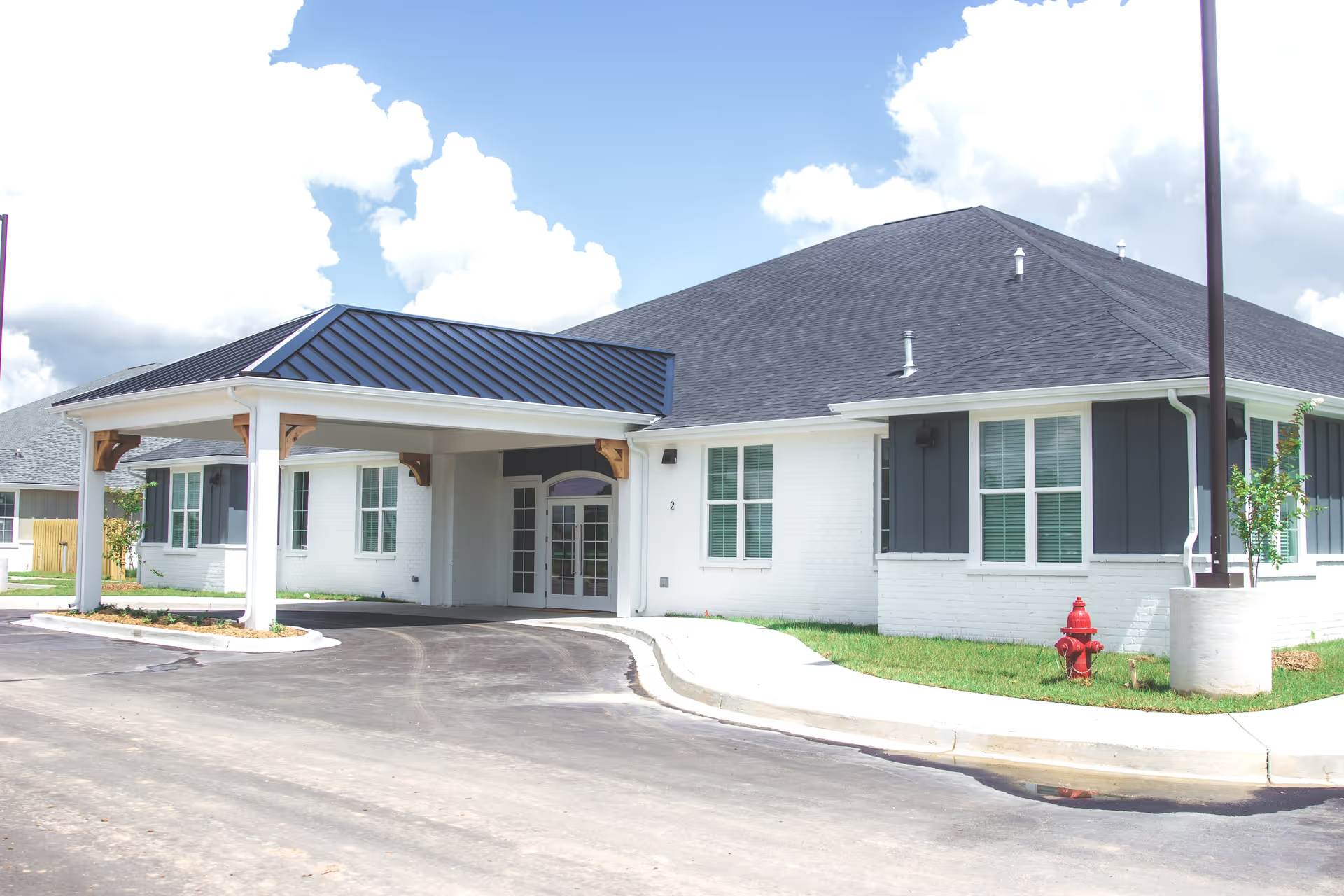
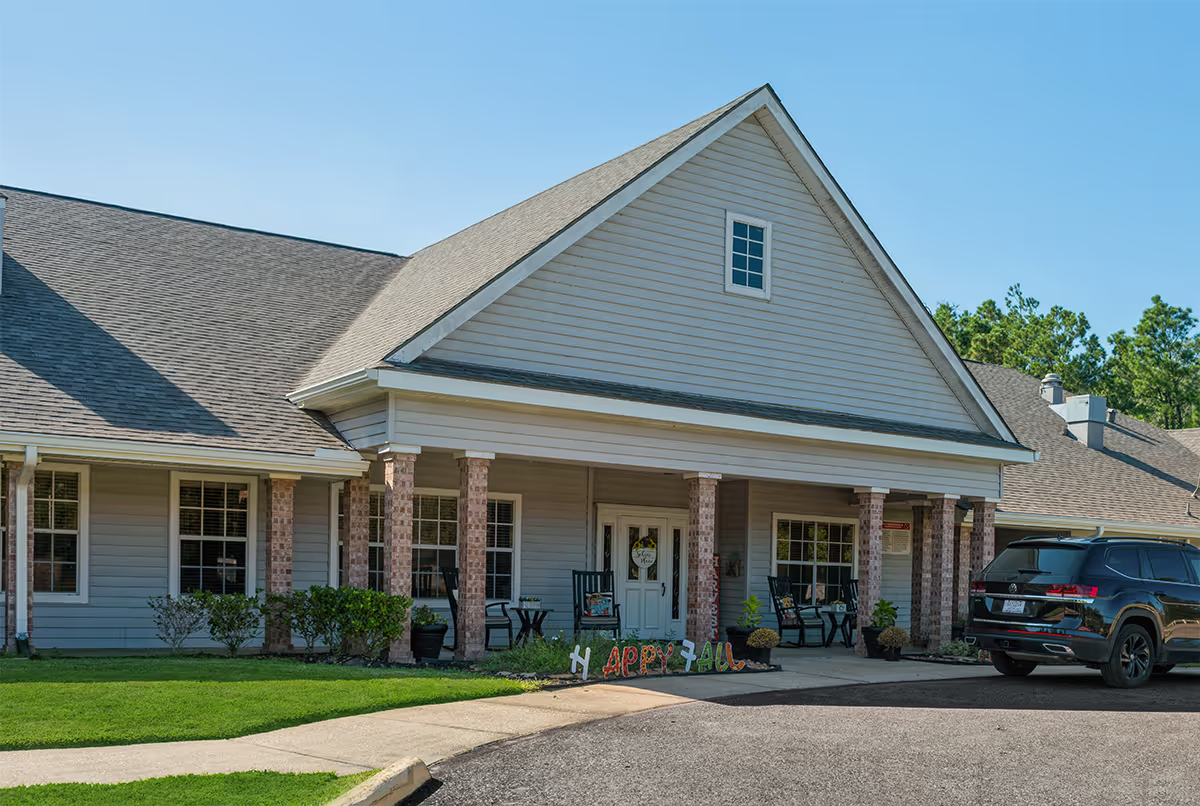
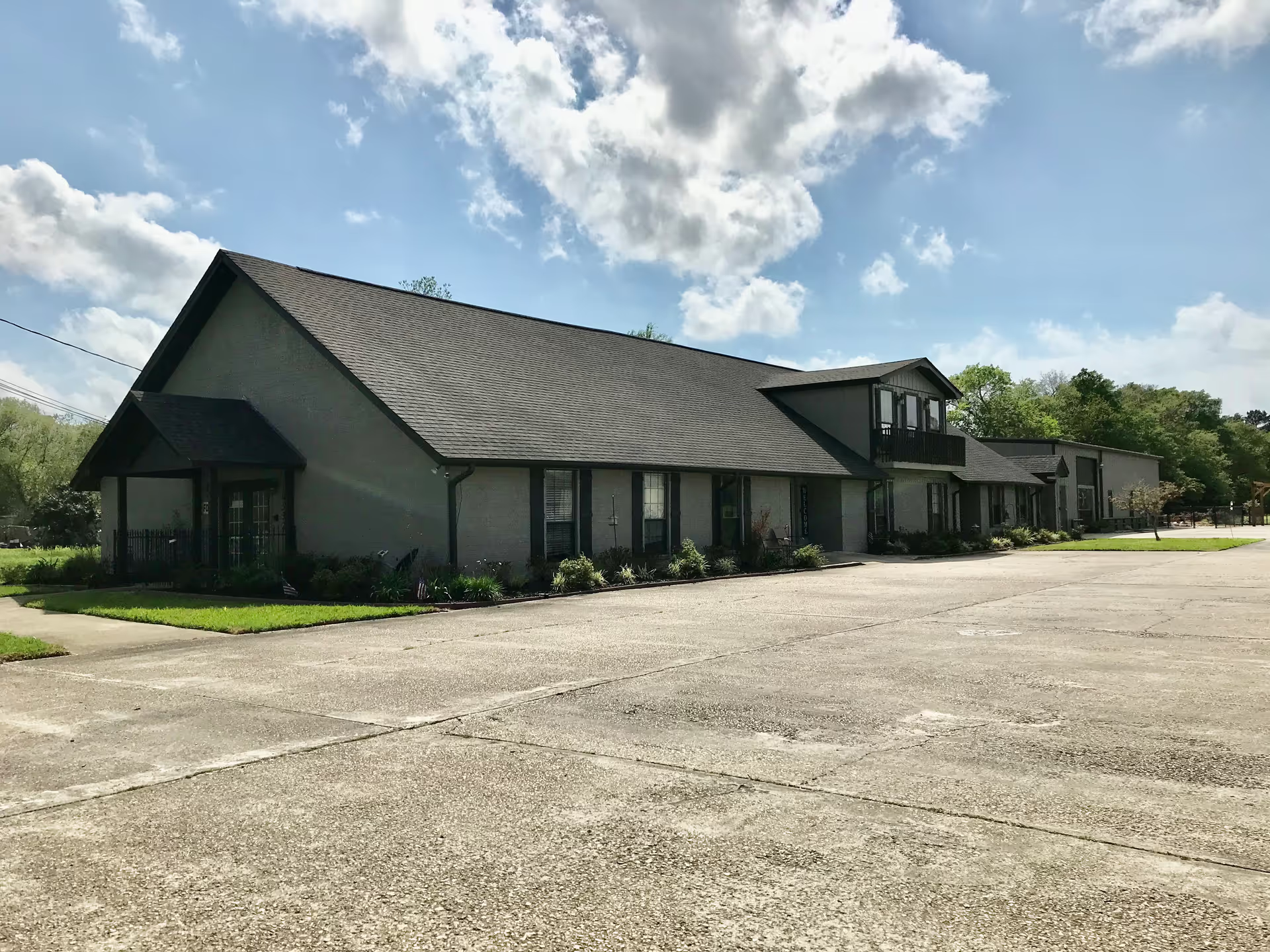
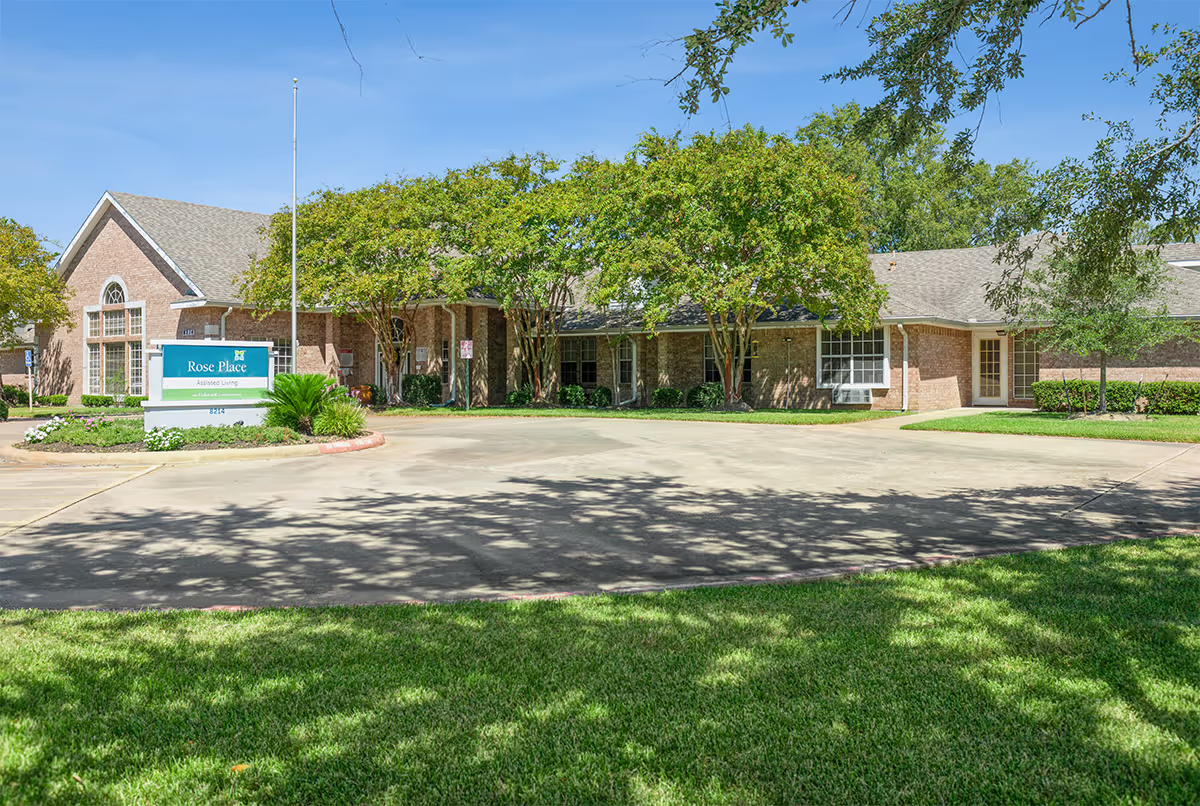
Facilities: Physical spaces are described as generally tidy, with apartment-style units that include walk-in showers and small kitchenettes (microwave and refrigerator). Common areas, courtyards, and salon services are viewed positively, and renovation work is underway in places to improve aesthetics. Conversely, some units and areas retain older finishes (small rooms, dated countertops or flooring), and specific common areas—notably portions of the memory unit—have been associated with odor and cleanliness concerns. Prospective residents should tour multiple unit types to assess room size and condition.
Management and operational patterns: Management impressions are mixed. Several families commend responsive local leadership and improvements following leadership changes; others identify gaps such as a prolonged executive-director vacancy, slower coordination with corporate/main office, and billing or crediting delays. These administrative issues interact with staffing variability to produce uneven care reliability. The trade-off pattern is clear: the community can provide an engaging, comfortable setting for residents with moderate needs, but families of higher-dependency or advanced-memory residents should investigate staffing ratios, supervision on night shifts, and the memory-care program’s approach to daily hygiene and individual attention.
Notable patterns and recommended considerations: Reviews cluster around two narratives — a positive experience for many residents who enjoy social programming, transportation, and a hotel-like dining and activity environment; and significant concern for some families whose loved ones required more consistent hands-on care, particularly in memory care. Before committing, prospective residents and families should (1) request staffing ratios by shift and observe responsiveness during an unannounced visit or a test day, (2) tour the memory-care neighborhood during program hours, (3) sample meals and review diet accommodations, (4) confirm laundry and billing procedures, and (5) clarify leadership continuity and escalation pathways for care concerns. These steps will help align expectations with the community’s strengths and operational limitations.