The reviews present a mixed but actionable picture of Savoy Care Center. Positive feedback centers on the facility's rehabilitation outcomes, the social atmosphere, and the demeanor of many care staff: reviewers described residents making strong recovery progress, forming social connections, and living in an upbeat, clean communal environment. Several families used terms implying trust in the Savoy Care team and highlighted the convenience of the location for visiting.
Care quality appears uneven. Strengths include effective therapy and recovery support and staff members who are caring and attentive in many interactions. However, a subset of comments raises concerns about routine personal-care tasks: reviewers described inconsistent bathing, grooming, and toileting assistance and delays in attending to basic needs. There are also notes about residents developing asymmetrical posture following strokes, which suggests gaps in transfer, positioning, and mobility-assistance practices that warrant clinical review and reinforcement of safe-handling protocols.
Staff and management impressions are similarly mixed. Many families praised individual staff as helpful and compassionate, while others described conduct and communication issues that affect family confidence. This pattern suggests variability in staff performance or supervision; targeted training on communication, resident-centered care, and response times could reduce those discrepancies. Reviewers used positive language for the broader Savoy Care team, indicating that management-level engagement is a potential lever for improvement.
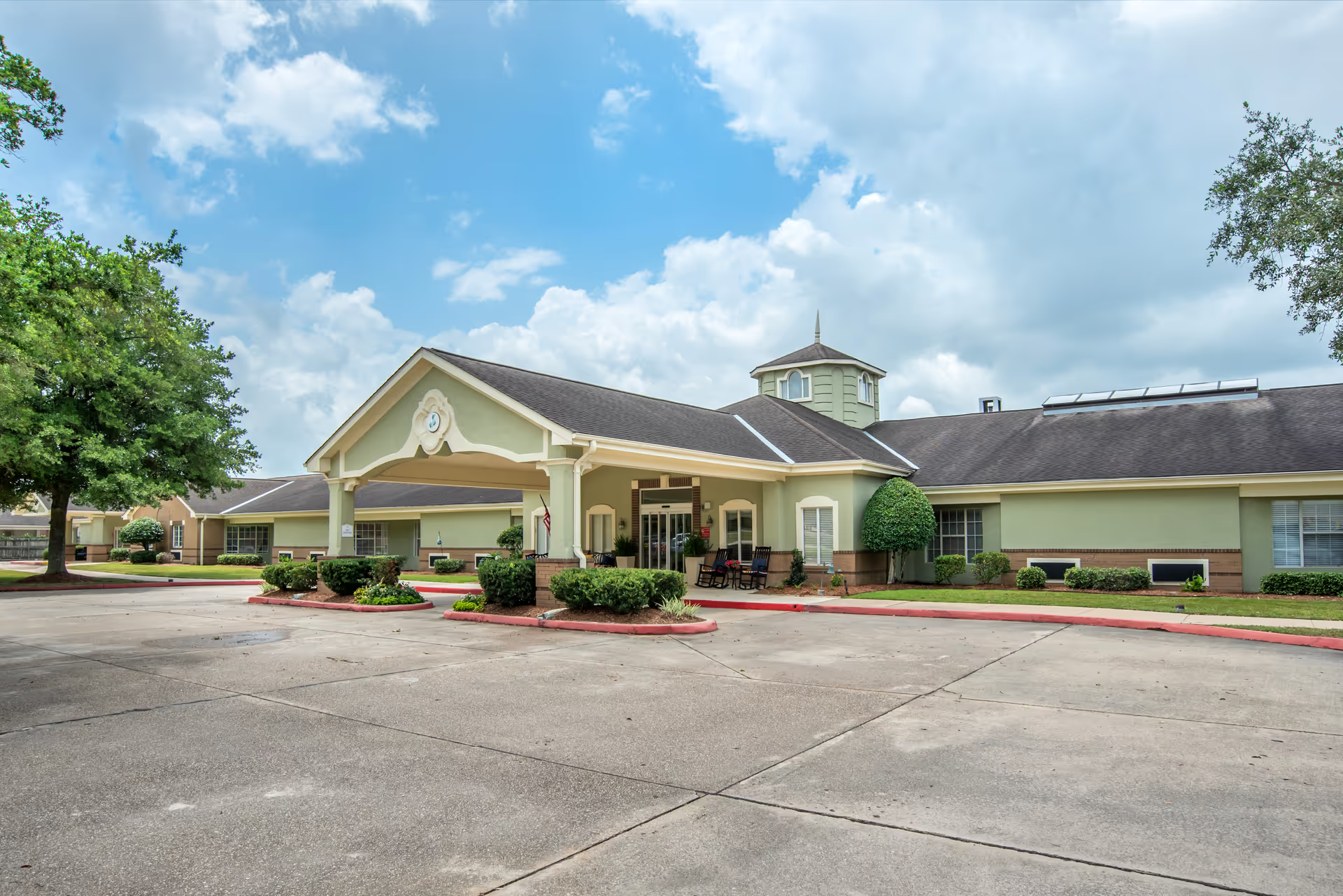
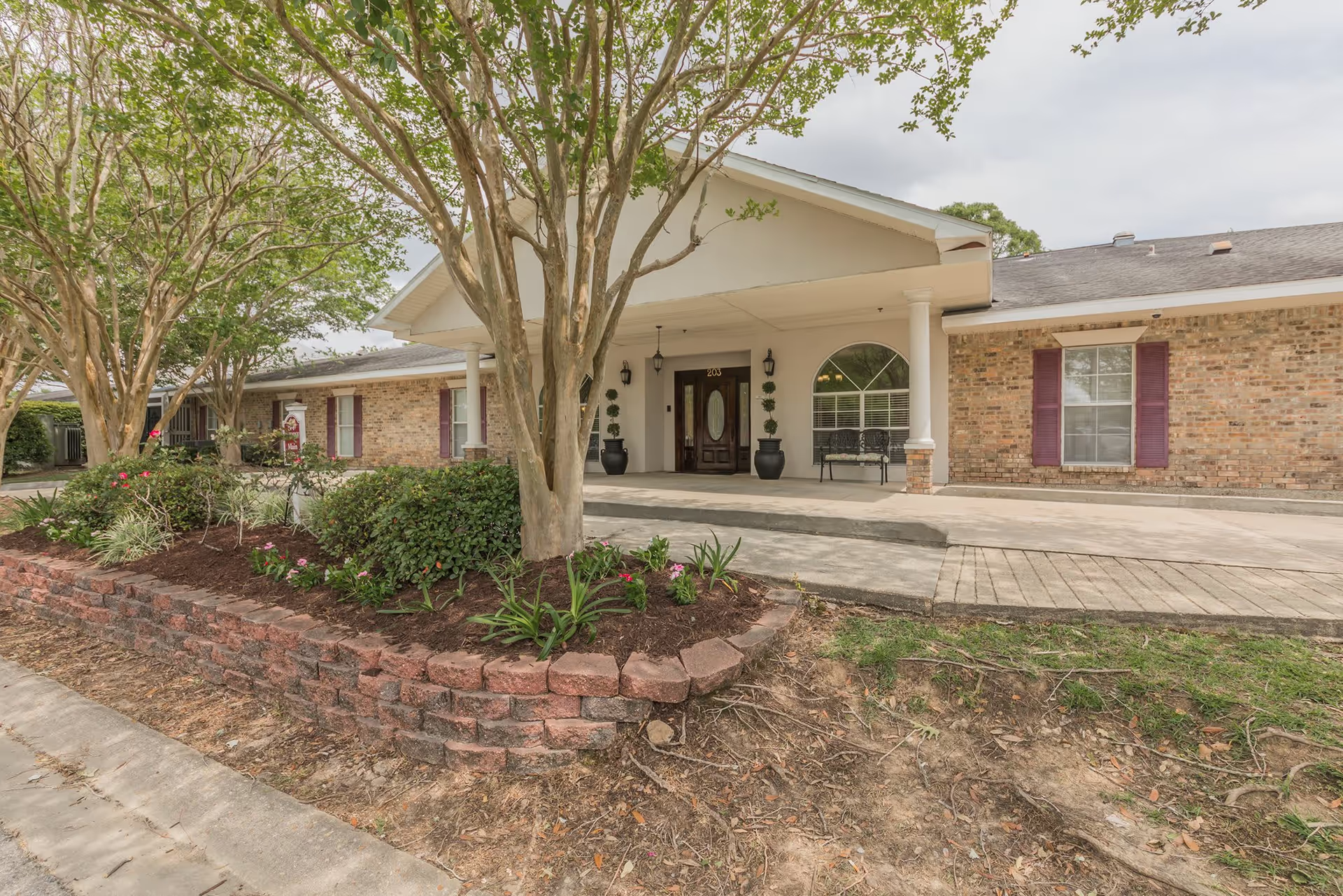
Facilities and amenities receive both praise and critique. The environment is described as clean and cheerful, with happy residents and active socialization. At the same time, the building itself was characterized as outdated and in need of modernization. That combination suggests that operational cleanliness and programming are managed well, but capital improvements and aesthetic upgrades are overdue.
Dining-specific detail is limited in the feedback provided; no clear patterns about food quality or meal service continuity emerged from these summaries. Activities and social programming appear to be strengths, with meaningful opportunities for residents to engage and recover. Overall, the notable pattern is a divergence of experiences: some families describe thriving residents and dependable staff, while others identify operational gaps in personal-care assistance, mobility handling, and staff communication. Prospective residents and families should weigh the facility's rehabilitation and social strengths against those operational concerns and consider asking management about staffing stability, training programs, incontinence-care protocols, and planned facility upgrades during a tour.