Reviews of New Iberia Manor South present a strongly polarized picture: many families and former residents praise the facility for caring staff, an effective rehabilitation program, and a clean, welcoming environment, while other reviewers describe operational gaps that materially affected day-to-day care. The aggregate impression is of a facility with evident strengths in admissions, therapy services, and communal amenities, coupled with variability in bedside care and supervisory consistency.
Care quality: Clinical outcomes and therapy progress are among the facility's most frequently cited strengths. Multiple comments describe successful rehabilitation trajectories, active therapy teams, and measurable improvement leading to discharge home. At the same time, a proportion of reviews raise concerns about inconsistent assistance with basic personal care (bathing, oral care, feeding) and delays in attending to resident needs. These comments suggest variability in how reliably routine care tasks are completed, which may reflect uneven staffing or task assignment rather than systematic clinical failure.
Staff and administration: Admissions and front‑line personnel receive regular positive mention. The admissions coordinator named in reviews is frequently highlighted for thorough tours, clear communication, and helpful placement assistance. Many reviewers describe compassionate nursing and caregiving staff who create a family‑like atmosphere. However, other reviewers report variability in staff conduct and responsiveness, including instances of curt communication and inattentiveness. Taken together, the pattern points to pockets of strong staff performance alongside inconsistent supervisory control and uneven application of facility expectations.
Dining: Meal service elicited mixed feedback. Several reviewers described timely service and enjoyable meals, while others noted cold meals or inconsistent food quality. This indicates that meal preparation and service processes generally work but may suffer occasional lapses in temperature control or plating consistency. Prospective families may want to ask about kitchen staffing, meal delivery protocols, and accommodations for special diets.
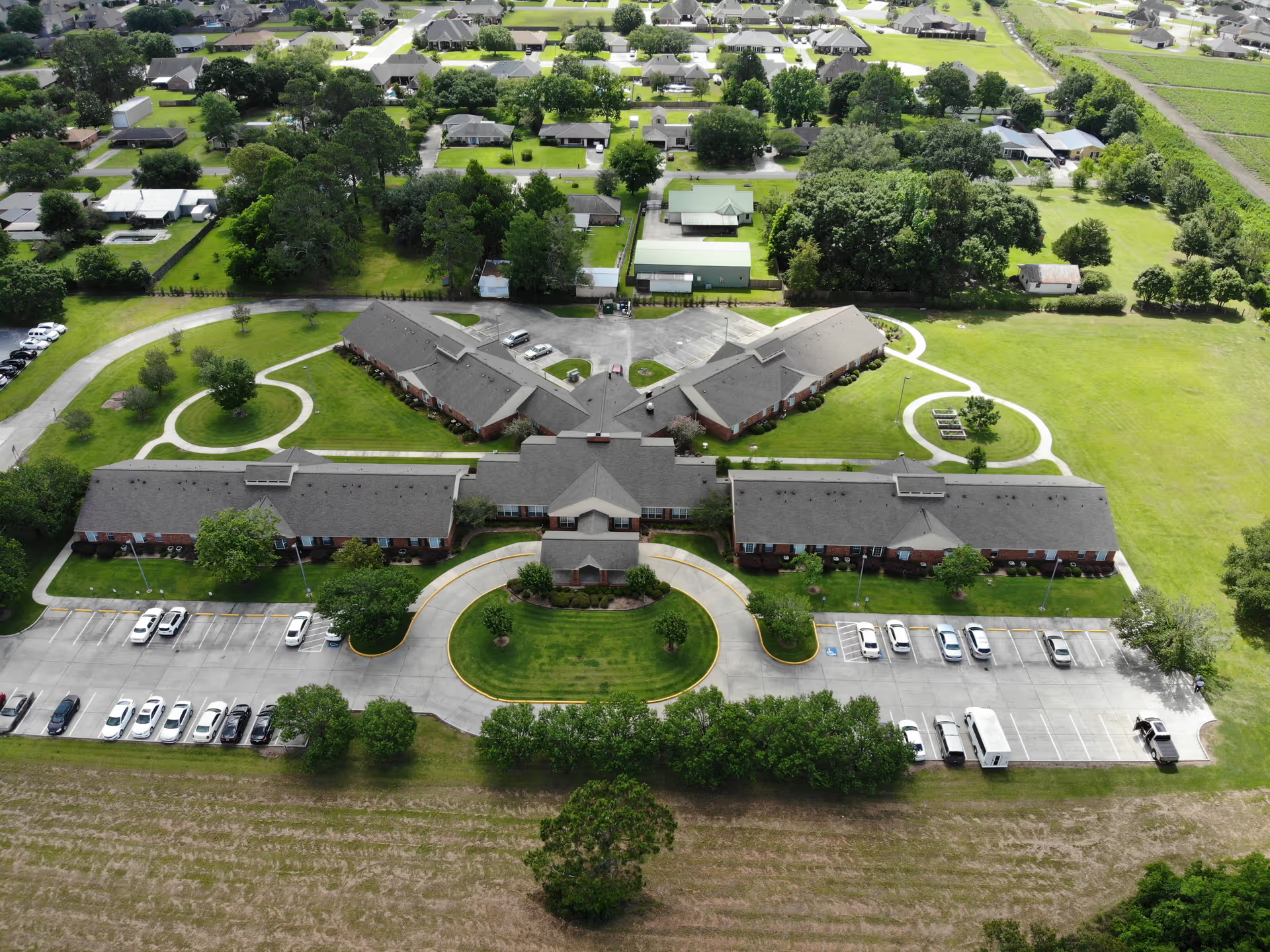
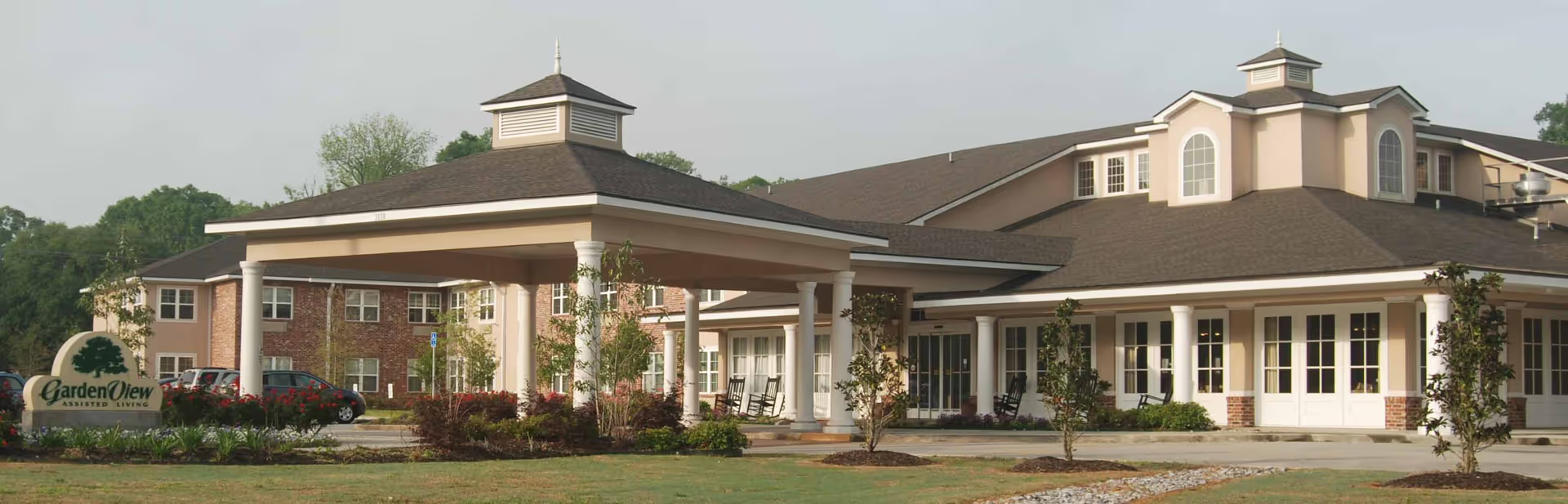
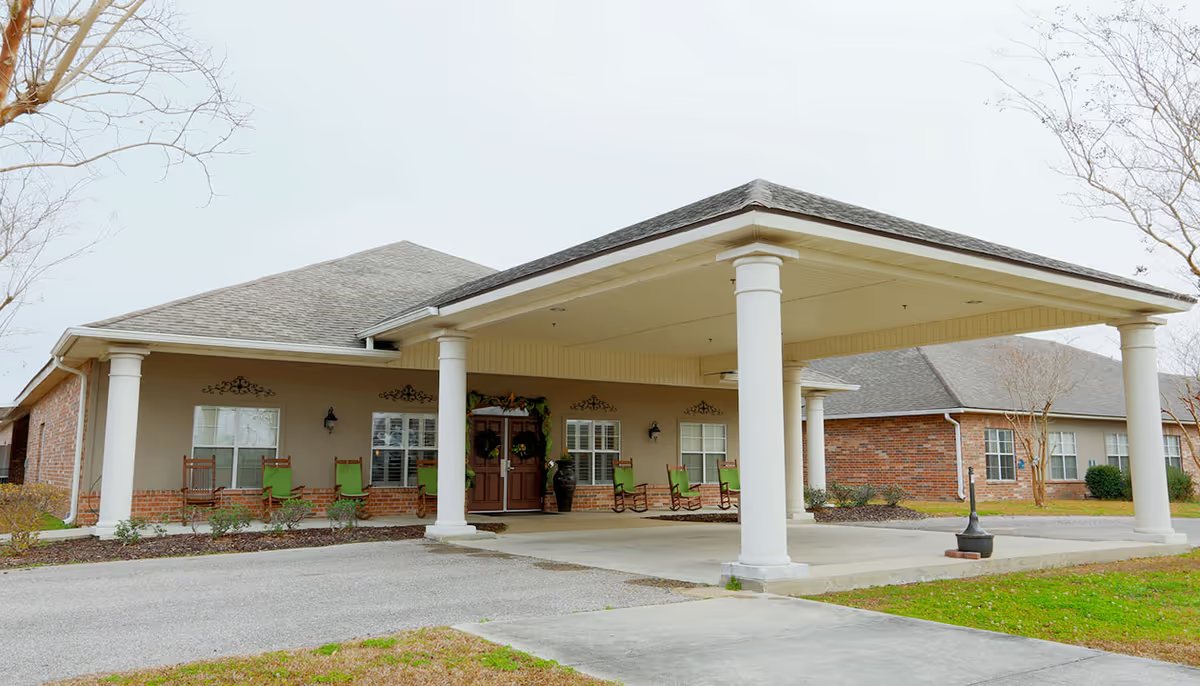
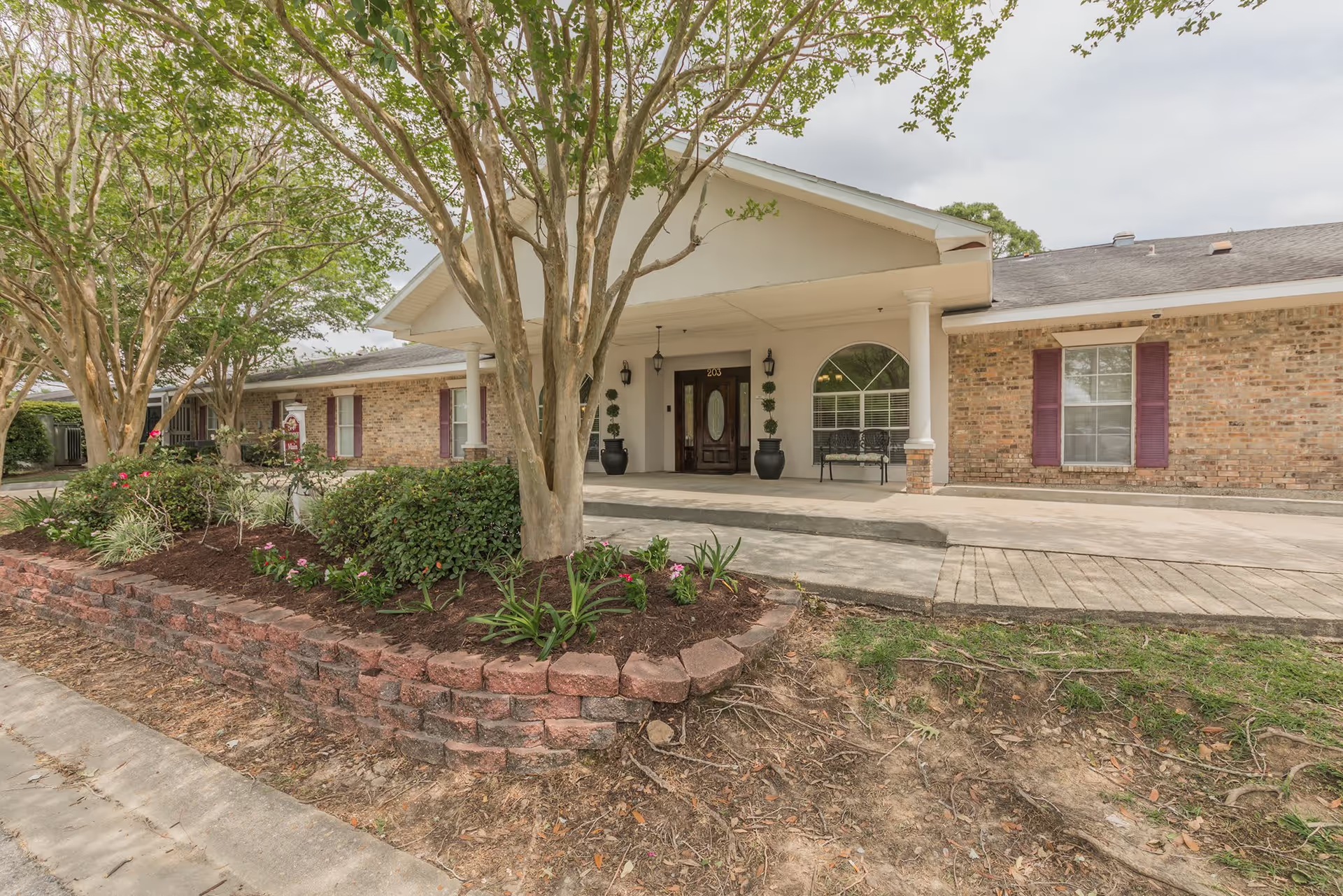
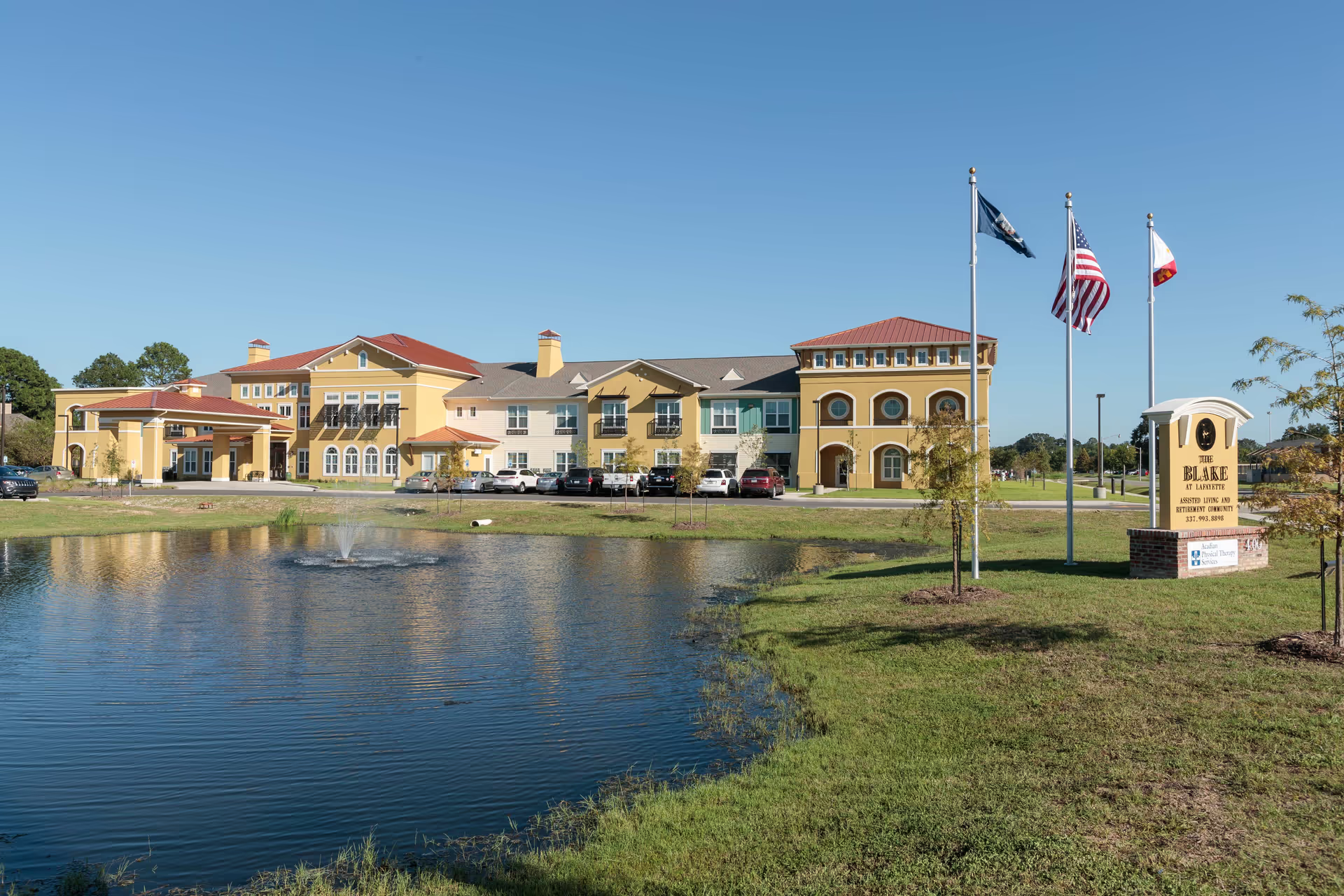
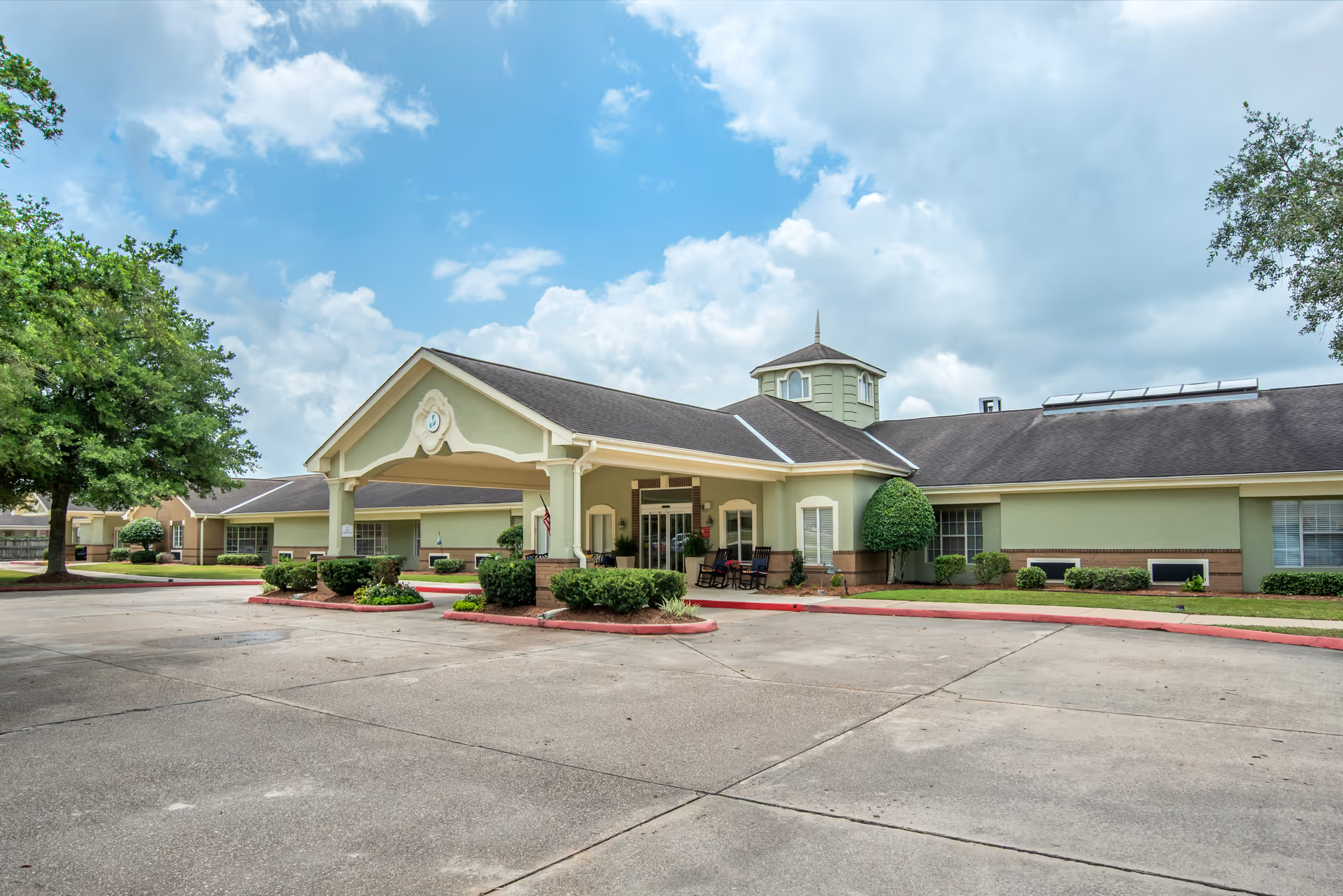
Activities and facilities: The physical environment and programming are commonly praised. Reviewers described clean, spacious rooms and bathrooms, a pleasant entry and exterior, accessible common areas, and a range of activities that engage residents. Therapy spaces and equipment were noted during tours, and social engagement by staff was often highlighted as a positive contributor to resident well‑being.
Management and patterns: Management receives mixed evaluations. Strong admissions coordination and some clear areas of operational competence contrast with comments about gaps in supervisory follow‑through, inconsistent enforcement of standards, and potential variability tied to payer source. A few reviewers raised concerns serious enough that they suggested regulatory attention; these are isolated but notable given their nature. There are also comments indicating a mismatch between promotional imagery and some on‑site experiences, which may affect expectations during placement decisions.
Notable patterns and advice for families: The overall narrative is one of strengths in rehabilitation, admissions, and facility upkeep, paired with inconsistent day‑to‑day personal care and staff responsiveness. Prospective residents and families should consider an in‑person tour (requested at different times of day), ask about nurse‑to‑resident and therapy‑to‑patient ratios, inquire how the facility handles personal‑care schedules and incontinence care, request details on meal service timing and temperature controls, and clarify how the facility addresses family concerns and documents corrective actions. Verifying payer‑based policies and speaking with current family members or recent discharges can help clarify whether the facility’s positive reports reflect typical experience or are concentrated in particular units or shifts.